Alberta’s Parkland Country and Its WMUs
The idea of hunting Alberta often conjures images of majestic mountains or vast northern boreal forests. But for many hunters, especially those new to the province or looking for diverse opportunities close to home, the sprawling, often overlooked parkland country can feel like a confusing mix of agriculture and scattered timber. This guide aims to demystify hunting in Alberta's unique parkland and its specific Wildlife Management Units (WMUs), helping you understand its distinct challenges and abundant rewards.
Understanding Alberta's Parkland Country
Alberta's parkland is a truly unique ecological zone, a beautiful and productive transition that often gets less attention than the dramatic Rockies or the dense northern bush. For hunters, understanding this distinct environment is the first step to unlocking its incredible potential.
Defining the Transition Zone
The parkland biome is essentially a ribbon of mixed forest and grassland that separates Alberta's southern prairies from its northern boreal forest. It’s not quite open prairie, and it’s certainly not deep, dense bush, but a fascinating blend of both. Imagine rolling hills, interspersed with aspen bluffs, poplars, willow thickets, and countless sloughs and wetlands, all broken up by vast stretches of prime agricultural land. This mosaic creates an incredibly rich and diverse ecosystem, providing everything from open feeding grounds to dense cover, all within relatively close proximity. It’s this transitional nature that makes the parkland so appealing for a variety of game.
Unique Habitat Features
What makes the parkland truly stand out are its specific habitat features. You'll find extensive areas of rich, fertile soil supporting cereal crops like wheat, barley, and oats, alongside oilseeds such as canola. These cultivated fields are interspersed with "bush islands"—patches of aspen and balsam poplar, often surrounded by thorny buffaloberry and willow, providing essential cover and browse for deer and moose. Then there are the numerous sloughs and potholes, ranging from small, seasonal depressions to larger, permanent wetlands, which are absolute magnets for waterfowl and provide critical water sources for all wildlife. Creeks and river drainages, often lined with heavier timber and brush, cut through the landscape, acting as natural travel corridors and further breaking up the terrain. This patchwork quilt of habitat types means that game animals can find everything they need to thrive within a relatively small area, making it ideal for hunters who know how to read the landscape.
Geographical Extent and Key Regions
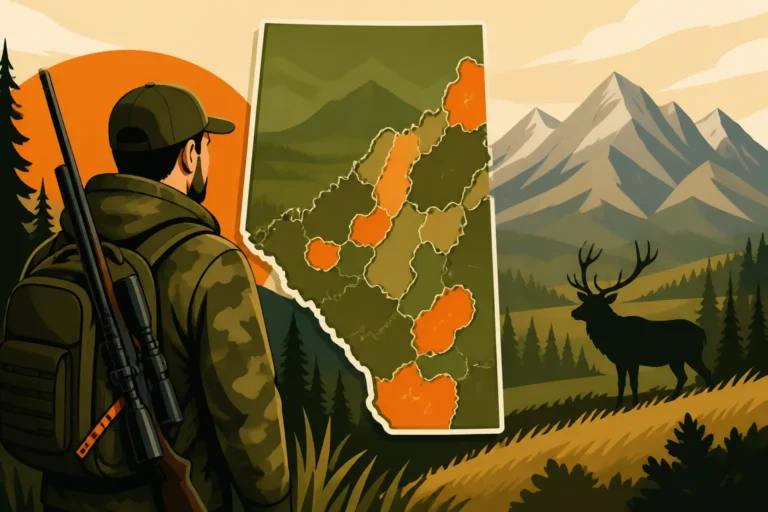
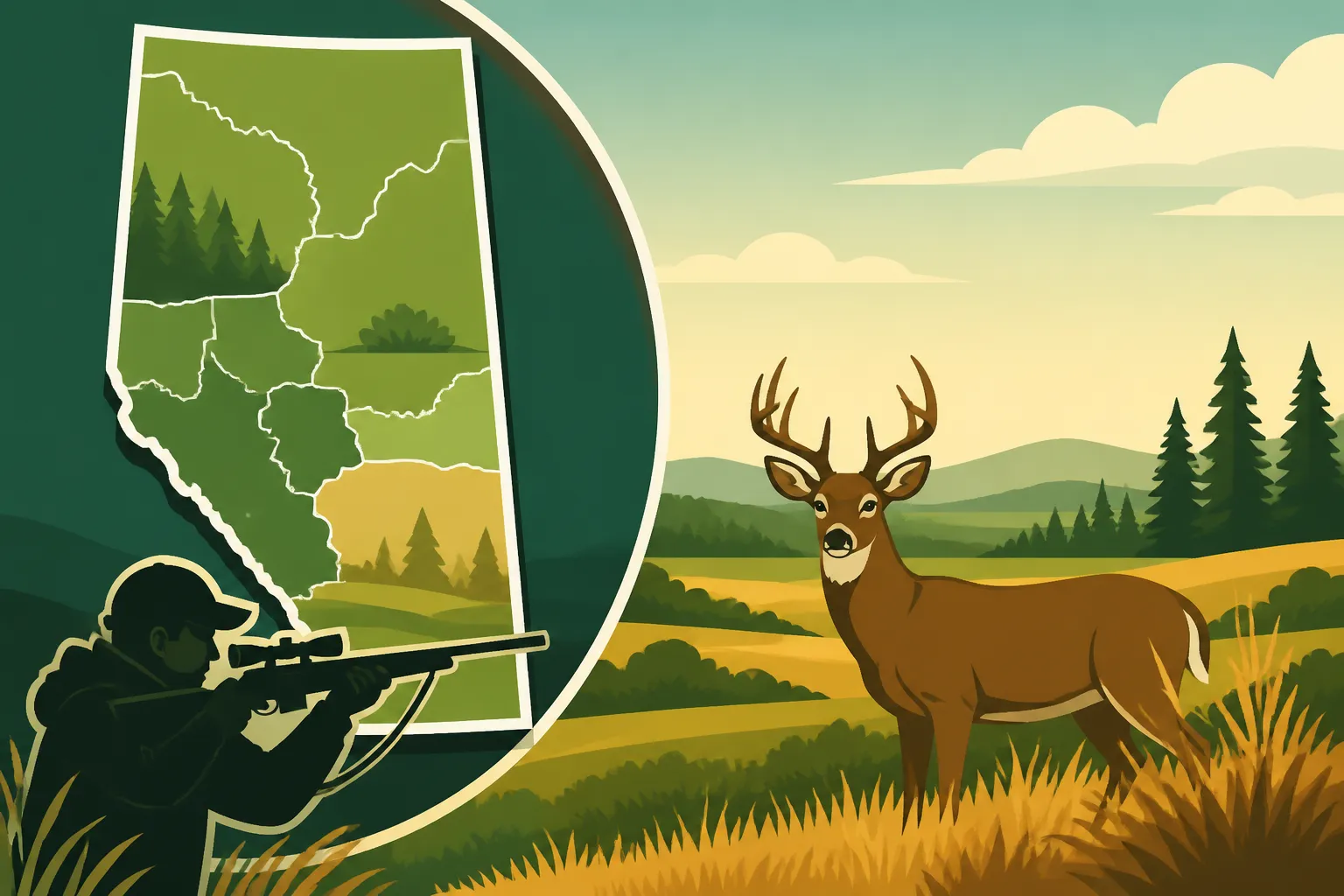
The parkland belt stretches across a significant portion of central Alberta, running diagonally from the southwest, north of Calgary, through the Edmonton region, and then northeast towards the Peace River country. Key regions within this zone include the areas around Red Deer, Wetaskiwin, Camrose, and Vermilion, extending up to Grande Prairie in the northwest. While specific WMUs will have their own unique characteristics, they generally share this parkland blend. These are often the WMUs with a "200" series designation, like WMU 212, 230, 240, etc., but you'll find elements of parkland in the southern edge of the boreal (300 series) and the northern edge of the prairie (100 series) as well. Familiarizing yourself with a provincial map and the general lay of the land will quickly show you where these productive areas are concentrated.
Why Hunters are Drawn to the Parkland
For many hunters, the parkland offers a compelling blend of opportunity, accessibility, and diversity that's hard to find elsewhere in the province. It's often where new hunters cut their teeth and seasoned veterans find reliable success year after year.
Diverse Big Game Opportunities
One of the biggest draws to the parkland is the sheer variety of big game animals it supports. This zone is a hotspot for both white-tailed deer and mule deer, often with healthy populations of each coexisting in adjacent habitats. Whitetails thrive in the dense cover of aspen bluffs and creek bottoms, while mule deer often prefer the more open, broken coulee country and pockets of native grass. It's not uncommon to find areas where you can reasonably expect to encounter both species during a single hunt. Beyond deer, moose populations are surprisingly strong in many parkland WMUs, particularly around the larger sloughs, river systems, and areas bordering the boreal forest. Even elk, traditionally thought of as mountain or foothills animals, are increasingly making their presence known in parkland areas, often moving onto agricultural fields to feed. This makes the parkland an excellent choice for hunters looking for a versatile experience, perhaps chasing a whitetail in the morning and scouting for a mule deer in the afternoon.
Accessible Hunting Ground
Compared to the remote wilderness of the mountains or the vast, trackless expanses of the deep boreal forest, many parkland WMUs are relatively accessible. They are often closer to major population centers like Edmonton and Calgary, reducing travel time and logistics. Road networks are generally well-developed, with a mix of paved highways, gravel roads, and municipal grid roads providing access to many areas. This means you can often drive to your hunting spot, or at least get close, without needing extensive backcountry gear or specialized off-road vehicles. For hunters with limited time, or those who prefer not to embark on multi-day wilderness treks, the parkland offers a practical and convenient option. However, "accessible" doesn't mean "easy"—the challenge often shifts from physical endurance to strategic scouting and securing permission.
Different Kinds of Hunting Pressure
While the parkland is accessible, it's also often heavily hunted, especially close to urban centers. However, the nature of the hunting pressure can be quite different from other zones. In the mountains, pressure might mean more backpack hunters or horseback parties. In the parkland, it's often more about day-hunters and local residents. This can create challenges in terms of finding undisturbed game, but it also means that animals become highly educated and adapt to human presence. Learning to hunt smart, finding those overlooked pockets of cover, and getting permission on private land can give you a significant advantage. Don't be fooled into thinking easy access means easy hunting; parkland deer and moose are notoriously cagey, often holding tight in surprisingly small patches of cover, having learned to evade detection by hunters traversing the accessible areas.
Key Wildlife Management Units (WMUs) in the Parkland
Understanding the general characteristics of parkland WMUs is helpful, but diving into specific examples can illuminate the unique opportunities and challenges each area presents. These WMUs share the core features of the parkland biome but offer distinct hunting experiences.
Identifying Common Parkland WMU Characteristics
Parkland WMUs are typically characterized by their mosaic landscape: a patchwork of cultivated fields, aspen bluffs, willow thickets, and countless sloughs and potholes. This means that successful hunting often revolves around identifying and exploiting the transition zones between these different habitat types. Look for areas where dense cover meets an abundant food source, such as an aspen bluff bordering a standing canola field or a creek bottom running adjacent to a harvested barley stubble. Many parkland WMUs also feature significant private land ownership, interspersed with smaller blocks of Crown land or provincial grazing reserves. Hunters must be diligent in scouting, often utilizing mapping tools like onX Hunt to identify land ownership and boundaries. The presence of numerous roads and trails means that these WMUs can experience significant hunter pressure, especially on public land during opening week. However, this pressure can also push game into overlooked pockets of cover that diligent hunters can exploit.
Spotlight on Specific Whitetail WMUs
Certain parkland WMUs are renowned for their white-tailed deer populations. Take, for example, WMUs in the 200 series like 248 (around Wetaskiwin/Camrose) or 260 (further east, near Vermilion). These areas often have extensive aspen bluffs, creek systems, and river valleys that provide excellent whitetail habitat. The abundance of agricultural feed ensures good nutrition, leading to healthy deer and, frequently, impressive antler growth. Whitetail Hunting in Alberta is often at its best in these areas. Hunting here often involves identifying key travel corridors between bedding areas (dense bluffs) and feeding areas (grain fields). You might focus on hanging a stand on an Alberta bush edge, or still-hunting through a network of smaller bluffs, always paying close attention to wind direction. The challenge often lies in securing access to prime private land, but hunters who build relationships with landowners often find incredible success pursuing these intelligent animals.
Spotlight on Specific Mule Deer and Moose WMUs
While often associated with open prairies and badlands, mule deer also thrive in the more open, broken country within the parkland zone, especially where coulees and native grass pockets break up the agricultural landscape. WMUs on the western edge of the parkland, transitioning into the foothills, or those with more significant river systems like sections of WMU 224 or 230, can hold strong mule deer numbers. Spot-and-Stalk Mule Deer in Alberta is a viable tactic here, often involving glassing expansive areas from a vantage point, then planning a careful approach.
For moose, the parkland might not immediately come to mind, but many WMUs with extensive wetland complexes, major river drainages (like the North Saskatchewan River valley), and larger, unbroken blocks of timber can offer excellent moose hunting. WMUs like 250 (around Viking/Killam) or 270 (towards Lloydminster) might surprise you with their moose potential, especially in areas with extensive willow-lined sloughs and low-lying wet ground. Moose Hunting Alberta's Boreal Forest strategies, focusing on still-hunting or calling along cutlines and seismic lines, can be adapted for the fringes of these parkland moose pockets. Success often means getting off the beaten path and pushing into the thicker, wetter areas that other hunters avoid.
Hunting Strategies for Parkland Deer
The diverse landscape of Alberta's parkland demands a flexible approach to deer hunting. Understanding how whitetails and mule deer utilize the unique combination of cover and food sources is key to consistent success.
Reading the Edge: Whitetails in Aspen Bluffs
For white-tailed deer, the aspen bluffs that dot the parkland landscape are nothing short of sanctuaries. These dense pockets of timber, often interspersed with thick willow and berry bushes, provide crucial thermal cover, security, and bedding areas. The "edge" where these bluffs meet agricultural fields is where the magic often happens. Whitetails will spend their days bedded deep within the bluff, emerging at dusk to feed in the adjacent grain or stubble fields, and returning to cover at first light. Hanging a Stand on an Alberta Bush Edge is a classic and highly effective parkland strategy.
When scouting, look for well-used trails leading from the bluff into the field, paying close attention to fresh tracks, rubs, and scrapes, especially during the pre-rut and rut phases. Wind direction is paramount; you'll want to position yourself downwind of these travel corridors to intercept deer without alerting them to your presence. Consider the sun's position at dawn and dusk to avoid silhouetting yourself or having the sun in your eyes. Sometimes, even a small, seemingly insignificant bluff can hold a mature buck, especially if it offers secure escape routes or lies between two desirable food sources. Don't overlook the smaller patches of cover; educated parkland deer know how to use them to their advantage.
Hunting Willow Runs and Creek Bottoms for Deer
Beyond the aspen bluffs, the network of willow runs, brushy creek bottoms, and low-lying wet areas are prime deer habitat in the parkland. These linear features act as natural travel corridors, allowing deer to move significant distances under the cover of dense vegetation, often unseen from the surrounding open fields. They connect larger blocks of timber, provide access to water, and offer a secondary source of browse.
During the rut, these creek bottoms and willow runs become especially active as bucks cruise them in search of does. Still-hunting these linear features can be incredibly productive, moving slowly and deliberately against the wind, pausing frequently to glass ahead and listen for movement. Look for pinch points where the cover narrows or where a game trail crosses a small open gap. Setting up a ground blind or small treestand overlooking one of these natural funnels can also be highly effective. Remember, the goal is to intercept deer as they move naturally through the landscape. Pay attention to changes in elevation or cover that might allow deer to slip past undetected. Hunting a Willow Run in Farm Country often yields results when deer are feeling the pressure of open field hunting.
Spotting and Stalking Mule Deer in Open Pockets
While whitetails prefer the thick stuff, mule deer in the parkland often gravitate towards the more open, broken country, especially where there are rolling hills, coulees, or larger expanses of native grass. Here, their keen eyesight and preference for open-country escape routes come into play. Spotting and stalking is often the most productive method for mule deer in these areas. This involves patiently glassing expansive landscapes from a high vantage point, using quality optics to locate deer that are often bedded down or feeding in the open.
Once a target animal is spotted, the real work begins. A successful stalk requires meticulous planning, using terrain features (like folds in the land, small ridges, or even larger clumps of brush) to stay out of sight and to use the wind to your advantage. Mule deer can be incredibly alert, and their ability to disappear over a ridge or into a shallow depression is legendary. Patience is paramount. Sometimes, the best strategy is to wait for the deer to move into a more favorable position before initiating the stalk. Always be prepared for a long crawl or a circuitous route to get within shooting range. Using an app like onX Hunt can be invaluable here, helping you visualize the terrain and potential cover for your stalk before you even move. Stalking Mule Deer in Badlands Breaks principles can be applied to the coulees and draws found in the parkland.
Hunting Other Species in the Parkland
While deer often steal the spotlight, Alberta's parkland offers a wealth of opportunities for a diverse array of other game, from big game like moose and elk to the popular upland birds and waterfowl.
Moose Hunting in Parkland Sloughs and Bush
It might surprise some, but moose are quite prevalent in many parkland WMUs, especially those areas with abundant wetlands, expansive sloughs, and larger, unbroken blocks of bush and timber. These areas provide the water and browse (willows, dogwood, aspen) that moose depend on. Hunters looking for Moose Hunting Alberta's Boreal Forest might find similar, albeit smaller-scale, opportunities right in the parkland.
The key to parkland moose hunting is often focusing on the wet, boggy areas that others overlook. Look for fresh sign—tracks, rubs on trees, and chewed willows—around the edges of large sloughs, beaver ponds, and slow-moving creek systems. During the rut, calling can be incredibly effective, mimicking a cow in estrus or a bull raking brush to attract a response. Still-hunting slowly through dense willow thickets and along the fringes of these wet areas is another productive tactic. Moose are big animals, and getting one out of a boggy slough bottom can be a challenge, so always have a solid game retrieval plan in place.
Upland Birds: Huns and Sharptails
For upland bird enthusiasts, the parkland is a veritable paradise, particularly for Hungarian Partridge (Huns) and Sharp-tailed Grouse. Huns thrive in the agricultural landscape, often found along shelterbelts, field edges, and brushy fence lines. They are notorious for their explosive flush and rapid flight, providing challenging shooting. Hunting Hungarian Partridge on Alberta Farms is a beloved tradition here. Walking these linear cover features with a good bird dog can be incredibly productive, as the dogs can pinpoint the coveys before they flush.
Sharp-tailed Grouse, on the other hand, prefer the more open native grasslands, brushy pastures, and transitional zones where prairie meets bush. Look for them in areas with taller grass, often near berry bushes or pockets of small trees. Walking Up Sharp-Tailed Grouse in Alberta often involves covering significant ground on foot, working windrows, brushy draws, and the edges of grain fields. Both species offer fast-paced, exciting hunting, and the wide-open nature of much of the parkland makes for an immersive experience. Remember to be mindful of private land and secure permission before venturing out.
Waterfowl Hotspots in Parkland Potholes
Alberta's parkland is often referred to as a "duck factory" for good reason. The abundance of wetlands, sloughs, and potholes creates prime nesting and staging habitat for a myriad of duck species, including mallards, pintails, wigeon, and teal. Add to this the countless grain fields, and you have a recipe for some world-class goose hunting, with Canada Geese and Greater White-fronted Geese (specklebellies) regularly using the area during migration.
Pothole Hunting Ducks on Small Water is a quintessential parkland experience, often involving setting up a small spread of decoys on a slough known to hold birds, or jump-shooting smaller water bodies. For geese, scouting is absolutely critical. Identifying which fields birds are feeding in, then Getting Permission for a Goose Field from the landowner, and setting up a large spread of decoys is the standard approach. Waterfowl Hunting Alberta's Grain Fields can offer incredible shoots, especially during the peak of migration in the fall. Early mornings and late afternoons are prime times, and always remember to use non-toxic shot for migratory birds.
Predators in the Parkland: Coyotes and Wolves
The parkland also offers opportunities for predator hunting, primarily coyotes and, in some fringe areas, wolves. Coyotes are abundant across the entire agricultural belt and provide year-round hunting challenges. They are smart, elusive, and respond well to calling, especially during the colder months when food sources are scarcer. Coyote Hunting Alberta Farm Country often involves setting up with a good vantage point overlooking fields or brushy draws and using various calls to bring them in.
In WMUs on the northern or western edges of the parkland, where the habitat transitions into more extensive boreal forest or foothills, wolves can also be present. While more challenging to hunt, a successful wolf hunt in the parkland is a truly rewarding experience, demanding patience, skill, and an intimate knowledge of their travel patterns. Always check local regulations, as rules for predator hunting can vary.
Accessing Parkland Hunting Land
One of the biggest hurdles and also one of the greatest rewards in parkland hunting is navigating land access. With a high proportion of private land, understanding how to gain access is paramount to a successful hunt.
The Challenge of Private Land Access
Unlike the vast expanses of Crown land found in Alberta's mountains or boreal forest, much of the parkland country is privately owned. This means that hunters face the constant challenge of securing permission from landowners before they can set foot on a property. The "No Trespassing" signs are a common sight, and respecting these boundaries is not just a matter of courtesy, but a legal requirement under Alberta's Trespass Act. Many hunters find this aspect of parkland hunting daunting, leading them to stick to more crowded public lands.
However, with challenge comes opportunity. Hunters who are willing to put in the effort to knock on doors, build relationships, and demonstrate respect for private property often unlock access to some of the best hunting grounds in the province. Landowners are often more willing to grant access to polite, responsible hunters who ask well in advance, understand their rules (e.g., no driving on wet fields, respect livestock, close gates), and potentially even offer a helping hand with chores. This personal connection can be incredibly rewarding, leading to exclusive hunting opportunities and lasting friendships.
Finding Crown Land and Grazing Leases
While private land dominates, there are still pockets of accessible public land within the parkland WMUs. These can include smaller parcels of "vacant" Crown land, provincial parks (with specific hunting regulations, often limited to specific seasons or areas), and Provincial Grazing Reserves. Grazing Reserves are particularly interesting; while they are leased to ranchers for cattle grazing, they often remain open for public recreational access, including hunting, under the Alberta's Recreational Access Regulation. However, it's crucial to understand that permission from the grazing leaseholder is still often required or highly recommended to avoid conflicts, especially when accessing by vehicle or during active grazing periods. Asking a Grazing Leaseholder for Access is a polite and wise move.
Identifying these public land pockets can be a challenge on traditional paper maps. This is where modern technology truly shines.
Utilizing Mapping Tools for Access
In today's hunting world, digital mapping tools have become indispensable, especially in navigating the complex land ownership patterns of the parkland. Services like onX Hunt and GoHunt provide detailed satellite imagery overlaid with property boundaries, land ownership information (including Crown land, private land, and sometimes even lease details), and topographic maps. This allows hunters to easily identify parcels of public land, understand who owns adjacent private properties, and even pinpoint potential access points.
For example, you can use onX Hunt to identify a quarter section of Crown land that might be surrounded by private property. While you might have the right to access it on foot, knowing the landowner of the surrounding property can help you respectfully ask for permission to cross their land, potentially saving you a long walk or avoiding a difficult approach. GoHunt might offer additional data relevant to specific WMUs, helping you choose areas with better public land access or higher success rates for certain draws. These tools don't replace boots-on-the-ground scouting or building relationships, but they are incredibly powerful aids for pre-season planning and on-the-go navigation, making the challenge of parkland access far more manageable. Finding Alberta Public Land Boundaries has never been easier.
Navigating Regulations and Seasons in the Parkland
Hunting in Alberta, especially in its diverse parkland, requires a thorough understanding of the regulations. While many rules are province-wide, specific WMUs and species in the parkland might have unique season dates, licence requirements, and bag limits.
Understanding General and Special Licences
For most common species in the parkland, like white-tailed deer and certain upland birds, hunters typically purchase "General Licences." These licences are available over-the-counter and allow you to hunt during specified general seasons in most open WMUs, provided you have a valid WIN Card and Wildlife Certificate. However, for species like mule deer (especially antlered) and moose, or for antlerless deer opportunities, you'll often need to apply for a "Special Licence" through Alberta's annual draw system.
The draw system is competitive, and success depends on priority points and the popularity of the WMU. Many parkland WMUs offer special licences for antlerless white-tailed deer or antlered mule deer. It's crucial to consult the annual Alberta Hunting Regulations (available online) to understand which species require a draw in your chosen parkland WMU and what the season structure looks like. Applying for Alberta's Special Licence Draws requires careful planning and an understanding of the draw deadlines.
Specific Season Dates for Parkland WMUs
Season dates in parkland WMUs can vary significantly depending on the species and the specific WMU. For example, general archery season usually opens in late August, offering a quiet start to the deer season before rifle hunters enter the field. When Alberta's Archery Season Opens allows for early season scouting and hunting. Rifle seasons for white-tailed deer typically open in late October or early November, often coinciding with the peak of the rut, providing exciting hunting opportunities. Hunting the Rut in Early November is a popular time for parkland hunters. Mule deer seasons often follow a similar pattern but can be more restricted in terms of antler points (e.g., three-point or better) in certain WMUs.
Upland bird seasons generally open in early September and extend into December, while waterfowl seasons typically start in early September and continue well into fall migration, sometimes with special late seasons for snow geese. It's imperative to check the current year's regulations for your chosen WMU, as dates and specific rules can change. Many parkland WMUs will have different season lengths and restrictions due to proximity to human habitation or species management goals.
CWD Testing and Carcass Transport
Chronic Wasting Disease (CWD) is a significant concern for deer populations in Alberta, particularly in the central and eastern parkland and prairie regions. As a responsible hunter, you have a crucial role to play in monitoring and managing this disease. Many parkland WMUs are designated as "mandatory CWD submission WMUs," meaning hunters harvesting a deer (whitetail or mule deer) are legally required to submit the animal's head for testing. Alberta's CWD Testing Requirements are designed to help wildlife managers track the spread of the disease.
Knowing where Alberta's CWD freezers are located, how to properly remove the head, and how long results typically take are all important aspects of hunting in these areas. Furthermore, there are specific rules regarding the transport of deer carcasses out of CWD-positive zones to prevent further spread. Generally, only deboned meat, skull plates, antlers, and clean hides can be transported out of a CWD zone. Planning for carcass processing, whether at a butcher or in the field, is an important consideration when hunting in a CWD-mandated WMU.
Preparing for a Parkland Hunt
A successful hunt in Alberta's parkland isn't just about knowing where to go or what to hunt; it's also about thorough preparation. From gear selection to pre-season scouting and cultivating good relationships, every detail counts.
Essential Gear for Mixed Terrain
The mixed terrain of the parkland—from muddy slough bottoms to dry stubble fields, dense bush to open hillsides—demands versatile gear. Footwear is paramount: waterproof, comfortable boots with good ankle support are a must, as you'll likely encounter wet conditions, uneven ground, and potentially long walks. Consider gaiters to keep burrs and moisture out of your boots when pushing through thick brush. Layered clothing is also key, as early mornings can be frosty, while midday can warm up, especially in the fall. You'll want outer layers that are durable, quiet, and offer good camouflage, blending with the yellows, browns, and grays of the fall parkland. Blaze orange is often a requirement during rifle seasons, so ensure you have sufficient, visible outer garments.
For optics, a good pair of binoculars (10×42 or 12×50) is indispensable for glassing fields and coulees for deer, spotting waterfowl, or identifying birds. A rangefinder is also highly recommended for accurate shot placement. And, of course, don't forget your rifle or bow, appropriate ammunition or arrows, and all necessary safety equipment, including a first-aid kit, compass/GPS (or a reliable mapping app like GoHunt), and communication devices.
Pre-Season Scouting and e-Scouting
Successful parkland hunting often begins long before opening day with meticulous scouting. Given the patchwork nature of the landscape, understanding where game animals are moving and how they're using available cover and food sources is critical. Physical scouting involves driving or walking accessible roads and trails, looking for fresh sign: tracks, rubs, scrapes, and feeding areas. Pay attention to fence crossings, natural funnels, and any overlooked pockets of cover that might hold deer. Scouting an Alberta WMU Before Season is not just a suggestion, it's essential.
In conjunction with boots-on-the-ground efforts, e-scouting (using satellite imagery and mapping apps) has become incredibly valuable. Tools like onX Hunt allow you to pore over aerial photos, identifying aspen bluffs, sloughs, creek systems, and field types from the comfort of your home. You can mark potential bedding areas, travel corridors, and feeding locations, creating a virtual map of your target area. This helps you identify promising spots, understand land ownership, and plan your approach routes, making your time in the field far more efficient. Look for areas with diverse edge habitat and good connectivity between cover and food.
Respecting Landowners and Local Communities
Perhaps the most crucial aspect of preparing for a parkland hunt is cultivating a respectful and responsible attitude towards landowners and the local community. As discussed, much of the prime hunting ground is on private property, and access is a privilege, not a right. Always ask for permission well in advance, and accept "no" gracefully. When granted access, always adhere to the landowner's specific rules: close gates, drive only on designated trails, avoid sensitive crops, stay clear of livestock, and leave no trace behind. Consider offering a small token of appreciation, like a package of processed game meat or a gift card, after a successful hunt.
Beyond landowners, be mindful of the local community. Drive respectfully on gravel roads, be considerate of noise, and support local businesses if possible. Your actions reflect on all hunters, and fostering positive relationships is key to maintaining hunting access in these crucial agricultural zones. Being a good steward of the land and a good neighbor goes a long way in ensuring future hunting opportunities in Alberta's invaluable parkland country. Knocking on Doors in Alberta Farm Country might seem old-fashioned, but it's still the most effective way to gain access.
Table: Common Parkland Game Species and Hunting Focus
The parkland offers a rich tapestry of hunting opportunities, each species requiring a slightly different approach given the unique blend of agricultural and natural landscapes.
| Species | Preferred Parkland Habitat | Primary Hunting Strategy | Key Considerations for Parkland |
|---|---|---|---|
| White-tailed Deer | Aspen bluffs, creek bottoms, shelterbelts, field edges | Ambush, still-hunting, stand hunting | Focus on transition zones; private land access crucial; high pressure areas |
| Mule Deer | Open coulees, rolling hills, native grasslands, broken ground | Spot-and-stalk, glassing | Utilize terrain for cover; patience required; often less common than whitetails |
| Moose | Large sloughs, willow thickets, river bottoms, dense bush | Still-hunting, calling | Look for wet, overlooked areas; dense cover often key; tougher extraction |
| Hungarian Partridge | Field edges, shelterbelts, stubble fields, farmsteads | Walking up with dogs, flushing coveys | Need landowner permission; cover lots of ground; fast-flying birds |
| Sharp-tailed Grouse | Native grasslands, brushy pastures, transition zones | Walking up, dog work | Target areas where prairie meets bush; often in small pockets of cover |
| Waterfowl (Ducks/Geese) | Potholes, sloughs, lakes, harvested grain fields | Decoying, jump-shooting, field hunting | Scouting is paramount; non-toxic shot required; landowner permission for fields |
| Coyote | Open fields, brushy draws, treelines, coulees | Calling, ambushing | Year-round opportunity; smart, wary animals; wind critical |
Disclaimer
This article is for general informational purposes only and does not constitute professional advice. Laws, prices and regulations vary by location and change over time. Consult a qualified professional for guidance on your specific situation.