Alberta’s Recreational Access Regulation
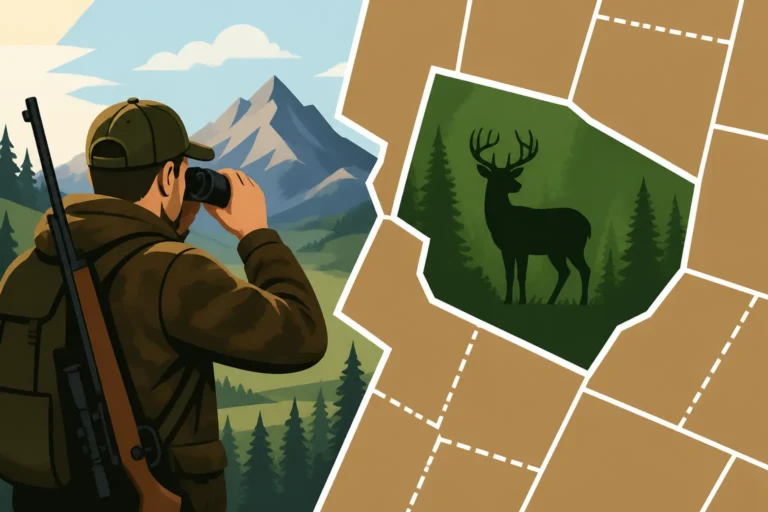
You’ve spent hours poring over maps, eyeing that perfect remote ridge or deep timber stand, only to be hit with that familiar pang of uncertainty: Can I actually hunt there? Is this public land, private, or something in between? Navigating land access in Alberta can feel like deciphering an ancient scroll, a frustrating barrier between you and your outdoor pursuits. This guide is here to untangle the complexities of Alberta's Recreational Access Regulation, offering clarity on where you can hunt, how to legally access land, and how to maintain those crucial relationships that keep our hunting heritage alive.
What is Alberta's Recreational Access Regulation?
Understanding where you can legally step foot with a rifle or bow in Alberta is perhaps one of the biggest headaches for any hunter, new or seasoned. It's not always as simple as "Crown land is open, private land is closed." The province has a framework designed to manage how the public uses different types of land, and for hunters, getting a handle on this is absolutely essential to avoid fines, confrontations, and truly ethical hunting.
The Core Purpose and Intent
At its heart, Alberta's Recreational Access Regulation (RAR) is about defining the legal parameters for public use of provincial lands, particularly lands administered under the Public Lands Act. This isn't just about hunting; it covers everything from hiking and fishing to ATV riding and camping. For us hunters, it clarifies that while much of Alberta’s vast landscape is indeed public, access isn't always unfettered, and there are specific rules that apply depending on the type of land and its designation. The government's goal is to balance public access with land management responsibilities, conservation, and the rights of other land users, including agricultural leaseholders. It's about ensuring sustainable use and minimizing conflicts.
Without this regulation, land access would be a chaotic free-for-all, leading to irreparable damage to sensitive ecosystems, constant disputes between recreational users and leaseholders, and a breakdown of public trust. Think of it as the foundational rulebook for playing fair and safe in Alberta’s incredible outdoors. It’s meant to protect both the land and the people who use it, including the wildlife we pursue.
Evolution and Updates
The Recreational Access Regulation isn't static; it evolves, much like the landscape and land use pressures themselves. Originally introduced to clarify ambiguities around access to public lands, especially those under grazing lease, it has seen adjustments over the years. These changes often come in response to public feedback, shifts in land use patterns, and the need to address emerging issues like increased recreational pressure in certain areas or specific environmental concerns. For instance, sections dealing with vehicle access, camping, and the precise definition of "public land" versus "grazing lease" have been refined over time to provide greater clarity.
Staying informed about these updates is crucial for hunters. What might have been permissible a few years ago could have changed. Sometimes these updates are subtle, affecting specific land designations or vehicle types, while other times they can have broader implications for how we plan our hunts. While the core intent of managed access remains, the details can shift. Always make it a point to check the latest Alberta hunting regulations and official government resources before heading out, as they will incorporate any recent changes to the RAR.
Key Provisions and What They Mean for Hunters
The devil, as they say, is in the details, and with Alberta’s Recreational Access Regulation, those details can profoundly impact your hunting plans. It’s not enough to know the regulation exists; you need to understand its key components and how they translate into real-world scenarios when you're out in the field. This regulation touches on everything from how you travel through public land to where you can pitch a tent, shaping the logistics of your hunt before you even shoulder your rifle.
Understanding "Recreational Use"
The regulation broadly defines "recreational use," but for hunters, it's about understanding what activities are generally permitted on various public lands. This includes hunting, of course, but it also covers scouting, retrieving game, and even camping as part of a hunting trip. The critical takeaway here is that while these activities are often allowed, they are not without conditions. You still need to adhere to all other relevant legislation, such as the Wildlife Act for hunting rules, and the specific stipulations of the RAR itself. For example, recreational use on public land under a grazing lease often requires you to contact the leaseholder first. This isn't about getting permission to hunt (as the land is public), but rather about notifying the leaseholder of your presence and understanding any specific concerns or restrictions they might have regarding livestock or active farming operations.
A common misconception is that "recreational use" means you can do whatever you want. In reality, it means you can participate in prescribed recreational activities, but always with respect for the land, other users, and any existing agricultural or industrial operations. This is especially true on Provincial Grazing Reserves, where the primary purpose is agriculture, and recreational use is secondary. Hunting a Provincial Grazing Reserve requires a good understanding of these nuances.
Vehicle Use and Restrictions
One of the most impactful parts of the RAR for hunters is its stance on vehicle access. While ATVs and other Off-Highway Vehicles (OHVs) are incredibly useful for covering ground and retrieving game, their use is strictly regulated on public lands. The regulation often designates specific trails, areas, or Public Land Use Zones (PLUZs) where OHVs are permitted. In many other areas, particularly within the Green Area (forested Crown land), cross-country travel with motorized vehicles is explicitly prohibited to prevent environmental damage and minimize disturbance to wildlife. Even on established trails, there can be seasonal closures or restrictions based on weather conditions to prevent trail degradation.
Ignoring these rules can lead to significant penalties, not to mention creating negative perceptions of hunters. Imagine spending days scouting a remote area only to find it torn up by off-trail vehicle use; it’s frustrating for everyone. Always consult official maps and local signage. A mapping app like onX Hunt can be invaluable here, often displaying public land use zones and designated trails, helping you stay legal. For more detailed information, check out Quad and Side-by-Side Rules on Crown Land.
Camping and Temporary Structures
For those planning multi-day hunts in Alberta's backcountry, the RAR also outlines rules for camping and the placement of temporary structures. Generally, random camping is permitted on most Crown land in the Green Area, provided you are a certain distance from provincial parks, primary highways, and designated recreational areas. However, this isn't a free-for-all. There are limitations on how long you can camp in one spot, requirements for leaving no trace, and often fire restrictions depending on the season and local conditions. In some areas, particularly Public Land Use Zones (PLUZs) like the Ghost or McLean Creek, specific campgrounds or designated camping areas might be enforced, with random camping prohibited elsewhere.
On public lands under agricultural lease, camping often requires the leaseholder's permission, even though the land is publicly owned. This is again about respecting their operations and minimizing conflict. Setting up a temporary hunting camp, like a wall tent, falls under these guidelines. Always consider the impact of your camp on the environment and other users, packing out everything you pack in. Understanding Camping Rules on Alberta Crown Land is crucial for an ethical and legal backcountry hunt.
Navigating Different Land Types Under the Regulation
Alberta's landscape is a patchwork of various land types, each with its own specific access rules. For hunters, this is where the Recreational Access Regulation really becomes practical. Knowing the difference between "White Area" and "Green Area" Crown land, or how grazing leases operate, can make or break your hunt and determine whether you're a responsible land user or an unintentional trespasser.
Accessing White Area vs. Green Area
Alberta is primarily divided into two main land categories for administrative purposes: the White Area and the Green Area.
The White Area generally refers to the settled, agricultural regions of the province, primarily consisting of private land, municipal lands, and some scattered Crown land parcels. Hunting on private land in the White Area always requires explicit permission from the landowner or occupier. This is non-negotiable. Even small pockets of Crown land within the White Area might have specific access restrictions or be completely inaccessible if surrounded by private property without an easement. This is where Knocking on Doors in Alberta Farm Country becomes a critical skill.
The Green Area, conversely, comprises the forested and undeveloped northern and western parts of Alberta, which are predominantly Crown land. This is often where the majority of public hunting opportunities exist for big game species like moose, elk, and bear. While generally more accessible, the Green Area also has its own set of rules, particularly concerning vehicle use, as mentioned earlier. Many Alberta's Public Land Use Zones Explained are found within the Green Area, each with its unique regulations regarding motorized access, camping, and other recreational activities. Always check the specific PLUZ rules before you go. The distinction between these two areas is fundamental to understanding Alberta's Green Area and White Area for hunting purposes.
Grazing Leases: A Special Case
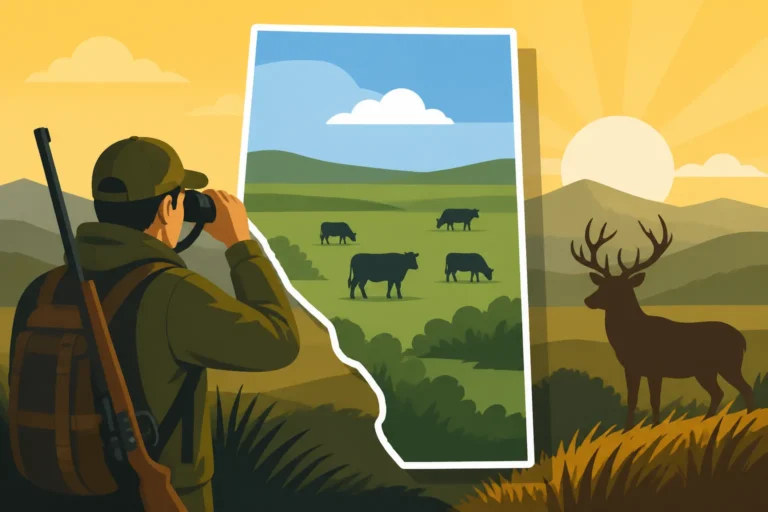
Public land under a grazing lease is one of the most misunderstood land types by hunters, and often a source of friction. Many hunters mistakenly believe that because it's "public land," they have unrestricted access. The Recreational Access Regulation clarifies that while these lands are public, they are managed under an agricultural lease, meaning the leaseholder has specific rights and responsibilities related to their livestock and operations.
The regulation states that recreational users, including hunters, generally have a right to access these lands, but they must do so in a way that doesn't interfere with the leaseholder's operations, livestock, or property. Crucially, while you don't need permission to hunt (as you would on private land), you are usually required to contact the leaseholder prior to accessing the land to notify them of your presence. This simple step can prevent misunderstandings, allow the leaseholder to inform you of any active grazing or calving operations, or direct you to appropriate access points. Ignoring this notification can lead to confrontation and sour relations, undermining future access for all hunters. Asking a Grazing Leaseholder for Access is a necessary step.
Private Land and Permission
There's no getting around it: if you're hunting on private land in Alberta, you absolutely, unequivocally need permission. The Recreational Access Regulation and the Alberta Trespass Act are clear on this. Private land includes deeded land, land under cultivation, or land clearly posted with "No Trespassing" signs. Even if it's not posted, if it's privately owned, you must have express permission from the landowner or occupier. This isn't just a courtesy; it's the law. Alberta Landowner Permission Law is quite strict.
Gaining private land access can be a golden ticket, especially in the productive White Area for species like whitetails and waterfowl. It often requires respect, good communication, and sometimes, a bit of persistence. Remember, a landowner is not obligated to grant you access, and it's their right to refuse. Building trust and offering to help out (like closing gates or reporting issues) can go a long way in securing and maintaining access. For a deeper dive, check out Alberta Trespass Act and Hunting.
Tools and Strategies for Accessing Land
Navigating the intricate mosaic of Alberta's land ownership and access regulations can be daunting. Thankfully, we live in an age where technology and readily available information can make this process much smoother. Equipped with the right tools and strategies, you can confidently determine where you can legally hunt and how to approach landowners when permission is required.
Digital Mapping Apps
Gone are the days of relying solely on paper maps that might be outdated or lack crucial land ownership details. Today, digital mapping applications are indispensable tools for any Alberta hunter. Apps like onX Hunt and GoHunt (and other similar platforms) provide incredibly detailed overlays of public and private land boundaries, identifying Crown land, grazing leases, and private parcels with remarkable accuracy. Many even show specific Public Land Use Zones, provincial parks, and designated trail systems.
Using these apps is straightforward: you can scout from your couch, identifying potential hunting areas on Crown land or pinpointing private parcels you might want to seek permission for. More importantly, when you're in the field, they provide real-time GPS location, showing exactly where you are in relation to these crucial boundaries. This virtually eliminates accidental trespass and ensures you're always operating within the law. The ability to distinguish between a Crown land parcel and an adjacent private field, or to see the edge of a grazing lease, is invaluable. For more on this, check out Reading Alberta's Crown Land Layers on onX.
Government Resources and Contact
While mapping apps are fantastic, they are tools built upon publicly available data, so it's always wise to go directly to the source for definitive information. Alberta's government provides several official resources that are essential for land access research. The Alberta Hunting Regulations website and the "My Wild Alberta" portal are your primary go-to for all hunting-related laws, WMU maps, and general information on Crown land access. They often include links to detailed maps of Public Land Use Zones and information on specific land dispositions.
For grazing leases, the situation requires a more direct approach. While the general location of grazing leases can be found on government land status maps, the Recreational Access Regulation often requires you to contact the specific leaseholder for notification. This can be done by looking up the lease number on Alberta's Spatial Data Warehouse or by contacting the local Public Lands office, who can provide contact information for the leaseholder. Don't be shy about calling these offices; their job is to help the public navigate these complexities.
Effective Communication with Landowners
Whether you're notifying a grazing leaseholder or seeking permission on private land, effective communication is paramount. It’s not just about what you say, but how you say it. Approach landowners with respect, politeness, and a clear explanation of your intentions. Introduce yourself, explain you're a hunter, and specifically state which parcel of land you're interested in accessing and for what purpose (e.g., "I'd like to access the quarter section on the north side of your property to hunt deer, leaving my truck parked at the main gate").
Be prepared for a "no." If denied, thank them for their time and move on gracefully. If granted access, ask about any specific concerns they might have (e.g., "Are there any cattle in that pasture? Are there any areas you'd prefer I avoid?"). Reiterate your commitment to being responsible: close all gates, stay away from buildings, pack out all trash, and respect their property as if it were your own. Leaving a business card or contact information can also be a good touch. This proactive, respectful approach not only helps you secure access but also builds a positive reputation for hunters as a whole. Remember, for Hunting Alberta's Crown Land it's generally open, but private parcels within can complicate things.
Common Misconceptions and How to Avoid Them
The complexities of land access regulations, especially for recreational activities like hunting, are fertile ground for misunderstandings. Unfortunately, these misconceptions can lead to unintentional violations, strained relationships with landowners, and even legal trouble. Clearing up these common errors is vital for any hunter who wants to operate ethically and legally in Alberta.
"Implied Access" vs. Express Permission
One of the most persistent myths among hunters is the idea of "implied access." This misconception suggests that if land isn't explicitly posted with "No Trespassing" signs, or if a gate is open, then it's fair game to enter. This is absolutely, unequivocally false in Alberta. The Alberta Trespass Act is clear: for private land, express permission is always required, whether or not there are signs. An open gate does not grant you permission; it likely means the landowner or leaseholder is actively working or moving livestock.
Operating under the assumption of implied access is a surefire way to commit trespass. Imagine a landowner returning home to find strangers on their property without a word; it's unnerving and disrespectful. Always err on the side of caution. If you are unsure about the ownership of a parcel, consult your mapping app, check government land titles, or simply avoid it. If it's private land, you need a clear "yes" from the owner. This includes everything from a farmer's field to fenced pastureland.
Misinterpreting Signs and Boundaries
Another common pitfall is misinterpreting signage or failing to accurately identify property boundaries. "No Hunting" signs, "No Trespassing" signs, or signs indicating a specific Provincial Park or wildlife sanctuary are not suggestions; they are legal directives. Ignoring them is a violation. Sometimes signs can be old, faded, or partially obscured, leading to confusion. If there's any doubt, assume the restriction applies.
Similarly, incorrectly identifying boundaries, especially where public and private land meet, is a frequent source of accidental trespass. A fence line might not always be the exact property boundary, or a stretch of bush could be privately owned even if it looks like Crown land. This is where those digital mapping tools become critical. Use onX Hunt or similar apps to visually confirm your position relative to property lines. Don't rely on gut feelings or assumptions. Double-checking your location on a map when you're close to a boundary is a simple but essential step to avoid issues. Even in vast areas of Crown land, you might encounter small, privately owned inholdings that you must respect.
Penalties for Non-Compliance
The consequences of violating Alberta's Recreational Access Regulation or the Alberta Trespass Act can be significant. Trespassing on private land can result in substantial fines, and in some cases, property owners have the right to remove you from their land. If hunting is involved, you could also face charges under the Wildlife Act, leading to additional fines, seizure of equipment, and potentially a hunting licence suspension. These penalties are designed to deter illegal access and protect landowner rights and wildlife resources.
Beyond the legal ramifications, non-compliance also carries a heavy ethical cost. Each incident of trespass or disrespect damages the reputation of hunters as a whole, making it harder for responsible hunters to gain access in the future. Landowners who have negative experiences are less likely to grant permission to anyone, closing off valuable hunting opportunities for years to come. It creates a negative cycle that ultimately harms the hunting community. Understanding Alberta Penalties for Hunting Violations can underscore the importance of strict adherence to these rules.
Respecting Landowners and Sustaining Access
The future of hunting in Alberta, particularly access to prime hunting grounds, hinges significantly on the relationship between hunters and landowners. The Recreational Access Regulation sets the legal framework, but true, sustainable access often goes beyond mere legality—it enters the realm of courtesy, respect, and mutual understanding.
The Importance of Responsible Conduct
Every time you step onto someone else's property, whether it's public land under a grazing lease or private deeded land, you are an ambassador for the entire hunting community. Your actions, good or bad, reflect on all of us. Responsible conduct means leaving no trace, respecting fences and gates (always close them!), staying clear of livestock, and being mindful of noise and disturbance, especially near homes or working farmyards. It also means handling game ethically and cleanly, far from view, and ensuring no gut piles or blood trails are left where they might cause concern.
This level of responsibility fosters trust. When a landowner or leaseholder sees that hunters respect their property and their operations, they are far more likely to grant future access or be amenable to public use. Conversely, a single instance of irresponsible behaviour—littering, cutting fences, driving off-trail—can quickly close off access for everyone. It’s a simple concept, but one that is absolutely fundamental to maintaining the social license to hunt.
Building Positive Relationships
Gaining access to private land or smoothly navigating a grazing lease often comes down to building positive relationships. This isn't always easy, and it takes time and effort. Start with a polite, face-to-face conversation. Offer to share contact information. If you fill a tag, offer the landowner a small token of appreciation, like a package of venison or a gift basket. Even if you don't get permission this year, maintaining a friendly demeanor and a respectful attitude can pay dividends in the future.
Beyond specific landowners, being an active and positive member of the local community can also help. Support local businesses, participate in conservation efforts, and be known as a responsible, ethical hunter. These broader connections can sometimes open doors you didn't even know existed. Remember, landowners are often dealing with many requests, and being the polite, respectful, and responsible hunter makes you stand out.
Advocacy for Hunter Access
Finally, sustaining access to Alberta's hunting grounds isn't just about individual interactions; it's about collective advocacy. Support organizations that work to protect and expand hunter access, such as the Alberta Fish and Game Association or the Alberta Conservation Association. These groups often engage with government bodies to ensure that the voice of hunters is heard in land use planning and policy development. Being informed about current issues, participating in public consultations, and promoting responsible hunting practices are all forms of advocacy.
The Recreational Access Regulation is a framework, but how it's applied and perceived relies heavily on the behavior of recreational users. By demonstrating an unwavering commitment to ethical conduct, respecting landowner rights, and actively working to maintain open lines of communication, we can ensure that future generations of hunters continue to enjoy the incredible opportunities Alberta offers. Access is a privilege, not a right, and it's a privilege we must constantly work to earn and protect. Finding Access on Alberta Crown Land is one piece of the puzzle, but respecting all land types is the full picture.
Alberta Land Access Overview
Navigating land access in Alberta is a multi-faceted challenge, requiring hunters to be informed, respectful, and strategic. This table provides a quick overview of the general access rules for different land types commonly encountered by hunters in Alberta.
| Land Type | General Access Principle | Key Considerations for Hunters | Vehicle Use (OHV/ATV) | Permission/Notification Needed |
|---|---|---|---|---|
| White Area Crown Land | Public land, but often fragmented/surrounded by private | Can be hard to access if landlocked by private property. | Generally restricted; usually limited to established roads/trails. Check specific WMU rules. | Not required for access, but permission for crossing adjacent private land is essential. |
| Green Area Crown Land | Public land (forested/undeveloped) | Majority of public hunting opportunities. Subject to Public Land Use Zone (PLUZ) rules. | Permitted only on designated trails/roads within PLUZs or general forest lands. Cross-country travel often prohibited. | Not required for access. |
| Provincial Grazing Leases | Public land under agricultural management | Recreational access is generally allowed, but must not interfere with leaseholder's operations or livestock. | Check with leaseholder; often restricted to minimize disturbance to livestock/land. | Notification of leaseholder generally required prior to entry. |
| Private Land (Deeded) | Privately owned by individuals or corporations | This includes farms, fenced pastures, acreage. | Only with express permission from landowner. | Express permission from landowner/occupier is mandatory. Without it, you are trespassing. |
| Provincial Parks / Refuges | Designated for conservation/recreation | Hunting is generally prohibited in Provincial Parks and most Wildlife Sanctuaries. Check specific regulations. | Highly restricted or prohibited; limited to designated access points. | Hunting never permitted. Check for boundary lines. |
Disclaimer
This article is for general informational purposes only and does not constitute professional advice. Laws, prices and regulations vary by location and change over time. Consult a qualified professional for guidance on your specific situation.