Alberta’s Green Area and White Area
Navigating Alberta's vast and diverse landscapes for hunting can feel like deciphering a secret code, especially when you encounter the terms "Green Area" and "White Area." Many hunters, both new and seasoned, scratch their heads wondering what these classifications truly mean for their pursuit of game. This guide is here to unravel the mystery, providing a clear, detailed understanding of these essential designations and how they impact every aspect of your Alberta hunting adventures.
Understanding Alberta's Land Classification System
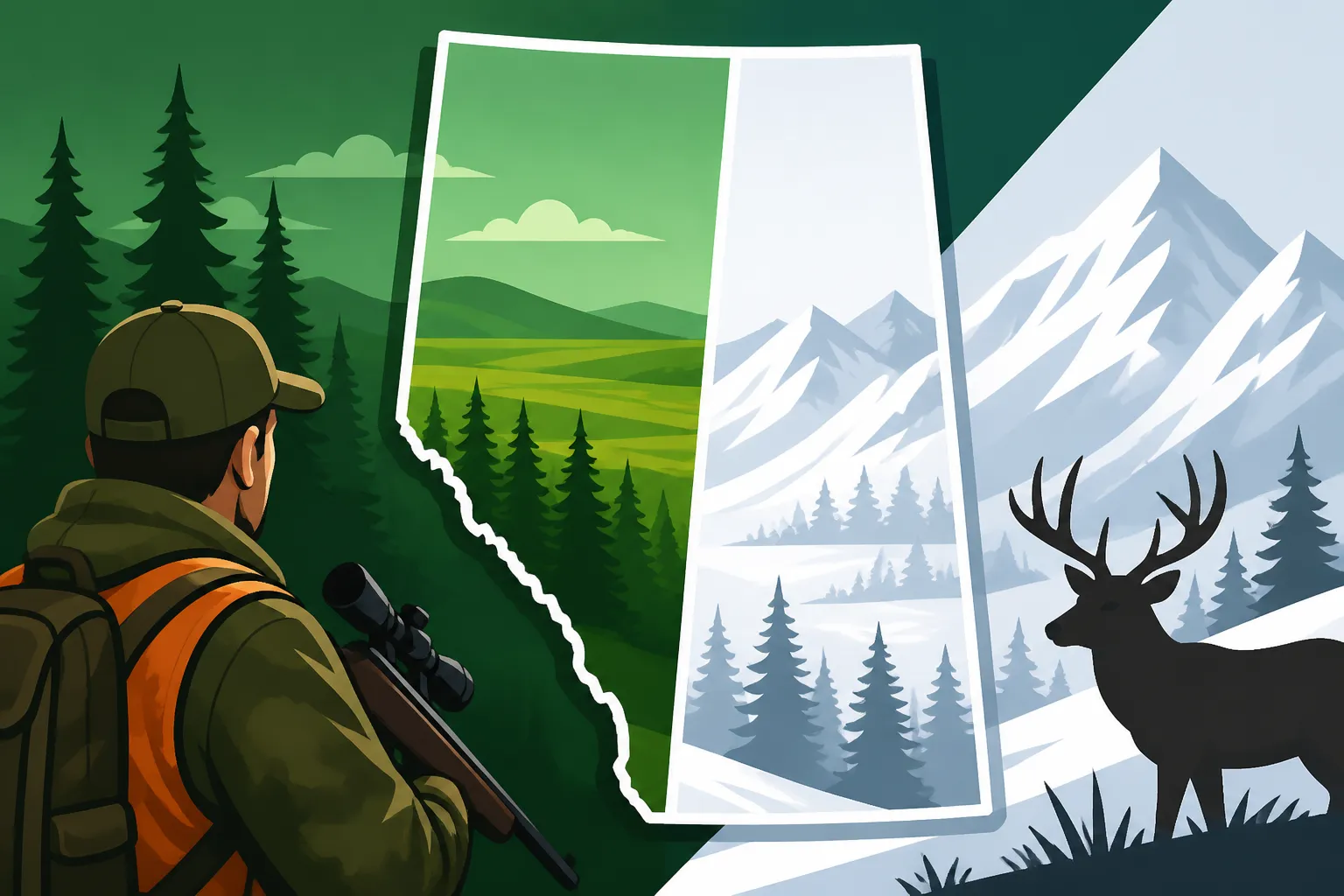
Alberta's land is broadly categorized into two distinct areas: the Green Area and the White Area. This system isn't just about the colour on a map; it's a fundamental framework that dictates land use, management, and, crucially, hunting regulations. Understanding this division is the first step to becoming a more informed and successful hunter in the province. Without this knowledge, you might find yourself unknowingly in violation of regulations or missing out on prime hunting opportunities.
The Genesis of Green and White: Historical Context
The distinction between Green and White Areas in Alberta dates back decades, rooted in the province's historical development and resource management strategies. The White Area, broadly speaking, encompasses the lands that were historically settled and developed for agriculture. These were the fertile plains and parklands where pioneers established farms, ranches, and towns. The focus here was on private land ownership, cultivation, and the growth of communities. Wildlife management in these areas often had to contend with agricultural interests and the rights of private landowners.
Conversely, the Green Area was designated as the province's primary forest and public land resource. These are the vast, undeveloped tracts of boreal forest, foothills, and mountain regions that were deemed unsuitable or uneconomical for extensive agricultural settlement. The primary focus of management in the Green Area was, and remains, forestry, watershed protection, recreation, and wildlife conservation on a larger, more ecological scale. This historical division set the stage for the distinct hunting rules and access considerations we see today.
The Core Difference: Use and Management Philosophies
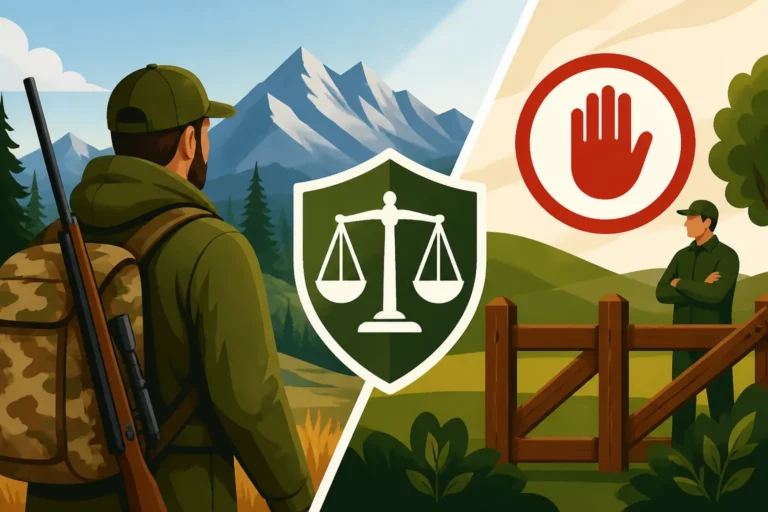
At its heart, the Green Area represents Alberta's public, forested lands primarily managed for timber, water, and wildlife, while the White Area encompasses agricultural and settled lands, predominantly under private ownership. This difference in primary land use drives everything else. In the White Area, private property rights are paramount. Hunting access almost always requires explicit permission from the landowner, and without it, you are trespassing. The landscape is a patchwork of cultivated fields, pastures, and small woodlots, interspersed with homes and outbuildings.
The Green Area, on the other hand, is largely Crown Land. While there are regulations, permits, and specific zones to be aware of, the general philosophy is that these lands are available for public use, including hunting, subject to specific rules. Here, you'll find expansive forests, mountainous terrain, and remote wilderness. The challenges are more about navigation, logistics, and understanding the specific Public Land Use Zones (PLUZs) rather than securing permission from individual landowners. This fundamental difference in ownership and management is crucial for any hunter planning a trip to Alberta.
Diving Deeper into the White Area: Agriculture and Private Land
The White Area of Alberta is where most of the province's population resides and where the majority of agricultural activity takes place. For hunters, this means navigating a landscape dominated by private property, which comes with its own set of unique opportunities and significant challenges. It's a different kind of hunt than what you might imagine in vast wilderness.
Defining the White Area: Farm Fields and Settlements
The White Area stretches across much of central and southern Alberta, encompassing the rich agricultural belt, the parkland transition zone, and the areas surrounding major urban centers like Edmonton, Calgary, and Lethbridge. Visually, think of endless grain fields, cattle pastures, scattered farmsteads, shelterbelts, and the occasional small town or hamlet. Even within this designation, you'll find small pockets of native prairie or aspen bluffs that haven't been cultivated, but they are almost always privately owned. This is prime habitat for species like white-tailed deer, coyotes, and various game birds. While it may not look like traditional "hunting country" to some, it holds incredible potential for those who understand how to access and hunt it respectfully.
Hunting on Private Land within the White Area
The golden rule for hunting in Alberta's White Area is simple: you must obtain permission from the landowner before stepping foot on private property. This isn't just a courtesy; it's the law. Alberta Landowner Permission Law is very clear on this point. Many hunters find this daunting, but it's a skill that can be developed. Knocking on doors, being polite, and offering to help with tasks on the farm can go a long way. Building a relationship with a landowner can open up incredible hunting opportunities for years to come. Remember, landowners often deal with trespassing, garbage, and irresponsible behaviour, so presenting yourself as a respectful, responsible hunter is paramount. Showing up with a pre-printed permission slip and being ready to show your licenses and WIN card can make a good first impression.
Once you have permission, the hunting can be fantastic. White-tailed deer thrive in this environment, using the cover of aspen bluffs, river bottoms, and shelterbelts for bedding, and venturing into fields to feed. Mule deer are also present, particularly in the more broken, coulee country of the White Area. Waterfowl and upland birds also make extensive use of agricultural lands. The challenge here often isn't finding game, but finding the access.
Navigating Access and Permission: Challenges and Strategies
Getting permission is often the biggest hurdle in the White Area. It requires time, effort, and a thick skin for rejection. One strategy is to start well before the season, perhaps in the summer, to introduce yourself without the immediate pressure of hunting. Offer to help with chores, check fences, or simply chat. Some hunters even send handwritten letters introducing themselves and their intentions. Another effective method is to focus on smaller landowners or those who might not have hunters already. Farmers who have experienced crop damage from deer, for example, might be more amenable to allowing hunters.
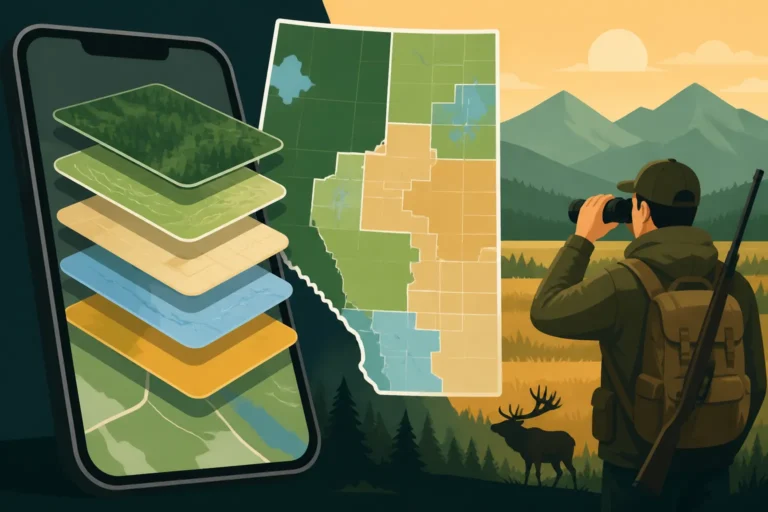
Using digital mapping tools like onX Hunt or GoHunt can be invaluable here. These platforms overlay property ownership information onto satellite imagery, allowing you to identify landowners, see property boundaries, and pinpoint potential access points. You can even save maps for offline use, which is critical in areas with spotty cell service. This allows you to approach the correct person, understand the layout of their land, and discuss specific areas you'd like to hunt. Always remember to clarify boundaries, what species you're allowed to hunt, and any specific rules the landowner might have (e.g., no driving in wet fields, stick to certain areas). Respect their land as if it were your own, and always follow up with a thank-you, perhaps even sharing some wild game.
Exploring the Green Area: Forested and Public Domain
Moving away from the agricultural heartland, Alberta's Green Area offers a stark contrast: vast, largely undeveloped public lands, covered in forests, mountains, and northern wilderness. This is where many hunters envision their adventures, seeking the solitude and challenge of backcountry hunting.
Defining the Green Area: Forests, Foothills, and Boreal Regions
The Green Area covers approximately 60% of Alberta's landmass, extending from the northern boreal forests, through the central foothills, and up into the majestic Rocky Mountains. This is Alberta's Crown Land, managed by the provincial government. It's characterized by dense stands of spruce, pine, and aspen, winding rivers, countless lakes, and rugged topography. Wildlife in these areas includes moose, elk, black bears, bighorn sheep, mountain goats, and a variety of upland birds and waterfowl. Access generally means forestry roads, cutlines, and undeveloped trails. This is the country for those who love to hike, backpack, or use ATVs to get away from the crowds. Hunting Alberta's Crown Land is a truly unique experience.
General Hunting Rules and Expectations in the Green Area
Hunting in the Green Area comes with its own set of regulations and expectations. While you generally don't need explicit permission to hunt on Crown Land, you do need to understand the various designations and rules that apply. This includes specific Wildlife Management Unit (WMU) regulations, hunting season dates, weapon restrictions, and limitations on vehicle use. For instance, some areas may be restricted to archery only during specific periods, or certain types of vehicles may be prohibited off designated trails.
Always check the current Alberta hunting regulations for the specific WMU you plan to hunt. These regulations outline the legal shooting hours, bag limits for different species, and any special conditions that might apply. Being prepared means not just having your gear, but also having a thorough understanding of the rulebook. Respect for the environment is paramount; pack out everything you pack in, leave no trace, and be mindful of other users like hikers, campers, or trappers.
Understanding Public Land Use Zones (PLUZs) and Their Impact
Within the larger Green Area, there are specific designations known as Public Land Use Zones, or PLUZs. These are areas with specific management plans that often include stricter rules regarding recreational activities, including hunting. For example, some PLUZs might have restrictions on random camping, campfires, or off-highway vehicle (OHV) use. The intent behind PLUZs is to manage high-use areas, protect sensitive ecosystems, or reconcile competing land uses.
Examples include the Kananaskis Country PLUZs, Ghost PLUZ, and the Livingstone-Porcupine Hills. Each PLUZ has its own detailed map and set of regulations, and it's absolutely critical to familiarize yourself with them before you go. What might be allowed in one part of the Green Area could be prohibited in a PLUZ. Ignoring PLUZ rules can lead to significant fines or even loss of hunting privileges. Digital mapping tools are particularly useful here for identifying PLUZ boundaries and understanding allowed activities. Always cross-reference your digital map with official government resources, as boundaries and regulations can occasionally be updated. Alberta's Public Land Use Zones offers a more in-depth look at these crucial areas.
Key Differences in Hunting Regulations and Opportunities
The Green and White Areas aren't just geographically distinct; they offer vastly different hunting experiences, shaped by varied regulations, game populations, and access considerations. Understanding these nuances is key to selecting the right area for your hunting goals.
Season Dates and Bag Limits: Varying by Area
One of the most significant differences between hunting in the Green and White Areas lies in the season dates and bag limits. Often, general season dates for big game in the White Area (primarily agricultural and settled regions) might be longer, or open earlier, especially for species like white-tailed deer. This is partly due to the higher deer populations in some agricultural zones and efforts to manage conflicts with farming operations. For instance, some White Area WMUs may have extended archery seasons or additional antlerless deer opportunities.
Conversely, some Green Area WMUs, especially those in more remote or sensitive ecosystems, might have shorter seasons, later openings, or specific draw requirements for certain species. Species like moose, elk, and mountain goats, which are primarily found in the Green Area, are often managed through special licence draws due to more limited populations or habitat, while bighorn sheep are managed through a mix of draws (such as the resident class 2 draw 29 and the special WMU class 1 draws) and directly purchased class 1 licences for residents. Always consult Alberta Big Game Season Dates for the specific WMU you intend to hunt, as dates and rules can change even year to year. Never assume the rules are the same across the province.
Game Species Distribution and Habitat Differences
The type of game you'll primarily pursue also differs greatly between the Green and White Areas. The White Area is a stronghold for White-Tailed Deer, Alberta's Most Hunted Big Game. Their habitat of aspen bluffs, river corridors, and cropland offers abundant food and cover. You'll also find a good density of coyotes and plenty of game birds like Hungarian partridge and pheasants, often concentrated around farm structures and shelterbelts. While mule deer are present, they tend to stick to the more broken terrain and coulees within the White Area.
The Green Area is where you'll find the larger, more wilderness-dependent species. This is the domain of Moose Across Alberta's Boreal and Foothills, Elk in Alberta's Mountains and Farmland, and Black Bears in Alberta's Forests and Foothills. Up in the high country, the Green Area offers opportunities for specialized hunts for bighorn sheep and mountain goats, often requiring significant physical exertion and specialized gear. Predator hunting for wolves is also more prevalent in the Green Area, particularly in the northern forests. The sheer scale and ruggedness of the Green Area often means game populations are more dispersed, requiring more extensive scouting and hunting efforts.
Weapon Restrictions and Safety Considerations
Weapon restrictions can also vary, though less dramatically than season dates. Generally, the legal firearms and bows for big game are consistent across the province. However, in some localized White Area settings, particularly near populated areas or within specific municipal bylaws, there might be additional restrictions on discharging firearms or using certain types of bows. Always check local regulations in addition to provincial ones if you're hunting close to towns or subdivisions.
Safety considerations also shift between the two areas. In the White Area, safety often revolves around identifying your target with a clear backdrop, being aware of farm buildings, livestock, and other people who might be working or living nearby. Communication with the landowner is crucial to understand safe shooting lanes. In the Green Area, while you still need to be aware of other hunters and users, the primary safety concerns often shift to environmental hazards: navigating rugged terrain, encountering large predators like grizzly bears (where they exist), and being prepared for rapidly changing weather conditions. Hunting Alberta Winter Weather Safely becomes particularly important in the Green Area.
Strategic Planning for Your Alberta Hunt: Green vs. White
Effective planning is the cornerstone of any successful hunt, and it's especially critical in Alberta given the distinct characteristics of the Green and White Areas. Your approach to scouting, access, and ethical conduct will differ significantly depending on where you choose to pursue game.
Scouting and Research: Tools and Techniques for Each Area
Scouting is fundamental, but how you go about it changes drastically. For the White Area, pre-season scouting often involves driving rural roads, glassing fields from public roadways, and, most importantly, identifying potential landowners to approach for permission. This is where digital tools truly shine. Platforms like onX Hunt and GoHunt provide detailed satellite imagery, property boundaries, and landowner information. You can use these to identify woodlots, coulees, and shelterbelts that hold deer, and then pinpoint the property owner to contact. Scouting With Satellite Imagery in Alberta is an absolute game-changer for this type of hunting. A good strategy is to note properties with good habitat and then start making calls or knocking on doors well in advance of the season, even in the late summer, to build rapport.
For the Green Area, scouting often means getting boots on the ground, or wheels off-road. Hiking into remote areas, exploring old logging roads, and looking for fresh sign (tracks, rubs, scat) is key. Again, digital maps are indispensable for understanding topography, identifying potential game corridors like cutlines and old seismic lines, and locating water sources. You'll want to layer WMU boundaries, PLUZ zones, and potential access roads. Understanding elevation changes and potential bedding areas is also crucial. While you might not need to talk to a landowner, understanding where other hunters might concentrate or where you can find solitude is part of the scouting process. Reading an Alberta WMU Map Before You Go and using digital aids together can give you a significant advantage.
Accessing the Land: Practical Considerations
Access in the White Area, as discussed, is primarily about securing landowner permission. Without it, there is no access, full stop. Even if you have permission, you might be restricted to certain entry points or asked not to drive on wet fields. Always clarify these details upfront. Parking might be at the farmyard or a designated spot along a road. Respect for the landowner's property is paramount; never block gates or drive through fields without explicit permission.
In the Green Area, access often involves navigating gravel forestry roads, ATV trails, or even hiking into true backcountry. Road conditions can vary wildly, from well-maintained main arteries to overgrown tracks requiring a 4×4 or ATV. Some areas might have gates that are open during certain seasons or require specific passes. Always check for current road closures, especially during wildfire season or due to logging operations. You also need to consider how far you're willing or able to go on foot. For remote areas, packing in gear for several days, including food and water, becomes a significant logistical challenge. Understanding vehicle restrictions in PLUZs or other sensitive areas is critical to avoid fines. Quad and Side-by-Side Rules on Crown Land vary.
Respecting the Land: Ethical Hunting Practices
Regardless of whether you are hunting in the Green or White Area, ethical hunting practices are non-negotiable. This includes:
- Fair Chase: Upholding the principles of fair chase, which means giving the animal a reasonable chance and not pursuing game in an unsporting manner (e.g., from a vehicle).
- Target Identification: Being absolutely certain of your target and what lies beyond it before taking a shot. This is especially vital in the White Area where homes, livestock, and people are more common.
- Meat Care: Properly field dressing and caring for your game immediately after the harvest to ensure the meat is not wasted. This is not just ethical, but often a legal requirement in Alberta. Meat Care in Alberta's Cold and Warm Swings is critical to learn.
- Leaving No Trace: Packing out all garbage, shell casings, and anything else you brought in. Leave the land as you found it, or better. This is especially true for backcountry Green Area hunts.
- Respect for Wildlife: Avoiding unnecessary disturbance of wildlife outside of hunting, and understanding local populations.
- Following Regulations: Adhering to all provincial and local hunting regulations, season dates, and bag limits without exception.
These principles ensure that hunting remains sustainable, respectful, and continues to be viewed positively by both landowners and the general public.
Here's a quick comparison table to help visualize the differences:
| Feature | White Area (Agricultural/Settled) | Green Area (Forested/Public) |
|---|---|---|
| Primary Land Type | Private agricultural land (farms, ranches), settled areas | Public Crown Land (forests, mountains, boreal wilderness) |
| Access Requirement | Mandatory landowner permission for private land | Generally open public access, but check specific regulations/PLUZs |
| Dominant Game Species | White-tailed deer, coyotes, Hungarian partridge, pheasants, some mule deer | Moose, elk, black bears, bighorn sheep, mountain goats, wolves, ruffed grouse, spruce grouse |
| Hunting Pressure | Highly variable; depends on private land access and relationships | Can be high on accessible roads, lower in remote backcountry |
| Terrain | Flat to rolling hills, open fields, small woodlots, river valleys | Dense forests, rugged mountains, boreal muskeg, foothills |
| Season Lengths | Often longer general seasons, more antlerless opportunities for deer | Can be shorter, more draw-dependent for certain species and areas |
| Key Challenges | Obtaining permission, respecting private property, limited cover | Navigating remote terrain, physical demands, wildlife encounters, understanding PLUZs |
| Scouting Methods | Road cruising, digital mapping (landowner info), door-knocking | Hiking, ATV exploration, digital mapping (topography/access) |
Common Misconceptions and Troubleshooting
Even with a solid understanding of the Green and White Areas, hunters often encounter specific situations or hold certain beliefs that can lead to frustration or even legal issues. Let's address some of these common misconceptions and offer troubleshooting tips.
The Myth of "Public Means Free-for-All"
One of the most persistent misconceptions, particularly among new hunters or those new to Alberta, is the idea that "public land" in the Green Area means a free-for-all with no rules. This couldn't be further from the truth. While Crown Land generally allows public access, it is far from unregulated. As we've discussed, Alberta's Public Land Use Zones (PLUZs) have specific rules regarding vehicle access, camping, and even hunting methods. Furthermore, while the land is public, there are still rules about what you can build or leave on it; you can't just set up a permanent camp or leave a treestand year-round without checking regulations.
Even outside PLUZs, common sense and courtesy dictate respectful behaviour. Other users—hikers, mountain bikers, trappers, even other hunters—have just as much right to be there. Showing respect for others and for the natural environment ensures that these public lands remain accessible for all. Always check the current regulations for the specific WMU you're in, and if in doubt, err on the side of caution.
Dealing with Ambiguous Boundaries
Sometimes, especially in transition zones or where mapping data might be less precise, hunters can find themselves questioning whether they're on public or private land. This is a real headache and a situation where a digital mapping tool like onX Hunt, with its detailed land ownership layers, becomes absolutely essential. While not always 100% perfect, these tools are generally very accurate and provide the best available information in the field.
If you find yourself in an ambiguous area, always assume it's private land until proven otherwise. This is the safest approach to avoid trespassing. If you're physically on the ground and unsure, retreat to a clearly identifiable public area. If you suspect a boundary is incorrect on your map, report it to the map provider and consult official government maps or the land titles office for definitive answers if necessary. It's far better to miss out on a potential hunting spot than to face trespassing charges or anger a landowner.
What to Do When Regulations Seem Conflicting
Occasionally, a hunter might encounter what seems like conflicting information between different sources (e.g., a general regulation document versus a specific WMU addendum, or an online forum post versus the official government website). When this happens, always, always, defer to the official Alberta hunting regulations handbook and the Alberta Environment and Protected Areas (AEPA) website. These are the primary legal sources. Information found on social media, forums, or even well-meaning friends, while often helpful, should always be verified against official sources.
If you have a genuine question or believe there's a discrepancy, the best course of action is to contact an Alberta Fish and Wildlife officer directly. They are the authoritative source for interpreting regulations and can provide clarification specific to your situation. Never proceed with a hunt based on unverified information if you have doubts, as "I didn't know" is generally not an acceptable defense for a violation. Staying informed and proactive is your best defense against unintended legal trouble.
Alberta's Green Area and White Area in Practice: A Hunter's Perspective
Let's put all this theoretical knowledge into a practical context. What does hunting in the Green Area versus the White Area actually feel like? What kind of experiences can you expect? It’s not just about different rules; it’s about different adventures.
A Typical White Area Hunt: The Farm Field Experience
Imagine a crisp October morning in Alberta's central parkland. You've spent weeks knocking on doors, and finally, a kind farmer has given you permission to hunt a few quarter sections bordering an aspen bluff that frequently holds deer. You arrive pre-dawn, carefully parking your truck where the farmer showed you, well off the main field. Your gear is minimal: a rifle, binoculars, rangefinder, and a small pack. You've agreed to only still-hunt or use a ground blind tucked into a fenceline, avoiding the standing crops.
As the sun peeks over the horizon, painting the sky in hues of orange and purple, you slowly walk the edge of the aspen bluff, scanning the field for movement. You might hear the distant lowing of cattle or the hum of a truck on a nearby highway, reminders that you're hunting amidst human activity. The challenge isn't just finding a deer, but finding one that offers a safe, ethical shot away from buildings or livestock. You might spot a group of does moving into the bush from a pea field, or see a coyote slinking along a treeline. Later, perhaps you hear distant rattling or calling from another hunter (with permission, you hope!). This hunt often involves patience, stealth, and a keen eye for deer sign in fragmented cover. Success often comes from knowing the deer's patterns between bedding cover in the bluffs and feeding areas in the fields. Hunting a Standing Canola Field Edge or Hunting a Swathed Grain Field at Dusk are classic White Area scenarios.
A Typical Green Area Hunt: Backcountry Adventures
Now, picture yourself in the foothills of the Rockies, deep in the Green Area. You’ve packed in a sturdy wall tent or even just a lightweight backpacking tent several miles from the nearest forestry road. Your hunt for Elk in Alberta's Mountains and Farmland or Moose Across Alberta's Boreal and Foothills has been planned for months, involving detailed map study and a focus on physical fitness. The air is cold and carries the scent of pine. Silence reigns, broken only by the rustle of leaves or the distant sound of a crow.
You wake before light, cook a simple breakfast over a portable stove, and head out with a heavy pack, prepared for a full day of hiking. The terrain is rugged – steep climbs, thick timber, and creek crossings. Your focus is on glassing clearcuts, listening for bugles, or picking through dense bush for fresh tracks. You might encounter other hunters, but they are often few and far between, similarly immersed in their own backcountry quests. The sheer effort of getting into this country means any game taken will be a true testament to your grit. Packing out an animal here is a monumental task, often requiring multiple trips or specialized equipment. The reward isn't just the animal, but the profound sense of accomplishment and connection to the wilderness. Hunting a Foothills Bench Above a Creek or Hunting an Old Logging Road in the Foothills are common Green Area tactics.
Hybrid Hunts: Blending Both Worlds
It's also worth noting that many hunters find success by combining strategies from both Green and White Areas. For instance, you might start your season in the White Area, focusing on archery deer opportunities while waiting for the general rifle seasons to open in the Green Area for elk or moose. Or, you might target waterfowl in the agricultural White Area fields and then spend a weekend in the Green Area pursuing upland birds.
Some WMUs even straddle the line, containing both private agricultural lands and pockets of Crown Land. These transition zones can be incredibly productive, as game animals often move between the food sources of the White Area and the security cover of the Green Area. This requires an even more refined understanding of land boundaries, access rules, and the behaviour of the game species you're pursuing. Being adaptable, knowledgeable, and respectful of all land designations will serve you well, no matter where your Alberta hunting adventures take you.
Disclaimer
This article is for general informational purposes only and does not constitute professional advice. Laws, prices and regulations vary by location and change over time. Consult a qualified professional for guidance on your specific situation.