What Alberta’s Trespass Act Requires
It's happened to every hunter in Alberta at some point: you're walking along, eyes glued to the horizon, tracking a fresh sign, and suddenly you spot it – a "No Trespassing" sign staring back at you from what you thought was public land. That sinking feeling in your gut? It's real, and it's why understanding Alberta's Trespass Act isn't just a good idea, it's absolutely essential for any responsible hunter venturing into our diverse landscapes. This guide will help you navigate the nuances of land access, ensuring your hunts are legal, ethical, and free from unwanted legal headaches.
Understanding the Basics of Alberta's Trespass Act
The Alberta Trespass Act is designed to protect landowners' rights and clearly define what it means to enter or remain on private property without permission. For hunters, this isn't just about avoiding a fine; it's about maintaining a respectful relationship with the land and the people who own or manage it. Getting this wrong can quickly turn a fantastic hunting trip into a frustrating and costly legal battle.
What Constitutes Trespassing in Alberta
Simply put, trespassing in Alberta means being on someone else's property without their consent. This isn't just about fenced-off ranch land or clearly marked private quarter sections. It extends to all private land, whether or not it's explicitly posted. The Act makes it clear that if you don't have permission, you shouldn't be there. This can be a huge source of anxiety for hunters, especially when navigating areas where land ownership might not be immediately obvious, like checkerboarded public and private parcels or properties that haven't been meticulously signed.
Consent can be either implied or explicit. Implied consent might come from historical access, but it's always safer for hunters to seek explicit permission. Explicit consent is clear, direct approval from the landowner. This could be a handshake, a phone call, or, ideally, a written note. We'll delve deeper into getting permission later, but for now, remember that the burden of proof is often on the person on the land to show they have permission. Knowing this upfront helps mitigate many potential conflicts. This is particularly true when you are trying to understand what you can and cannot do on different types of land, from deeded private property to Crown land and the various types of leases that exist in Alberta.
The Importance of Knowing Your Boundaries
In today's hunting world, "ignorance is no excuse" when it comes to land boundaries. It’s absolutely critical to know exactly where you are at all times. Modern tools have made this easier than ever, but it still requires diligence. The consequences of not knowing range from a stern lecture from a landowner to significant fines, confiscation of equipment, and even loss of hunting privileges. Imagine you're deep in the bush, following a game trail, only to realize you've crossed an unmarked property line into a landowner's private sanctuary. That's a scenario no one wants to face.
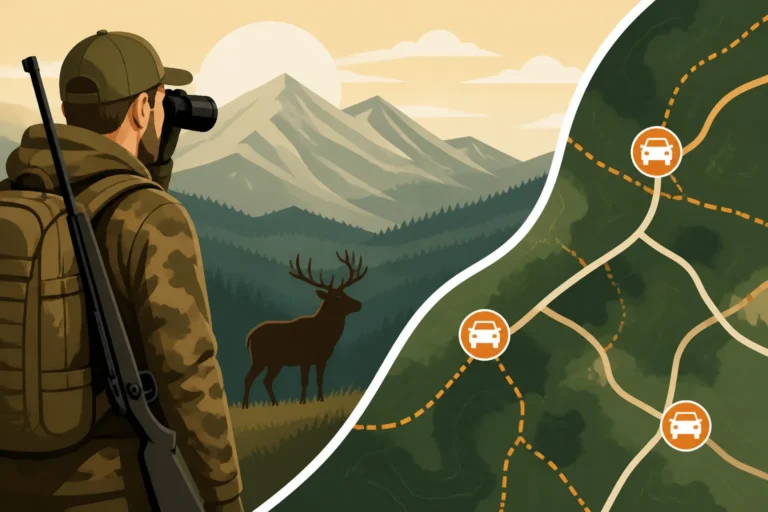
This is where technology really shines. Tools like onX Hunt and GoHunt provide invaluable satellite imagery and property line overlays directly on your phone or GPS device. Spending time Scouting With Satellite Imagery in Alberta before your hunt, marking potential access points and known private parcels, can save you a world of trouble. These apps can display Reading Alberta's Crown Land Layers on onX, helping you differentiate between deeded land, Crown land, and various lease types. Even a good old-fashioned land ownership map, cross-referenced with your physical location, is better than nothing. The more you know about the land you're traversing, the safer and more confident your hunt will be. It's not just about avoiding trouble; it's about respecting the land and ensuring future access for all hunters.
Navigating Private Land Access for Hunters
Hunting on private land in Alberta offers incredible opportunities, from prime whitetail habitat on agricultural fields to hidden mule deer pockets in broken coulees. However, these opportunities come with a strict requirement: you must have permission. There's no way around it.
The Requirement for Landowner Permission
For any private land, whether it's a small treed lot or thousands of acres of ranchland, explicit permission from the landowner or their authorized representative is non-negotiable. This is perhaps the most fundamental aspect of ethical and legal hunting in Alberta. Many hunters get discouraged by the thought of asking, but a polite, respectful approach often yields positive results. The key is to be upfront, clearly state your intentions, and respect their decision, whatever it may be.
Ideally, permission should be in writing. A simple text message, an email, or even a signed note stating who has permission, for what dates, for what species, and what activities (e.g., hunting, scouting, retrieving game) can prevent misunderstandings down the road. Verbal permission is legally binding, but without a witness or a recording, it can be your word against theirs if a dispute arises. Think about it: if you call a farmer on the phone, they might forget who you are two months later. Having something tangible provides clarity for both parties. Remember, even if you’ve hunted a piece of land for years, re-establishing contact annually is a good practice. Land ownership can change, or a landowner's feelings about hunting access might evolve. For more tips on how to approach this, check out Asking an Alberta Landowner for Permission or Knocking on Doors in Alberta Farm Country.
Identifying "Posted" Land and Signage
Alberta's Trespass Act specifies what constitutes properly "posted" land. While all private land is considered private and requires permission, signs reinforce this and make it crystal clear to anyone approaching. According to the Act, "no trespassing" signs must be visible at customary points of access, such as gates, fence lines, and main entrances. They typically need to be of a certain size and placed at regular intervals along a boundary, though exact specifications can sometimes vary.
However, a critical point that many hunters misunderstand is this: even if land is not posted, it is still private property, and you still need permission to be on it. The absence of signs does not grant implied permission. Signs simply serve as a further warning and make it easier for landowners to demonstrate that a person "ought to have known" they were trespassing. Always assume land is private unless you have verified it as Crown land. It’s far better to assume you need permission and ask, than to assume you don't and face the legal repercussions. For a detailed breakdown of what to look for, refer to Alberta Posted Land and Signage Rules.
Rules for Hunting on Crown Land and Leases
While private land hunting requires explicit permission, Alberta's vast expanses of Crown land offer many more opportunities for public access. However, "public access" doesn't mean "anything goes." There are still specific regulations and nuances that hunters must understand to stay on the right side of the law.
Public Access on Crown Land
Generally speaking, Alberta's Crown land is open for public recreational use, including hunting, without needing specific individual permission from the provincial government. This is a huge benefit for resident hunters. However, "general public access" isn't a blank cheque. There are numerous rules and regulations that govern how you can use Crown land. For example, some areas are designated as Public Land Use Zones (PLUZs), which have their own specific rules regarding vehicle use, camping, and even hunting methods. Some Crown land may be seasonally closed, or restricted due to fire bans, forestry operations, or wildlife management initiatives.
It’s crucial to know the specific regulations for the Wildlife Management Unit (WMU) you plan to hunt in, and any special designations for the particular piece of Crown land. You can usually find this information in the annual hunting regulations or by using online mapping tools that layer these restrictions. Being informed about Hunting Alberta's Crown Land and Alberta's Public Land Use Zones Explained will make a world of difference in your planning and execution. Always verify current restrictions before you head out, as they can change without much notice, especially in wildfire-prone areas or during periods of high recreational use.
Understanding Grazing Leases and Cultivated Land on Crown
This is perhaps one of the most confusing areas for hunters trying to navigate land access in Alberta. Many large tracts of Crown land are leased to ranchers for grazing cattle. These are known as grazing leases. The critical point here is that while the land is Crown land, the leaseholder has certain rights and responsibilities that affect public access.
Under Alberta's Recreational Access Regulation, on most grazing leases, you do not need permission for general foot access for activities like hiking, birdwatching, or fishing. However, for hunting big game, or for using off-highway vehicles (OHVs) for any recreational purpose, you do need the leaseholder's permission. This distinction is vital for hunters. If you're on a grazing lease and hunting deer or elk, you need permission. If you're using your quad to access a hunting spot, you need permission. If you're walking up upland birds and not driving off a main trail, you might not need explicit permission for the walking portion, but it's always best practice to seek it out of courtesy and to avoid any misunderstandings.
Another layer of complexity comes with cultivated Crown land. This is Crown land that has been broken and is actively farmed for crops. For any activity on cultivated Crown land, you always need the permission of the leaseholder. There are no exceptions for general recreational access here.
The best way to navigate grazing leases and cultivated Crown land is to identify the leaseholder and contact them directly. The province provides resources like the Using Alberta's Recreational Access Mapping Tool which can help you find leaseholder contact information. For a deeper dive into how these leases work and how to approach leaseholders, check out Getting Access to an Alberta Grazing Lease. Respecting these arrangements is vital to maintaining good relations between hunters and agricultural producers.
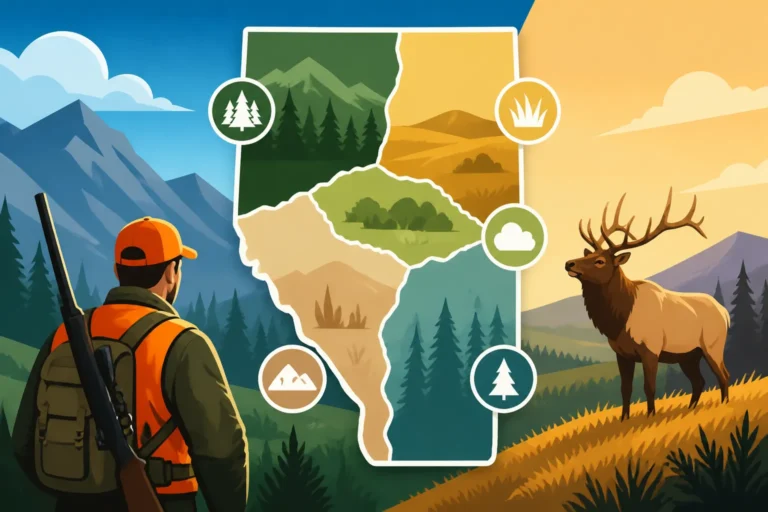
Here's a quick summary table to help clarify the nuances of various land types in Alberta:
| Land Type | Permission Required (General Access) | Permission Required (Hunting Big Game) | Permission Required (OHV Use) | Key Considerations |
|---|---|---|---|---|
| Private Land | YES (Always) | YES (Always) | YES (Always) | Explicit consent, ideally written. Posted or unposted. |
| Crown Land (General) | NO (Generally) | NO (Generally) | YES (Often Restricted) | Check WMU rules, PLUZs, seasonal closures. |
| Crown Land (Grazing Lease – Uncultivated) | NO (Foot access for non-OHV, non-big game activities) | YES (For Big Game) | YES | Contact leaseholder for big game hunting or OHV use. |
| Crown Land (Grazing Lease – Cultivated) | YES | YES | YES | Always contact leaseholder for any access. |
Consequences and Best Practices for Hunters
Ignoring Alberta's Trespass Act and associated land access rules isn't just a minor inconvenience; it carries significant legal and ethical weight. Understanding the potential repercussions and adopting best practices will help ensure your hunting experiences remain positive and sustainable for everyone.
Penalties for Trespassing
The legal penalties for trespassing in Alberta can be quite severe. Under the Trespass Act, individuals found guilty of trespassing can face substantial fines. While specific amounts can vary depending on the nature of the trespass and any accompanying offenses, they are generally designed to be a significant deterrent. Furthermore, a trespass conviction can also lead to the confiscation of hunting equipment, including firearms, bows, and even vehicles if they were used in the commission of the offense. Perhaps most concerning for a dedicated hunter, a trespass conviction could also result in the loss of hunting privileges, either temporarily or permanently, making it impossible to obtain future licenses.
Beyond the Trespass Act, if other offenses like hunting without a license, discharging a firearm unsafely, or property damage occur in conjunction with trespassing, the penalties can escalate dramatically. The combined legal consequences can quickly become a tangled, expensive mess. It’s also worth noting that civil action could be taken by a landowner, even if criminal charges aren't laid or are dismissed. The hassle and stress of dealing with legal proceedings are enough to ruin anyone's hunting season, or even their entire year. For more specific details on the legal ramifications, be sure to review Alberta Penalties for Hunting Violations. It's a stark reminder of why adherence to these rules is paramount.
Best Practices for Responsible Access
Being a responsible hunter in Alberta means more than just knowing the rules; it means actively embodying a code of conduct that fosters respect and ensures future opportunities. Here are some best practices to live by:
- Always Verify Land Ownership: Never assume land is public or that you have permission. Use reliable mapping apps like onX Hunt or GoHunt to cross-reference your location with property lines. These tools are invaluable for Finding Alberta Public Land Boundaries in real-time. If there's any doubt, err on the side of caution and either find an alternative route or seek explicit permission.
- Get Explicit Permission, Preferably Written: For private land, a polite conversation is a great start, but try to get something in writing – a text, an email, or a signed note. It protects both you and the landowner.
- Be a Good Ambassador: When speaking with landowners or leaseholders, be respectful, polite, and understanding. Many farmers and ranchers are busy, and they appreciate hunters who are considerate of their land and livelihood. Offer to close gates, report any issues you see (like broken fences or lost cattle), and leave no trace.
- Understand Leaseholder Rights: On grazing leases, always contact the leaseholder if you plan to hunt big game or use an OHV. Even if not legally required for general foot access, a courtesy call can build goodwill. Remember, What a Leaseholder Can and Cannot Refuse under the Recreational Access Regulation is important to know.
- Respect "No Trespassing" Signs: If you see a sign, respect it. It's a clear indication that the landowner does not want uninvited guests.
- Leave Gates as You Find Them: Whether open or closed, ensure gates are left in the same state you found them. This prevents livestock from escaping and respects the landowner's management practices.
- Plan Your Retrieval: If you harvest an animal that runs onto private land, you still need permission to retrieve it. This can be an awkward conversation, so have a plan and be prepared to ask politely and respectfully.
- Educate Yourself Continually: Regulations can change. Always consult the most current Alberta hunting regulations before each season. The more informed you are, the less likely you are to make a mistake.
By following these best practices, you not only protect yourself from legal trouble but also uphold the reputation of hunters as a whole. Being a responsible and respectful user of Alberta's lands ensures that our hunting heritage continues to thrive for generations to come.
Disclaimer
This article is for general informational purposes only and does not constitute professional advice. Laws, prices and regulations vary by location and change over time. Consult a qualified professional for guidance on your specific situation.