What a Leaseholder Can and Cannot Refuse
One of the most common frustrations for hunters in Alberta, especially when you're looking at those prime pieces of ground that aren't obviously Crown land, is navigating access to grazing leases. It's a tricky area, often misunderstood, and many hunters feel lost trying to figure out where they stand. This guide is here to shed some light on what a grazing leaseholder can and cannot legally refuse when it comes to recreational public access for hunting, helping you approach these situations with confidence and respect.
Understanding Alberta's Grazing Leases
When you're out scouting, you've probably driven past or seen on a map vast tracts of land that look like private farm fields but are actually designated as grazing leases. It's easy to get confused about who owns what, and what rights you have to be there. This distinction is absolutely crucial for any hunter in Alberta, as the rules for these lands differ significantly from both private land and general Crown land.
What Exactly is a Grazing Lease?
First off, let's clarify what a grazing lease actually is. In Alberta, a grazing lease is Crown land – land owned by the provincial government – that has been leased to an individual or company, typically for agricultural purposes, primarily livestock grazing. The leaseholder pays rent to the province and has certain rights and responsibilities regarding that land. They manage the grass, maintain fences, provide water, and, of course, run their livestock there. However, it’s not their land in the same way a farmer owns his deeded quarter section. It remains public land, with public access rights, even though a private individual is managing it for a specific purpose. This distinction is often the root of many misunderstandings between hunters and leaseholders, and it's vital to remember that while the leaseholder manages it, it's not exclusively theirs to deny access to without legitimate reason.
The Public's Right to Access
This is where things get interesting for us hunters. Because grazing leases are Crown land, the public generally retains the right to access them for recreational purposes, and hunting is explicitly one of those purposes. This right is enshrined in Alberta's legislation, specifically the Recreational Access Regulation under the Public Lands Act. It means that as long as you're acting lawfully and respectfully, you usually have a right to be on that land. This doesn't mean you can just barge in without a thought for the leaseholder's operations, but it does mean that a blanket "no" is often not legitimate. It’s a balancing act: the leaseholder has a right to conduct their business, and the public has a right to recreation. Knowing this fundamental principle is your first step in successfully Getting Access to an Alberta Grazing Lease. You'll often find these types of leases, alongside other public land options, in areas like the mixed aspen parkland, the prairie fringe, and even within the foothills, offering diverse hunting opportunities.
What a Leaseholder CAN Refuse
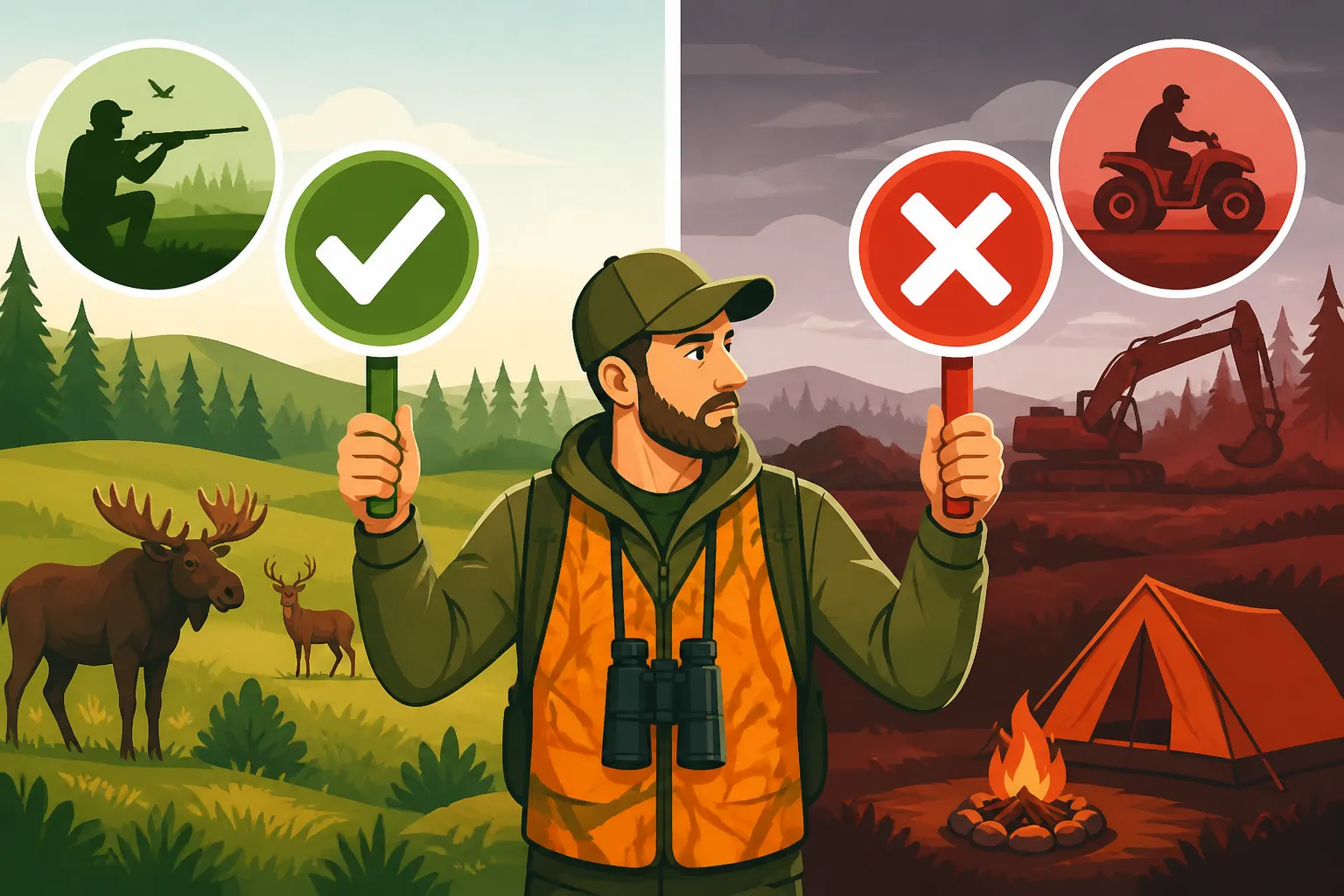
While the public generally has a right to access grazing leases, there are absolutely legitimate reasons why a leaseholder can and should refuse specific types of access or restrict certain activities. It’s not a free-for-all, and understanding these boundaries is key to being a responsible and respectful hunter. Ignoring these legitimate concerns not only risks legal trouble but also sours relations for all future hunters.
Safety Concerns and Livestock
The primary and most valid reason a leaseholder can refuse or restrict access is for public safety, especially concerning their livestock. If there are cattle calving, or if bulls are particularly aggressive, a leaseholder has every right to ask you to stay out of a certain area or to come back another time. Imagine a nervous cow with a newborn calf; a hunter suddenly appearing could easily spook the herd, leading to injury for the animals or even for the hunter. The leaseholder’s livelihood depends on the well-being of their animals, and their responsibility extends to ensuring public safety on the land they manage. They might refuse vehicle access to prevent vehicles from bogging down in wet pastures, which could lead to ruts or pose a hazard to livestock. They also have the right to refuse access if your presence would interfere with their active ranching operations, such as moving cattle or performing veterinary tasks. It's about minimizing risk and respecting their daily work.
Specific Operations and Improvements
Leaseholders invest time and money into their leases, including maintaining fences, water sources, and other infrastructure. They can refuse access if your presence or activity would interfere with these operations or damage their improvements. For example, if they've just seeded a new pasture, they might ask you to avoid that area to protect the young plants. They can also prevent activities that could damage fences, gates, or water troughs. Driving across a fence line rather than using a gate, or leaving a gate open, can cause significant problems for a rancher. They are responsible for these assets, and preventing damage is a perfectly valid reason to deny certain types of access or activity. They also have the right to ask you to park in a designated area, or to walk rather than drive, especially if ground conditions are wet or fragile.
Prohibited Activities
While hunting is generally allowed, certain methods or activities can be prohibited by the leaseholder. For instance, they can refuse permission to set up a permanent camp or build structures on the lease. They can also refuse specific hunting methods that pose a risk to their operations or livestock, such as using ATVs off existing trails or certain types of calling that might draw predators close to vulnerable livestock. Remember, while you have a right to access for recreation, you don't necessarily have a right to conduct any activity you wish. The leaseholder retains the right to manage the land for its primary purpose, which is grazing. This means activities that conflict with grazing, like target practice that might spook cattle, or leaving trash that could harm livestock, are legitimate grounds for refusal. They might also restrict access during certain hours, especially during peak farming activity, or ask you to only use established trails to minimize disturbance. Rules on Hunting From a Vehicle are also strictly enforced and often become a point of contention with leaseholders.
What a Leaseholder CANNOT Refuse (Under Normal Circumstances)
Understanding what a leaseholder can't legitimately refuse is just as important as knowing their rights. Many hunters, especially those new to Alberta, often shy away from asking for access to grazing leases because they assume it's private land and they’ll be turned away. That's simply not always the case. Knowing your rights empowers you to have a productive conversation.
Access for Lawful Recreational Use
The core principle here is that grazing leases are Crown land, and lawful recreational use, which includes hunting, is generally permitted. A leaseholder cannot simply issue a blanket denial of access for hunting solely because they don't want hunters on the land, or because they feel it's "their" land. This is a common misconception. If you approach them respectfully, explain your intentions, and assure them you will respect their operations, they cannot legally refuse you simply because they dislike hunting or want the game for themselves. This isn't deeded private land. The Recreational Access Regulation protects public access, meaning a general "no hunting allowed" sign without specific, legitimate reasons (like those outlined in the previous section) is often unenforceable. This doesn't mean you can ignore them and just go, but it does give you leverage in a polite discussion.
Refusal Based on Discrimination
A leaseholder cannot refuse access based on discriminatory reasons. This includes discrimination based on your origin, gender, or any other personal characteristic unrelated to your conduct or the safety of their operations. If you feel you are being denied access for reasons that are not legitimate and fall into a discriminatory category, that is a serious issue that goes beyond simple land access. This sort of behavior is not only against the spirit of shared public land but is also illegal. This ensures that every member of the public, regardless of who they are, has an equal opportunity to access these lands for recreation, provided they adhere to all rules and behave responsibly.
Unreasonable Demands
Sometimes, a leaseholder might try to impose unreasonable conditions for access that go beyond what is necessary to protect their operations. For instance, they cannot demand payment for access, as the land is public. They also cannot demand that you hunt only specific animals, or that you share your harvest with them, unless this is part of a voluntary, mutually agreed-upon arrangement. While it's always good practice to offer to share, it's not a condition they can impose. They also cannot demand you sign away all your rights, or agree to conditions that are outside legal bounds. Their conditions for access must be reasonable and directly related to protecting their livestock, improvements, or operations. Any demand that feels excessive or outside the scope of land management responsibilities might be considered an unreasonable refusal.
Navigating Access: Best Practices for Hunters
Even with the legal right to access grazing leases, a respectful and well-prepared approach is always the best strategy. Building a good relationship with leaseholders can make your hunting experience much more pleasant and sustainable. After all, they are managing the land, and their cooperation can be invaluable.
Doing Your Homework Before You Go
Before you even think about knocking on a leaseholder's door, do your reconnaissance. Identify the specific WMU and pinpoint the grazing lease boundaries. Tools like onX Hunt or GoHunt are incredibly valuable for this, as they clearly show Crown land, grazing leases, and private land. Knowing exactly which parcels are grazing leases versus private deeded land helps you understand the access rules you're dealing with. Reading Alberta's Crown Land Layers on onX can save you a lot of time and potential headaches. Look for access points, existing trails, and try to get a sense of the terrain and potential animal movement. This preparation not only demonstrates your seriousness but also helps you frame specific, reasonable requests. You can also research the leaseholder's contact information beforehand, rather than just showing up unannounced.
Approaching the Leaseholder Respectfully
This cannot be stressed enough: courtesy goes a long way. Always seek out the leaseholder before entering the land, even if you technically don't have to for certain types of Crown land access. Introduce yourself, explain why you're there (e.g., "I'm hoping to hunt some deer in this WMU"), and ask about their operations. Inquire about their livestock, any specific areas to avoid, or preferred access routes. Offering to close gates, drive slowly, and report any issues you see (like downed fences) can build immense goodwill. A simple conversation, showing respect for their livelihood and knowledge of the land, can turn a potential refusal into a friendly welcome. Remember, they spend a lot of time on that land and often know the game patterns better than anyone. Treat them as a partner, not an obstacle. This is especially true for Asking a Grazing Leaseholder for Access, where a good first impression is crucial.
Documentation and Communication
When you do get permission, it can be a good idea to exchange contact information. If anything unexpected happens – a flat tire, getting stuck, or even seeing a large bull elk that they might be interested in – you can communicate. Some hunters even carry a small written agreement outlining the terms of access, which can prevent misunderstandings later. This isn't always necessary for grazing leases, but for private land access it's a golden rule. For grazing leases, it serves to document the conversation and show you’re serious about respecting their conditions. Always have your WIN card, hunting licence, and any relevant draw tags ready to show, demonstrating you are a legal and legitimate hunter. This kind of transparency builds trust. A simple text message a day before your hunt, reminding them you'll be on the land, can also be a good practice.
Resolving Disputes and Understanding Consequences
Despite your best efforts, sometimes misunderstandings or disputes can arise. It's important to know what steps you can take and what the potential consequences are for both parties. Understanding the proper channels for conflict resolution helps ensure fairness and adherence to the law.
When Communication Breaks Down
If you believe a leaseholder is unreasonably denying you access to a grazing lease, or if there's a significant disagreement, the first step is always calm communication. Reiterate your understanding of the public access regulations and ask for their specific reasons for refusal. If a resolution can't be reached, you can contact Alberta Environment and Protected Areas (AEPA), specifically their Compliance and Enforcement Branch, or the local Fish and Wildlife office. They are the authorities who can mediate the situation, clarify the regulations, and intervene if a leaseholder is indeed acting outside their legal rights. It's vital to have documented your attempts to communicate and any specific reasons for refusal you were given. Never escalate the situation yourself or attempt to force access; always go through official channels. The goal is resolution, not confrontation.
Penalties for Misuse of Access
On the flip side, hunters who misuse their access rights can face significant penalties. This includes trespassing on private land (which is different from a grazing lease unless specific conditions are violated), damaging property, leaving gates open, disturbing livestock, or violating any conditions legitimately set by the leaseholder. Such actions can lead to fines, loss of hunting privileges, and even criminal charges. Furthermore, irresponsible behaviour by one hunter can ruin access for many others down the line. Leaseholders are within their rights to report violations to Fish and Wildlife officers, and they often do. The Alberta Trespass Act and Hunting is no joke, and ignorance of the law is not an excuse. Always remember that your actions reflect on the entire hunting community, and upholding a respectful image is paramount.
| Aspect | Leaseholder CAN Refuse (Legitimate Reasons) | Leaseholder CANNOT Refuse (Under Normal Circumstances) |
|---|---|---|
| Reason for Refusal | Public safety (e.g., calving, aggressive bulls) | General dislike of hunting |
| Interference with active agricultural operations | Personal use of game on public land for themselves | |
| Damage to property (fences, water, infrastructure) | Discrimination (race, gender, etc.) | |
| Specific prohibited activities (e.g., permanent camp) | Demanding payment for access | |
| Vehicle use causing environmental damage or livestock risk | Requiring sharing of harvest (unless agreed) | |
| Conditions | Restricting access to certain areas or times | Unreasonable or illegal demands |
| Requiring specific routes or parking areas | Blanket "no access" without specific, valid reasons | |
| Reporting | Report violations to Fish & Wildlife/RCMP | Cannot report lawful, respectful recreational users |
Conclusion
Navigating land access in Alberta, especially for grazing leases, requires a blend of legal understanding, respect, and good communication. As hunters, we have a right to access these public lands for recreational purposes, but that right comes with a profound responsibility to respect the leaseholder's operations, their livestock, and the land itself. By doing your homework, approaching leaseholders with courtesy, and understanding both their rights and yours, you can foster positive relationships and ensure continued access to these valuable hunting grounds for years to come. Ultimately, a little politeness and preparation go a long way in ensuring a successful and responsible hunting experience on Alberta's grazing leases.
Disclaimer
This article is for general informational purposes only and does not constitute professional advice. Laws, prices and regulations vary by location and change over time. Consult a qualified professional for guidance on your specific situation.