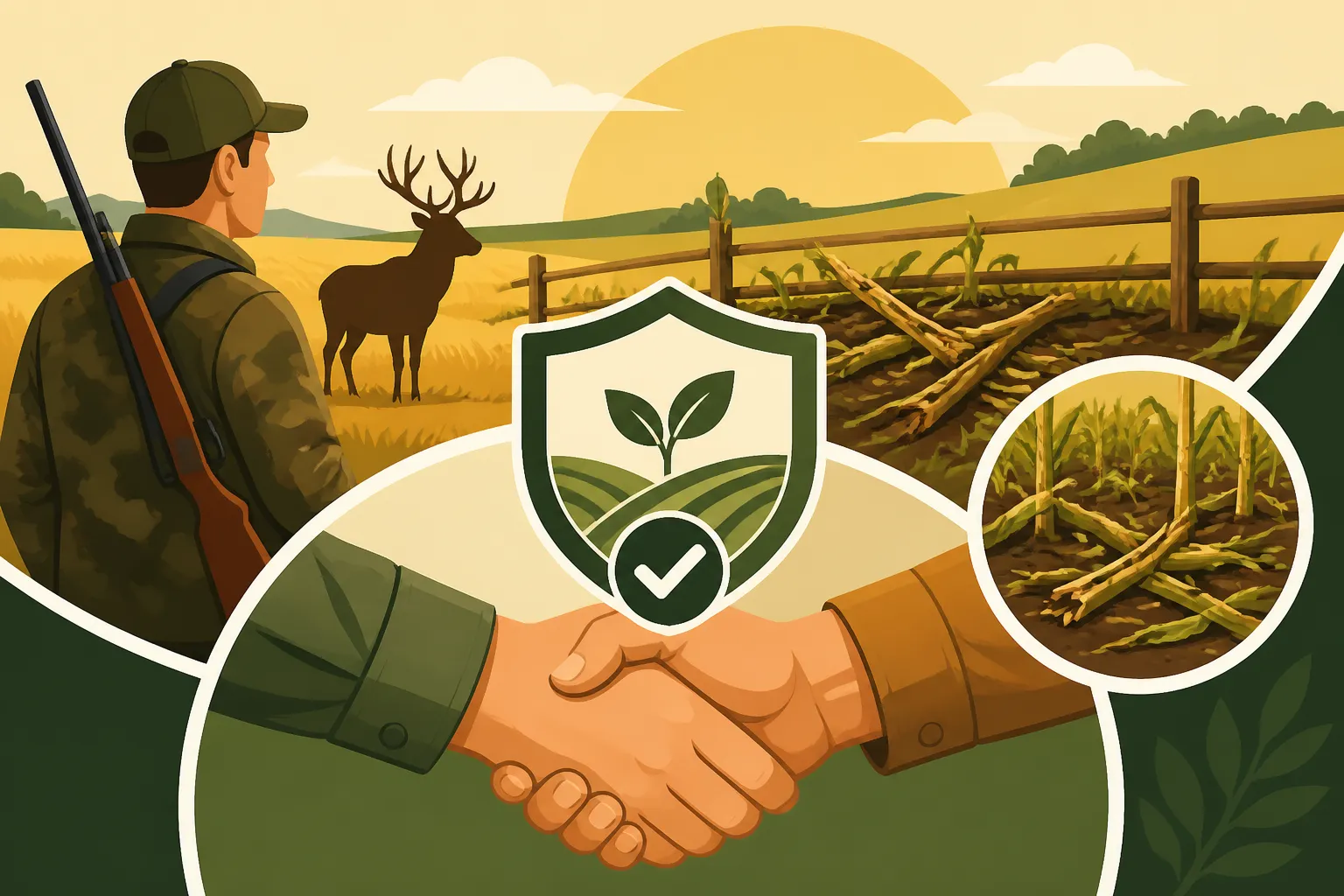
Alberta Landowner Compensation for Damage
Navigating access to private land for hunting in Alberta can feel like a delicate dance, especially when landowners worry about potential damage. It's a real concern for them, and for hunters, understanding how to respect that land and what happens if something goes wrong is crucial for maintaining good relationships and securing future hunting opportunities. This guide is all about shedding light on Alberta's landowner compensation for damage, exploring the legal landscape, common issues, and how we can all be better stewards.
Understanding the Legal and Ethical Foundation of Private Land Access
Hunting on private land in Alberta is a privilege, not an inherent right. This foundational principle dictates much of how interactions between hunters and landowners should unfold, especially when it comes to potential damage. It's about more than just avoiding trouble; it's about building trust and ensuring the future of hunting access.
The Alberta Trespass Act and Hunter Responsibilities
The cornerstone of private land access in Alberta is explicit permission. The Alberta Trespass Act is quite clear: you cannot be on private land without the express permission of the landowner or occupant. This isn't just a suggestion; it's law. If you step foot on someone's property without that green light, you're trespassing, and the consequences can range from a polite request to leave to significant fines or charges. Many hunters, especially those new to the province or coming from areas with different regulations, might not fully grasp the weight of this. It's not enough to assume permission; you absolutely need to seek it out directly, as highlighted in our guide on Asking an Alberta Landowner for Permission.
Even once permission is granted, your responsibilities don't end there. That permission is usually granted with an implicit, and often explicit, understanding that you will treat their land with respect. This means adhering to any specific rules they lay out – perhaps staying off certain fields, avoiding specific areas where livestock are grazing, or using only designated access points. An ethical hunter understands that this isn't just about following rules to avoid legal trouble; it's about upholding the integrity of our sport and ensuring that landowners continue to be willing to open their gates to us. Failing to respect this can lead to not only individual hunters losing access but potentially closing off opportunities for everyone in an area. Remember to review Alberta Landowner Permission Law to fully understand the scope of your obligations.
General Principles of Damage and Liability
Beyond the initial act of obtaining permission, there's the critical matter of what happens if something goes awry. Generally speaking, if you cause damage to private property, you are legally and ethically responsible for it. This isn't unique to hunting; it's a basic principle of civil liability. Whether you accidentally drive over a fence post that was hidden in tall grass, leave a gate open that allows cattle to escape, or even inadvertently damage a crop field, the onus is on you to make it right.
It's important to understand that liability doesn't always require malicious intent. Accidents happen, especially when navigating unfamiliar terrain or focusing on the hunt. A hunter concentrating on stalking a deer might not notice a subtle change in ground conditions and get their truck stuck, rutting up a field. While the landowner might appreciate that it was an accident, they are still left with the damage. The key here is not to hide the issue or try to sneak away. Instead, it's about transparency and a willingness to rectify the situation. While formal legal battles over minor damage are rare and often not worth the cost for either party, failing to address damage can severely sour a relationship and lead to immediate loss of access.
Common Concerns and Types of Hunter-Related Damage on Private Land
Landowners in Alberta are often farmers, ranchers, or rural residents who rely on their land for their livelihood or value it as their home. Their concerns about hunting access are often rooted in very practical experiences with past damage, whether intentional or accidental. Understanding these common types of damage helps hunters appreciate the landowner's perspective and take proactive steps to prevent issues.
Property and Infrastructure Damage
This category often tops the list of landowner frustrations. Fences are probably the most common point of contention. A fence cut by a hunter to gain easier access, or simply driven over by an ATV or truck, represents not only a direct repair cost but also potential lost time and the risk of livestock escaping. Imagine a rancher having to spend hours rounding up cattle that got out because a hunter left a gate ajar. It’s a huge headache and a significant financial hit in terms of time and potential loss of animals.
Similarly, driving vehicles off established trails or roads, especially in wet conditions, can cause severe ruts in fields or pastures. This isn't just cosmetic; deep ruts can damage equipment, hinder future planting or harvesting, and lead to erosion. Farmers have a long memory for such incidents, and a single act of carelessness can close off land for years. Even something as seemingly innocuous as driving too close to specific structures or equipment can be seen as disrespectful or potentially dangerous. Hunters should also be mindful of Rules on Shooting Across a Road as projectiles can travel further than expected and cause damage to property on the other side.
Livestock and Environmental Impacts
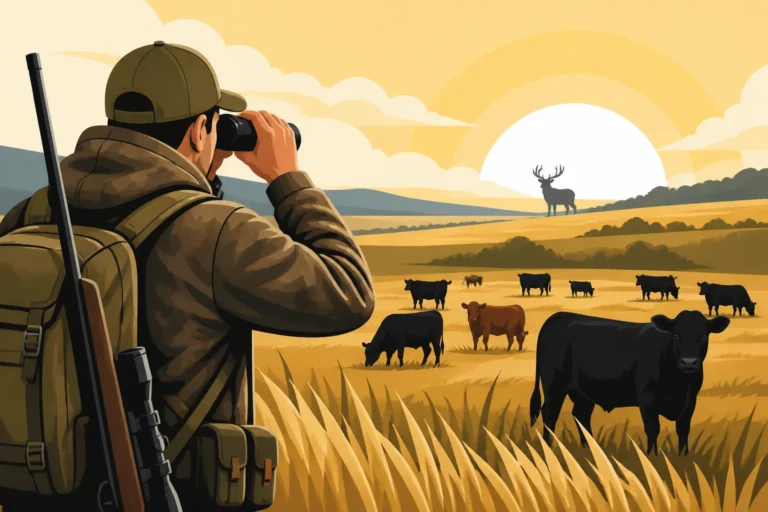
Beyond fences and fields, the presence and actions of hunters can impact livestock. Stressing cattle, sheep, or horses by chasing them, disturbing them with loud noises, or even just appearing unexpectedly can cause issues. Pregnant animals can miscarry, calves can be separated from their mothers, and livestock can be pushed through fences or into hazardous areas. A responsible hunter understands that livestock are a landowner's livelihood and should be given a wide berth and never intentionally disturbed.
Environmental impacts, while sometimes less immediate, are also a concern. Leaving garbage and litter behind is a universal complaint. Spent shell casings, food wrappers, plastic bottles, and even field-dressing waste are eyesores and can harm wildlife or livestock if ingested. Hunters are guests, and leaving a pristine area in a worse condition than you found it is a sure way to burn bridges. Furthermore, unintentional fires, whether from a carelessly discarded cigarette, a vehicle's hot exhaust in dry grass, or an unauthorized campfire, can devastate property, crops, and natural habitats. Maps from tools like onX Hunt or GoHunt can highlight specific property features and help hunters stick to designated routes and avoid sensitive areas.
Perceived Damage and Trust Erosion
Sometimes, the damage isn't strictly physical or financial; it's a breach of trust or an encroachment on the landowner's sense of privacy and control over their property. This "perceived damage" can be just as detrimental to hunter-landowner relations as actual property destruction. For example, hunting too close to a residence, even if legally permissible, can make a landowner feel uneasy or threatened. Our article on Rules on Hunting Near Buildings delves into the specific distances required, but often, being further away is simply good etiquette.
Another common issue is bringing additional hunters onto the property without prior discussion, or failing to check in and out. A landowner might grant permission to one individual, expecting them to be the only person accessing the land. When two or three extra vehicles show up, it can feel like a violation of the initial agreement. Similarly, a hunter who successfully harvests an animal but doesn't inform the landowner, or worse, fails to retrieve the game properly, can erode trust. Retrieving Game From Private Land in Alberta outlines the importance of proper game recovery, and communicating this effort to the landowner goes a long way. These actions, even without physical damage, convey disrespect and can lead to a landowner rescinding permission for future seasons, impacting not just that individual hunter but potentially all hunters seeking access in that area.
Navigating the Compensation and Resolution Process
When damage occurs on private land during a hunt, the way it's handled can significantly impact the outcome, both for the immediate situation and for future access. Openness, honesty, and a willingness to make amends are paramount.
Direct Communication is Key
The absolute first step, and arguably the most crucial, is direct and immediate communication with the landowner. If you accidentally cause damage – a broken fence, a rutted field, a gate left open – do not try to hide it or hope it goes unnoticed. Contact the landowner as soon as possible. Apologize sincerely, explain what happened, and express your willingness to rectify the situation. This transparency builds trust, even in a difficult circumstance, and often diffuses tension. Landowners are generally reasonable people, and they appreciate honesty far more than evasiveness. A hunter who immediately takes responsibility is far more likely to retain future access than one who tries to shirk accountability. This proactive approach echoes the principles of building good relationships discussed in Asking an Alberta Landowner for Permission.
It's a moment of truth for the hunter, where ethics and reputation are truly tested. Your willingness to own up to a mistake will speak volumes about your character. Sometimes, the damage might be less severe than you think, or the landowner might simply appreciate the honesty and prefer to handle it themselves. But the offer to assist or compensate should always be made.
Informal Agreements and Monetary Compensation
Most instances of hunter-related damage on private land are resolved through informal agreements. This often involves the hunter offering to repair the damage themselves, providing the materials needed for the landowner to do the repair, or offering monetary compensation for the costs incurred. For example, if a hunter breaks a fence post, a fair resolution might be for the hunter to purchase a new post and fencing materials and either help install it or pay the landowner for their time to do so. If livestock are injured due to a hunter's negligence, covering veterinary bills would be the expected course of action.
Determining fair compensation usually involves an honest assessment of the damage. This might include the cost of replacement materials (lumber, wire, seed), the estimated labour costs for repairs, or the value of any lost produce or animal health. The goal is to restore the landowner to the position they were in before the damage occurred. It's often helpful to keep records of these agreements, even if informal, just to avoid misunderstandings down the line. Remember, the overarching aim is to maintain a good relationship. For context, hunters should also understand What a Leaseholder Can and Cannot Refuse in terms of conditions for access, which can include damage clauses.
When Formal Avenues Are Needed
While most situations are resolved informally, there are rare instances where formal avenues might be considered. If a significant amount of damage occurs, or if there's a complete breakdown in communication and willingness to cooperate, a landowner might pursue legal action through civil court. This is typically a last resort, as litigation can be costly, time-consuming, and emotionally draining for both parties. However, it is an option available to landowners if they feel their property rights have been severely violated and they cannot reach a satisfactory informal agreement.
It's important to distinguish between civil disputes over damage and criminal acts. For instance, if a hunter intentionally damages property, or engages in illegal hunting activities, that falls under different legal umbrellas. In such cases, the "Report a Poacher" line is Alberta's avenue for reporting illegal activities to enforcement officials, not typically for civil disputes over accidental property damage. Reporting a Poacher in Alberta details how to use this service. Some personal liability insurance policies held by individuals might cover accidental property damage, but hunters should check their specific policy details as this is not always standard for hunting-related incidents.
Here's a quick look at the typical resolution paths:
| Damage Type | Hunter's Initial Action | Typical Informal Resolution | Potential Formal Action (Rare) |
|---|---|---|---|
| Cut/Damaged Fence | Immediately inform landowner | Repair by hunter, or pay for materials/labor | Civil suit for damages |
| Driving on Wet Field | Immediately inform landowner | Offer to pay for repairs, seed, or lost yield | Civil suit for crop/land damages |
| Gates Left Open | Immediately inform landowner | Help retrieve livestock, compensate for loss | Civil suit for livestock loss/stress |
| Litter/Garbage | Immediately clean up | Thorough cleanup, apology | Loss of access, potential fines for litter |
| Shooting Too Close | Immediately apologize, explain | Review safety rules, loss of access | Potential criminal charges, civil suit |
| Livestock Disturbance | Immediately inform landowner | Apology, compensation for veterinary bills | Civil suit for animal harm |
Preventative Measures and Fostering Positive Landowner Relations
The best way to handle landowner compensation for damage is to prevent the damage from happening in the first place. Proactive measures, responsible hunting practices, and a genuine effort to build long-term trust are invaluable for ensuring continued access to private land in Alberta.
Proactive Communication and Permission Seeking
The foundation of good landowner relations begins long before you even step foot on their property. Always, always, get explicit permission. Don't assume. Don't rely on old permissions. Conditions change, and so do landowners' comfort levels. When you ask, be clear about your intentions: what species you're hunting, how many people will be with you, what kind of vehicle you'll be using, and which specific areas you're interested in. This transparency helps landowners feel more comfortable and allows them to provide specific instructions or warn you about sensitive areas. Our guide Knocking on Doors in Alberta Farm Country offers practical advice on how to approach this crucial step.
It’s also incredibly helpful to review land boundaries and potential access points beforehand. Tools like onX Hunt and GoHunt are game-changers for this. They allow you to clearly see property lines, identify land ownership, and even mark potential access routes, helping you discuss your plans with the landowner with precision. This shows you've done your homework and respect their property. Don't forget to utilize Using Alberta's Recreational Access Mapping Tool which can also provide valuable information regarding public and private land boundaries, further aiding in your planning.
Responsible Hunting Practices on Private Land
Once you have permission, your actions on the ground are what truly cement your reputation. Stick strictly to agreed-upon routes. If the ground is wet and driving would cause significant ruts, consider walking in or rescheduling your hunt. A few extra steps on foot are a small price to pay to avoid damaging a field and losing future access. Always close gates, even if you found them open; you never know if livestock have just been moved or if it was accidentally left open by someone else. Your diligence reinforces your respect for the property.
Leaving no trace is another golden rule. Pack out absolutely everything you pack in, including spent shell casings, food wrappers, and any garbage. Treat their land as if it were your own, or even better. Be mindful of livestock, farm buildings, and residences, keeping a respectful distance. This isn't just about avoiding damage; it's about being a considerate guest. The principles taught in the Alberta Hunter Education and Conservation Course emphasize these ethical and safety considerations, reinforcing the importance of being a responsible hunter.
Building Long-Term Trust
Fostering a lasting, positive relationship with landowners is the ultimate goal. After your hunt, follow up with a thank you, whether it's a phone call, a card, or even a small gift like a share of venison if you're successful. These gestures, no matter how small, can go a long way in building goodwill. Some hunters even offer to help with small chores, like checking a fence line or fixing a gate (even if it wasn't one they damaged), as a way of expressing gratitude and building rapport.
Always adhere to any specific rules the landowner set, even if they seem overly cautious or inconvenient. Remember, it's their land, and they have the final say. Understanding legal aspects like Alberta Posted Land and Signage Rules can help, but common courtesy often dictates going above and beyond the minimum legal requirements. By consistently demonstrating respect, responsibility, and gratitude, you not only ensure your own future hunting opportunities but also contribute positively to the reputation of all hunters in Alberta. This long-term trust can be far more valuable than any single hunting trip, opening doors for years to come.
Disclaimer
This article is for general informational purposes only and does not constitute professional advice. Laws, prices and regulations vary by location and change over time. Consult a qualified professional for guidance on your specific situation.