Asking an Alberta Landowner for Permission
It's a familiar feeling for many Alberta hunters: you've scouted a promising area, seen deer signs galore, only to realize the land you're eyeing is privately owned. That moment of "now what?" can be incredibly frustrating. Public land access, especially near urban centers or in prime agricultural zones, often feels like finding a needle in a haystack. But here's the good news: many landowners are open to granting permission, and learning the right way to ask can unlock incredible hunting opportunities. This guide will walk you through the ins and outs of approaching Alberta landowners, from the initial research to building lasting relationships, helping you confidently gain access to those coveted private parcels.
Understanding the Alberta Landowner Landscape
Alberta is a vast province, but its landscape isn't uniformly open for hunting. A significant portion of prime habitat, particularly in the White Area (settled agricultural zones), is privately owned. Navigating this mix of public and private property is a core challenge for hunters.
The Importance of Private Land Access
Imagine driving through classic Alberta whitetail country – rolling fields of canola and barley, interspersed with aspen bluffs and willow runs. This is the heartbeat of our hunting heritage, but much of it is privately held. Relying solely on fragmented public land can limit your options significantly, especially during peak seasons when pressure is high. Gaining access to private land doesn't just expand your hunting grounds; it often puts you in areas with less competition and potentially more mature animals that have learned to avoid public pressure. These parcels can offer incredible opportunities for Hunting Alberta's November Whitetail Rut or even for Hunting Mule Deer in the Badlands Coulees if you're further south. It’s about building relationships and trust, which can pay dividends for years to come, turning a challenging hunt into a truly memorable experience.
Legalities of Hunting Private Land in Alberta
Before you even think about knocking on a door, it’s absolutely crucial to understand Alberta's rules regarding private land. The Trespass Act is a big one. Simply put, if land is privately owned, you need permission from the owner or occupier to enter it for any purpose, including hunting. This isn't just a courtesy; it's the law. Permission doesn't have to be in writing unless the landowner specifies it, but having it documented, even with a quick text or email, can save a lot of headaches later.
Landowners aren't required to post "No Trespassing" signs in Alberta. The assumption is that all private land is off-limits unless permission is explicitly given. Even if you see tracks and sign, or if it looks like no one's been there for years, that doesn't make it public. Respecting these boundaries and understanding your obligations as a hunter is the bedrock of building positive relationships. It ensures you're not just a hunter looking for a spot, but a responsible and ethical individual. You might think about Alberta Trespass Act and Hunting for more details on the legal aspects.
Preparing for the Ask: Research and Respect
Walking up to a random farmhouse without a plan is rarely a recipe for success. A little preparation goes a long way in making a good first impression and increasing your chances of getting permission. This isn't just about finding the land; it's about showing respect for the landowner's property and time.
How to Identify Landowners and Property Boundaries
This is where modern technology really shines. Gone are the days of guessing or relying solely on outdated county plat maps. Today, apps like onX Hunt or GoHunt are invaluable tools for identifying land ownership. They overlay property boundaries onto satellite imagery, showing you exactly where private land begins and ends, and often providing the landowner's name. This allows you to pinpoint the specific parcel you're interested in and identify the owner. You can often see the distinct property lines, whether it’s a quarter section of Hunting a Grain Bin Yard at Dusk or a larger ranch spread in the foothills.
Beyond apps, county or municipal assessment offices sometimes have public records that can help identify owners, though these might not be as readily accessible or user-friendly as a dedicated hunting app. Local knowledge is also huge – talking to people at the local coffee shop, gas station, or sporting goods store can often lead to information about who owns what, and even give you a heads-up on whether they're generally open to hunters. Remember, getting the landowner's correct name is a sign of respect, showing you've done your homework.
Crafting Your Approach and Presentation
Think of this as an interview. You want to make a good impression.
- Dress Appropriately: Leave the camo at home for the initial meeting. Wear clean, casual clothes – something that shows you're respectable and not just another hunter in a rush.
- Timing is Everything: Avoid peak farming times like seeding or harvest. Weekends are generally better, and during daylight hours. Never show up at meal times or late in the evening. A quick scouting trip during the week to see if anyone is around, then returning on a quieter day, can be smart.
- Have a Plan: Know why you want to hunt their land (e.g., "I've seen some impressive whitetails in your north bluff," or "I'm looking for a safe place to hunt some ducks near your slough"). Be clear about what you're targeting – deer, geese, upland birds – and what kind of hunting you plan to do (archery, rifle, walking, sitting in a stand). This shows you're serious and not just wasting their time.
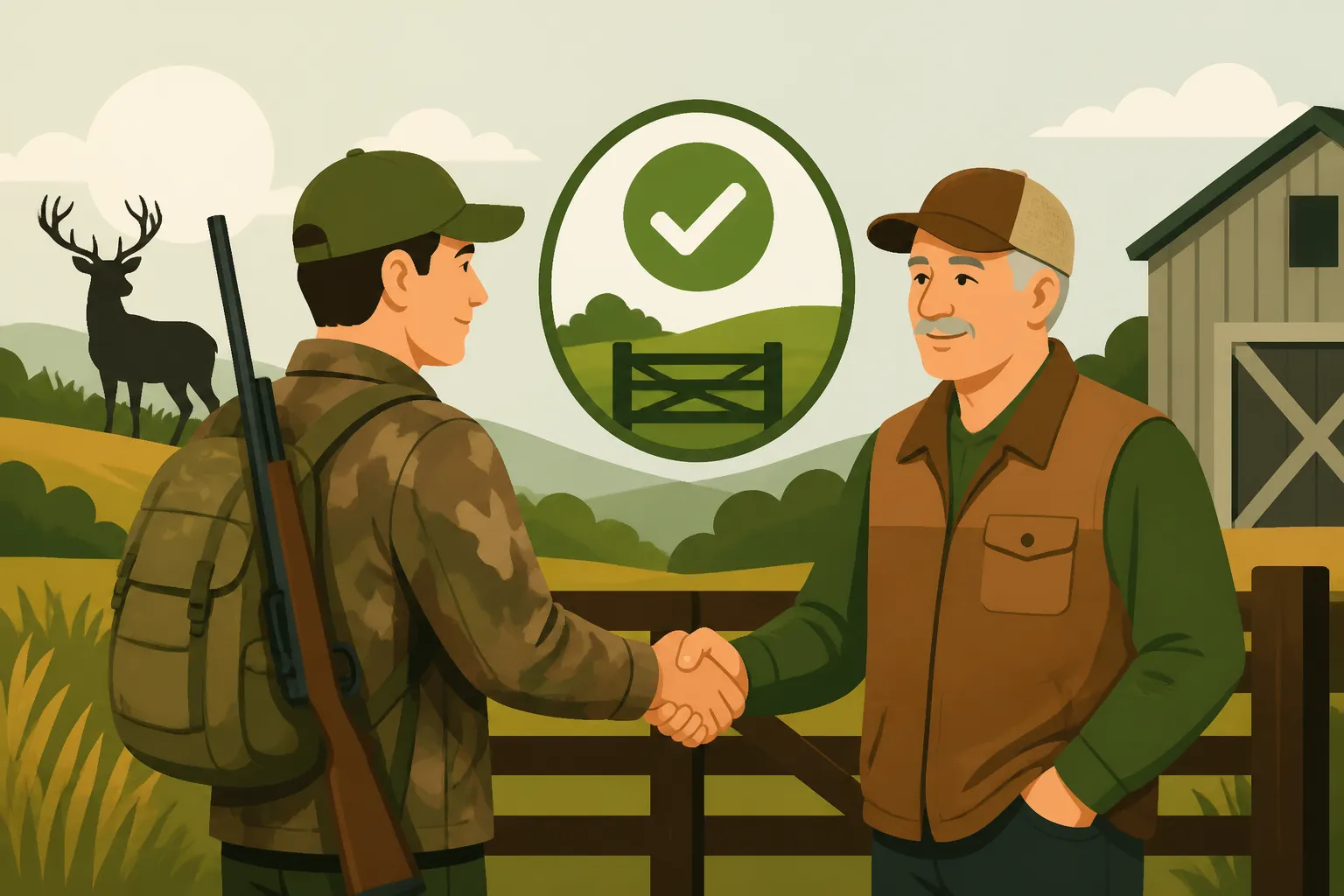
- Be Polite and Patient: Always start by introducing yourself, shaking their hand (if appropriate), and asking if they have a few minutes to talk. If they're busy, offer to come back at a more convenient time. Your demeanor speaks volumes.
The Art of the Conversation: Making the Ask
This is the moment of truth. How you engage with the landowner can make all the difference. It's not about being pushy, but about being clear, respectful, and understanding.
Initial Contact and Building Rapport
When you finally get to speak with a landowner, remember you're on their turf. Start by introducing yourself clearly, stating your full name, and mentioning where you're from. Then, immediately state your purpose, but do so respectfully. For example, "Hi, my name is [Your Name], and I'm a hunter from [Your Town]. I've noticed some really good deer sign on the bluffs west of your property, and I was wondering if you might be open to the possibility of letting me hunt deer there this season?"
Don't just launch into your request. Listen to their response. They might ask questions, voice concerns, or even just want to chat for a bit. Show genuine interest in them and their land. Ask about their farming operations, their cattle, or anything relevant to the property. This isn't just small talk; it's relationship building. Many landowners are fiercely proud of their land and appreciate a genuine interest. This also gives you a chance to explain your experience, perhaps mentioning you've successfully hunted for Whitetail Hunting in Alberta or Hunting Mule Deer on a Prairie Ridge in other areas, demonstrating your competence.
What to Offer and What to Expect
Sometimes, offering a small gesture can help. This isn't about paying for access, but about building goodwill.
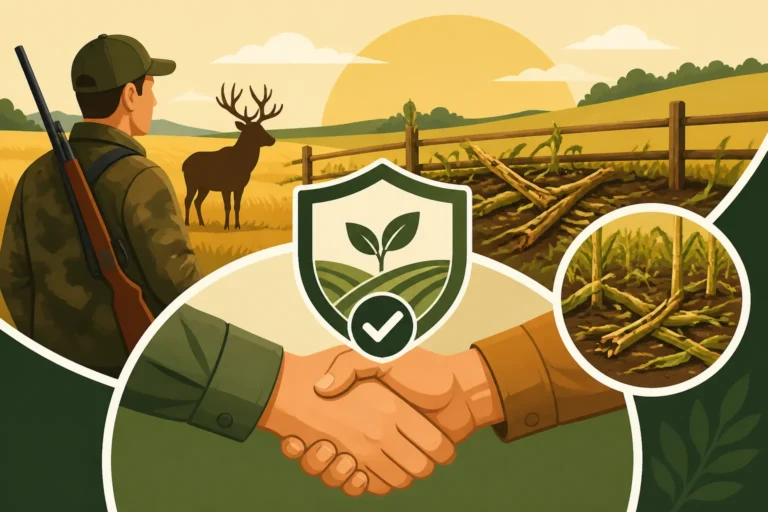
- Offer Assistance: "If you ever need a hand with anything on the property – fixing a fence, moving bales, or clearing some brush – I'd be happy to help out." This can go a long way, especially on a busy farm. Many hunters have gained long-term access by becoming a helpful seasonal hand.
- Discuss Specifics: Be ready to talk about your hunting style. Will you use a bow or a rifle? Will you hunt from a Hanging a Stand on an Alberta Bush Edge or spot and stalk? Will you be alone or with a partner? How often do you plan to be there? Where will you park? These details address potential concerns they might have.
- Respect Their Answer: Whether it's a yes, a no, or a "let me think about it," always be gracious. If they say no, thank them for their time and move on. Don't press them or argue. There could be countless reasons for their refusal (they already have hunters, family hunts, bad experiences in the past, or simply don't like hunting). A polite "no" today doesn't mean a "no" forever. You might still be able to gain Getting Permission for a Goose Field in a different field or another type of hunting if you maintain a good relationship.
- Leave Contact Info: If they're considering it or want you to come back, leave a business card or a small note with your name and phone number. Make it easy for them to get back to you.
Maintaining the Relationship
Getting permission is just the first step; keeping it is where the real work begins.
- Follow Through on Promises: If you said you'd help with a fence, do it. If you said you'd only hunt a certain area, stick to it.
- Communicate: Let them know when you'll be on their property. A quick text message saying, "Heading out to the north bluff this afternoon, just wanted to let you know," is a small gesture that builds immense trust.
- Share Your Success (if appropriate): If you harvest an animal, a picture or a quick story can be a nice gesture. Offer them some wild game meat if they're receptive. Many landowners love seeing the fruits of their land.
- Be a Good Steward: Pack out all your trash, close all gates, drive only on designated trails or field edges (if permitted), and leave the property better than you found it. This means being mindful of your vehicle, especially on potentially soft ground, as highlighted in Quad and Side-by-Side Rules on Crown Land, even if you’re on private. This is about being a guest.
- Offer a Token of Appreciation: A small gift at the end of the season – a gift card for a local restaurant, a box of chocolates, or a homemade treat – can be a wonderful way to say thank you. This isn't a payment, but a genuine expression of gratitude for their generosity.
Common Hurdles and How to Overcome Them
It's not always smooth sailing. You'll encounter challenges, and knowing how to navigate them with grace is part of being a seasoned hunter.
Dealing with No-Permission Scenarios
Getting turned down is part of the process, and it stings. The key is to handle it gracefully. When a landowner says no, simply thank them for their time and move on. Don't try to change their mind, argue, or express your disappointment. Remember, you don't know their history. They might have had bad experiences with hunters in the past, have family members who hunt, or simply prefer to keep their land private.
The worst thing you can do is burn a bridge by being rude or persistent. You never know when circumstances might change. A polite exit leaves the door open, however slightly, for a future possibility. You might find that next year, a new owner might be more receptive, or the current owner might remember your respectful demeanor if they ever decide to open their land to hunting.
Navigating Multiple Hunters and Existing Agreements
Sometimes, a landowner might already have hunters on their property, perhaps family, friends, or others who have had access for years. They might tell you this directly. Again, accept it gracefully. You're not entitled to access. In some cases, they might be open to additional hunters but want to ensure there isn't too much pressure. Be prepared to discuss how your hunting schedule might fit in with others. For example, you might offer to hunt only weekdays, or in a specific area of the property that isn't being used by others.
If they already have arrangements, a polite response could be, "I completely understand. I appreciate you letting me know. If anything ever changes, please keep me in mind." This shows respect for their existing relationships and keeps you on their radar for the future. You might also ask if they know of any other landowners in the area who might be open to requests. That can sometimes lead to an unexpected lead.
Addressing Concerns About Damage and Liability
Landowners often have legitimate concerns about property damage, gates being left open, and liability. Be proactive in addressing these.
- Property Damage: Assure them you will be incredibly careful. Explain your approach to hunting (e.g., "I'm a quiet, careful hunter, and I always ensure my vehicle stays on established trails," or "I'm well aware of cattle and will ensure all gates are closed behind me").
- Liability: This is a big one. While Canadian law generally offers some protection to landowners against recreational users, their concern is valid. Emphasize your commitment to safety: "I always hunt responsibly and safely. I carry all the required licences and follow all regulations." Some hunters even carry their own liability insurance, which, while not common for individual access requests, can be a powerful reassurance if it's a major concern for the landowner. Show them your Alberta Hunter Education Requirements certificate if they seem particularly worried.
Do's and Don'ts of Asking for Permission
| Do's | Don'ts |
|---|---|
| Do research property ownership. | Don't show up unannounced at odd hours. |
| Do dress respectfully (no camo). | Don't park on their driveway without asking. |
| Do have a clear, concise request. | Don't bring your entire hunting party for the initial ask. |
| Do introduce yourself clearly. | Don't argue or get defensive if they say no. |
| Do listen attentively to their concerns. | Don't assume silence means "yes." |
| Do offer to help with chores. | Don't make promises you can't keep. |
| Do communicate your hunting plans. | Don't leave trash or drive off-trail. |
| Do follow up with a thank you. | Don't bring firearms to the initial meeting. |
| Do leave your contact information. | Don't trespass to "scout" before asking. |
| Do respect their decision, whatever it is. | Don't overstay your welcome during the conversation. |
Asking for permission in Alberta is a skill, an art, and a process of relationship building. It requires patience, respect, and a genuine understanding of the landowner's perspective. With the right approach and a commitment to being a responsible hunter, you can unlock incredible opportunities and foster connections that enrich your hunting experience for years to come. Remember, public land hunting is a fantastic option, but private land access can truly elevate your season.
Disclaimer
This article is for general informational purposes only and does not constitute professional advice. Laws, prices and regulations vary by location and change over time. Consult a qualified professional for guidance on your specific situation.