Hunting a Standing Canola Field Edge
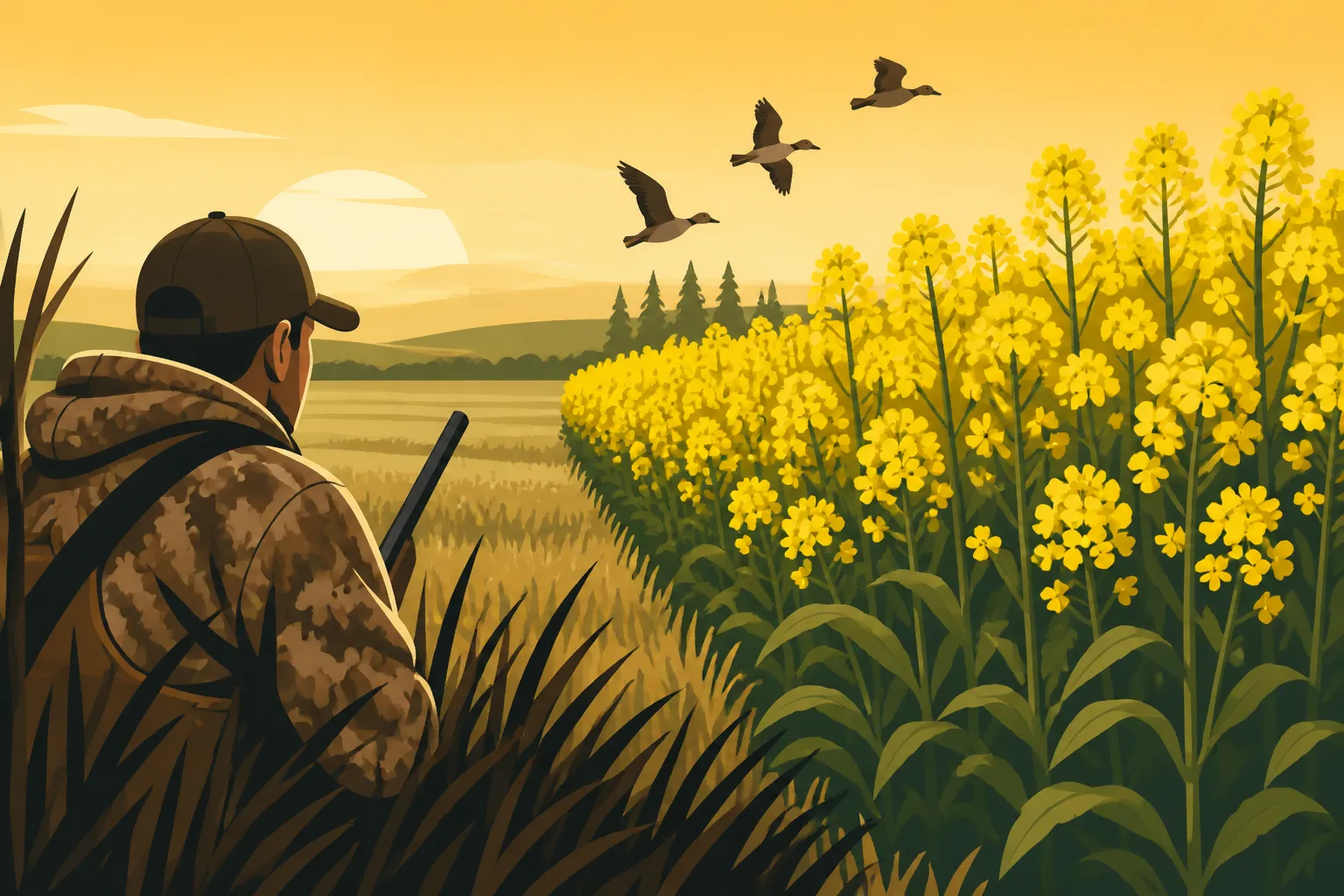
The vast, golden expanse of an Alberta canola field in the late summer or early fall is a beautiful sight, but for many hunters, it can feel like an impenetrable fortress where game animals simply disappear. It’s a common frustration: you know the deer, elk, and even bears are using these fields, but actually getting a shot can feel like finding a needle in a haystack. This guide is here to help you unravel the mysteries of hunting a standing canola field edge, giving you the strategies to turn that frustration into successful hunts.
The Irresistible Draw of Standing Canola Fields
Before we dive into how to hunt them, let's understand why these fields are such magnets for game. It's not just about food; it's a complex interplay of nutrition, cover, and security that draws animals in from miles around. Ignoring these giants of the agricultural landscape means missing out on some of the best hunting opportunities Alberta has to offer.
A Buffet for Big Game
Think of a standing canola field as a five-star restaurant for many of Alberta's wild creatures. The young, green canola plants offer highly digestible protein and energy, much like a lush food plot. As the season progresses and the canola matures, setting seeds, it becomes a crucial source of fats and carbohydrates that animals need to build up reserves for the harsh Alberta winter.
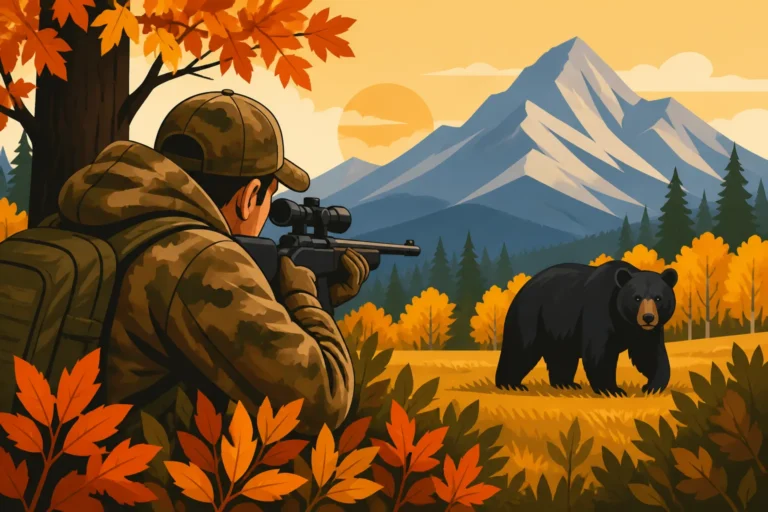
Deer, particularly whitetails, will browse on the green leaves early in the season, finding them incredibly palatable. Once the pods start to fill, the seeds become a high-energy snack. Mule deer, while often associated with coulees and breaks, are not shy about venturing into these fields, especially in the agricultural fringe, to take advantage of this bounty. Even moose, often thought of as boreal forest dwellers, will graze on canola in agricultural areas where their range overlaps. Black bears are also huge fans, plowing through rows to devour the oily seeds, building up fat for hibernation. And let's not forget the birds – waterfowl and upland species alike will utilize these fields for feeding and cover, though our focus here is on bigger game.
Unparalleled Cover and Security
Beyond the food, standing canola offers an incredible amount of cover. A mature canola field can easily reach shoulder height or taller on an average person, creating a dense, almost jungle-like environment for animals. This thick cover provides a sense of security, allowing animals to feed well into the daylight hours without feeling exposed. They can move undetected, bed down in the middle of the field, and use the crop as a highway between bedding and other feeding areas.
This dense canopy also offers thermal regulation, protecting animals from scorching sun or biting winds. When the temperatures drop, that dense vegetation can offer a surprising amount of shelter. It’s a dynamic environment where an animal can feel completely hidden just yards from an open road, making it both challenging and rewarding to hunt.
Mastering the Art of Scouting Canola Edges
Effective scouting is always crucial, but when it comes to standing canola, it becomes absolutely paramount. You can’t just walk in and expect to stumble upon animals; you need a strategy to identify where they’re entering, exiting, and lingering. This preparation is what separates a lucky encounter from a consistent harvest.
Digital Reconnaissance and Observation
Before you even set foot near the field, spend time with digital mapping tools. Platforms like GoHunt offer invaluable satellite imagery that can reveal subtle contours, drainage patterns, and patches of thicker bush bordering the canola. Look for natural funnels, pinch points, and established tree lines or fence rows that lead into the field. These are often preferred entry and exit routes. You might even spot faint lines within the field itself, indicating heavily used game trails that appear as flattened pathways.
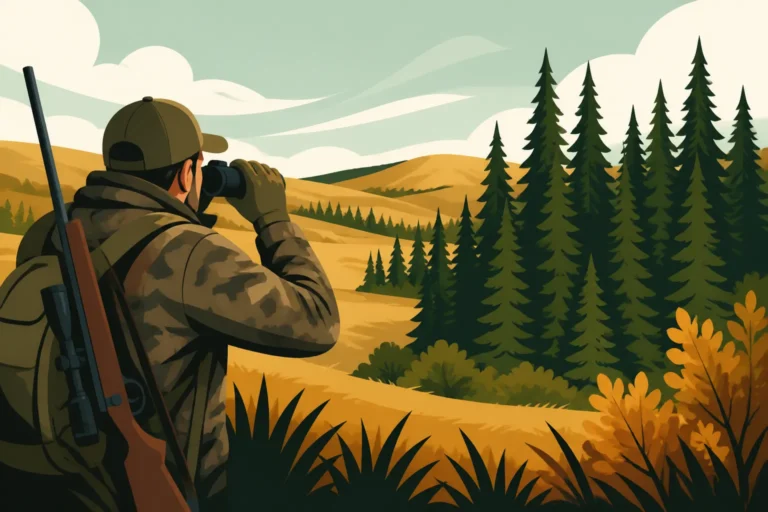
Once you’ve identified potential hot spots on your map, it's time for real-world observation. This often means driving slowly around the field edges at dawn and dusk, well before the season opens. Use good binoculars or a spotting scope to scan for animals entering or exiting the field. Pay attention to specific points they use: is it a corner where bush meets the field, a dip in the terrain, or a gate in a fence line? Note down exact locations, times, and prevailing wind directions. This information is gold and will guide your setup later on.
Reading the Sign: Tracks, Rubs, and Entry Points
Once you have landowner permission to access the field, walking the edges is the next step. Look for fresh tracks where animals are entering and exiting. In a standing canola field, these tracks often flatten the crop down, creating distinct trails. Follow these trails a short distance into the field to confirm they are actively used. Note the size of the tracks – are they deer, elk, or bear? Look for deer droppings, which can indicate frequent feeding.
Along the bush lines or fence rows adjacent to the canola, search for rubs and scrapes. Fresh rubs on small trees or bushes indicate bucks are in the area and actively marking their territory, often as they move between bedding cover and the canola. Scrapes, particularly those with an overhanging branch worked over by antlers, are signposts that bucks are using this travel corridor. These signs, combined with visible trails into the canola, confirm that your target animals are frequenting these specific entry points. For more detailed insights into Reading Whitetail Sign in Alberta Aspen Bluffs, checking nearby wooded areas can be highly beneficial.
Strategic Hunting Approaches for Canola Edges
With your scouting complete and target entry points identified, it's time to consider your hunting strategy. The density of standing canola demands careful planning to maximize your chances and ensure ethical shots.
Stand Placement and Concealment
When hunting a standing canola field edge, your stand placement is everything. You need to be positioned where you can intercept animals entering or exiting, usually within bow or rifle range of a well-used trail.
- Treestands: If there's suitable timber along the field edge, a treestand is often your best bet. It gets you above the dense canola, improving visibility and helping to carry your scent away. Position your stand downwind or crosswind of the anticipated animal approach, with consideration for the prevailing winds. Look for natural cover in the tree to break up your silhouette. Make sure you have a clear shooting lane into the field and along the trail. Consider using the tree to cover your approach and egress without alerting game. When Hanging a Stand on an Alberta Bush Edge, remember to factor in the height of the canola and expected travel paths.
- Ground Blinds: In areas without suitable trees, a ground blind can be incredibly effective. Natural blinds, constructed from brush, fallen logs, or rock formations, can be excellent. Portable pop-up blinds are also good, but introduce them to the spot well in advance of your hunt to allow animals to get used to their presence. Conceal them thoroughly, using local vegetation to break up their outline. Position the blind for optimal shooting lanes, ideally elevated slightly if the terrain allows, or at least ensuring you can see over the lowest parts of the canola edge. Again, always prioritize wind direction.
Optimal Timing and Conditions
The prime times to hunt canola edges are typically early morning and late evening, when animals are most active and moving between bedding areas and feeding grounds. However, specific conditions can extend these windows or create unique opportunities.
- Morning Hunts: Arrive well before first light. Approach quietly, using any available cover. Animals may still be in the field feeding at first light before retreating to heavier cover. Be patient, as they often filter out slowly.
- Evening Hunts: This is often the most productive time. Get into your stand or blind at least 2-3 hours before sunset. Animals will typically emerge from bedding cover and head directly for the canola. Watch for activity well before they hit the field edge itself.
- Weather Conditions: Overcast days can encourage animals to feed longer into the morning and emerge earlier in the evening. Light rain or drizzle can also dampen sounds, making your approach quieter and deer less wary. Strong, consistent winds can also be your friend, masking human scent and sound, but can also make it harder for you to hear approaching game. Heavy winds can also flatten parts of the canola, creating temporary lanes.
- The Rut: During the whitetail rut, bucks will often cruise the edges of these prime feeding areas, looking for does. While the canola might still be standing, it could be late enough in the season that deer activity is highly focused on breeding. Understanding Hunting the Rut in Early November can enhance your strategy significantly.
| Species | Primary Canola Attraction | Best Time to Hunt Edge | Ideal Conditions |
|---|---|---|---|
| White-tailed Deer | Leaves, seeds, cover | Early morning, late evening | Overcast, light wind |
| Mule Deer | Seeds, browsing, cover | Early morning, late evening | Clear, calm to light wind |
| Black Bear | Seeds (high energy fat) | Daytime, especially mid-morning/late afternoon | Warm, dry, pre-hibernation |
| Elk | Browsing, seeds | Evening, early morning | Any, often post-rain |
| Waterfowl | Fallen seeds, cover | Morning, evening | Foggy, overcast |
Navigating the Nuances: Challenges and Etiquette
Hunting standing canola fields comes with its own set of challenges, from maintaining ethical standards to dealing with practical difficulties in the field. Addressing these proactively will lead to a more successful and respectful hunt.
Landowner Relations and Crop Damage
This cannot be stressed enough: always secure explicit permission from the landowner before hunting on or even near their canola fields. Most canola is grown on private land, and respecting property rights is paramount in Alberta. A handshake and a conversation can go a long way. When Knocking on Doors in Alberta Farm Country, be polite, introduce yourself, and clearly state your intentions. Offer to share meat or help with chores. Understand that a farmer’s livelihood depends on that crop.
Even with permission, tread carefully. Avoid driving on the crop itself, and be mindful of trampling it. If you need to retrieve an animal from the middle of a standing field, discuss the best approach with the landowner first. They might prefer you wait until after harvest, or they might allow you to go in at a specific time or using a particular path. Remember, a single hunter damaging a crop can ruin access for everyone else for years to come. Your actions reflect on the entire hunting community.
Visibility, Shot Angles, and Retrieval
The sheer density of standing canola can be a double-edged sword. While it provides cover for animals, it also severely limits your visibility.
- Visibility: From a ground blind, you might only see an animal’s back or head above the crop. From a treestand, you'll have better vantage, but still need to pick your shot carefully. Identify clear shooting lanes and stick to them. Avoid taking speculative shots into the thick crop where you can't be sure of your target or a clean kill.
- Shot Angles: Given the limited visibility, shot angles can be tricky. You want a clear, unobstructed shot at the vitals. Be patient. Wait for the animal to present itself broadside or quartering away in a clear opening. This might mean letting a deer walk past your ideal range to get to a clearer spot.
- Retrieval: This is perhaps the biggest challenge. A downed animal in the middle of a dense, standing canola field can be incredibly difficult to find. Mark the exact spot of the shot with multiple visual references, if possible (e.g., a specific tree, a fence post, a dip in the field). Use a rangefinder to measure distance to landmarks. Have a mental map or use GPS waypoints to guide you. If you have a tracking dog, this is where they truly shine. Otherwise, a methodical grid search with multiple people will be necessary. Be prepared for a long, arduous recovery, especially for larger animals like moose or elk.
Understanding these challenges and preparing for them is key. It ensures ethical hunting practices and maintains good relationships with landowners, crucial for continued access to prime hunting spots in Alberta. Consider also how late season conditions might affect Hunting Deep Cold Late in the Season and your ability to retrieve game.
Advanced Tactics for Canola Edge Success
Once you've mastered the basics of scouting and stand placement, you can explore more advanced tactics to increase your chances in these challenging environments. These methods require patience, practice, and a keen understanding of animal behavior.
Calling and Rattling Along the Edge
Calling techniques can be incredibly effective when hunting canola edges, especially during the rut. The dense cover often means animals are moving somewhat blindly, and a well-placed call can draw them out into a visible shooting lane.
- Deer Calls: For whitetails, a soft grunt can pique curiosity, especially if a buck is cruising the edge. During the peak of the rut, rattling antlers can mimic a fight between bucks, often drawing in dominant bucks looking to assert their presence or younger bucks hoping to sneak in for a doe. Focus your rattling sequences where deer would naturally investigate, such as where a bush line meets the field. For more aggressive calling, consider Rattling Volume in Open Parkland as a guide, adjusting the intensity for the denser cover near a canola edge.
- Elk Calls: If you're hunting elk in areas where they frequent canola fields, bugling can be a game-changer during the September rut. A soft cow call or a modest bugle can draw a bull to the field edge, especially if they're already moving towards the field to feed. Be prepared for them to come in cautiously, using the edge cover. Learn about Bugling Elk in Alberta's Foothills for strategies that can be adapted to field edge scenarios.
- Moose Calls: Moose, particularly bulls during the rut, can be very responsive to calling near canola fields, especially if the field borders boreal forest where they typically bed. Cow calls or even raking a tree to imitate a bull can bring them in. The dense canola might encourage them to follow the very edge, giving you a shot. Check out Calling Moose in Alberta's Boreal Forest for inspiration on effective techniques.
Remember to always call sparingly and realistically. Over-calling can make animals wary. Use the calls to draw attention, not to announce your presence.
Spot and Stalk Opportunities
While often difficult in standing canola, spot and stalk can be a viable tactic under specific conditions, particularly for mule deer or even sometimes for black bears.
- Glassing from a Distance: Use high-quality binoculars or a spotting scope from a vantage point (like a slight rise or a distant hill) to systematically glass the field edges and even into the crop. Look for any movement, a flicker of an ear, or an antler tip. Early mornings and late evenings are best. Pay close attention to any depressions or irregularities in the field that might provide a momentary glimpse of an animal.
- Wind and Terrain: If you spot an animal, carefully plan your approach. The wind is your absolute master here. You must stay downwind. Use any available terrain features – a ditch, a treeline, a small rise – to break up your silhouette and move silently.
- Patience and Stealth: Moving through the standing canola itself is incredibly noisy. If you must enter the crop, move slowly, taking deliberate steps, minimizing noise. It’s often better to try and intercept the animal as it moves along the edge or exits the field. This method is exceptionally challenging and requires a great deal of patience and skill. For mule deer, you can adapt many of the strategies for Stalking Mule Deer in Badlands Breaks to the contours of a field and its surrounding cover.
Conclusion
Hunting a standing canola field edge in Alberta is not for the faint of heart, but it offers some of the most rewarding hunting experiences this province has to offer. It demands meticulous scouting, strategic setup, unwavering patience, and above all, profound respect for the landowner and the land itself. By understanding the allure of these golden fields for game, honing your scouting skills with tools like GoHunt, perfecting your stand placement, and adapting your tactics to the unique challenges they present, you can turn these seemingly impenetrable crops into your next successful hunting ground. Remember, every time you step into the field, you're not just hunting an animal; you're engaging with a vibrant ecosystem and upholding a proud tradition.
Disclaimer
Hunting regulations and access rules in Alberta can change. Always consult the most current Alberta Hunting Regulations Guide and relevant provincial government resources before planning any hunt. Ensure you have all necessary licenses and permissions. Safety should always be your top priority.