Hunting Alberta’s Fall Bear Season
The crisp air of an Alberta autumn calls to many hunters, but tackling the fall bear season can feel like a whole different ballgame compared to the spring. Hunters often feel overwhelmed by the subtle differences between spring and fall bear hunting in Alberta, from changing bear behavior to varying regulations and optimal strategies. This comprehensive guide will walk you through everything you need to know to successfully navigate Alberta's fall bear season, ensuring you're prepared for the unique challenges and opportunities it presents.
Understanding Alberta's Fall Bear Season Dynamics
The transition from summer to autumn in Alberta brings about a dramatic shift in black bear behavior, dictated by the impending winter denning period. For hunters, recognizing these changes is paramount to success. It's not just about a change of scenery; it's a fundamental change in how bears live their lives, and consequently, how you should hunt them.
Distinguishing Fall from Spring Bear Behavior
In the spring, bears emerge from their dens with a singular focus: breeding and finding initial greens to kickstart their metabolism. Their movements are often tied to south-facing slopes, new growth, and the pursuit of mates. However, come fall, their primary directive becomes hyperphagia – an intense, almost insatiable drive to consume as many calories as possible to build up fat reserves for hibernation. This shift means they're no longer casually browsing dandelions; they're actively seeking out dense, high-energy food sources.
This caloric imperative completely reorients their daily movements and preferred habitats. Instead of broad searches for mates or early vegetation, their world shrinks around specific food patches. Think berries, unharvested grain fields, saskatoons, buffaloberries, and even fallen fruit from old homesteads. They become creatures of habit around these food havens, often returning repeatedly until the source is depleted.
This intensified feeding frenzy also impacts their activity times. While spring bears can be active at odd hours due to breeding, fall bears are often more predictably active during daylight hours, especially morning and late afternoon, as they diligently gorge themselves before the deep cold sets in. Their survival literally depends on it.
Understanding this fundamental shift is the bedrock of fall bear hunting. You're no longer looking for love-struck boars; you're looking for hungry bears desperate to put on weight. This changes everything from your scouting focus to your stand locations or stalking routes.
Navigating Fall Bear Season Dates and Regional Variations
Alberta's vast and diverse landscape means that fall bear seasons aren't uniform. Unlike some general big game seasons that might open and close statewide, black bear seasons can vary significantly by Wildlife Management Unit (WMU). What's open in the boreal forest north of Fort McMurray might be closed or have different dates in the foothills near Grande Cache or the parkland WMUs closer to Edmonton.
It is absolutely crucial to check the specific Fall Bear Season Dates and WMUs for your chosen hunting area. Some WMUs might have early closures, especially in areas with high human-wildlife conflict or specific population management goals. Others might extend later into the fall, offering opportunities to hunt bears right up until they decide to den for good, often after the first significant snowfalls.
These varying dates have direct implications for hunting pressure and bear availability. An earlier closing season might mean more concentrated hunting effort in a shorter window, while WMUs with extended seasons could offer less pressured opportunities, especially as other big game seasons start to draw attention. The late season, in particular, can be excellent, as bears are often frantically feeding, becoming less cautious in their pursuit of calories.
Tools like GoHunt are invaluable for visualizing these WMU-specific regulations and boundaries. Being able to overlay season dates with your scouted locations makes planning exponentially easier and ensures you're always within the legal framework. Don't rely on general knowledge; verify the dates for the exact WMU you plan to hunt.
Anticipating Bear Movement Patterns in Autumn
As the Alberta landscape changes with the seasons, so do the hideouts and hotspots for black bears. The ripening of various berry crops, the drying down of grain fields, and eventually the harvest, all act as a dynamic calendar for bear movements. They are opportunistic feeders, constantly adjusting their foraging routes to capitalize on the most abundant and calorie-rich food sources available.
Focus on identifying specific fall food sources. Unharvested oat fields, for instance, can be magnets for bears, providing a concentrated burst of carbohydrates. Similarly, dense patches of saskatoon bushes, chokecherries, and buffalo berries are critical, especially in the early to mid-fall. Even abandoned apple trees or forgotten domestic fruit bushes near old farmsteads can become significant feeding sites as bears seek out easy calories.
Bear movement around water sources also adapts. While water is always necessary, its importance as a congregation point might change as cooler weather reduces the need for frequent cooling, and other food sources become more concentrated. However, bears will still utilize creek bottoms and riparian areas as travel corridors between feeding and bedding sites.
Finally, keep a close eye on weather patterns. An early snow or a sudden cold snap can trigger an accelerated feeding period, pushing bears to become even more active during the day as they try to get those last vital calories before denning. Conversely, a prolonged mild fall might delay denning, extending your hunting opportunities, but also making bears more spread out as food remains abundant.
Effective Strategies for Hunting Fall Black Bears
Successful fall bear hunting isn't just about showing up; it's about understanding and applying specific strategies tailored to the autumn environment and bear behavior. This means diligent scouting, patient observation, and a precise execution of your chosen hunting method.
Locating Prime Fall Bear Habitat and Food Sources
The bedrock of fall bear hunting is scouting – and not just any scouting, but a focused search for food. You need to not only identify where potential food sources are located but also if they're currently producing a good yield in that specific year. Crop rotations can change year to year, and berry bush yields fluctuate based on spring weather and summer moisture. A patch that was loaded with saskatoons last year might be sparse this year.
Use high-quality optics to glass open areas adjacent to heavy cover during prime feeding times (morning and evening). This includes clear-cuts that might have berry growth, forest edges bordering vast grain fields, or the slopes above a river bottom where fruit trees might grow. Bears will often stage in the cover, then emerge to feed, retreating quickly if disturbed.
Look for undeniable sign. Fresh scat full of berry seeds or grain husks is a dead giveaway that bears are actively feeding in the area. Overturned rocks indicate they're searching for grubs, and claw marks high on berry bushes show they're reaching for the best fruit. Well-worn trails leading from dense bedding cover into feeding areas are like highways for bears, signaling consistent movement.
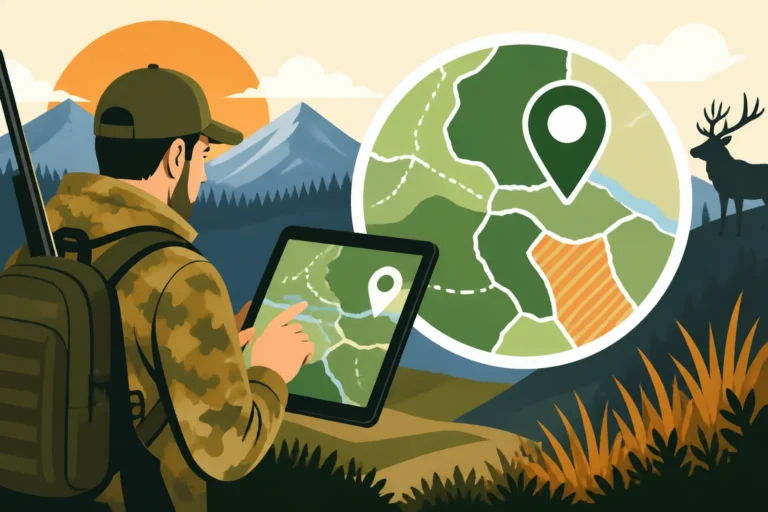
For your initial scouting, especially in unfamiliar territory, digital mapping tools like GoHunt can be incredibly helpful. You can often identify agricultural zones, potential clear-cuts, or even specific vegetation types via satellite imagery. This allows you to narrow down your physical scouting efforts to the most promising areas, saving you valuable time and boot leather.
Still-Hunting and Spot-and-Stalk Tactics
Still-hunting is a highly effective, albeit challenging, method for fall bears. It involves moving incredibly slowly and deliberately through dense timber, typically near known food sources or along major travel corridors. Every step must be planned, every gust of wind assessed. You need to become part of the forest, using the wind to your advantage and moving only when your surroundings are noisy (e.g., wind rustling leaves) to mask your approach. The goal is to surprise the bear before it knows you're there.
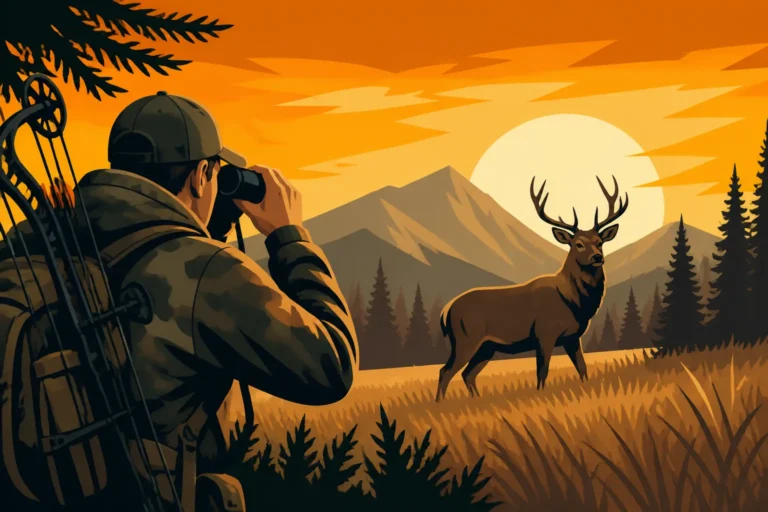
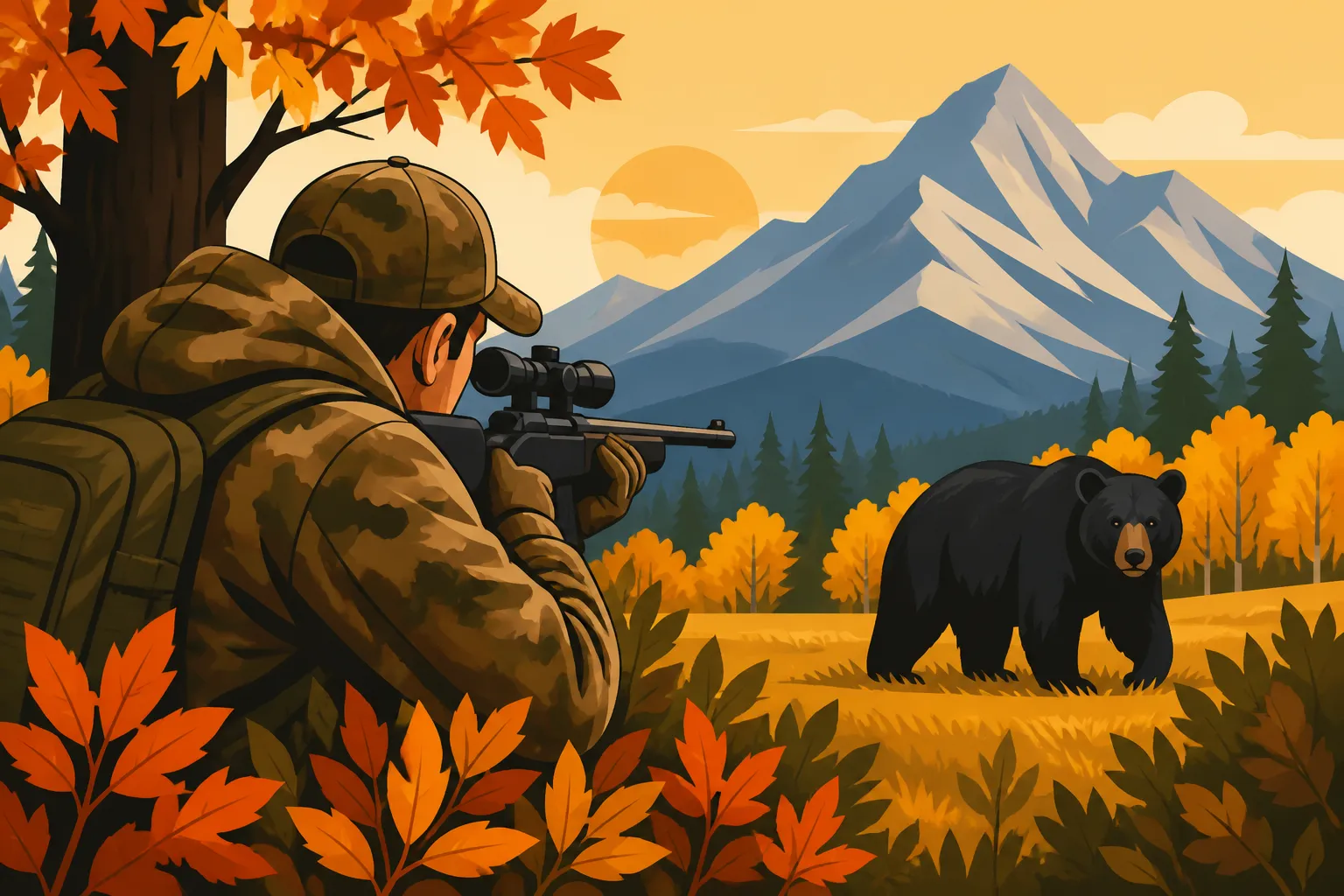
In more open country, such as the foothills, prairie fringes, or larger clear-cuts, spot-and-stalk is often the preferred tactic. This usually involves finding a high vantage point – a ridge, a hilltop, or even a sturdy tree – at first light or last light. Spend long periods patiently glassing with good binoculars and a spotting scope. Bear coats, especially the popular cinnamon or blonde phases, can blend remarkably well with the fall colors and shadows. This is especially true when trying to differentiate a potential trophy from a smaller bear or a sow with cubs, which is vital for ethical hunting.
Patience is key. You might spend hours watching a single field or berry patch before a bear emerges. Once a bear is sighted, the real challenge begins: planning your approach. This means utilizing every piece of terrain for cover, constantly monitoring the wind to ensure your scent doesn't carry, and moving silently to get within ethical shooting range. Remember, a fall bear is often focused on food, which can sometimes make them less alert, but never underestimate their senses.
| Hunting Method | Best Suited For | Key Advantages | Key Challenges |
|---|---|---|---|
| Still-Hunting | Dense timber, thick cover near food | Close-range encounters, allows for slow, deliberate observation | Requires extreme stealth, constant wind checking, limited visibility |
| Spot-and-Stalk | Open country, clear-cuts, field edges | Covers large areas, allows for long-range scouting, safer approach planning | Requires excellent optics, patience, careful wind management, can be physically demanding |
| Baiting | Green Area WMUs (where legal), dense bush | Draws bears to a specific location, allows for shot selection, consistent opportunity | Significant pre-season effort, regular maintenance, not legal everywhere |
Understanding Baiting in Fall Alberta Context
Baiting for bears in Alberta is a distinct hunting method with its own set of rules and considerations, especially when comparing fall to spring. It is allowed in certain Wildlife Management Units (primarily within the Green Area, the forested public lands) but comes with very specific regulations that you must understand and follow. It is distinctly different from rules pertaining to baiting general big game, which is often prohibited.
The effectiveness of fall baiting is rooted in the bears' intense drive for calories. They are actively seeking high-fat, high-carb, easily accessible food sources, making a well-maintained bait site incredibly attractive. However, consistency is paramount. A successful fall bait site isn't just about dumping a pile of donuts; it often requires significant pre-season effort to establish a feeding pattern, and regular maintenance throughout the season to keep bears returning. This can mean checking baits every few days, adding fresh attractants, and ensuring the site remains active.
Ethical considerations and proper bait site management are also critical. This includes keeping the site as clean as possible, minimizing human scent, and ensuring all bait is removed after the season closes. This helps prevent habituation and minimizes negative impacts on other wildlife. Always ensure your bait materials are legal and don't attract prohibited species.
Popular types of bait that work well in the fall often include pastries, old cooking oil, meat scraps (if legal in your area), and dog or cat food mixed with strong attractants like anise or molasses. While spring baits might focus more on sugary scents, fall baits often benefit from a mix of high-calorie, fatty items. Always check the current Alberta regulations for specific baiting guidelines in your chosen WMU, as rules can change.
Essential Gear and Responsible Hunting
A successful and ethical hunt in Alberta's fall bear season hinges not only on skill and strategy but also on having the right equipment and adhering to responsible hunting practices. The rugged terrain and unpredictable weather demand preparation, while the inherent challenges of hunting bears require careful consideration of safety and ethical conduct.
Crucial Gear for a Successful Fall Hunt
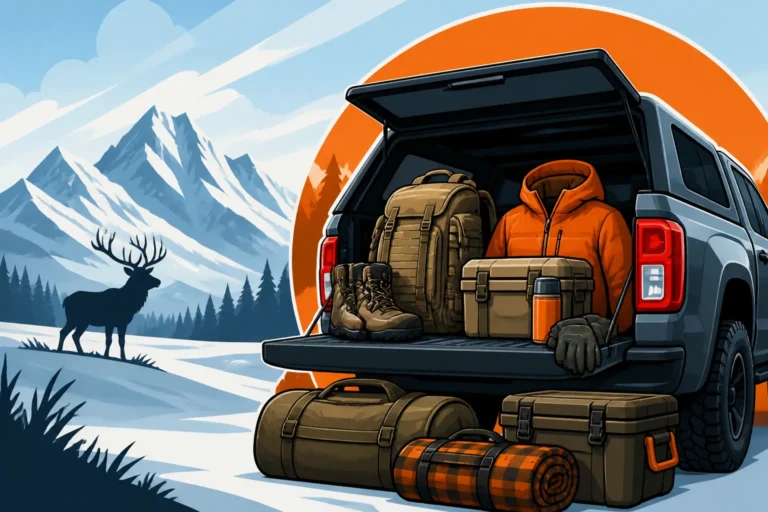
Alberta falls are notorious for their unpredictable weather. One day you might be comfortable in a light jacket, the next a blizzard rolls in. Therefore, a layered clothing system is absolutely essential. Start with a moisture-wicking base layer, add insulating layers (fleece, down), and top it off with a waterproof and windproof outer shell. This allows you to adapt quickly to changing temperatures and precipitation. Being prepared for Hunting Alberta Winter Weather Safely is not an exaggeration, even in early fall.
High-quality optics are not just recommended; they are paramount. Good binoculars (10×42 or 10×50) and a spotting scope (15-45x or 20-60x) are critical for scanning vast areas, identifying bears at long distances, and, most importantly, accurately judging size and confirming species. With Colour Phase Black Bears in Alberta being common, differentiating a black bear from a grizzly (which are protected and illegal to hunt) is a non-negotiable safety and ethical concern. Never take a shot if you can't be 100% sure of your target.
Your weapon choice – whether it's a rifle, bow, or muzzleloader – should be capable of delivering a clean, ethical kill. Bears have a thick hide and often a significant layer of fat, especially in the fall, which can make shot placement even more crucial. Practice diligently with your chosen weapon to ensure proficiency and confidence in varying field conditions.
Finally, a reliable GPS device or a smartphone with detailed mapping applications (like GoHunt or similar platforms) is invaluable. These tools, paired with knowledge of Reading an Alberta WMU Map Before You Go, will aid in navigation, marking kill sites, and ensuring you stay within legal hunting boundaries, especially in dense forest or unfamiliar terrain. A portable power bank is a must for electronic devices.
Meat Care, Retrieval, and Safety in the Field
Harvesting a bear is only half the job; proper Meat Care in Alberta's Cold and Warm Swings is vital to ensure the meat is not wasted. While fall temperatures might seem cool, a bear's thick hide and fat layer can hold heat for a long time, leading to spoilage if not addressed quickly. Field dress the animal promptly, skin it as soon as possible, and get the meat cooled down rapidly. This might mean quartering the bear and hanging the quarters in the shade, or even packing them out quickly to a cooler with ice.
Retrieval strategies are also crucial. A large black bear can be surprisingly heavy, and often they'll drop in dense cover. Plan how you'll get the animal out before you pull the trigger. Consider using a game cart, a sled (if snow is present), or even breaking the animal down into packable pieces. If you're planning to preserve the hide for a rug, knowing how to do a full Skinning a Bear for a Rug correctly in the field will save you significant headaches later.
Safety should always be your top priority. Always carry bear spray and know how to use it, especially when hunting in dense cover. Be acutely aware of your surroundings for signs of a sow with cubs; ethical hunters will never target a sow with dependent young. And constantly refresh your knowledge on Why Grizzly Bear Hunting Is Closed to avoid any catastrophic misidentification. If there's any doubt about species, let it walk.
Adhering to Alberta's Regulations and Ethics
Responsible hunting is legal hunting. It's imperative that you thoroughly understand and adhere to all of Alberta's hunting regulations. This includes verifying the specific WMU you're hunting in, possessing the correct tags, and knowing the Alberta Big Game Season Dates for all species, as your bear hunt might overlap with other seasons. Regulations can change annually, so always consult the most current Alberta hunting regulations guide.
Ethical shot selection is paramount. Always ensure you have a clear, unobstructed shot at the vital organs, and confirm your target isn't a sow with cubs. Avoid risky shots that could wound an animal and lead to unnecessary suffering or a lost animal. Respect for the animal you pursue is a cornerstone of ethical hunting.
Safety measures, such as compliance with Alberta Blaze Orange Requirements, are in place for a reason. During overlapping big game seasons, wearing blaze orange makes you visible to other hunters and significantly reduces the risk of accidents. Even if it's not strictly required for bear hunting in certain areas, it's a wise practice for safety.
Finally, always report your harvest correctly and promptly. This data is critical for wildlife managers to monitor bear populations, track harvest rates, and make informed decisions about future hunting seasons and regulations. Your participation contributes directly to the conservation efforts that ensure healthy bear populations for generations to come.
Disclaimer
The information provided in this guide is for general informational purposes only and is not a substitute for the official Alberta hunting regulations. Hunters are responsible for consulting and adhering to the most current regulations published by the Government of Alberta before participating in any hunting activities. Seasons, limits, and rules can change, and it is the hunter's sole responsibility to ensure compliance.