Alberta Big Game Season Dates
One of the biggest headaches for any hunter, whether you're a seasoned veteran or just starting out, is keeping tabs on the ever-shifting landscape of hunting season dates in Alberta. It feels like every year there's a new nuance, a different start date, or a change in a particular Wildlife Management Unit (WMU) that can make planning a hunt feel like a full-time job. This guide is here to untangle that complexity, providing you with a clear, in-depth look at Alberta's big game season dates so you can plan your adventures with confidence and avoid those frustrating surprises.
Understanding Alberta's Big Game Season Structure
Alberta’s hunting seasons are designed with a careful balance of conservation, hunter opportunity, and biological health of the game species. This means they aren't just one-size-fits-all; they're tailored to specific species, regions, and even hunting methods. Getting a handle on this foundational structure is the first step to becoming a more effective and compliant hunter. It’s not about just looking up a date; it’s about understanding the why behind those dates.
General Seasons vs. Special Licence Seasons
The very first distinction you need to wrap your head around is the difference between "general" seasons and "special licence" seasons. Think of general seasons as your bread and butter – these are the opportunities available to most resident hunters who possess a valid Wildlife Certificate and species-specific licence. For species like white-tailed deer and black bear, a significant portion of the province falls under general seasons, meaning you can buy your licence and head out, provided you're adhering to all other regulations like the proper weapon type for the season and WMU. These are the hunts many of us cut our teeth on, offering widespread access to various game.
Special licence seasons, on the other hand, are highly regulated and often competitive. These are typically for species or specific opportunities where management goals require stricter control over harvest numbers or specific animal demographics (like antlerless animals or specific bull/ram sizes). Most moose, elk, mule deer in certain areas, mountain goats, and pronghorn are primarily hunted through Alberta's Special Licence Draws. This lottery system manages pressure and ensures sustainable populations. Applying for these draws requires foresight, often months in advance of the actual hunting season, and success is never guaranteed. This system can be frustrating, especially when you’re building priority points year after year, but it’s crucial for maintaining healthy trophy animals and preventing overharvest in sensitive areas.
Archery, Rifle, and Muzzleloader Seasons
Alberta wisely segments its big game seasons not just by species and location, but also by the type of weapon you choose to hunt with. This creates diverse opportunities and helps manage hunter density and success rates.
- Archery Seasons: These are almost always the earliest seasons for big game, offering hunters a chance to get into the woods before the general rifle seasons open. They typically start in late August or early September. The quiet nature of archery hunting means less disturbance to game, and it provides a unique challenge that many hunters cherish. For example, Bowhunting Alberta's Early Archery Seasons are a fantastic way to experience the woods before the hustle and bustle of rifle season begins. It's a completely different experience, requiring close encounters and often a more intimate understanding of animal behaviour.
- Rifle Seasons: These are the most popular and widespread big game seasons in Alberta, typically running from late October through November, and sometimes extending into December for certain species or WMUs. Rifle seasons generally offer the longest hunting periods and cover the largest geographical areas. The extended range and stopping power of a rifle make it a practical choice for many hunters, especially when dealing with larger game or hunting in more open terrain. For a lot of us, Rifle Hunting Alberta's General Seasons is the peak of our hunting calendar, often coinciding with the whitetail rut.
- Muzzleloader Seasons: Muzzleloader seasons are often intertwined with archery or rifle seasons, or they might have their own specific, shorter windows. They usually offer an extended opportunity after archery seasons or before/during general rifle seasons, particularly in areas where overall hunter numbers need to be managed. The challenge of hunting with a muzzleloader—the single shot, the smoke, the traditional feel—appeals to a dedicated segment of the hunting community. It demands discipline, careful shot placement, and a real appreciation for the historical roots of hunting.
Understanding these weapon-specific seasons is vital for planning your hunt. A WMU might be open for archery in September, closed in October, and then open again for rifle in November. Always double-check the specific regulations for your chosen WMU and species.
Wildlife Management Units (WMUs) and Regional Variations
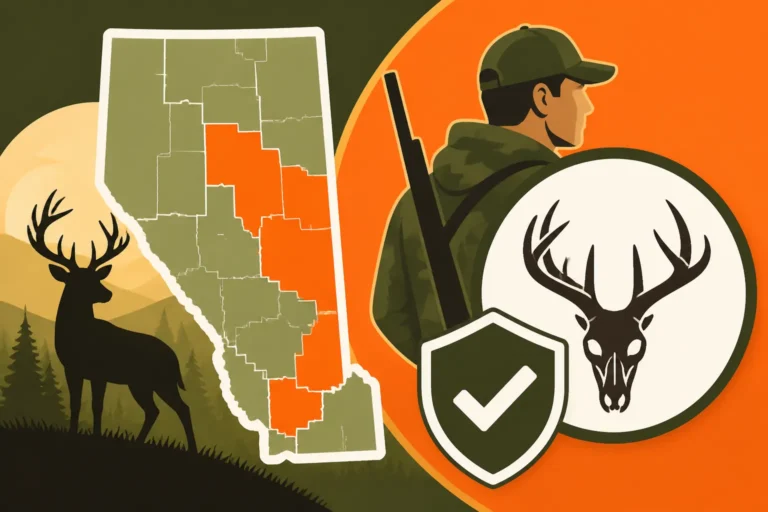
Alberta is divided into 219 distinct Alberta's Wildlife Management Units, or WMUs, which are the cornerstone of the province's game management strategy. Each WMU is a specific geographical area with its own unique habitat, game populations, and, critically, its own set of season dates and regulations. What's legal and open in one WMU might be closed or regulated differently just a few kilometers away. This hyper-local approach allows Fish and Wildlife to manage specific herds based on local conditions, population trends, and habitat availability.
This WMU system is both a blessing and a curse. It allows for incredibly precise management, ensuring sustainable hunting opportunities. However, it also means hunters must be meticulous in their research. You can't just assume that because you can hunt whitetail in WMU 200, the same rules apply to WMU 300. WMUs can also have different rules regarding antler restrictions (e.g., three-point rules for mule deer), or specific draw allocations. Before you even think about putting on your boots, you must identify the WMU you plan to hunt and review its specific regulations. Websites like GoHunt offer detailed breakdowns and often integrate this information into their mapping tools, which can be a lifesaver when navigating these complex regulations. Failing to do so can lead to an illegal hunt, even if your intentions were good.
| Species | Typical General Archery Season Dates (approx.) | Typical General Rifle Season Dates (approx.) | Special Licence/Draw Seasons (varied) | Key WMU Groups/Regions |
|---|---|---|---|---|
| White-tailed Deer | Late Aug/Early Sept – Mid-Oct | Late Oct – Nov (some Dec) | Antlerless draws (later seasons) | Province-wide |
| Mule Deer (Antlered) | Early Sept – Mid-Oct | Late Oct – Mid-Nov | Antlerless draws (limited WMUs) | Prairie, Parkland, Foothills |
| Moose | Early Sept – Mid-Oct (limited) | Late Oct – Nov (some Dec) | Majority through Draw | Boreal, Foothills |
| Elk | Early Sept – Mid-Oct (limited) | Late Oct – Mid-Nov | Majority through Draw | Foothills, Mountains, Parkland |
| Black Bear | Late Apr – Early Jun (Spring) | Mid-Aug – Oct (Fall) | General Licence | Forested areas |
| Pronghorn | N/A (draw only) | N/A (draw only) | Late Sept – Early Oct (Draw) | Southern Prairie |
| Bighorn Sheep | N/A (draw only) | N/A (draw only) | Sept – Oct (Draw) | Mountain |
| Mountain Goat | N/A (draw only) | N/A (draw only) | Sept – Oct (Draw) | Mountain |
| Cougar | N/A (General) | Dec – Feb | General Licence (Quota) | Foothills, Mountains |
| Wolf/Coyote | N/A (General) | Open Year-Round (Varies) | General Licence | Province-wide |
Note: This table provides typical ranges; always consult current Alberta Hunting Regulations for precise dates and WMU-specific details.
White-tailed Deer Season Dates in Alberta
White-tailed deer are undeniably Alberta's most popular big game animal, and for good reason. They're found virtually everywhere, from the northern boreal forest to the southern farmlands and everything in between. This wide distribution means there are ample opportunities, but also a complex web of season dates that can change depending on your chosen WMU. Understanding these dates is key to maximizing your chances at a mature buck or filling your freezer with venison.
Early Archery and General Whitetail Seasons
For many, the first whisper of fall means it's time to dust off the bow. Alberta's archery season for white-tailed deer typically kicks off in late August or early September, running through until mid-October in many WMUs. This early season offers a unique challenge, as bucks are often still in velvet, focused on summer feeding patterns, and less influenced by the pre-rut crazies. It's a fantastic time to pattern deer moving from their bedding to feeding areas, especially near agricultural fields or dense bush edges. The quiet of the archery season allows for a more stealthy approach, and can lead to incredible, up-close encounters if you're patient.
Following the archery window, the general rifle seasons for white-tailed deer typically open in late October. This is often when things really get going across the province. In many WMUs, particularly in the productive Parkland and agricultural areas, general rifle season runs through most of November, often extending into early December. This timing strategically aligns with the whitetail rut, which is a major draw for hunters. These general seasons usually allow for the harvest of antlered white-tailed deer, though some WMUs may have specific antler restrictions. Always, and I mean always, double-check the Alberta Hunting Regulations for the specific WMU you intend to hunt.
Late Season Opportunities and Antlerless Licences
Beyond the main general season, Alberta offers a variety of late-season opportunities for white-tailed deer, particularly for antlerless animals. These opportunities are often managed through supplemental antlerless licences, which become available after the main draws or in specific WMUs where deer populations need to be managed more aggressively. These hunts typically extend into December and even early January in some areas, offering a chance to fill the freezer after the general seasons have closed. This can be a real blessing, especially if you had a tough general season or are looking for some prime meat.
Hunting late in the season, when snow has often fallen and temperatures have dropped, can be incredibly productive. Deer are concentrated in wintering areas, and their need to feed is paramount. However, it also presents its own set of challenges, from extreme cold to difficult travel conditions. Learning Where Alberta Whitetails Bed in Deep Snow can be critical to success during these late-season hunts. These late seasons are crucial for population control, especially in agricultural zones where deer can cause significant crop damage, offering a win-win for both landowners and hunters.
Key Whitetail Rut Dates Across WMUs
Ah, the rut! This is arguably the most anticipated time of year for whitetail hunters, when bucks are actively seeking does and their predictable patterns go out the window, replaced by a frenzied pursuit. In Alberta, the whitetail rut typically peaks in early to mid-November, making the general rifle season in November prime time for many hunters. You might find some early scraping and rubbing activity starting in late October, indicating the pre-rut phase. By the second or third week of November, bucks are often on their feet throughout the day, covering ground and susceptible to calling and rattling. For many, Hunting the Rut in Early November is the ultimate challenge and reward.
The exact timing of the rut can vary slightly year to year based on environmental factors, and also geographically across Alberta’s vast landscape. Bucks in the northern boreal forest might be slightly ahead or behind those in the southern parkland. It’s important to pay attention to local conditions, trail camera photos, and fresh sign like rubs and scrapes to gauge the intensity of the rut in your chosen WMU. This period, from roughly November 5th to 20th, often sees increased deer movement during daylight hours, making it an exciting—and often cold—time to be in the deer woods. Using tools like GoHunt can help you zero in on specific rut predictions for your hunting area.
Mule Deer Season Dates and Regulations
Mule deer, with their distinctive bounding gait and impressive antlers, are a sought-after species in Alberta. While they share some overlap with whitetails, their season dates and specific regulations, especially the "three-point rule," set them apart. Hunting mule deer often involves different tactics, especially in their preferred open country, making season timing even more critical.
Open Seasons for Antlered Mule Deer
For antlered mule deer, Alberta offers both archery and general rifle seasons. The archery season usually aligns with the early whitetail archery season, starting in early September and running through to mid-October in many WMUs. This is a tough hunt for archery hunters, as mule deer often inhabit more open, broken terrain where getting within bow range can be incredibly challenging. However, the opportunity to hunt them before the pressure of rifle season arrives is a significant draw.
General rifle seasons for antlered mule deer typically open in late October and run into mid-November, often paralleling the whitetail rifle seasons. However, mule deer seasons are often shorter and more restricted than whitetail seasons, especially in the more open prairie and badlands WMUs. This is partly due to population management and partly because mule deer are more vulnerable in their open habitats. You’ll find prime opportunities in the badlands coulees, prairie ridges, and the broken foothills. Success often hinges on effective glassing and the ability to spot-and-stalk, and platforms like GoHunt can provide useful insights into success rates by WMU.
Draw-Only Antlerless Mule Deer Opportunities
Unlike white-tailed deer, where antlerless licences are often available over the counter or through supplemental sales, antlerless mule deer opportunities are almost exclusively managed through the special licence draw system. These draws are designed to precisely manage mule deer populations, particularly in areas where numbers might be lower or where specific management objectives are in place. These antlerless tags are highly coveted and often require accumulating several priority points to draw in desirable WMUs.
The seasons for antlerless mule deer drawn through the special licence system are typically later in the fall, sometimes extending into December. These hunts provide valuable opportunities for meat hunters and are vital for maintaining healthy deer herds by controlling doe populations. If you're serious about harvesting an antlerless mule deer, applying for the draw consistently is your best bet. Keep a close eye on the draw application deadlines, usually in June, to ensure you don't miss out on your chance to build or use your priority points.
Understanding the Three-Point Mule Deer Rules
One of the most distinctive and sometimes confusing regulations for mule deer hunters in Alberta is the "three-point rule." This regulation, implemented in specific WMUs (often those with lower or recovering mule deer populations), dictates that only antlered mule deer with at least three points on one antler, not including the brow tine, can be legally harvested. This rule is a conservation measure designed to protect younger bucks and allow them to reach older age classes, thereby improving herd genetics and trophy potential.
For hunters, this means not just identifying a buck, but carefully counting its points. This can be challenging in the field, especially at a distance, in poor light, or when a buck is moving. Misidentifying a legal buck can lead to a violation, which carries serious penalties. It's crucial to be absolutely certain before you take a shot. Spend time before the season familiarizing yourself with Hunting Alberta's Three-Point Mule Deer Rules and practicing your antler counting on various bucks (even photos or videos) to ensure you're confident in the field. This rule is a testament to Alberta's commitment to quality big game management.
Moose Hunting Season Dates
Moose are the monarchs of Alberta’s northern forests and foothills, offering an incredibly rewarding, albeit often challenging, hunting experience. Their sheer size and the rugged terrain they inhabit make moose hunting a true adventure. However, unlike deer, moose hunting in Alberta is predominantly managed through a special licence draw system, making understanding the draw periods and season dates paramount.
General Moose Seasons by Region
While most moose hunting in Alberta falls under the special licence draw system, there are limited general seasons in certain WMUs, particularly in the northern boreal forest. These general seasons typically allow for the harvest of antlered moose and might have specific antler point restrictions. Archery seasons for moose, where they exist, usually open in early September and run for a few weeks, providing a unique challenge to get within bow range of these massive animals.
General rifle seasons for moose are far less common than for deer and are usually shorter, often opening in late October and running through November in very specific WMUs. These general tags are highly sought after where they are available. The regulations for general moose seasons are very specific to each WMU, often reflecting local population health and hunter pressure. Always confirm the current regulations, as these general opportunities can change year-to-year based on population surveys and management objectives.
Draw-Only Moose Seasons and Cow/Calf Opportunities
The vast majority of moose hunting opportunities in Alberta are allocated through the provincial special licence draw system. This system includes draws for antlered moose, antlerless moose, and occasionally cow/calf moose. Antlered moose draws are the most common, and depending on the WMU, can require a significant number of priority points to successfully draw a tag. These seasons typically run through October and November, with some extending into December, coinciding with the moose rut and post-rut feeding periods.
Antlerless and cow/calf moose draws are generally less competitive but still require applying through the draw. These tags are crucial for population management and offer excellent opportunities for hunters focused on meat. They also typically have later season dates, sometimes extending into the deep cold of December. Knowing when Calling Moose in Alberta's Boreal Forest is most effective can be a game-changer during the rut, often within these draw-only seasons. The draw application deadline, usually in June, is a critical date to mark on your calendar if you dream of a moose hunt.
Early Season Archery for Moose
For those dedicated archery hunters, early September offers a limited window for moose, primarily for antlered animals in specific WMUs that have an archery-only season. These seasons are brief, typically lasting only a few weeks, and require a draw in many areas. However, for the serious traditionalist or compound shooter, it's an incredible opportunity. Hunting moose with a bow demands incredible patience, stealth, and an understanding of moose behavior.
During this early archery season, moose are often still in their summer feeding patterns, primarily focused on rich aquatic vegetation and new growth. The rut hasn't fully kicked in, but bulls are often responsive to calling if you can locate them. The bush can be incredibly dense and buggy at this time of year, adding to the challenge. Success in the early archery season often comes down to persistent scouting and finding those hidden pockets where moose feel secure. Using mapping platforms like GoHunt can help identify potential areas where early season moose might be found.
Elk Season Dates and Draw Considerations
Elk are another prized big game species in Alberta, known for their majestic bugle and impressive antlers. Found predominantly in the foothills and mountain regions, but also increasingly present on agricultural lands, elk offer diverse hunting experiences. Like moose, however, most elk hunting is managed through Alberta's special licence draw system, making careful planning and application essential.
Elk Seasons in Foothills and Mountain WMUs
In Alberta’s beautiful foothills and mountain WMUs, elk seasons for antlered animals are almost exclusively determined by the special licence draw. These seasons typically kick off with an early archery period in late August or early September, extending into mid-October in many units. For those lucky enough to draw a tag, this early season can be spectacular, coinciding with the peak of the elk rut, where the mountains echo with the sound of bugling bulls. Getting in close to a bugling bull during this time, as highlighted in Bugling Elk in Alberta's Foothills, is an experience few hunters forget.
The general rifle seasons for drawn antlered elk in these regions typically run from late October through November, with some variations. These hunts often involve covering vast, rugged terrain, and a successful harvest is hard-earned. Access can be a challenge, sometimes requiring horseback or extensive backpacking. The specific dates and regulations for elk can vary significantly between adjacent mountain or foothills WMUs, so always check the current year's regulations for your specific draw tag.
Farmland Elk Seasons and Damage Control Licences
Elk populations have been expanding into Alberta’s agricultural zones, particularly in certain parkland and prairie WMUs. While this offers new hunting opportunities, it also creates challenges with crop damage. To manage these populations and mitigate damage, Alberta offers specific draw seasons for elk in these farmland areas, often including antlerless or cow/calf opportunities. These draws are designed to reduce elk numbers where they conflict with agricultural operations.
The season dates for farmland elk can be quite varied, sometimes extending later into the fall and early winter than mountain hunts. These hunts often require gaining permission from landowners, which can be a significant hurdle. However, successful hunters can often find high numbers of elk concentrated on private lands. In some instances, Damage Control Licences may be issued directly to landowners, or specific hunting opportunities created to address acute problems. These are usually not widely advertised and require local knowledge or direct contact with Fish and Wildlife.
Navigating the Elk Draw System
The Alberta elk draw system can be daunting for newcomers. It operates on a priority point system, where unsuccessful applicants gain a point, increasing their odds in subsequent years. Highly sought-after WMUs with good trophy potential can require many years of accumulating priority points to draw an antlered elk tag. Antlerless elk draws are generally less competitive and may be easier to draw, especially in certain farmland WMUs.
Understanding the application process, key deadlines (typically early June), and how priority points work is crucial. Alberta's Draw Priority Point System is designed to ensure fairness over time, but it means patience is often a virtue. Many hunters use resources like GoHunt to analyze draw odds and determine which WMUs offer the best chance of success for their accumulated priority points. It's a strategic game, and doing your homework long before the season begins is the only way to play it effectively.
Black Bear and Predator Season Dates
Beyond the pursuit of antlered big game, Alberta offers excellent opportunities for hunting black bear and various predators. These hunts provide unique challenges and are often more accessible, with many general licence options available. However, they too come with specific season dates and important regulations.
Spring and Fall Black Bear Seasons
Black bear hunting is a popular pursuit in Alberta, with two distinct seasons that offer different experiences.
- Spring Bear Season: This is arguably the more popular season, typically opening in late April or early May and running through to early June in most forested WMUs. This season coincides with bears emerging from their dens, often lean and focused on finding food. Early season bears are frequently found grazing on green-ups along cutlines, south-facing slopes, and in burn areas. For those interested, Setting a Bear Bait Site in Alberta is a common and effective tactic during the spring, where legal. The weather can be unpredictable, ranging from warm sunshine to late-season snowfalls, adding to the adventure.
- Fall Bear Season: Alberta’s fall bear season usually opens in mid-August and extends through October, often overlapping with early deer and elk seasons. Fall bears are focused on bulking up for winter, feeding heavily on berries, nuts, and other forage. This can be a great time to hunt, as bears are active and often concentrated in areas with abundant food sources. Many hunters combine a fall bear hunt with other big game hunts, making for a diverse outdoor experience. Unlike spring, baiting is typically not as common or effective in the fall due to the abundance of natural food.
Both seasons require a general black bear licence, available over the counter. There are often limits of two bears per hunter per year, with specific restrictions on harvesting sows with cubs. Always confirm these details in the regulations.
Cougar, Wolf, and Coyote Hunting Seasons
Alberta offers year-round opportunities for some predators, while others are more restricted.
- Cougar: Cougar hunting in Alberta is a draw-only special licence for residents in some WMUs, and a general licence for others, with specific season dates and an important quota system. Seasons for cougars typically run through the winter months, from December to February. The most common method involves tracking cougars in fresh snow, often with the aid of hounds where legal. It’s crucial to understand the cougar quota system; once the quota for a specific WMU is met, the season closes immediately. Hunters must call a dedicated phone line daily to check if the season is still open.
- Wolf: Wolves can be hunted with a general licence in many WMUs, often with very long seasons or even year-round opportunities in certain areas, particularly in the northern half of the province. While a general licence is required, specific regulations regarding weapon type, land access, and reporting still apply. Hunting wolves often involves extensive tracking, calling, or incidental encounters while hunting other species.
- Coyote: Coyotes are often viewed as a pest species in agricultural areas, and as such, they typically have an open, year-round season with a general licence throughout much of Alberta. There are often no bag limits. Coyote hunting is a popular winter pastime for many, often involving calling, trapping, or incidental shooting. Always be mindful of local bylaws, land access, and safe shooting practices, especially near developed areas.
Important Quota and Reporting Requirements for Predators
For species like cougar, where harvest numbers are closely monitored, a quota system is in place. This means that once a predetermined number of animals have been harvested in a specific WMU, the season closes. This requires hunters to be diligent and check the Fish and Wildlife quota line frequently (often daily) to ensure the season is still open before heading out. Failure to do so could result in harvesting an animal out of season, which carries significant penalties.
Furthermore, successful harvest of certain predators, particularly cougar and sometimes wolf, may require mandatory reporting to Fish and Wildlife. This usually involves presenting the skull and hide for examination and sealing within a specified timeframe. These reporting requirements are vital for wildlife managers to gather data on populations, age structures, and health, contributing to sustainable management. Always ensure you are fully aware of all reporting and sealing requirements for any predator you intend to hunt. Websites like GoHunt might offer handy alerts or tools to keep track of these quotas.
Draw Species and Sheep: Pronghorn, Bighorn Sheep, and Mountain Goat
Alberta is home to several other incredible big game species that offer truly unique hunting experiences, but these are almost exclusively managed through the special licence draw system. These hunts are often highly competitive, require significant commitment, and for some, are the pinnacle of a hunter’s career.
Pronghorn Seasons in Southern Alberta
Pronghorn, often called "speed goats," are a symbol of Alberta's southern prairie. Their incredible eyesight and blistering speed make them a challenging and exciting quarry. Pronghorn hunting is entirely managed through the special licence draw. These draws are very competitive, especially for rifle seasons in popular WMUs, and can require many priority points to draw a tag. Archery draws for pronghorn, while still competitive, might offer slightly better odds in some areas.
Pronghorn seasons typically run for a relatively short window in late September to early October. This timing coincides with cooler weather, but before deep snow impedes travel in their open habitats. Hunting pronghorn often involves extensive glassing from elevated positions and then attempting a challenging stalk across open ground. Success rates can vary, but Hunting Alberta's Pronghorn Draw is a unique experience that combines patience, skill, and the vast beauty of the prairie.
Bighorn Sheep Seasons in Mountain WMUs
For many, harvesting a bighorn sheep is a lifelong dream. Alberta’s Rocky Mountains are renowned for producing some truly magnificent rams, but these hunts are incredibly challenging and exclusive. Alberta residents can buy a class 1 (trophy) sheep licence without entering a draw, while class 2 (non-trophy) sheep are drawn (draw 29), with seasons typically running from September through October in designated mountain WMUs. Only the WMU-special class 1 draws (410, 437, 444/446, 408 and 438) and the non-resident Canadian class 1 draw (draw 31, once in a lifetime) are competitive draws.
Even with a tag, the hunt itself is an extreme physical challenge. It involves Backpacking Into Alberta's Bighorn Country, navigating steep, rugged terrain, and enduring unpredictable mountain weather. Spotting sheep from a distance and executing a successful stalk on these wary animals in their vertical world demands peak physical fitness and mental fortitude. These limited opportunities ensure the conservation of these iconic animals and the maintenance of a high-quality hunting experience.
Mountain Goat Season Details and Access Challenges
Mountain goats are another highly prized species, inhabiting the most remote and inaccessible parts of Alberta’s mountains. Like bighorn sheep, mountain goat hunting is a draw-only affair, with seasons generally running from September through October in very specific mountain WMUs. Drawing a mountain goat tag is also exceptionally competitive and requires a substantial number of priority points.
The hunting experience is similar to bighorns in its demands for physical endurance and mental toughness. Hunters often face extreme vertical climbs, exposed terrain, and the constant threat of rapidly changing weather. Access to mountain goat habitat is often limited, sometimes requiring long hikes, horseback trips, or even float plane charters into remote areas. These hunts are truly once-in-a-lifetime opportunities, reserved for those who are dedicated and prepared for the ultimate mountain hunting adventure.
Essential Planning Tools and Resources for Alberta Seasons
Navigating Alberta's big game season dates, WMU boundaries, and regulations can feel like a full-time job. But with the right tools and resources, you can transform that frustration into confident planning. The modern hunter has access to an incredible array of information, if you know where to look and how to use it.
Navigating the Alberta Regulations
The absolute cornerstone of planning any hunt in Alberta is the official Alberta Hunting Regulations Guide. This document, published annually by the provincial government, contains all the legal season dates, bag limits, WMU boundaries, and specific rules for every game species. You can usually find a digital version online via the MyWildAlberta website, and physical copies are often available at licenced vendors. Do not rely solely on hearsay or outdated information from previous years; regulations do change, sometimes subtly, sometimes significantly.
It’s not enough to just skim the regulations. You need to carefully read the sections pertaining to the species you intend to hunt, the WMU you plan to be in, and the specific weapon type you'll be using. Pay close attention to any tables, footnotes, or special conditions. For example, some WMUs might have a general season for one species but a draw-only season for another. This guide is your legal bible in the field, and ignorance of the law is never an excuse.
Utilizing Digital Mapping and Scouting Tools
In today's hunting world, digital mapping and scouting tools are indispensable for planning your Alberta hunt. Platforms like GoHunt and others have revolutionized how hunters approach their season planning. These tools often overlay WMU boundaries, land ownership (Crown vs. private), topography, satellite imagery, and even historical burn data, all on one interactive map. This allows you to visually identify prime habitat, assess access points, and understand the terrain long before you ever set foot in the field. This capability is invaluable, especially when you're considering Scouting an Alberta WMU Before Season.
By combining the official regulation dates with the visual information from these mapping apps, you can quickly determine legal hunting areas, identify potential bedding and feeding zones, and plan your routes. Many apps also allow you to mark waypoints, track your movements, and share information with hunting partners. The ability to see public land access, especially in complex areas like the foothills where Crown land can be fragmented, is a game-changer. These tools don’t replace boots on the ground, but they make your time in the field far more efficient and productive.
Planning for Success with Outfitter Information
For non-residents, or for residents seeking a specialized hunt, considering an outfitter can be a fantastic way to navigate Alberta's hunting landscape and season dates. Outfitters are intimately familiar with the regulations, WMU boundaries, and prime hunting periods for specific species. They often have access to private land, special allocations for draw species, and years of experience on particular game. Their knowledge can be invaluable, especially for hunting remote areas for species like bighorn sheep or mountain goats.
When researching outfitters, ask specific questions about their season dates, success rates, and what type of licence (general or draw) is required for their hunts. Many will have certain weeks blocked out for rifle hunts, or specific periods for archery only. An outfitter can help you navigate the licence application process, understand the specific season windows, and ensure you're compliant with all regulations. They are also adept at advising on the best times to hunt for peak rut activity or optimal weather conditions, maximizing your chances for a successful and memorable hunt.
Disclaimer
Please note that hunting regulations, including season dates, licence requirements, and bag limits, can change annually. The information provided in this guide is for general informational purposes only and should not be considered a substitute for the official Alberta Hunting Regulations. Always consult the most current Alberta Hunting Regulations Guide published by the Government of Alberta before planning or engaging in any hunting activities. It is the hunter's responsibility to know and follow all applicable laws and regulations.