Bowhunting Alberta’s Early Archery Seasons
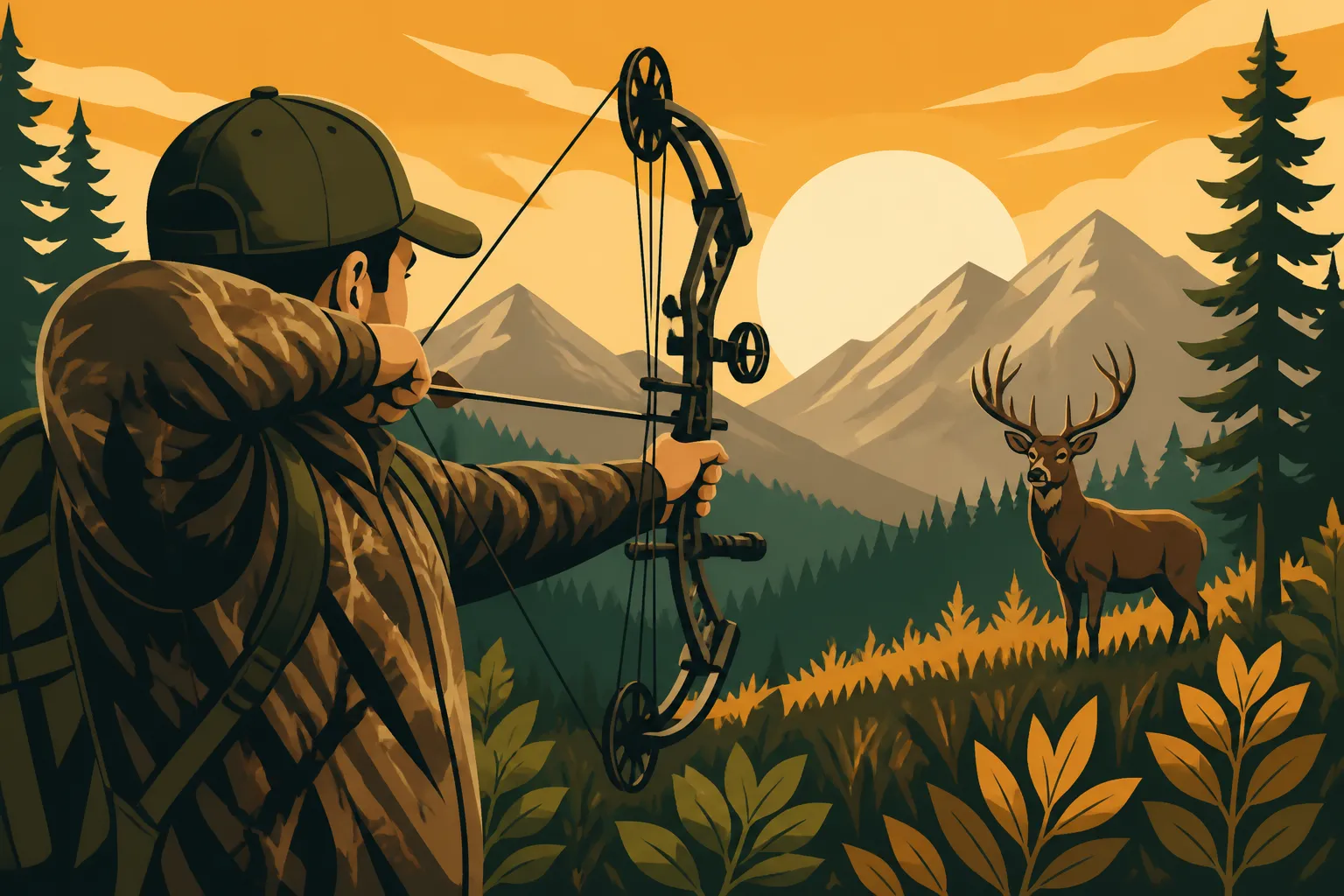
The crisp air of an Alberta September morning, often accompanied by the smell of damp earth and turning leaves, holds a unique allure for bowhunters. It's a time of immense opportunity, but it also presents a distinct set of challenges: fluctuating weather, dense foliage, and animals still largely on their summer patterns. This comprehensive guide will navigate the nuances of Alberta's early archery seasons, equipping you with the knowledge and tactics to make your bowhunting dreams a reality.
Understanding Alberta's Early Archery Season
The early archery season in Alberta is a truly special time for those who prefer the quiet challenge of the bow. It's a window of opportunity before the full-blown rifle seasons open, offering a more intimate connection with the wild and often a chance at animals that haven't yet been heavily pressured. However, it’s not without its particularities, from the specific dates you need to mark on your calendar to the distinct environments you’ll be hunting.
Key Dates and Regulations for Archery Opener
Alberta's archery season typically kicks off in late August or early September, depending on the Wildlife Management Unit (WMU) and the species you're pursuing. This early start gives bowhunters a jump on the general seasons, which often begin later in September or October. It’s crucial to understand that while many WMUs open for archery at similar times, there can be subtle differences. For instance, you might find some WMUs have an earlier start for mule deer than whitetails, or vice-versa, particularly in certain zones like the agricultural 'white area' versus the 'green area' forestry zones.
Always, and I mean always, check the current Alberta Hunting Regulations at the start of each year. Regulation changes can occur, and it’s your responsibility as a hunter to be fully aware of them. Pay close attention to the specific dates for white-tailed deer, mule deer, and elk, as these are the primary big game species bowhunters target in the early season. Beyond dates, familiarize yourself with antler point restrictions if any apply to your chosen WMU for certain species. For example, some areas might have a three-point or more restriction for mule deer, even during archery season. Understanding these nuances is paramount to a legal and ethical hunt. You can also dive deeper into the specific season dates by reviewing our guide on Alberta Big Game Season Dates.
The Landscape of Alberta's Archery Zones
Alberta is a vast province, and its diverse geography offers a range of bowhunting experiences. From the rolling aspen parkland to the rugged foothills and the expansive northern boreal forest, each landscape presents its own set of challenges and opportunities for early season bowhunting. In the parkland and agricultural zones, often referred to as the 'white area', you'll find a mosaic of cultivated fields, aspen bluffs, and river drainages. Here, animals are often patterned around feed, water, and thick cover. The early season means crops might still be standing or recently swathed, impacting how deer and elk move.
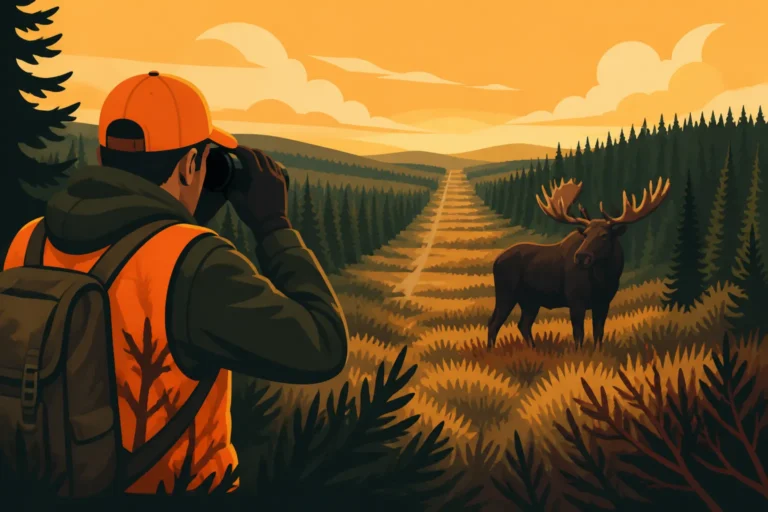
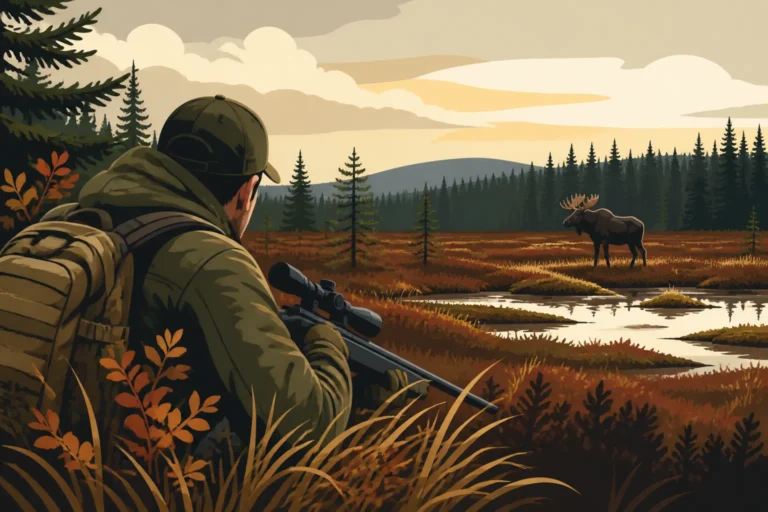
Move further west into the foothills, and the terrain becomes more broken, with mixed forests, clear-cuts, and open slopes. Elk are a significant draw here, and finding them often means covering ground, either on foot or with the aid of horses. The boreal forest to the north is vast and dense, offering a true wilderness experience. Moose, black bear, and whitetails are common here, but the thick cover makes close-range bow encounters particularly challenging. Each of these zones demands a different approach, from understanding bedding and feeding patterns to adapting to varying visibility and accessibility. It's not a one-size-fits-all approach when you're thinking about Alberta's Wildlife Management Units and their unique characteristics.
Unique Challenges of September Bowhunting
September bowhunting in Alberta brings a unique blend of excitement and frustration. One of the biggest hurdles is the weather. While we dream of cool, crisp mornings, September can often deliver scorching heat, especially in the southern and central parts of the province. This means animals are less active during daylight hours, preferring to move at dawn, dusk, or even throughout the night. High temperatures also pose significant challenges for meat care, requiring immediate and careful attention to field dressing and cooling. Humidity, common in many areas, can amplify the feeling of heat and contribute to insect activity.
Another major challenge is the foliage. Early September sees most trees and shrubs in full leaf, providing excellent cover for animals but drastically reducing visibility for hunters. Spot-and-stalk can be nearly impossible in dense bush, forcing bowhunters to rely heavily on ambush tactics from stands or blinds. Animal behavior is also a factor. Deer and elk are still largely in their summer patterns, often nocturnal, and haven't yet felt the urge of the rut. Bucks and bulls might still be in bachelor groups, and their movement can be less predictable than later in the fall. Furthermore, insects like mosquitoes and black flies can be relentless, especially in timbered or marshy areas, demanding good bug repellent and sometimes even head nets to maintain focus.
Essential Gear for Early Season Bowhunting
Having the right gear isn't just about comfort; it's about increasing your odds of success and ensuring your safety. Early season bowhunting in Alberta demands a thoughtful approach to your kit, from your archery setup to your clothing and scouting tools. The variable conditions, dense cover, and the need for stealth all play a role in what you should pack.
Bow and Arrow Setup Considerations
Your bow and arrow setup for early season bowhunting needs to be meticulously tuned and suited to the conditions. First and foremost, ensure your bow is sighted in perfectly. A broadhead tune is absolutely critical – don’t just assume your broadheads will fly like your field points. Practice with the exact broadheads you intend to hunt with at various distances, including close range, as many early season shots can be tight and quick. For arrow selection, consider heavier arrows for increased kinetic energy and better penetration, especially if you anticipate encountering larger animals like elk or big mule deer. While speed is often emphasized, quietness and accuracy are paramount for bowhunting.
Your broadheads should be razor-sharp and ideally a design that offers excellent penetration. Fixed-blade broadheads are often favored for their reliability and robust construction, especially when punching through bone or thick hide. Mechanical broadheads have their place, but ensure they are reliable and practice with them to confirm deployment and flight characteristics. Also, don't forget the small details: a reliable release aid, a quiet arrow rest, and a quiver that holds your arrows securely without rattling. Remember, the quietest setup often translates to the most effective one when you're trying to get a shot off without spooking a mature buck. Ensure your chosen setup adheres to the Legal Bow Draw Weight in Alberta guidelines.
Clothing and Layering for Variable Weather
Alberta's early archery season is notorious for its fickle weather. You might start the morning in frosty conditions, only for temperatures to soar into the high 20s or even 30s Celsius by midday. This variability makes layering absolutely essential. Start with a moisture-wicking base layer to manage sweat, which can quickly lead to a chill if it cools down. A mid-layer, such as a fleece or lightweight insulated jacket, provides warmth that can be easily shed. Your outer layer should be quiet, durable, and offer protection from wind and light rain. Many hunters opt for camouflage patterns that blend with the green and brown tones of early fall foliage.
Consider packability when selecting your layers. You'll likely be carrying your outer layers or insulation for much of the day. A good rain jacket and pants are non-negotiable, as an unexpected September shower can quickly turn uncomfortable. Don’t forget appropriate headwear, like a lightweight cap for sun protection or a beanie for cold mornings. Quality gloves, preferably thin enough for bow control but warm enough for chilly waits, are also vital. Footwear should be comfortable, waterproof, and provide good ankle support, especially if you're covering uneven ground. Companies like Sitka Gear and Kuiu offer excellent layering systems designed for bowhunting, focusing on quiet fabrics and weather versatility.
Optics and Scouting Tools for Bowhunters
For early season bowhunting, your optics are your eyes in the field, and a good set can make all the difference. High-quality binoculars, typically 8×42 or 10×42, are indispensable for scanning distant fields, identifying movement in dense timber, or picking apart cover for bedded animals. Look for binoculars with excellent light transmission for those critical low-light periods at dawn and dusk. A rangefinder is also a non-negotiable item for bowhunters. Knowing the exact distance to your target is paramount for ethical shot placement with a bow, where trajectory changes significantly with yardage. Practice ranging objects quickly and quietly.
Beyond your primary optics, consider a spotting scope if you're hunting open country for mule deer or elk, as it allows you to evaluate animals from a distance without disturbing them. For scouting, a good GPS unit or a reliable mapping app on your smartphone is crucial. Apps like GoHunt offer detailed satellite imagery, topographic maps, and public/private land boundaries, allowing you to identify bedding areas, travel corridors, water sources, and potential stand locations well before the season. This kind of technology can save countless hours of walking and dramatically increase your efficiency when Scouting an Alberta WMU Before Season. Don't forget a headlamp with a red light option for navigating to and from your stand in the dark, preserving your night vision.
Pre-Season Scouting and Planning Strategies
Successful early season bowhunting in Alberta is rarely a matter of luck. It's the result of diligent pre-season scouting and meticulous planning. Knowing your chosen WMU inside and out, understanding animal behavior patterns, and identifying precise locations for ambush or stalk are all crucial steps. This is where your investment of time before the season truly pays off.
Interpreting Early Season Animal Movement
Understanding how deer, elk, and moose move in the early season is key to setting up successful ambushes. Unlike the rut, which drives animals to cover ground in search of mates, early season movement is primarily dictated by food, water, and security. Animals will be focused on maximizing their caloric intake to build up reserves for the upcoming winter and rut. In agricultural areas, this often means predictable movements between bedding cover (like aspen bluffs or dense river bottom thickets) and prime feeding grounds (alfalfa fields, pea fields, or standing canola). However, these movements often occur primarily under the cover of darkness, making morning and evening transitions critical.
In more forested or mountainous terrain, food sources might include succulent green growth, berries, or early mast crops. Water sources, especially during hot spells, become undeniable magnets for animals. Look for trails leading to and from these essential resources. Pay attention to sign: fresh tracks, droppings, and rubs (though early season rubs are less intense than rut-period rubs) can tell you a story about what animals are in the area and when they're moving. Keep in mind that bachelor groups of bucks or bulls might be less wary than solitary animals, but they can also be more difficult to pattern due to their larger numbers.
Utilizing Technology for Scouting
In the modern age, technology has become an indispensable tool for bowhunters, especially during pre-season scouting. Online mapping platforms and dedicated hunting apps have revolutionized how we approach a new area or analyze familiar ground. Services like GoHunt allow you to scrutinize satellite imagery from your couch, identifying potential bedding areas, travel corridors, water sources, and subtle terrain features that might funnel animals. You can mark waypoints, measure distances, and overlay public and private land boundaries, which is absolutely critical for respecting landowners and avoiding trespass. Understanding land access is so important, we even have a guide on Getting Private Land Permission in Alberta.
Beyond mapping, trail cameras are invaluable for confirming the presence of animals and establishing their movement patterns. Set them up on known travel routes, near food plots, or by water sources. Check them regularly (but sparingly to avoid pressuring the area) to gather intelligence on specific animals, their preferred times of travel, and their general direction of movement. This data can help you fine-tune your stand placement or plan a specific stalk. Weather apps and historical weather data can also help you predict how conditions might affect animal activity on opening day. Remember, technology is a tool to complement your boots-on-the-ground scouting, not replace it entirely.
Identifying Prime Stand Locations and Staging Areas
Once you've done your digital and physical scouting, the next step is identifying prime stand locations and staging areas. For whitetails, this often means finding pinch points, funnels, or intersections of trails between bedding and feeding areas. Look for natural barriers like thick brush lines, fences, or creek beds that force deer into predictable travel routes. A good example is a Hunting a Cutline Intersection for Whitetails where multiple travel routes converge. Early season, when animals are less educated, can offer opportunities near field edges, but often the best spots are 50-100 yards into the timber, where deer feel more secure before stepping into the open.
For mule deer and elk, staging areas are often pockets of cover or draws near open feeding grounds where animals will gather before moving into the open at last light or filtering back into cover at first light. Consider prevailing wind direction for any stand placement; scent control is paramount for bowhunting. Hang multiple stands or set up ground blinds in different locations to account for shifting winds or changing animal patterns. Think about access routes to your stand – how can you get in and out undetected? Minimize noise, scent, and visual disturbance when placing your stands. Ensure your stand offers clear shooting lanes for various angles and distances you expect to encounter.
Mastering Early Season Whitetail Tactics
Whitetails are the bread and butter for many Alberta bowhunters, and the early season offers a unique challenge. With dense foliage and predictable patterns centered around food and cover, a strategic approach is essential. It's about patience, stealth, and understanding their routine before the frenzy of the rut takes over.
Hunting Food Sources and Water Early On
In early September, whitetail deer are primarily driven by their stomachs. They are focused on consuming high-energy foods to build up fat reserves for the winter and the upcoming breeding season. This makes prime food sources absolute magnets. In agricultural regions, think about fields of peas, alfalfa, lentils, or standing canola. Deer will often hit these fields in the evening, sometimes filtering in well before dark, and leave shortly after dawn. Setting up on the edge of these fields, or better yet, in a funnel leading into them from a bedding area, can be highly productive.
Water sources are equally critical, especially during warmer periods. Small potholes, creek bends, or even cattle dugouts can become daily stops for deer. Placing a stand downwind from a well-used water source, particularly if it's nestled within bedding cover, can yield excellent results in the mid-morning or early afternoon when deer are seeking refreshment. When identifying these spots, look for fresh tracks and droppings, indicating recent and consistent use. Remember, deer will often travel through the path of least resistance from bedding to food and water, so finding those natural travel corridors is paramount.
Ambushing Whitetails in Transition Zones
While hunting directly over a food plot or water hole can be effective, some of the most consistent success in early season bowhunting comes from setting up in transition zones. These are the areas deer use to move between their secure bedding locations and their primary food and water sources. These zones often include thick timber edges, narrow strips of cover, brushy creek bottoms, or lines of aspen bluffs. Deer feel relatively safe in these corridors, moving with a bit less caution than they would in wide-open fields.
Look for heavily used trails that show consistent sign. Often, deer will use secondary trails that run parallel to field edges, just inside the timber, offering more cover. Set your stand up slightly off the main trail, allowing you to intercept deer as they move naturally through the landscape. Consider natural funnels, like a narrow gap in a fence line or a pinch point where two dense cover areas almost meet. These areas often dictate deer movement more predictably than open fields. The goal is to catch deer when they're still moving, but not yet fully exposed, increasing your chances of a close-range, ethical shot.
Understanding Deer Behavior Before the Rut
Before the rut kicks in, whitetail behavior is quite different from what many hunters anticipate. Bucks are often still in bachelor groups, focused on feeding and growing their antlers. They are less territorial and aggressive than they will be a few weeks later. This means rattling and grunting calls, while effective during the peak rut, are usually much less potent in the early season. Instead, focus on natural sounds and observations. Bachelor groups can be a gift and a curse: while you might see multiple bucks, one alert deer can blow the whole group out.
Does and fawns will be moving with predictable daily routines, often leading the way to food sources. Observing these smaller groups can give you valuable clues about when and where mature bucks might follow, albeit often at a later time or with more caution. Patience is key. The early season is a waiting game, often requiring long hours in the stand. Don't expect bucks to come running to calls or be distracted by scent lures. Instead, rely on your scouting, your ability to remain still and silent, and your understanding of their fundamental needs: food, water, and security.
Bowhunting Mule Deer in Open Country
Mule deer present a different challenge for bowhunters compared to whitetails. While they share some similarities, their habitat preferences and behaviors often necessitate different tactics, especially in Alberta’s more open prairie and badlands country. Early season mule deer hunting with a bow is a true test of stealth, patience, and marksmanship.
Spot-and-Stalk Techniques for Muleys
The vast, broken landscapes where mule deer thrive in Alberta make them ideal candidates for spot-and-stalk bowhunting. This method involves using optics to locate deer from a distance, assessing their movement patterns and the terrain, and then planning a methodical approach to get within bow range. It’s a game of chess, using the topography, wind, and available cover to your advantage. Start your day by glassing likely areas from a high vantage point: coulee rims, prairie ridges, or elevated points in the badlands. Use quality binoculars and, if possible, a spotting scope to pick apart every shadow and patch of cover. We have a detailed guide on Spot-and-Stalk Mule Deer in Alberta that can help.
Once a buck is spotted, the real work begins. Analyze the wind carefully – a shifting breeze can ruin a stalk in seconds. Identify your approach route, considering every dip, rise, and patch of brush that can conceal your movement. Move slowly and deliberately, taking advantage of every piece of cover. Often, this means crawling on your hands and knees or even belly-crawling through low vegetation. Patience is paramount; a stalk that seems quick on a map might take hours in real life. Be prepared to back out if conditions aren't right, rather than blowing the deer out of the country.
Leveraging Topography and Cover
Mule deer are masters of using the land to their advantage, and successful bowhunters must learn to do the same. In open country, they rely heavily on subtle changes in elevation, brushy draws, and coulee systems for bedding and travel. During a stalk, these features become your best friends. Use the backside of a ridge to shield your approach, or follow a deep coulee bottom to stay out of sight. The key is to always have some form of cover between you and the deer. Even a small rise or a patch of sagebrush can provide enough concealment to break up your outline.
When you're trying to get close to a bedded buck, use the sun to your advantage if possible. If the sun is in the deer's eyes, it can sometimes be less alert. Always be aware of the horizon line; avoid silhouetting yourself against the sky. Mule deer often bed on points or ridges where they can see danger approaching from multiple directions, making direct frontal assaults difficult. Instead, try to approach from downwind and below, using the terrain to creep in. Sometimes, the only viable approach is a long, circuitous route that keeps you out of sight for the duration. It’s about being smarter, not faster, than the deer.
Early Season Mule Deer Patterns
In the early archery season, mule deer bucks are typically still in their velvet and often found in bachelor groups. Their patterns are very much like whitetails in that they're focused on feeding and gaining weight. They'll spend their days bedded in secure cover – often coulee bottoms, thick willows, or the shady side of a ridge – and move to feed in the mornings and evenings. Unlike the rut, when bucks are constantly on the move, early season muleys tend to stick to smaller home ranges if food and water are abundant.
Locating these bachelor groups is often the first step. They tend to be less wary than a lone, post-rut buck, but their multiple sets of eyes and ears can make stalking them incredibly challenging. Their movement to and from water sources during hot September days can also provide excellent opportunities for ambush. Keep an eye on local alfalfa fields, cut grain fields, and areas with lush green growth. As the season progresses and crops are harvested, their patterns might shift, requiring hunters to adapt. Learning to read the subtle shifts in their daily routines is a hallmark of a seasoned mule deer bowhunter.
Ethical Shot Placement and Game Recovery
For bowhunters, ethical shot placement and meticulous game recovery are not just important; they are fundamental principles that define our sport. The early season, with its potential for warmer temperatures and dense cover, amplifies the need for precision and diligence.
Critical Shot Angles and Practice
With a bow, shot placement is everything. Unlike a rifle, where a larger wound channel can be more forgiving, a bow requires hitting the vitals precisely for a quick, ethical kill. The ideal shot is a broadside or slightly quartering away angle, targeting the heart and lungs. This maximizes the chances of hitting both lungs and potentially the heart, leading to rapid blood loss and a swift demise. Avoid straight-on frontal shots or steep quartering-to shots, as these offer a much smaller target area and a higher risk of hitting non-vital organs or heavy bone.
Practice, practice, practice! Know your bow's capabilities and your own limitations. Shoot from various positions – standing, kneeling, sitting – and at different angles. Understand how your arrow will react to slight obstructions like small branches, which can easily deflect a broadhead. Consider using a quality archery target that accurately depicts animal anatomy, allowing you to visualize where the vitals are. The pressure of a live animal encounter can make even seasoned hunters forget their training, so consistent, realistic practice is your best defense against a poor shot.
Blood Trailing and Recovery Best Practices
After the shot, patience is your greatest ally. Resist the urge to immediately pursue the animal. If you suspect a good hit (heart/lungs), back out quietly and give the animal at least 30 minutes to an hour, or even longer (2-4 hours) if it's an iffy hit or a gut shot. This allows the animal to bed down and expire, rather than being pushed further and potentially out of reach. Before leaving the shot site, mark the exact spot where the animal was standing and where you last saw it. Pay attention to the animal's reaction to the shot – did it kick, bolt, or just walk away?
When you begin trailing, move slowly and methodically. Look for blood, broken branches, disturbed leaves, and tracks. Use a good headlamp (with a red light option to prevent washing out blood color) if trailing in the dark. Mark your trail with flagging tape every few yards so you don't get lost or lose the last sign. If the blood trail peters out, expand your search in concentric circles from the last confirmed blood. Don't give up easily. Many animals are recovered miles from the shot site by persistent hunters. If you have access to a tracking dog, they can be invaluable for difficult trails.
Meat Care in Warmer Early Season Temperatures
One of the biggest concerns for early season bowhunters in Alberta is meat care, especially if temperatures are high. Bacterial growth begins almost immediately, so prompt and efficient field dressing is critical. As soon as the animal is recovered, get it field dressed to remove the internal organs, which are a major source of heat and bacteria. This allows the carcass to begin cooling from the inside out. If temperatures are above freezing, especially above 10°C (50°F), you need to get the hide off the animal as quickly as possible. Skinning the animal significantly aids in cooling.
If you're in the backcountry, quarter the animal and get the meat into game bags immediately. Hang the bags in a shady, airy spot, off the ground, to promote cooling. Consider covering the meat with a tarp to keep flies off but allow air circulation. If you have a long pack out, and especially if it's warm, consider carrying a small bag of ice (or frozen water bottles) to place inside the body cavity or game bags once you start the journey. The goal is to get the meat cooled down to below 4°C (40°F) as quickly as possible. If you’re hunting close to a vehicle, get the quarters into coolers with ice as soon as you can. This diligent care ensures you bring home high-quality table fare, a topic we explore further in Meat Care in Alberta's Cold and Warm Swings.
| Challenge | Description | Early Season Solution |
|---|---|---|
| Warm Temperatures | Animals are less active during daylight, meat spoils quickly. | Hunt food/water sources at dawn/dusk, aggressive field dressing & cooling. |
| Dense Foliage | Low visibility, limited shot opportunities, difficult for spot-and-stalk. | Rely on ambush from stands/blinds, focus on natural funnels and pinch points. |
| Insect Activity | Mosquitoes, black flies can be relentless, affecting comfort and focus. | Use effective repellents, wear head nets, choose stand sites with airflow. |
| Summer Patterns | Animals primarily focused on food/water, not rut-driven, often nocturnal. | Scout for consistent food sources and bedding areas; avoid calling aggressively. |
| Bachelor Groups | Multiple eyes/ears make stalking difficult, one alert animal spoils the hunt. | Use extreme stealth, plan long approaches, focus on isolated or smaller groups. |
| Scattered Animals | Animals not yet concentrated for winter, wider ranging. | Utilize technology (GoHunt) for broad area scouting, cover more ground. |
Adapting to Weather and Environmental Factors
Alberta's early archery season is a mixed bag when it comes to weather. You can experience everything from hot, dry conditions to cool, damp mornings, and even early frosts. Being prepared for these fluctuations and understanding how they impact animal behavior is crucial for success.
Dealing with Warm Temperatures and Insects
As mentioned earlier, warm temperatures are a hallmark of early September in Alberta. This means animal movement will be primarily concentrated during the cooler hours of dawn and dusk, and often extend well into the night. Adjust your hunting schedule accordingly; be in your stand well before first light and stay until legal shooting light is completely gone. Midday hunting will generally be slow, but it can be productive near water sources or in thick, shady bedding cover where animals might be moving only short distances to stretch or reposition.
Insects can be a major nuisance, especially in timbered areas or near water. Mosquitoes, black flies, and sometimes even horseflies can make sitting still excruciating. Investing in good quality insect repellent (with DEET or Picaridin) is non-negotiable. Thermacell units can be a game-changer for stand hunters, creating a scent-free zone of protection. Wearing light-colored clothing (under your camo) and a head net can also provide physical barriers against bites. Don't let the bugs break your focus; your ability to remain still and patient will often be rewarded.
Hunting During Early Fall Rains or Frosts
While warm weather dominates many early September days, Alberta can also deliver unexpected cold snaps, sometimes even bringing early frosts or rain. These conditions can actually be a boon for bowhunters. A cool, crisp morning after a light frost can get animals up and moving earlier, particularly to feed on frosted vegetation, which can sweeten it slightly. Movement might be more pronounced throughout the morning.
Rain, especially a light, steady drizzle, can also be beneficial. It dampens the forest floor, making for incredibly quiet walking, which is a huge advantage for still-hunting or stalking. It also washes away human scent, giving you a bit more leeway. Animals tend to move more freely during light rain, often feeding in the open. However, heavy downpours can push animals into dense cover, making them difficult to locate. Ensure your gear is waterproof, and your optics are treated to shed water. A quick change of clothes back at the truck can prevent a chill after a rainy sit.
Managing Pressure from Other Hunters
Alberta's early archery seasons are popular, and even though hunter numbers are generally lower than during rifle season, you'll still encounter pressure, especially on easily accessible public land. Managing this pressure is critical. One of the best ways to avoid it is by literally out-working other hunters. Walk further, go deeper, and explore areas others bypass. This often means packing lighter and being prepared for a long day in the woods.
Utilize mapping tools like GoHunt to identify sections of public land or isolated pockets that might be harder to access. Often, a small piece of Crown Land surrounded by private land goes unhunted simply because access is perceived as difficult. Being the hunter willing to put in the effort to find a legal access point can pay dividends. If you encounter other hunters, be respectful and move on to a different area if possible. Sometimes, the best tactic is to use other hunters to your advantage – if they push animals, those animals might funnel towards your patiently waiting stand. Understanding Alberta's Recreational Access Mapping Tool can be a game-changer here.
Legalities and Land Access for Archery
Hunting in Alberta comes with a responsibility to understand and adhere to all legal requirements, especially concerning land access and specific archery rules. Being fully informed protects both you and the integrity of the sport.
Understanding Alberta's Land Access Rules
Alberta has a mix of public (Crown Land) and private land, and understanding where you can and cannot hunt is paramount. The province has significant tracts of Crown Land, particularly in the northern Green Area and portions of the Foothills and Mountains. These areas are generally open to hunting, but specific rules apply to vehicle use, camping, and other activities. Public Land Use Zones (PLUZs) also exist with specific regulations. Always consult official maps and regulations before heading out.
In the White Area (agricultural zones), land is predominantly privately owned. Hunting on private land in Alberta requires explicit permission from the landowner. This isn't just a courtesy; it's the law under the Alberta Trespass Act. Always ask for permission well in advance, and be respectful of their property and wishes. A simple knock on the door, a polite conversation, and leaving a business card can go a long way. Some landowners may grant permission, while others may not. Never assume permission. For more detailed information, see our guide on Getting Private Land Permission in Alberta.
Specific Archery-Only Restrictions and Safety
While general hunting regulations apply to bowhunting, there are specific rules unique to archery. As mentioned, minimum draw weight requirements are in place for big game. Ensure your bow meets these specifications (e.g., Legal Bow Draw Weight in Alberta). Beyond technical aspects, archery often allows hunting in "archery-only" zones or during "archery-only" seasons, typically designed to extend hunting opportunities in areas where rifle hunting might not be suitable (e.g., closer to populated areas or in wildlife corridors). Always confirm if your chosen WMU or location has such specific designations.
Safety is also paramount. While blaze orange is not legally required during archery-only seasons, many hunters choose to wear it when walking to and from their stand, particularly if hunting in areas where other hunters might be present. Always identify your target clearly and ensure you have a safe backdrop. Be aware of homes, buildings, or livestock nearby. The maximum effective range of a bow is significantly less than a rifle, demanding much greater stealth and precision to get close. Always ensure your arrows are clearly visible for tracking, and never shoot without a clear understanding of what lies beyond your target.
Securing Private Land Permission for Bowhunting
Obtaining private land permission is often the key to consistent success in Alberta's white area. Many prime hunting spots are on private property, and landowners are generally more receptive to bowhunters due to the quieter nature of the sport and perceived lower risk. Start by identifying parcels of land that show promise through your scouting (digital and physical). Then, make the effort to connect with the landowner. A polite, face-to-face request is usually best.
Be prepared to introduce yourself, explain your hunting ethics, and ask specifically for permission to bowhunt. Offer to share any game you harvest, and always leave the property better than you found it. Respect their land, close gates, avoid driving on wet fields, and be mindful of livestock. Building a relationship with a landowner can open doors to years of hunting opportunities. Some landowners might only grant permission for archery season, appreciating the minimal disturbance. Always carry your Alberta Hunting Licences and What They Cost and your WIN card to show you are a legal, licensed hunter. Your courtesy and professionalism can truly make or break your access to private land.
Disclaimer
Hunting is an inherently risky activity. The information provided in this guide is for informational purposes only and should not be considered a substitute for official Alberta hunting regulations. Always consult the most current Alberta hunting regulations provided by the provincial government, as rules and dates can change. The author and publisher are not responsible for any accidents, injuries, or legal infractions incurred while hunting. Hunt safely, ethically, and responsibly.