Why Grizzly Bear Hunting Is Closed
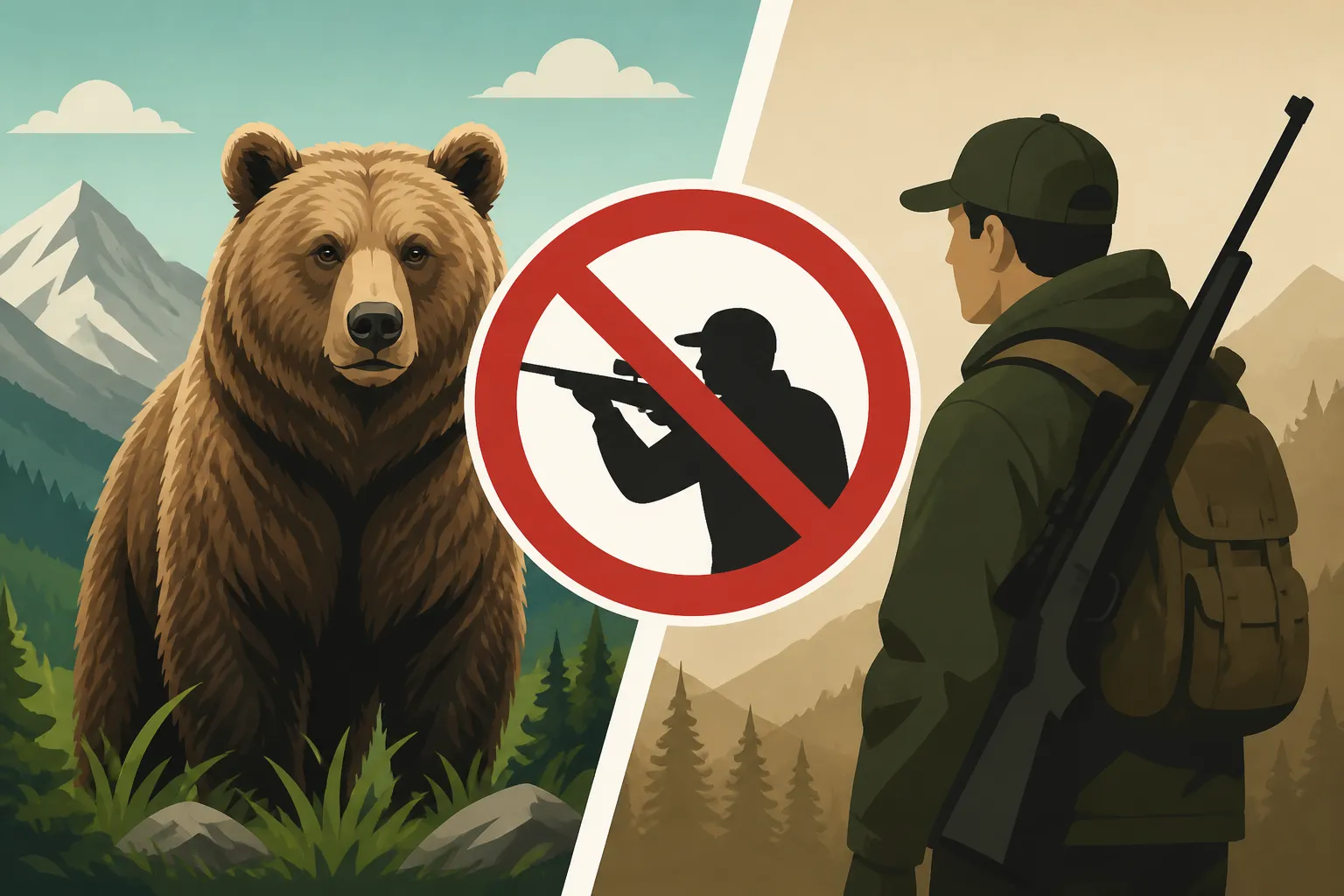
It's a common question among Alberta's hunting community, and one that often sparks passionate discussion: why can't we hunt grizzly bears anymore? For many, the idea of pursuing one of North America's most iconic big game animals in their home province is a powerful draw, but the reality is that the grizzly bear hunt in Alberta has been closed for a significant period. This guide aims to shed light on the historical context, the ecological reasons, and the current conservation efforts that have led to and maintain this closure, helping you understand the complex situation surrounding Alberta's grizzly population.
The Historical Context of Alberta's Grizzly Hunt Closure
The decision to close the grizzly bear hunt in Alberta was not made lightly, nor was it an overnight event. It was the culmination of growing scientific concern, shifting public opinion, and the recognition that the province's grizzly population was facing serious challenges. Understanding this timeline is crucial to grasping the present reality.
The Moratorium and Public Concern
For many years, grizzly bears were hunted in Alberta, albeit with increasing restrictions as concerns about their numbers mounted. By the early 2000s, it became clear that the population was in trouble. Habitat loss due to human development, increased road density leading to more encounters, and what was deemed an unsustainable harvest rate through hunting and other mortality factors (like poaching and conflict kills) were all contributing to a decline. The scientific community, conservation groups, and even many hunters began to voice concerns.
In response to these mounting pressures and a comprehensive scientific review, the provincial government initiated a moratorium on grizzly bear hunting in Alberta in 2006. This wasn't a permanent closure at first, but rather a temporary suspension designed to allow biologists to gather more accurate data on population numbers and trends. The hope was that with more robust information, a sustainable hunting framework could be developed. However, as studies continued, the picture painted for Alberta's grizzlies remained grim, indicating populations were still too low and vulnerable to withstand any hunting pressure.
The Permanent Closure and Management Shift
Following several years of the moratorium and further research, the data continued to suggest that Alberta's grizzly bear population was not recovering as hoped. In fact, some regional populations were still declining or stagnating. The pressure from conservation groups intensified, and public sentiment increasingly favored stronger protection for these magnificent animals.
In 2010, the Alberta government made the difficult but necessary decision to permanently close the grizzly bear hunt. This closure marked a significant shift in how grizzlies were managed in the province, moving from a harvest-based model to one solely focused on conservation and recovery. This meant prioritizing efforts to reduce human-caused mortality, protect critical habitat, and educate the public on coexistence. It was a recognition that, for the foreseeable future, the priority had to be the health and survival of the species itself, rather than offering hunting opportunities.
Understanding Grizzly Bear Ecology and Vulnerability
Grizzly bears are not like other big game animals in Alberta. Their unique biology and ecological requirements make them particularly vulnerable to human impacts and slower to recover from population declines. It's not just about managing numbers; it's about understanding the very essence of their existence.
Low Reproductive Rates and Slow Recovery
One of the primary reasons grizzlies are so susceptible to population declines is their inherently low reproductive rate. Female grizzlies typically don't begin breeding until they are 4 to 8 years old, and once they do, they usually only produce a litter of 1 to 4 cubs every 2 to 4 years. These cubs then stay with their mother for 2 to 3 years, learning vital survival skills before dispersing. This long reproductive cycle means that it takes a significant amount of time for a grizzly population to grow, even under ideal conditions.
Compare this to a white-tailed deer, which can breed in its first year and often has twins or triplets annually. The impact of even a small number of deaths on a grizzly population is far more profound and long-lasting. If too many breeding females are lost, whether through hunting, vehicle collisions, or human conflict, the ripple effect on the population's ability to recover can be devastating, setting back recovery efforts by decades.
Large Home Ranges and Habitat Fragmentation
Grizzly bears are true wilderness animals, requiring vast areas of undisturbed habitat to thrive. Their home ranges can be enormous, spanning hundreds, if not thousands, of square kilometers, particularly for males. These large territories are essential for them to find enough food, mates, and safe denning sites.
Unfortunately, human development – including towns, agricultural expansion, forestry, and extensive road networks – continually fragments these critical habitats. As human footprints expand, grizzly habitat shrinks and becomes increasingly cut off by infrastructure. This fragmentation isolates populations, reduces genetic diversity, and, most significantly, increases the likelihood of human-grizzly encounters. When bears are forced into smaller, more disturbed areas, they are more likely to come into contact with people, leading to conflict situations that often result in the bear's death. This challenge is especially pronounced in areas like Alberta's Foothills Country, where human activity encroaches on traditional grizzly territory. Even with tools like GoHunt, which can show you detailed topographical maps and land ownership, it highlights how scarce truly wild, undisturbed areas have become for these animals.
Alberta's Grizzly Bear Population: A Path to Recovery?
So, where do Alberta's grizzlies stand today? The closure of the hunt was a major step, but the journey to a healthy, self-sustaining population is ongoing and faces continued challenges.
Current Population Estimates and Regional Trends
When the hunt was closed, Alberta's grizzly bear population was estimated to be around 700 to 800 individuals. This was a concerning number for an animal that once roamed much of the province. Since then, dedicated conservation efforts, including habitat protection, public education, and reducing human-caused mortality, have shown some positive signs. Recent estimates suggest the population has increased slightly, potentially reaching over 900 bears by some counts, though these numbers are always subject to ongoing research and refinement.
However, these increases are not uniform across the province. Some areas, particularly within the mountain parks and adjacent wilderness, show more robust populations, while other regions, especially where human-grizzly conflict remains high, are recovering more slowly. The province's Wildlife Management Units (WMUs) play a key role in how these populations are monitored and managed. For example, populations in the southwestern mountains and foothills often face different pressures than those further north. Understanding these regional differences is vital for targeted conservation strategies. You can often find information on specific WMUs and their wildlife inhabitants by checking resources like those found in Alberta's Wildlife Management Units or through mapping programs like GoHunt.
Ongoing Challenges and Conservation Efforts
Despite the positive trends, Alberta's grizzlies still face significant threats. Habitat degradation and fragmentation continue to be major concerns, with development pushing into previously wild areas. Road construction and increased vehicle traffic lead to more bear mortalities and further isolate populations. Human-bear conflicts, often stemming from attractants like garbage, pet food, or improperly stored livestock feed, also contribute to mortality when bears become habituated to human presence and are deemed a public safety risk. This is why it's so important for everyone who spends time outdoors to understand What Happens If You See a Grizzly.
Alberta's conservation efforts are multi-faceted. They include strict rules on managing attractants in bear country, public awareness campaigns, and extensive research to monitor population health and movements. Programs like the Grizzly Bear Coexistence Program aim to reduce conflicts between humans and bears, particularly in agricultural and recreational areas. Land-use planning initiatives, such as those governing Alberta's Public Land Use Zones, are also crucial in attempting to balance human activity with the needs of large carnivores like grizzlies. These efforts require sustained funding, scientific expertise, and the cooperation of landowners, industry, and the public. For those who enjoy activities like Backpacking Into Alberta Sheep Country, understanding bear awareness is a critical part of their trip planning.
Here's a look at some key aspects of grizzly bear recovery efforts:
| Aspect | Description |
|---|---|
| Population Monitoring | Ongoing scientific studies using DNA analysis (hair snaring), radio-collaring, and observation to track population numbers, distribution, and health. This data is critical for assessing recovery progress and informing management decisions. |
| Habitat Protection | Identifying and protecting critical grizzly habitat corridors, denning sites, and foraging areas from human development. This includes strategic land-use planning in areas like Hunting Alberta's Foothills Country. |
| Conflict Reduction | Programs aimed at minimizing human-grizzly interactions that lead to bear mortality. This involves educating residents and visitors about proper attractant management (e.g., bear-proofing garbage, electric fencing for livestock), managing bear movement around human settlements, and developing aversion techniques for problem bears. |
| Public Education | Campaigns to raise awareness about grizzly bear ecology, the importance of their conservation, and how to safely coexist with bears. This is a crucial component of any successful long-term strategy, building on the knowledge shared in courses like the Alberta Hunter Education and Conservation Course. |
| Mortality Management | Reducing non-hunting-related human-caused mortality, such as vehicle collisions and illegal kills. This often involves speed limit adjustments in key wildlife corridors and increased enforcement of wildlife protection laws. If you witness suspicious activity, remembering Alberta's Report a Poacher Line is crucial. |
| Connectivity | Efforts to maintain or restore corridors that allow grizzly populations to move between fragmented habitats, promoting genetic exchange and reducing isolation. |
What the Future Holds for Grizzly Bears in Alberta
Given the complex history and the ongoing conservation challenges, what does the future hold for grizzly bear hunting in Alberta? It's a question many ask, particularly those who remember the days when it was allowed.
The Unlikely Prospect of a Reopened Hunt
Realistically, the prospect of the grizzly bear hunt reopening in Alberta in the foreseeable future is highly unlikely. The provincial government has consistently reaffirmed its commitment to grizzly bear conservation, emphasizing that population recovery remains the priority. For any consideration of a future hunt to even begin, several critical conditions would need to be met, and sustained over many years:
- Robust Population Growth: Biologists would need to confirm not just stable, but consistently increasing grizzly populations across all major recovery zones. This growth would need to be well above sustainable mortality rates.
- Sustainable Harvest Models: Even with a healthy population, incredibly conservative and scientifically sound harvest models would need to be developed and agreed upon. These would likely involve very limited quotas, specific geographical areas, and strict management protocols to ensure sustainability.
- Broad Public Support: Any decision to reopen the hunt would face immense public scrutiny and require significant social license. Conservation groups, Indigenous communities, and the broader public would need to be on board, which is a significant hurdle given the strong public sentiment for grizzly protection.
- Minimization of Conflict Mortality: The number of grizzlies killed through human conflict would need to be significantly reduced and consistently low. If conservation efforts are still primarily focused on reducing conflict deaths, it's difficult to justify adding hunting mortality.
Until these conditions are met, and likely for many years beyond, Alberta will remain focused on non-consumptive grizzly bear management.
Learning to Live with Grizzlies
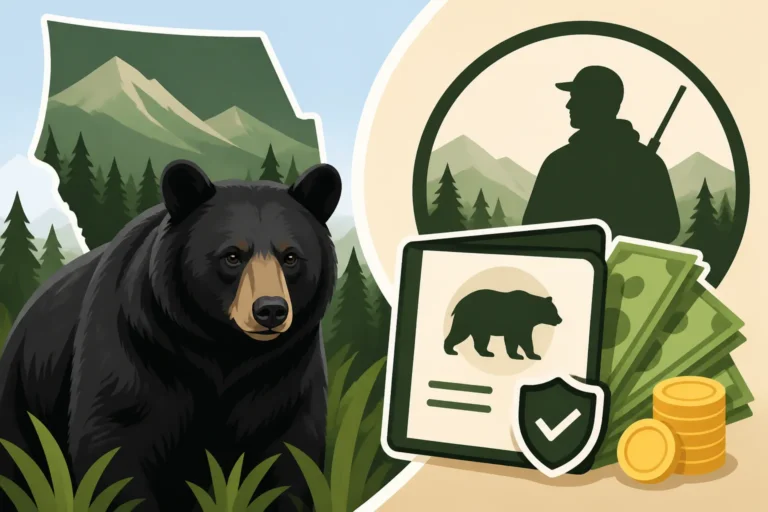
For hunters and non-hunters alike, the current reality means adapting to a landscape where grizzlies are present but not hunted. This involves a shift in mindset and practices. Understanding Where Alberta's Grizzlies Live Now is paramount, whether you're chasing elk in the foothills or just hiking a backcountry trail. It means taking bear spray, making noise, and knowing how to properly store food in bear country. For hunters, it means being absolutely certain of your target, as misidentification between a grizzly and a black bear can have serious consequences. This distinction is critical, and resources like Telling a Black Bear From a Grizzly and Black Bears in Alberta's Forests and Foothills are invaluable. The province continues to allow hunting for Black Bear Hunting in Alberta, which further emphasizes the need for correct identification.
While hunting a grizzly might not be an option, their presence adds an undeniable wildness to Alberta's landscapes. Their recovery is a testament to the power of dedicated conservation, and their future health relies on the continued respect and responsible behavior of everyone who shares their habitat. Tools like GoHunt can still be incredibly useful for scouting and understanding the terrain where these magnificent animals roam, enhancing your overall outdoor experience, even if your tag is for a different species.
Disclaimer
The information provided in this article is for general guidance and informational purposes only. Hunting regulations, population estimates, and conservation statuses can change. Always consult the most current Alberta hunting regulations and official government wildlife resources before engaging in any hunting or outdoor activity.