Goose Season Dates by Zone
It's incredibly frustrating when you're geared up for goose season, decoys cleaned, calls tuned, and then you realize you're not quite sure if the dates you've memorized apply to your specific hunting area. Alberta's vast landscape means waterfowl regulations aren't one-size-fits-all, leading to confusion and the risk of an accidental violation. This guide is here to clear up that confusion, diving deep into how goose season dates are structured by zone across our beautiful province, ensuring you're always on the right side of the law and maximizing your time in the field.
Understanding Alberta's Waterfowl Zones
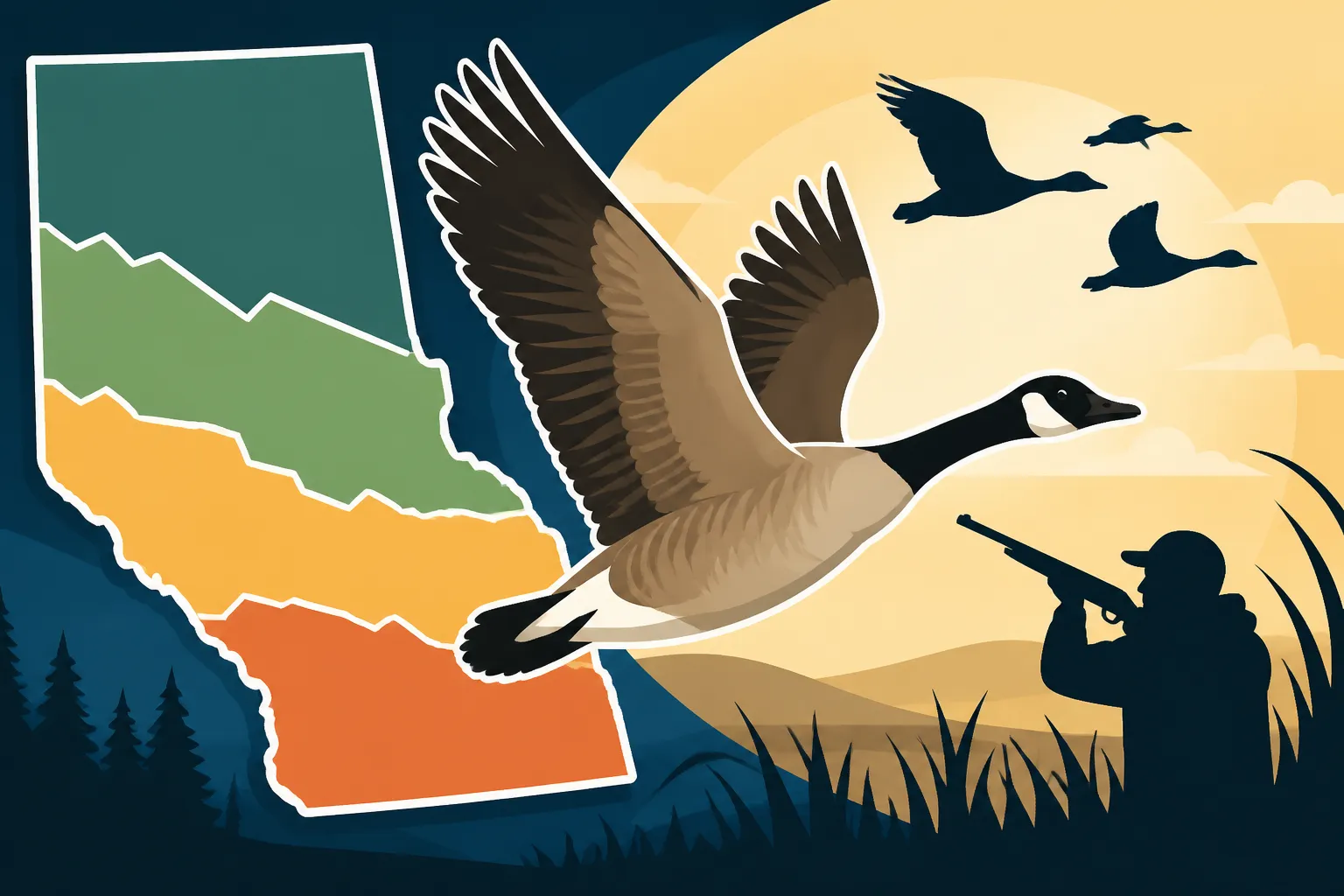
Alberta is a huge province, and the sheer variety of habitats and migration corridors means that a single, blanket season for geese just wouldn't make sense. Imagine trying to apply the same opening day to the early migrators passing through the Peace River region as you would to the later birds staging in the southern agricultural belt – it would be a logistical nightmare for both wildlife managers and hunters alike. That's why the province is divided into specific waterfowl zones, each with its own set of season dates and sometimes even bag limits, tailored to local populations and migration timings. It’s designed to provide ample hunting opportunity while protecting the resource, but it sure can make planning your hunts a bit of a headache if you don’t know where to look.
The Logic Behind Zonal Regulations
The division of Alberta into waterfowl zones isn't arbitrary; it's a carefully considered approach based on decades of wildlife data. These zones typically align with major ecological regions and bird migration pathways. For example, the northern zones often see earlier migrations, prompting earlier opening dates to harvest birds before they push south. Conversely, the central and southern agricultural zones, with their abundant food sources, might hold birds longer, allowing for later seasons. This scientific approach helps prevent overharvesting specific local populations while allowing hunters across the province to take advantage of different migration waves. It’s all about balancing conservation with opportunity, a truly Canadian approach to wildlife management.
Identifying Your Specific Hunting Zone
Before you even think about setting out your spread, you absolutely need to know which waterfowl zone you're in. This isn't just a suggestion; it's critical for legal compliance. Alberta's regulations typically delineate zones using geographical markers like highways, rivers, or specific Wildlife Management Unit (WMU) boundaries. For instance, Highway 16 often serves as a dividing line for some of the central and northern zones.
The most reliable way to confirm your zone is by consulting the official Alberta Hunting Regulations (also known as the hunting "synopsis"). This document, published annually, contains detailed maps and textual descriptions of all zone boundaries. Many hunters also find digital mapping tools invaluable for this. Platforms like GoHunt can overlay regulatory boundaries, including waterfowl zones, directly onto satellite imagery or topographic maps. This visual aid makes it much easier to pinpoint your exact location and verify the applicable regulations. Don't just assume you know; take the time to confirm your zone every season, as boundaries can occasionally shift, or your hunting spot might be closer to a boundary than you remember. It's a small investment of time that saves a lot of potential grief.
Key Goose Species and Their Seasons in Alberta
When we talk about goose hunting in Alberta, we're generally focusing on a few key species that make up the bulk of the harvest. Each of these species has its own characteristics, population dynamics, and, consequently, its own regulatory considerations, which contribute to the zonal date variations. Understanding which geese you're targeting will help you narrow down the specific dates and limits you need to pay attention to.
Canada Geese and Their Abundance
Canada geese are, without a doubt, the most common goose species hunted in Alberta. Their adaptability and booming populations mean they're found across most of the province, from agricultural fields to urban ponds. Because of their robust numbers and widespread distribution, Canada goose seasons are typically quite generous, often starting in early September and extending well into December, sometimes even into January in certain zones. The season lengths and bag limits are a testament to their healthy populations, offering plenty of opportunity for hunters. However, even with these general seasons, there will still be nuances in opening and closing dates depending on whether you're in the North, Central, or South zones, reflecting the staggered arrival and departure of different sub-populations. You’ll want to be familiar with the Canada Goose Numbers in the Cities if you're hunting near urban areas, as regulations can sometimes differ there.
Snow Geese and the Conservation Hunt
Snow geese offer a completely different hunting experience, characterized by massive flocks and often fast-paced, high-volume shooting. Alberta is a critical staging area for huge numbers of snow geese during their migration. Recognizing their impressive population levels and the need to manage potential agricultural damage, some areas of Alberta participate in what's known as a "Conservation Season" or "Spring Hunt" for snow geese. These seasons are designed to allow for additional harvest outside of the regular fall waterfowl seasons, often with very liberal bag limits and extended dates. The goal is to help control their population and mitigate their impact on crops in their breeding and wintering grounds. In the fall, snow goose seasons often mirror the general goose seasons but can have distinct bag limits. For precise dates and details on these opportunities, especially the extended seasons, always consult the current regulations for Snow Goose Limits and Late Seasons.
White-fronted Geese Specklebellies Seasons
Ah, the "specklebellies" – white-fronted geese are often considered a prize by many waterfowl hunters due to their unique calls and excellent table fare. While not as numerous as Canada geese or snow geese, significant numbers of white-fronted geese pass through Alberta, particularly in the central and southern agricultural zones. Their seasons generally align closely with the main Canada goose seasons in these areas, often opening in early September and running through October or November, depending on the zone. However, their migration patterns can be a bit more dynamic, with peak numbers moving through specific regions for shorter windows. Hunters targeting specklebellies often pay close attention to weather fronts and staging reports. Keep in mind that specific bag limits apply to white-fronted geese, which can differ from those for Canada geese, so always double-check the details in the regulations.
Navigating Alberta's Goose Season Dates by Zone
Getting down to the nitty-gritty, knowing the actual dates for your chosen zone is paramount. While precise dates can shift slightly year to year based on federal and provincial reviews, the general structure remains quite consistent. The most crucial distinction you'll find is between the North, Central, and South zones, which directly reflects the progression of the migration across the province.
North Zone Goose Season Overview
The North Zone generally encompasses everything north of Highway 16, stretching up into the vast boreal forest and Peace River country. Due to earlier migrations and a shorter growing season, waterfowl typically arrive and depart earlier here. This means goose seasons in the North Zone usually open in early September, often around the 1st, and might run through to late November or early December. For hunters looking to get an early start on the season, the North Zone often provides the first opportunities. Species like Canada geese, snow geese, and white-fronted geese will all be present, though concentrations can vary. Early scouting in areas north of Grande Prairie or around Lac La Biche can be key. For those considering a northern adventure, understanding the specific dates for this region is essential to a successful hunt.
Central Zone Goose Season Specifics
The Central Zone is often considered the heart of Alberta's waterfowl hunting, covering the broad agricultural belt that runs roughly between Highway 16 and Highway 9/12, or further south depending on the specific demarcation. This region includes prime staging areas with abundant grain fields, attracting massive numbers of geese. Goose seasons in the Central Zone typically open in early to mid-September, sometimes a week or two after the North Zone, and extend well into December. This longer season accounts for the sustained presence of birds that feed and stage here before pushing further south. You’ll find incredible opportunities for Canada geese, white-fronted geese, and snow geese throughout this zone. Many outfitters operate in this region, catering to hunters looking for strong numbers. If you're planning on Field Hunting Geese in Alberta Stubble, this zone is often your best bet.
South Zone Goose Season Details
The South Zone covers the vast prairies and badlands south of the Central Zone boundaries, extending to the US border. This area also boasts extensive agricultural lands and hosts late-season staging birds. Goose seasons in the South Zone tend to open around mid-September, similar to or slightly later than the Central Zone, but often have the longest season extensions, running into late December or even early January for some species. The milder climate and extensive food sources can hold birds well into the winter, offering fantastic opportunities for cold-weather hunting. When the weather turns bitter in the north, many birds have already moved into these southern fields, making it a hotspot for late-season hunts. This is a great region for Hunting Specklebellies Over Decoys or targeting big Canada goose flocks.
Extended Seasons and Special Opportunities
Beyond the general season dates, Alberta often implements extended or special seasons for certain goose species, particularly snow geese, as part of conservation efforts. These "Conservation Hunts" typically occur in the spring (March to May) and sometimes extend late into the fall or early winter (January to February). These seasons are usually characterized by extremely generous bag limits and can be an incredible experience for hunters. They are often restricted to specific zones or WMUs where snow goose populations are particularly high and agricultural damage is a concern. Always remember that participation in these extended seasons often requires a Federal Migratory Game Bird Permit in addition to your provincial license, and specific rules, like electronic calls, might be permitted. To dive deeper into these unique hunts, check out the article on Hunting Alberta's Sandhill Crane Season as similar rules sometimes apply, or review current regulations for specifics on snow goose opportunities.
Here's a generalized overview of Alberta's goose season dates by zone. Always verify with the current official Alberta Hunting Regulations prior to your hunt, as dates are subject to change annually.
| Goose Species | Zone | General Opening Date (Approx.) | General Closing Date (Approx.) | Daily Bag Limit (General) | Possession Limit (General) | Notes |
|---|---|---|---|---|---|---|
| Canada Geese | North | September 1 | December 15 | 10 | 30 | Earlier opener, shorter season. |
| Central | September 10 | December 20 | 10 | 30 | Longer season, high concentrations. | |
| South | September 10 | January 15 | 10 | 30 | Longest season, holds birds later. | |
| Snow Geese | All Zones | September 1 | December 15 | 50 | 150 | Fall season. Specific zones may have extended Conservation Hunts. |
| Conservation | March 1 | May 31 | 50 | N/A (no possession limit) | Special spring hunt, often with electronic calls allowed. | |
| White-fronted Geese | North | September 1 | November 15 | 5 | 15 | Earlier opener, shorter season. |
| (Specklebellies) | Central | September 10 | November 30 | 5 | 15 | Common in agricultural areas. |
| South | September 10 | December 15 | 5 | 15 | Good late-season opportunities. |
Please remember this table provides generalized dates and limits. Official regulations are the definitive source.
Essential Tools and Tips for a Successful Goose Season
Once you've got your season dates locked in, the real work (and fun!) begins. But having the right tools and strategies can make all the difference between a frustrating morning and a limit-out hunt. It's not just about showing up; it's about being prepared, informed, and respectful of the land and the resource.
Digital Resources for Season Planning
In today's hunting world, digital tools are indispensable. Gone are the days of relying solely on paper maps and word-of-mouth. The official Alberta Hunting Regulations are available online, and I strongly recommend downloading the PDF to your phone or tablet for quick reference in the field. Beyond that, specialized hunting apps can be game-changers. As mentioned earlier, platforms like GoHunt offer incredible features for planning. They often provide detailed land ownership maps, showing you where Crown land, grazing leases, and private property boundaries lie, which is vital for Finding Access on Alberta Crown Land or asking permission on private land. Some apps can even overlay WMU and waterfowl zone boundaries, taking the guesswork out of identifying your location. They often have real-time weather, sunrise/sunset data (crucial for Alberta Shooting Hours for Big Game), and the ability to mark waypoints for scouting.
These resources are particularly helpful when you're trying to figure out Scouting Fields for Alberta Waterfowl. You can use satellite imagery to identify potential staging areas, new stubble fields, or even access points, all from the comfort of your home. Always have a backup, though – cell service isn't guaranteed in all of Alberta's prime goose country!
Scouting and Species Identification
Knowing the season dates is only half the battle; the other half is knowing where the birds are and what they are. Effective scouting is the backbone of successful goose hunting. This means driving country roads, observing flight patterns, and identifying which fields the geese are using. Look for concentrations of birds, especially in fields with standing or swathed grain. Pay attention to typical flyways between roosting lakes or rivers and feeding areas. Early morning and late evening are often the best times to observe these movements.
Beyond location, accurate species identification is crucial, especially with varying bag limits. While Canada geese are easily recognizable, distinguishing between snow geese and Ross's geese (which often travel together) or knowing your white-fronted from a juvenile Canada can sometimes be tricky from a distance, especially in low light. Investing in good optics, like binoculars or a spotting scope, is highly recommended. Also, take the time to learn the various calls; knowing the difference between a Canada honk, a snow goose chatter, and a specklebelly yodel can help you identify what species are approaching long before they're visible. Proper identification ensures you stay within the legal limits and helps you strategize your calling and decoy spread effectively.
Disclaimer
Please be aware that hunting regulations, including season dates and bag limits, are subject to change annually. This guide provides general information and approximate dates based on typical patterns. It is your responsibility to consult the most current official Alberta Hunting Regulations before engaging in any hunting activity to ensure full compliance with the law.