Alberta Apprentice and Youth Hunting Rules
Bringing young people into the outdoors and sharing the tradition of hunting is incredibly rewarding, but navigating Alberta's specific rules for youth and apprentice hunters can sometimes feel like trying to find a deer track in a blizzard. It’s easy to get bogged down in the details, wondering who can hunt what, and under what conditions. This guide is here to clear the air, breaking down everything you need to know about Alberta's apprentice and youth hunting rules, helping you safely and legally introduce the next generation to our shared passion.
Understanding Alberta's Apprentice Hunter Program
The Apprentice Hunter Program in Alberta is a fantastic initiative designed to give new, younger hunters a structured entry into the sport. It's built on the principle of mentorship, allowing an inexperienced hunter to learn directly from a seasoned veteran. This isn't just about handing over a rifle; it's about instilling ethics, safety, and a deep respect for wildlife, all under the watchful eye of someone who knows the ropes. The program acknowledges that hands-on experience, guided by a knowledgeable mentor, is often the most effective way to truly learn the nuances of hunting. It helps bridge the gap between classroom theory and real-world application, making it less daunting for newcomers.
Who Qualifies as an Apprentice Hunter?
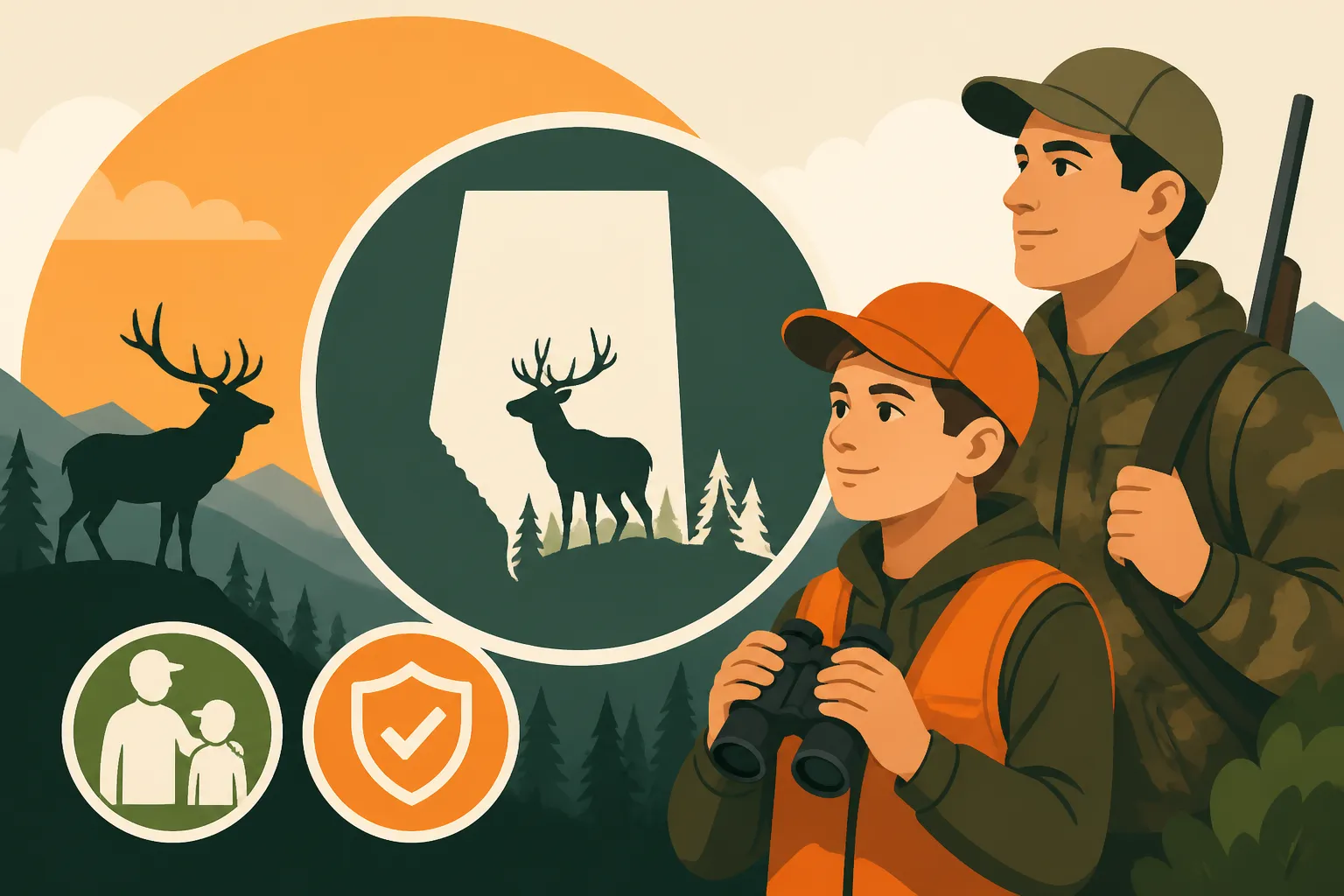
The Alberta Apprentice Hunter Program is specifically designed for individuals who are new to hunting and fall within a particular age bracket. To qualify as an apprentice hunter, a person must be between 12 and 17 years of age. This age range is critical because it's when many young people are developing an interest in outdoor pursuits and are mature enough to begin understanding the responsibilities that come with hunting. The intent of the program is to provide a safe, supervised environment for these developing hunters. They do not need to have completed the full Alberta Hunter Education and Conservation Course before participating, which is a significant advantage as it allows them to gain practical experience while working towards that certification.
However, it's not a free-for-all. While an apprentice doesn't need the full hunter education course upfront, they must obtain an Alberta's WIN Card and Wildlife Certificate and then purchase an Apprentice Whitetail Deer Licence. This licence allows them to hunt whitetail deer during general seasons, but always under the direct supervision of a qualified mentor. The program acts as a crucial stepping stone, letting young hunters dip their toes into the hunting world without the immediate prerequisite of full certification, which can be a barrier for some. It’s all about supervised learning, ensuring safety and proper technique from day one.
The Role of the Mentor
The mentor in Alberta's Apprentice Hunter Program isn't just a chaperone; they are the backbone of the entire learning experience. To qualify as a mentor, an individual must be 18 years of age or older and hold a valid Alberta hunting licence and a Wildlife Certificate. Crucially, they must have held an Alberta hunting licence in at least three of the past five years, demonstrating consistent experience and knowledge of local hunting regulations. This ensures that the mentor isn't just someone who hunted "a few times," but someone with established experience and commitment to ethical hunting.
The responsibilities of the mentor are extensive and critical. They must remain within arm's length of the apprentice at all times while the apprentice is hunting. This isn't just a suggestion; it's a legal requirement. This close proximity ensures immediate supervision, allowing the mentor to provide guidance on shot placement, game identification, safety protocols, and ethical considerations. The mentor is ultimately responsible for the apprentice's actions and ensuring compliance with all hunting regulations. Think of it as a constant, real-time coaching session. Beyond the legalities, a good mentor teaches patience, scouting skills, how to read animal sign, and the importance of conservation, shaping a responsible hunter for life. It's a significant commitment, but the reward of passing on this heritage is immeasurable.
How the Apprentice System Benefits Learning
The Apprentice Hunter Program provides immense benefits for learning, going far beyond what a textbook alone can offer. It creates an immersive, hands-on learning environment where theoretical knowledge can be immediately applied and reinforced. Imagine a young hunter trying to decipher deer tracks from a diagram in a book; now picture them alongside a mentor, walking through the woods, pointing out fresh scrapes, rub lines, and the subtle differences between a deer and an elk track. This practical application cements understanding in a way classroom learning simply can't.
One of the biggest advantages is the direct transfer of practical skills. From proper firearm handling and shooting fundamentals in a safe setting to field dressing and meat care, these are skills best learned by doing, with expert guidance. The mentor can demonstrate techniques, explain why certain decisions are made, and provide instant feedback, correcting mistakes before they become ingrained habits. This direct, one-on-one instruction covers everything from Hunting a Cutline Intersection for Whitetails to understanding wind direction and animal behavior. Furthermore, the apprentice program helps to instil a strong sense of ethical responsibility. By witnessing a seasoned hunter's respect for wildlife, adherence to regulations, and commitment to clean harvesting, young hunters develop their own moral compass for the sport. It's an opportunity to learn not just how to hunt, but why we hunt, and the profound connection to nature it fosters.
Navigating Independent Youth Hunting Licences
Once a young hunter gains experience or reaches a certain age, they might be ready to step beyond the apprentice program and pursue their own hunting opportunities. This transition involves understanding different licence requirements, age restrictions for unaccompanied hunting, and the need for formal hunter education. It’s a significant step, marking a hunter's growing independence and personal accountability in the field. This path requires a solid foundation of knowledge and a commitment to safety and ethics.
Age Requirements for Unaccompanied Hunting
For youth hunters in Alberta who wish to hunt independently, without the direct supervision required by the apprentice program, there are specific age requirements that must be met. A person must be at least 12 years old to obtain a regular Alberta hunting licence and a Wildlife Certificate. However, simply being 12 doesn't automatically mean they can hunt alone for any species. While a 12-year-old can purchase a resident deer licence or a game bird licence, for example, they generally cannot hunt big game completely unaccompanied until they are older, typically 16 years of age or older, depending on the specific regulations of the species and WMU.
The legal framework is designed to ensure that hunters possess a sufficient level of maturity and experience before taking on the full responsibility of hunting on their own. Even when legally allowed to hunt alone, mentors and parents often encourage continued supervision or at least close proximity for several more years, allowing young hunters to build confidence and refine their skills. It's crucial for both the youth and their guardians to thoroughly review the Minimum Age to Hunt Alone in Alberta information in the current Alberta Hunting Regulations to understand the precise limitations for different species and hunting scenarios. This ensures full compliance and, more importantly, a safe hunting experience for everyone.
Hunter Education Requirements for Young Hunters
Before a young hunter in Alberta can purchase their own regular hunting licences and pursue game independently, completing the mandatory hunter education course is a non-negotiable step. This isn't just a hoop to jump through; it's the foundation of responsible and safe hunting. The Alberta Hunter Education and Conservation Course covers critical topics such as firearm safety, ethical hunting practices, wildlife identification, conservation principles, and the specific regulations that govern hunting in Alberta. It’s designed to equip new hunters with the knowledge necessary to make sound decisions in the field.
The course can be taken by individuals as young as 10 years old, which is a great way to get a head start. Successfully completing this course is essential for obtaining your first hunting licence in Alberta. It culminates in a certification that proves you understand the legal and ethical responsibilities of a hunter. Many parents find it beneficial for their children to take the course well before they are eligible to hunt, giving them ample time to absorb the material and pass the exam without pressure. This training, often combined with practical firearm safety sessions, builds a solid base of knowledge and confidence, preparing young hunters for the real challenges and joys of the pursuit.
Special Considerations for Youth Licences and Tags
When it comes to purchasing licences and applying for draws, there are some specific considerations for young hunters in Alberta that differ from adult hunters. First off, the cost for a What an Alberta Youth Hunting Licence Costs is often reduced, making it more accessible for families to get their kids involved. For instance, a resident youth (under 18) often pays a lower fee for their Wildlife Certificate and specific general licences compared to an adult. This financial incentive is part of Alberta's commitment to fostering the next generation of hunters.
While youth hunters can purchase general licences like deer or game bird licences once they meet the age and education requirements, their eligibility for special licence draws can vary. To participate in Alberta's Special Licence Draws, youth must typically meet the same criteria as adults, including holding a valid WIN Card and Wildlife Certificate. The draw system, which uses a priority point system, applies equally to youth and adult applicants, meaning building priority points for highly sought-after species like moose or elk starts the same way. When planning a hunt, it's always smart to use online resources, like the GoHunt platform, to look up current regulations and draw odds, ensuring young hunters apply for appropriate opportunities. This attention to detail can significantly impact a young hunter's success and participation in various seasons.
Important Rules and Safety for Young Hunters
Safety is paramount in hunting, especially when involving young or apprentice hunters. Alberta has clear rules in place to ensure everyone's well-being and to promote responsible behaviour in the field. Adhering to these regulations is not just about avoiding fines; it's about preventing accidents and fostering a culture of respect for firearms, bows, wildlife, and fellow outdoor enthusiasts. Educating young hunters on these critical safety aspects from day one is perhaps the most important lesson a mentor can impart.
Firearm and Bow Safety Specifics for Youth
For young hunters in Alberta, understanding and strictly adhering to firearm and bow safety rules is non-negotiable. Whether they are using a rifle, shotgun, or archery equipment, the core principles of safe handling remain consistent: treat every firearm as if it's loaded, always point the muzzle in a safe direction, be sure of your target and what is beyond it, and keep your finger off the trigger until ready to shoot. These rules are reinforced during the hunter education course and must be practiced diligently in the field.
When it comes to Legal Firearms and Bows for Big Game, Alberta's regulations specify minimum requirements. For example, for big game, a rifle must be a .23 calibre or larger, and a bow must have a minimum draw weight of 40 pounds. Ensuring that a young hunter is equipped with appropriate gear that they can safely and accurately handle is critical. A powerful recoil or a heavy draw weight that is too much for a smaller hunter can lead to poor shooting habits or, worse, an unsafe situation. Mentors play a crucial role here, selecting suitable equipment and ensuring continuous supervision, especially during live-fire scenarios. It’s not about giving them the biggest or fastest; it's about providing the right tool for safe and effective use.
Blaze Orange and Other Safety Gear
Wearing blaze orange is a fundamental safety requirement for most big game hunting in Alberta, and it’s especially important for young hunters. This highly visible colour significantly reduces the risk of accidental shootings by making hunters easily identifiable to others in the field. The Alberta Blaze Orange Requirements state that hunters must wear an outer garment of blaze orange, or an outer garment of yellow, white, or red, or a combination of these colours, if hunting during a big game season when a firearm is permitted. However, blaze orange is always the safest and most recommended choice due to its high visibility contrast in natural environments.
Beyond blaze orange, other safety gear is critical. This includes sturdy, comfortable footwear appropriate for the terrain, suitable clothing layers for unpredictable Alberta weather (which can include extreme cold as discussed in Hunting Alberta Winter Weather Safely), a first-aid kit, communication devices (like a satellite messenger in remote areas), and a good knife. Teaching young hunters the importance of checking their gear, packing essentials, and understanding weather patterns contributes significantly to their overall safety and preparedness. It’s about building good habits that will serve them throughout their hunting careers, making them self-reliant and responsible outdoorsmen and women.
Ethical Hunting Practices and Conservation
Instilling ethical hunting practices and a strong conservation ethic in young hunters is just as vital as teaching safety. Hunting is not merely about pulling a trigger; it's about responsible participation in wildlife management and an active commitment to conservation. Young hunters must learn the importance of fair chase, which means giving the animal a reasonable chance and not pursuing game in an unsporting manner. This includes understanding shot placement for a quick, humane kill and being committed to tracking and recovering any wounded animal, no matter how challenging.
Conservation is deeply intertwined with ethical hunting. Alberta hunters contribute significantly to wildlife conservation through licence fees, which fund habitat preservation, research, and population management efforts. Teaching youth about this direct link – how their hunting dollars support the wildlife they pursue – is powerful. They also need to understand practical conservation steps, like respecting bag limits, knowing Alberta's CWD Testing Requirements, and accurately Reporting a Harvest in Alberta. This responsible approach ensures that wildlife populations remain healthy and sustainable for future generations, validating hunting as a valuable conservation tool. Encouraging respect for private land, asking for permission (as covered in Alberta Landowner Permission Law), and leaving no trace are all part of being a good ambassador for hunting.
Fostering a Lifelong Passion for Hunting in Youth
Introducing young people to hunting is about more than just legalities and safety; it's about nurturing a profound connection to nature and a love for the outdoors that can last a lifetime. It’s an investment in their character, teaching patience, resilience, and self-sufficiency. As mentors and parents, our goal should be to make hunting an enjoyable and educational experience that sparks a lifelong passion, ensuring the traditions and values of hunting continue to thrive.
Mentorship Beyond the Legal Requirements
While Alberta’s Apprentice Hunter Program sets out crucial legal requirements for mentorship, fostering a lifelong passion in young hunters truly goes beyond these minimums. A great mentor isn’t just present; they are actively engaging, educating, and inspiring. This means taking the time to explain the nuances of wildlife behavior, why a certain tree stand location is chosen (perhaps based on insights from Reading Whitetail Sign in Alberta Aspen Bluffs), or the importance of silence and patience in the bush. It's about teaching them to observe, to listen, and to truly understand the environment they are in.
It's also about patience – not just waiting for game, but having patience with the young hunter themselves. There will be missed shots, cold days, and perhaps moments of frustration. A good mentor uses these as teaching opportunities, reinforcing positive attitudes and encouraging perseverance. Share stories of past hunts, both successful and challenging. Talk about the history of hunting, its role in sustenance, and its contribution to modern conservation. By investing this deeper level of mentorship, you’re not just teaching them to hunt; you're teaching them a way of life, an appreciation for the natural world, and a set of values that will serve them well far beyond the hunting season.
Exploring Different Hunting Opportunities for Youth
To keep young hunters engaged and continually learning, it's beneficial to explore the diverse range of hunting opportunities Alberta offers. While starting with whitetail deer or upland birds is common, expanding their horizons can maintain interest and build a broader skillset. For instance, Upland Bird Hunting in Alberta can be an excellent way to introduce fast-paced action and the use of hunting dogs, teaching different tracking and shooting techniques. Small game hunting for species like snowshoe hare provides low-pressure, high-opportunity experiences that build confidence.
As they mature and gain experience, introduce them to different big game species or hunting methods. Consider Waterfowl Hunting Alberta's Grain Fields for a completely different experience involving decoys, calling, and often social hunting setups. For a more adventurous youth, perhaps some day trips into the foothills for elk scouting, even if not directly hunting, can be exciting. Using resources like GoHunt can help identify various opportunities across different Wildlife Management Units, showing them the variety of game and terrain available. The key is to keep it fresh, challenging, and most importantly, fun, aligning opportunities with their evolving skills and interests.
Resources for Young Hunters and Their Families
Getting into hunting as a family or a young individual can be overwhelming, but thankfully, Alberta offers a wealth of resources to support new hunters. The Alberta Conservation Association (ACA) is a fantastic starting point, offering various programs and initiatives aimed at hunter recruitment, retention, and education. Their website is a treasure trove of information, including details on specific youth hunts and events. Local rod and gun clubs are another invaluable resource, providing opportunities for mentorship, shooting practice, and community involvement. These clubs often host youth shooting sports, firearm safety courses, and educational workshops.
Online platforms have also become incredibly useful. For planning hunts, researching regulations, and understanding land access, tools like the GoHunt platform can be invaluable. It provides maps, species information, and regulatory updates in an accessible format, helping young hunters and their mentors scout new areas or understand Reading an Alberta WMU Map Before You Go. Don't forget the official Alberta hunting regulations and provincial government websites, which are the definitive source for legal information. Combining these resources – from direct mentorship and community involvement to digital tools – creates a robust support system, making the journey into hunting much smoother and more rewarding for young hunters and their families.
Disclaimer
The information provided in this guide is for general informational purposes only and is not intended as legal advice. Hunting regulations in Alberta can change frequently. It is the responsibility of every hunter to consult the most current official Alberta Hunting Regulations published by the Government of Alberta before engaging in any hunting activity. Failure to do so may result in legal penalties.