Minimum Age to Hunt Alone in Alberta
It can feel like a maze trying to figure out all the rules and regulations around hunting in Alberta, especially when you're trying to understand when the younger generation can finally head out on their own. The desire to gain independence in the field is strong for many young hunters, but the laws are rightly designed to ensure safety and responsible progression. This guide will thoroughly break down Alberta's specific age requirements and regulations that dictate when a young hunter can legally hunt alone, clearing up the confusion so you and your aspiring hunter can plan confidently.
Understanding Alberta's Youth Hunter Regulations
Alberta's approach to youth hunting is rooted in a philosophy of mentorship and progressive responsibility. It’s not just about a single age cutoff; it’s a system designed to ensure young hunters gain experience under supervision before venturing out solo. This tiered system can sometimes seem complicated, but it's really about building a solid foundation of safety and ethical practices.
The Age-Based Tiers: Junior and Youth Hunters
When we talk about young hunters in Alberta, the regulations often categorize them into different age groups, each with specific requirements for supervision and licensing. While there isn't a formal "junior" or "youth" licence name in the same way you'd get a "Resident Deer Licence," the rules apply based on age. Generally, anyone under 16 years of age falls under specific youth hunting provisions. For instance, children under 10 cannot possess a wildlife certificate or hunting licence, even for small game. It's a clear line in the sand, emphasizing that the very young need to be spectators or learners without active participation in the act of hunting itself. This isn't to say they can't be out in the field learning about nature, tracking, or identifying wildlife – those are invaluable experiences – but the hunting aspect is reserved for slightly older, more capable hands.
As a young person approaches hunting age, usually from 12 to 15, they are generally permitted to participate in hunting activities but are under strict supervision requirements. This period is critical for developing skills like target acquisition, safe firearm handling, and understanding shot placement. It's also when they begin to grasp the deeper ethical considerations of hunting, from conservation to respectful harvesting. This foundational experience under the watchful eye of an experienced adult is considered non-negotiable for a reason: it instills habits that prevent accidents and promote responsible wildlife management. It’s a time for questions, hands-on learning, and building confidence in a controlled environment before the full weight of solo hunting responsibility ever falls on their shoulders.
Mandatory Supervision Requirements: When You Need an Adult
For anyone under the age of 16, mandatory supervision is a steadfast rule in Alberta hunting. This isn't just about having an adult present; it’s about having a qualified adult present. This supervisor must be 18 years of age or older and hold all the necessary licences for the game being hunted. More importantly, they must be a fully capable and responsible hunter themselves, someone who can effectively guide, teach, and intervene if necessary. They are directly responsible for the young hunter's actions and safety in the field. This level of responsibility means the supervisor isn't just tagging along; they are actively engaged in overseeing every aspect of the hunt, from carrying the appropriate gear to making critical judgment calls.
Think of it as an apprenticeship. The young hunter is learning the ropes, and the supervisor is the master craftsman, imparting knowledge and ensuring mistakes are avoided. This includes everything from proper weapon carry, identifying species, understanding shooting hours, and adherence to Alberta Blaze Orange and Safety Rules. The supervisor must be close enough to have direct control and communication at all times. This often means hunting side-by-side, especially in dense bush or broken terrain where visual contact could be lost. The intent is clear: to prevent accidental injury, ensure compliance with all regulations, and cultivate a deep understanding of ethical hunting practices. For those exploring Alberta Apprentice and Youth Hunting Rules, this supervision component is the cornerstone, providing a structured environment for learning without shortcuts.
The Path to Hunting Independently in Alberta
The journey to hunting alone in Alberta is a structured progression, designed to equip young hunters with the knowledge, skills, and maturity required for independent hunting. It's not just about hitting a certain birthday; it's about demonstrating competence and responsibility.
The Crucial Role of Hunter Education
Before any young person can even consider buying their first licence and heading into the field, whether supervised or not, they must complete a certified hunter education course. This is not optional; it’s a fundamental requirement for all first-time hunters in Alberta, regardless of age. The Alberta Hunter Education and Conservation Course is designed to impart critical knowledge about wildlife identification, hunting ethics, firearm safety, game care, and the specific laws governing hunting in the province. It's a comprehensive program that covers everything from ballistics to land access, ensuring that hunters understand their responsibilities and the intricate balance of wildlife management.
For a young aspiring hunter, this course is often their first formal introduction to the legal and ethical framework of hunting. It covers topics like reading an Alberta WMU Map Before You Go, understanding shooting hours, and recognizing protected species. Passing this course demonstrates a baseline understanding of what it means to be a responsible hunter, laying the groundwork for safe practices in the field. Without completing this education, a young person cannot obtain a Wildlife Certificate or purchase hunting licences, effectively blocking their path to legal hunting. It's a vital step, and one that all parents or mentors should prioritize, as it instills the core principles that will guide their hunting journey for years to come. This foundation is so critical that organizations like GoHunt often emphasize the importance of thorough preparation, and hunter education is at the top of that list.
When "Alone" Becomes an Option: Age 16 and Beyond
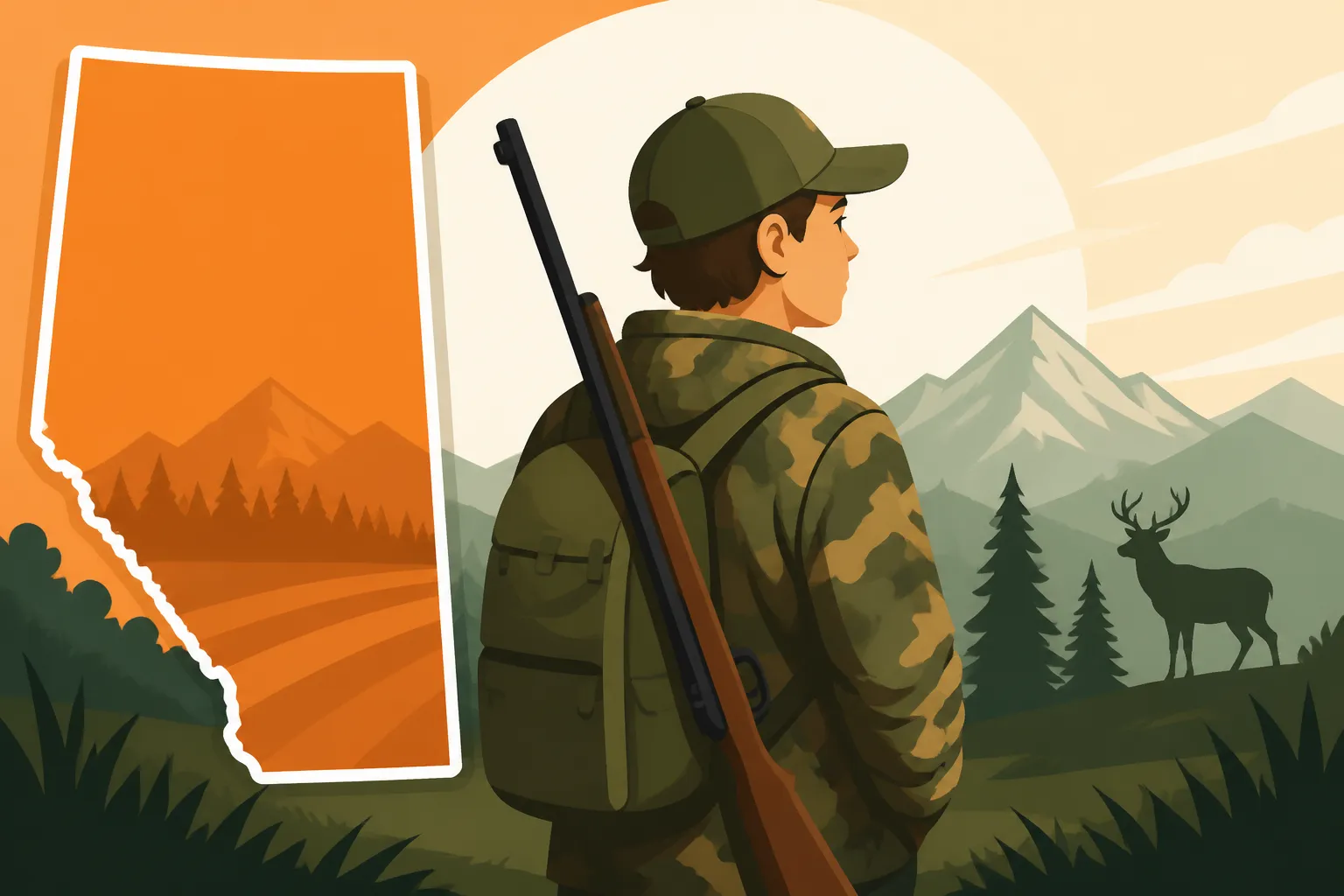
The specific age when a hunter can legally hunt alone in Alberta is 16 years old. This is a significant milestone because, at 16, a person is generally considered capable of making independent decisions and is held fully accountable for their actions in the field. At this age, a hunter can obtain their own Alberta's WIN Card and Wildlife Certificate, purchase resident hunting licences like the What a Youth Hunting Licence Costs or Alberta Resident Licence Options, and head out to hunt without direct supervision. This transition marks the culmination of years of learning, observation, and supervised experience.
However, simply turning 16 doesn't automatically mean a young hunter should head out alone immediately. While legal, true readiness involves more than just age. It requires a deep comfort with their gear, a strong understanding of hunting regulations, and proven field skills. Many parents and mentors will continue to hunt with their 16-year-old for a period, gradually allowing them more autonomy and decision-making power. This gradual release of responsibility ensures that the newly independent hunter is truly prepared for the challenges and responsibilities that come with solo hunting. It's about being able to make ethical decisions under pressure, handle unexpected situations, and take full responsibility for their actions and the game they pursue. The independence at 16 is a privilege earned through demonstrated competence and a commitment to safe, ethical hunting.
Practical Considerations for Young Solo Hunters
While Alberta's regulations provide a clear legal framework for when a young person can hunt alone, the practicalities of successful and safe solo hunting extend far beyond just meeting an age requirement. It involves ongoing commitment to safety, continuous learning, and thoughtful preparation.
Safety First: Beyond the Minimum Age
Even after reaching the age of 16 and being legally able to hunt alone, safety remains the paramount concern. Independent hunting means that there isn't a supervisor directly overseeing every move, so the onus of personal safety and responsible decision-making falls entirely on the young hunter. This includes meticulous planning before every hunt, from checking weather forecasts and understanding the terrain to informing someone of their hunting plans and expected return time. Carrying a reliable form of communication, a first-aid kit, and essential survival gear is not just a recommendation; it's a critical aspect of being prepared, especially when going into remote areas.
Furthermore, sound judgment around shot selection, target identification, and understanding the immediate surroundings becomes even more crucial when hunting solo. There's no experienced mentor to consult in real-time, so the young hunter must rely on their own training and instincts. This includes knowing their effective range with Legal Firearms and Bows for Big Game and sticking to it, avoiding risky shots, and always prioritizing safety over the desire to fill a tag. Continuous education and staying current with evolving regulations are also key. Many experienced hunters, even those decades into the sport, regularly review regulations and refresh their safety knowledge, a habit that young independent hunters should adopt from day one. Utilizing resources from platforms like GoHunt can help stay informed on these crucial safety aspects.
Gear, Preparation, and Mentorship: Setting Up for Success
Successful solo hunting, especially for a newly independent hunter, is deeply rooted in thorough preparation and having the right tools for the job. This isn't about buying the most expensive equipment, but rather ensuring that the gear is appropriate for the conditions, reliable, and that the hunter is proficient in using it. This includes understanding their rifle or bow inside and out, knowing how to field dress an animal efficiently, and having the navigation skills necessary to confidently move through unfamiliar territory. Before heading out, practicing with their chosen weapon is vital. Just as important is practicing all the ancillary skills: reading tracks, Scouting an Alberta WMU Before Season, and understanding animal behavior.
Even after reaching the age to hunt alone, the value of mentorship doesn't disappear. While direct supervision is no longer legally required, continued guidance from experienced hunters remains invaluable. This could involve debriefing after hunts, discussing challenging situations, or even joining on group hunts where the young hunter still benefits from the collective experience of seasoned outdoorsmen. Mentors can help in areas like Finding Access on Alberta Crown Land, sharing insights on different WMUs, or advising on preparing for adverse conditions like Hunting Alberta Winter Weather Safely. The transition to solo hunting is a significant step, but it's often best approached not as an endpoint of learning, but as a new chapter where the young hunter takes the lead, supported by a community of knowledge and experience.
Here's a quick overview of Alberta's youth hunting requirements:
| Age Group | Legal Requirement | Licence Eligibility | Supervision Status | Key Activities |
|---|---|---|---|---|
| Under 10 | Cannot possess Wildlife Certificate or hunting licence | None | Full supervision required; no active hunting | Observing, learning about nature, tracking, hiking with family. |
| 10 to 11 | Cannot possess Wildlife Certificate or hunting licence | None | Full supervision required; no active hunting | Same as Under 10. Focus on non-hunting outdoor skills. |
| 12 to 15 | Must complete Hunter Education Course | Can obtain Wildlife Certificate; eligible for specific licences with adult purchase | Mandatory direct supervision by a licensed adult (18+) | Supervised hunting for small game, big game (with proper tags), learning field skills, firearm safety. |
| 16+ | Must complete Hunter Education Course | Can obtain Wildlife Certificate and all applicable licences in their name | No mandatory supervision required | Independent hunting, responsible for own actions, continued learning, mentorship. |
Disclaimer
The information provided in this guide is for general informational purposes only and does not constitute legal advice. Hunting regulations in Alberta are subject to change, and it is the hunter's responsibility to consult the most current Alberta Hunting Regulations Guide published by the Government of Alberta, as well as any relevant federal regulations, before participating in any hunting activities. Always prioritize safety and ethical practices in the field.