Coyote Hunting Rules and Open Season
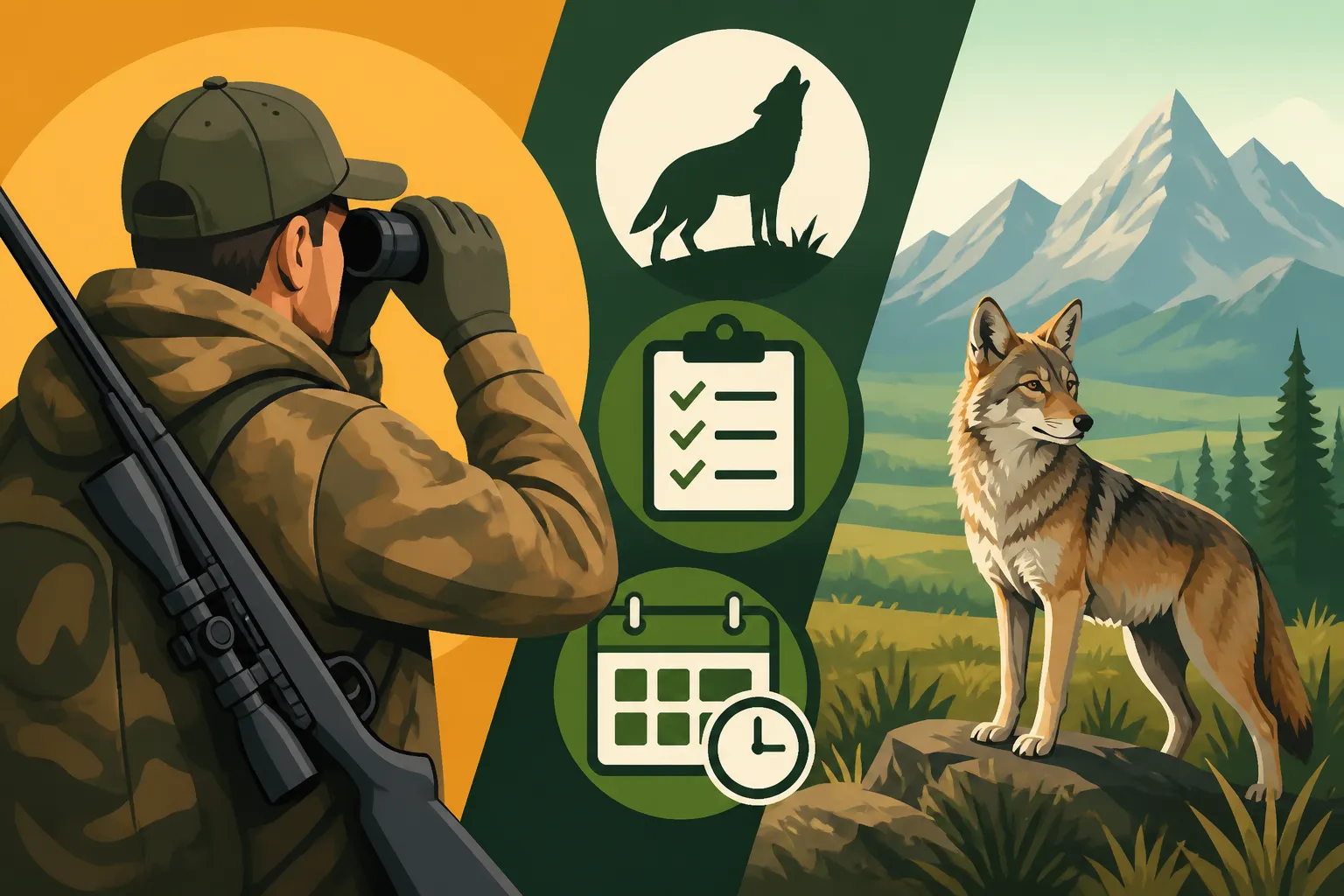
For many hunters in Alberta, the thought of chasing coyotes evokes a mix of excitement and confusion. Trying to decipher the ever-evolving regulations, especially when they differ from big game seasons and general hunting rules, can feel like a real head-scratcher. This guide is here to untangle the complexities of coyote hunting rules and open seasons in Alberta, offering clarity so you can focus on the hunt, not the paperwork.
Understanding Alberta's General Coyote Hunting Regulations
Coyote hunting in Alberta is quite different from pursuing big game, which often involves draws, specific WMU tags, and strict season dates. Coyotes are considered a "non-licence" species for residents, meaning you don't need a specific tag to hunt them if you hold a valid Wildlife Certificate. However, this simplicity can sometimes lead to misunderstandings about the rules that do apply.
No Closed Season for Residents in Most Areas
One of the biggest advantages for resident coyote hunters is that there is generally no closed season for coyotes throughout the province. This means you can pursue them year-round in most areas, provided you have the proper land access and adhere to other provincial regulations. This continuous open season reflects their status as a pest species in many agricultural areas and a significant predator on other game animals. However, "no closed season" doesn't mean "no rules." You still need to understand where you can legally hunt, what methods are permitted, and any local bylaws that might restrict your activities. It's not a free-for-all, despite the year-round opportunity.
Necessary Licences and Permits
While you don't need a specific coyote licence, all resident hunters must possess a valid Alberta Wildlife Certificate. This certificate is your foundational permit for hunting any wildlife in Alberta, including coyotes. Think of it as your general hunting pass. Without it, you’re not legally allowed to hunt, period. For non-residents, the situation is a bit more complex. Non-residents must be accompanied by a licensed guide or a valid hunter host and possess the appropriate Non-Resident Wildlife Certificate. Always ensure your documents are current and readily available when you're in the field, as enforcement officers regularly check. You can find detailed information on Alberta Hunting Licences and What They Cost and Alberta's WIN Card and Wildlife Certificate to ensure you're squared away before heading out.
Legal Methods of Take
Alberta's regulations regarding methods of take for coyotes are generally quite permissive, allowing a range of firearms and bows. Common choices include small-calibre rifles like the .22-250, .204 Ruger, or .223 Remington, known for their flat trajectory and accuracy at longer ranges often encountered when hunting coyotes. Shotguns with appropriate loads are also effective, especially in denser cover or at closer ranges. Archery equipment, including compound bows and crossbows, can also be used, offering a unique challenge for those looking to get up close.
When choosing your equipment, always consider the ethical dispatch of the animal. Using an underpowered round can lead to wounded coyotes, which is something every responsible hunter wants to avoid. Ensure your firearm or bow is sighted in and you're comfortable with its capabilities. Remember, while coyotes aren't big game, the same principles of shot placement and ethical take apply. For broader context on legal hunting tools, check out Legal Firearms and Bows for Big Game, as many of these guidelines apply to predator hunting as well.
Specific Seasons and Wildlife Management Unit Considerations
While the general rule is "no closed season," understanding the nuances within Alberta's Wildlife Management Units (WMUs) and specific conditions is crucial. These aren't always about when you can hunt, but how and where.
WMU-Specific Considerations
Alberta is divided into numerous WMUs, each with its own specific regulations for various species. While coyotes typically fall under a general province-wide regulation, there might be subtle differences or local restrictions within certain WMUs, particularly regarding vehicle access, specific land-use rules, or proximity to urban areas. For instance, hunting within the immediate vicinity of a provincial park or a residential subdivision, even if technically within a WMU, will likely have restrictions due to safety or local bylaws.
It’s always a good idea to consult the current Alberta Guide to Hunting Regulations, which provides the most up-to-date information for each WMU. You can also use mapping tools, like those you might find on GoHunt, to overlay WMU boundaries with land ownership and other access points. This will help you visualize the areas where you can legally hunt coyotes, especially when dealing with the patchwork of public and private lands. Understanding Alberta's 219 Wildlife Management Units is fundamental to responsible hunting across the province.
Night Hunting Rules for Coyotes
This is where things can get a bit tricky and often lead to confusion. Hunting coyotes at night is not generally permitted in Alberta, unless under very specific conditions or with explicit authorization. The general rule for most big game and many other species is that hunting is restricted to one-half hour before sunrise to one-half hour after sunset. This is a critical safety regulation.
However, there are exceptions for hunting certain predators, including coyotes, for agricultural protection. If you are a landowner, or have explicit permission from a landowner, to hunt coyotes on their land due to damage or threat to livestock, you may be able to apply for special authorization for night hunting. This is not a blanket permission and requires navigating specific provincial guidelines. Ignorance of this rule is not an excuse, and violating night hunting laws carries significant penalties. Always verify the most current Night Rules for Alberta Predator Hunting before even considering a nocturnal pursuit.
Using Calls and Decoys
Coyotes are highly responsive to various calls and decoys, making these effective tools for bringing them within range. Electronic calls, mouth calls mimicking distress sounds of prey animals (like rabbits or fawns), or even coyote vocalizations (howls, barks) are widely used. Many hunters, especially those focused on Coyote Hunting Alberta Farm Country, find that mimicking a distressed rabbit can be incredibly effective in bringing coyotes out of cover.
Decoys, such as a flapping bird or a small mammal, can add a visual element that further entices a coyote, especially if they are hesitant to commit to the call alone. The key is to set up where you have good visibility downwind, as coyotes have an exceptional sense of smell and will often try to circle downwind to scent-check the source of the call. There are no specific restrictions on the use of calls or decoys for coyote hunting in Alberta, giving hunters a lot of flexibility in their strategy.
Land Access for Coyote Hunting in Alberta
One of the most significant challenges for any hunter in Alberta, especially for species with year-round seasons like coyotes, is finding legal and ethical access to land. Alberta has a mix of public (Crown) land and vast tracts of private land, and understanding the difference is paramount.
Hunting on Private Land
The majority of prime coyote hunting often occurs on private agricultural land, where coyotes can thrive on rodent populations and occasionally become a nuisance to livestock. To hunt on private land, you must obtain explicit permission from the landowner or leaseholder. This isn't just a courtesy; it's a legal requirement under the Alberta Trespass Act and Hunting regulations.
Approaching landowners respectfully, explaining your intentions (e.g., helping control coyote populations), and offering to share any harvested animals (if they wish) can go a long way. Many farmers welcome responsible coyote hunters, seeing them as a valuable tool for protecting their livelihood. Always carry written permission, if possible, or at least have a clear understanding of the boundaries you are permitted to hunt. Tools like GoHunt can help identify land ownership and show property boundaries, making it easier to research and approach landowners. It’s also wise to read up on Alberta Landowner Permission Law to fully understand your responsibilities and rights.
Hunting on Public (Crown) Land
Alberta offers vast expanses of Crown land, particularly in the Green Area (forested regions) and in some parts of the White Area (settled areas). These lands are generally open to public hunting, but always double-check for specific restrictions or Public Land Use Zones (PLUZs) that might have their own rules regarding vehicle access, camping, or hunting methods.
Even on Crown land, popular areas can experience heavy pressure, especially during big game seasons. For coyote hunting, seeking out less accessible areas or hunting during off-peak times can be beneficial. Understanding Alberta's Green Area and White Area will help you identify the general types of land you're looking at. For specific access points and regulations, the Alberta government's recreational access mapping tools, often integrated into apps like GoHunt, are indispensable resources. Take the time to study maps and understand the lay of the land, including any forestry roads or trails that might offer access.
Dealing with Permission and Access Disputes
The reality of hunting in Alberta often means dealing with a complex patchwork of land ownership and various types of access. It can be frustrating when you've done your homework, but still encounter issues. Sometimes, a landowner who previously granted permission might change their mind, or you might unintentionally stray onto posted land.
Always handle these situations with respect and a calm demeanor. If permission is revoked, simply move on. If you accidentally cross a boundary, apologize and immediately rectify the situation. The hunting community relies on positive relationships with landowners to maintain access. A bad interaction can ruin opportunities not just for you, but for all hunters in an area. Remember to always be courteous and leave no trace behind. You might find a goldmine by simply Knocking on Doors in Alberta Farm Country and building those relationships.
Here's a quick overview of key regulations:
| Regulation Aspect | Description |
|---|---|
| Resident Licence | Valid Alberta Wildlife Certificate is required. No specific coyote tag needed. |
| Non-Resident Licence | Must possess a Non-Resident Wildlife Certificate and be accompanied by a licensed guide or valid hunter host. |
| Season Dates | Generally open year-round for residents in most areas. |
| Hunting Hours | Typically one-half hour before sunrise to one-half hour after sunset. Night hunting generally prohibited unless under specific, authorized conditions for agricultural protection. |
| Legal Weapons | Rifles, shotguns, and bows (including crossbows) are permitted, adhering to general safety and ethical guidelines. |
| Land Access | Private Land: Explicit landowner/leaseholder permission is mandatory. Crown Land: Generally open to hunting, but verify specific WMU or PLUZ restrictions. |
| Baiting | While not generally practiced for coyotes, always check current regulations on baiting, especially if hunting near areas used for big game baiting. |
| Calls & Decoys | Legal and widely used for attracting coyotes. |
| Vehicle Use | Regulations restrict hunting from vehicles or shooting across roads. Always check specific Rules on Hunting From a Vehicle and Rules on Shooting Across a Road. |
| Blaze Orange | Not mandatory for coyote hunting outside of general big game seasons, but highly recommended for safety, especially on public land. |
Ethical Hunting Practices and Responsible Stewardship
Hunting coyotes, like any other species, comes with a responsibility to uphold ethical practices and contribute to conservation. It's not just about what's legal, but what's right.
Respecting the Animals and the Land
Ethical hunting means making every effort for a clean, humane kill. This involves knowing your effective range, practicing with your chosen weapon, and understanding coyote anatomy for proper shot placement. It also means refraining from taking shots that are too far or too risky, even if it means letting a coyote walk away. Responsible hunters also clean up after themselves, pack out all spent casings, and leave no trash. When Calling Coyotes in Alberta Stubble or venturing into other habitats, leave the area better than you found it. This respect for the land and the animals ensures continued opportunities for all.
Avoiding Conflict and Public Perception
Coyote hunting, especially in populated areas or near rural residences, can sometimes draw negative public attention if not conducted discreetly and responsibly. Always be aware of your surroundings, ensure a safe backdrop for every shot, and maintain a respectful distance from homes, farm buildings, and livestock. Loud calling or excessive shooting close to residences can lead to complaints and potentially new restrictions for all hunters.
The perception of hunters is largely shaped by the actions of individuals. By demonstrating ethical behaviour, respecting private property, and practicing responsible wildlife management, you contribute positively to the image of hunting in Alberta. You never know when your actions might inspire someone new to the sport or reinforce positive feelings within the non-hunting community. For a full understanding of all the rules, it's always a good idea to consult Where to Read Alberta's Hunting Regulations.
Supporting Wildlife Management Efforts
Even though coyotes are generally abundant, responsible hunting plays a role in overall ecosystem health. In some areas, coyote populations can significantly impact deer, pronghorn, or even domestic livestock. By participating in regulated hunting, you contribute to a balanced ecosystem and help manage predator populations, which can benefit other game species. Always consider your role as a steward of the land and its wildlife.
Disclaimer
The information provided in this guide is for general informational purposes only and does not constitute legal advice. Hunting regulations in Alberta are subject to change, and it is the hunter's responsibility to consult the most current Alberta Guide to Hunting Regulations and other relevant provincial and federal laws before engaging in any hunting activities. Always ensure you are fully compliant with all licensing, season, and access requirements.