Waterfowl Hunting Alberta’s Grain Fields
The rustle of cornstalks, the sharp scent of damp earth, and the distant murmur of thousands of wings on the horizon – there's nothing quite like the experience of waterfowl hunting in Alberta's vast grain fields. For many hunters, myself included, the thought of trying to pinpoint where these birds will descend in such an expansive landscape can feel overwhelming, leading to wasted mornings and empty bags. This comprehensive guide is here to cut through that frustration, walking you through the proven strategies and practical advice you need to consistently find success when hunting ducks, geese, and cranes across Alberta's productive agricultural heartland.
Understanding Alberta's Waterfowl Landscape
Alberta is, without exaggeration, a waterfowl hunter's paradise. The combination of its position in the Central Flyway and its incredibly fertile agricultural lands creates a perfect storm for migratory birds. If you've ever felt bewildered by the sheer number of birds you see in the sky here, you're not alone. It's a place where you can witness epic migrations, but connecting with those birds on the ground requires a keen understanding of their habits and habitat preferences.
The Allure of Alberta's Grain Fields for Waterfowl
When birds push south from their northern breeding grounds, or even as they stage before making the longer journey, Alberta's grain fields act as a massive, irresistible buffet. The vast stretches of swathed barley, unharvested peas, standing corn, or leftover stubble provide an abundant and easily accessible food source. This isn't just a brief stop; many birds will linger here for weeks, sometimes even months, building up crucial fat reserves for their migration. The mosaic of cultivated fields interspersed with natural wetlands, potholes, and river systems offers not only food but also secure roosting and loafing areas, creating a complete ecosystem that keeps these birds healthy and happy. This is why you'll often see what appear to be endless flocks cycling between a large body of water where they feel safe and a nearby grain field where they feed voraciously. Understanding this relationship between food, water, and security is the bedrock of successful field hunting.
The sheer numbers of birds that pass through Alberta are astonishing. It's not uncommon to see thousands upon thousands of Canada geese, mallards, and often snow geese piling into a single field. This concentration means that when you do find "the X" – that perfect spot where the birds want to be – the hunting can be fast, furious, and incredibly rewarding. For a deeper dive into the seasonal movements, you might find our article on Scouting Fields for Alberta Waterfowl particularly helpful, as it lays out how these patterns dictate where birds will be at different times of the year.
Key Waterfowl Species Targeted in Alberta's Grain Fields
While Alberta hosts a diverse range of waterfowl, certain species are particularly drawn to the grain fields and, consequently, become primary targets for hunters. Knowing these species and their individual habits is key to tailoring your approach.
For ducks, the undisputed king of the grain fields is the Mallard. These adaptable dabblers love to feed on spilled grain, often flying out from nearby potholes and rivers at dawn and dusk to feast. You'll also encounter plenty of Northern Pintails, especially early in the season, identifiable by their slender bodies and long tail feathers. Other dabblers like American Wigeon and Green-winged Teal will also make appearances, though often in smaller numbers compared to the robust mallards. While divers like scaup or canvasbacks are typically associated with larger bodies of water, even they can occasionally be seen flying over fields between their aquatic feeding grounds, making identification crucial if you're targeting specific birds for your bag limit.
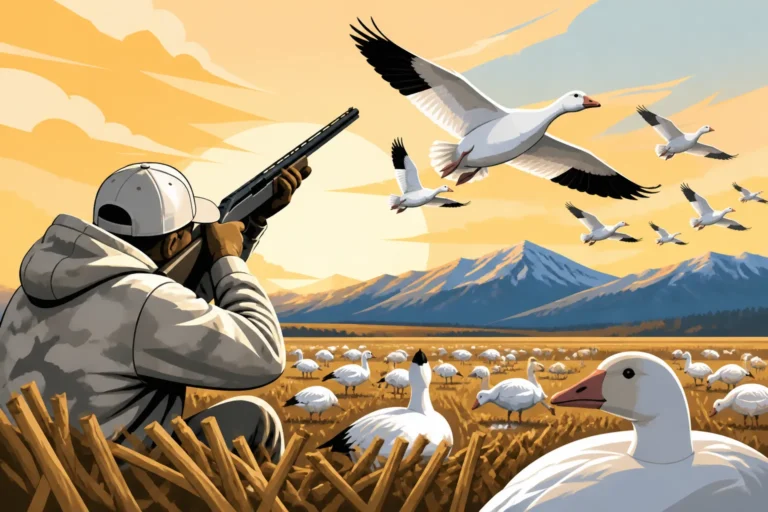
When it comes to geese, Alberta is dominated by various subspecies of Canada Geese, from the smaller "Richardson's" Cackling Geese up to the hefty "Giant" Canadas. These birds are absolute field addicts, preferring to feed in large groups, often commuting many miles from their roosts. Greater White-fronted Geese, affectionately known as "Specklebellies" or "Specks," are highly prized for their challenging nature and delicious meat. They often fly in smaller, tighter family groups and respond well to specialized calling. The vast, often overwhelming spectacles of Snow Geese also occur, particularly during the spring and fall migrations. Hunting a big spread of snow geese requires a very different approach due to their sheer numbers and often unpredictable flight patterns, as explored in Hunting a Big Snow Goose Spread. Lastly, don't overlook Sandhill Cranes. While not traditional waterfowl, Alberta has a dedicated season for these magnificent birds, and they are incredibly reliant on grain fields for food. They offer a unique hunting experience, often responding well to large spreads and distinct calling techniques, as detailed in Hunting Alberta's Sandhill Crane Season.
Essential Pre-Season Scouting Strategies
You can have the best decoys, the most expensive shotgun, and the sharpest calling chops, but if you're not where the birds want to be, it's all for naught. Scouting is, without question, the single most critical factor in successful field hunting. It’s a process that combines patient observation with modern technology and, crucially, good old-fashioned communication.
The Power of Observation: Glassing and Ground Reconnaissance
Before you even think about setting up a blind or deploying decoys, you need to know where the birds are going. This is where diligent observation comes in. Start by identifying common flight paths. Are the birds moving from a large lake to a specific area of fields? Are they following a river system or a prominent tree line? Paying attention to these broad patterns will narrow down your search area considerably.
Once you have a general idea of movement, it's time to get serious with your optics. A good pair of binoculars (10×42 or 10×50) and a high-quality spotting scope (20-60x or 25-75x) are indispensable tools. Position yourself where you have a clear, expansive view of multiple fields, ideally from a high vantage point like a ridge or a hill. Mornings and evenings are prime scouting times, as this is when birds are actively feeding and flying. Watch for birds dropping into fields, noting the exact section they land in, how long they stay, and in what numbers. Are they loafing or actively feeding? Are they ducks, geese, or a mix? Look for specific landmarks – a solitary tree, a power pole, a distinct change in crop type – that will help you pinpoint the exact spot later. Don't just watch one field; observe surrounding areas as well. Sometimes, a field that looks promising might just be a fly-over zone, while an adjacent one is where the real action happens. This meticulous groundwork is often boring, but it pays dividends when the season opens.
Leveraging Technology: Satellite Imagery and Mapping Apps
In today's world, technology has revolutionized scouting, offering an incredible advantage if you know how to use it. Tools like GoHunt and other mapping apps (like OnX Hunt or BaseMap) are absolutely invaluable for pre-season and in-season reconnaissance. Before you even leave the house, you can pour over satellite imagery to identify key features. Look for unharvested fields, especially standing corn or pea fields, which are magnets for ducks and geese. Swathed barley fields are another hot commodity, providing easy access to grain. Pay attention to how fields connect to water sources – potholes, sloughs, rivers – as birds will often fly direct lines between these two essential elements.
With these mapping applications, you can also overlay land ownership data, distinguishing between Crown Land (public) and private land. This is critical in Alberta, where most grain fields are privately owned, meaning permission is required. Using these apps to identify potential access points, shelterbelts (tree lines) that might offer concealment, or subtle dips and rises in terrain that could hide a blind can save you countless hours of driving. Many of these platforms also allow you to mark waypoints, track your movements, and even share information with hunting partners, streamlining your planning. For an even more detailed breakdown of how to use these digital tools to your advantage, check out Scouting With Satellite Imagery in Alberta. They are game-changers for identifying patterns and narrowing down your physical scouting efforts.
The Art of Gaining Landowner Permission
This is perhaps the most crucial and often overlooked aspect of successful field hunting in Alberta: getting permission. Unlike vast tracts of public land in some other regions, the majority of Alberta's prime grain fields are privately owned. Without explicit permission from the landowner, you are trespassing, which can lead to serious legal consequences and, more importantly, damages the reputation of all hunters. Building a good relationship with landowners is paramount.
Start early. Don't wait until opening morning to knock on doors. A few weeks or even months before the season is ideal. Approach landowners with respect and courtesy. Introduce yourself, explain what you're hoping to hunt, and offer to share some of your harvest if they're interested. Be prepared to be flexible; some landowners might only grant permission for certain days, or want you to call before each hunt. Always leave gates as you found them, pick up your spent shells, and never leave trash behind. Offering to help with a small chore around the farm, even just a simple "Can I lend a hand with anything?" can go a long way in building goodwill.
Remember, a "no" today doesn't mean a "no" forever. Sometimes landowners are just busy, or already have hunters. Thank them politely and move on. Many landowners are incredibly generous and appreciate hunters who show respect for their property. Once you gain permission, treat that land as if it were your own. Good relationships are built on trust and mutual respect, and a reliable, courteous hunter can gain access to prime spots year after year. For more specific tips on how to approach landowners, our guide on Getting Permission for a Goose Field offers valuable insights.
Decoy Spreads and Setup for Success
Once you've done your scouting homework and secured permission, the next critical step is to deploy your decoys effectively. This isn't just about putting out a bunch of fake birds; it's about creating a convincing illusion that draws real birds within shooting range. The type of decoys you use and how you arrange them will significantly impact your success.
Decoy Types and Their Strategic Use
The world of waterfowl decoys has exploded in recent years, offering hunters a wide array of options, each with its own advantages and disadvantages. Choosing the right types for your target species and hunting style is crucial.
Full-body decoys are the gold standard for realism. They mimic actual birds in three dimensions, casting realistic shadows and appearing lifelike from all angles. Their downside is bulk and cost, making them a significant investment and requiring more effort to transport and set up. However, for wary geese or when hunting pressured birds, their realism can be a game-changer. Shell decoys are essentially the top half of a full-body decoy, offering a decent profile without the bulk. They're more affordable and easier to carry in numbers, making them a popular choice for larger goose spreads. Their main drawback is that they don't look as realistic from directly above or certain angles.
Silhouettes are flat, two-dimensional decoys that are incredibly portable, lightweight, and affordable. While they lack realism up close, from a distance, especially with a bit of wind for movement, they can be surprisingly effective at creating the illusion of a large flock. They excel when you need to put out hundreds of decoys quickly. Motion decoys are a crucial addition, especially for ducks. Spinners, flappers, and motorized decoys that create ripple effects on water (if hunting near a puddle within the field) add dynamic movement that mimics live birds. For geese, flags waved by hand can simulate landing birds or aggressive interaction, drawing attention from afar. A good mix of these types, leaning heavily on full-bodies and shells for geese and adding motion for ducks, often provides the most convincing spread. Many hunters consult resources like GoHunt forums for reviews and recommendations on the latest decoy technology and effective setups from other experienced field hunters.
Crafting Effective Goose Decoy Spreads
Geese are social birds, and their decoy spreads should reflect that. The goal is to create a natural-looking flock that signals safety and an abundant food source.
For Canada Geese, common spread patterns include the "J-hook," "U-shape," or "X-pattern." The idea is to create an open landing zone (the "pocket") where the birds feel comfortable dropping in, with the body of the spread drawing them in from upwind. Place your blinds at the curve or bottom of the "J" or "U," concealed and downwind of the pocket. This allows incoming birds to finish right in front of you. Space your decoys naturally; geese aren't usually in a perfect grid. Create smaller family groups or feeding clusters within the main spread, giving the impression of a relaxed, busy flock. For large spreads, think about using a mix of full-bodies closer to the blinds for maximum realism, and shells or silhouettes further out to create bulk. For more specific details on creating a compelling spread for Canada geese, our guide on Setting a Goose Spread in Swathed Barley delves into advanced techniques.
When targeting Snow Geese, the strategy shifts dramatically due to their immense numbers and often erratic behavior. A "blob" or "mass" spread, often consisting of hundreds, if not thousands, of white silhouettes or rags, is the most common approach. The sheer visual impact is what draws them in. Your goal is to create a beacon of white that they can see from miles away. Within this mass, you can create a landing hole or funnel, but the primary objective is to replicate the overwhelming sight of a giant snow goose colony. Adding some electronic calls (where legal) can further enhance the auditory illusion.
Duck Decoy Spreads and Mixed Species Considerations
While ducks often feed alongside geese in grain fields, their decoy spreads can be more nuanced, especially if you're primarily targeting mallards.
For ducks, especially mallards, a smaller, tighter spread typically works best, often imitating a small group of birds feeding or loafing. If there's a small pothole or low, wet spot within the grain field, concentrating your duck decoys around that "water" feature can be highly effective. Use a mix of feeding and resting postures. Motion decoys, particularly spinning-wing decoys (spinners), are absolute magnets for ducks in fields. Place them prominently, especially on breezy days when they can really catch the light and create a visible flicker that mimics real wings. Ducks tend to circle and decoy into the wind, so understanding wind direction and placing your decoys and blinds accordingly is crucial.
Mixed species spreads are common and often very effective in Alberta, as ducks and geese frequently share the same feeding grounds. When combining duck and goose decoys, the general rule is to maintain distinct groups while allowing for some overlap. For example, you might set up a primary goose spread with its landing zone, and then place a smaller cluster of duck decoys, perhaps with a few spinners, slightly off to the side, perhaps near a subtle depression where rainwater might collect. The presence of geese can make ducks feel more secure, and vice versa. Always position your blinds downwind of your intended landing zones for both species, ensuring that birds finish close and into the wind, presenting the easiest shots. The key is to make the entire setup look as natural and unthreatened as possible.
Concealment and Blinds in Open Fields
Hunting in vast, open grain fields presents a unique challenge: hiding from the incredibly keen eyesight of waterfowl. These birds have an aerial advantage, spotting anything out of place from hundreds of feet up. Effective concealment isn't just about wearing camouflage; it's about becoming an invisible part of the landscape.
Layout Blinds: The Hunter's Best Friend
For field hunting, the layout blind has become the undisputed champion of concealment. These low-profile blinds allow hunters to lie nearly flat on the ground, minimizing their silhouette against the open sky. Modern layout blinds are designed to be comfortable, keeping you out of the mud, wind, and cold, which is vital during those long, early morning waits. Many models feature sturdy frames, padded backrests, and convenient entry/exit systems.
However, simply buying a layout blind isn't enough; proper brushing and blending is paramount. Your blind needs to disappear into the field. Collect stubble, corn stalks, or whatever natural vegetation is present in the field you're hunting. Use bungee cords or elastic straps on the blind to secure this material, creating a seamless transition from the blind to the surrounding environment. Don't be shy – cover every inch, breaking up the hard lines of the blind. Pay particular attention to the edges and any areas where the fabric might reflect light. When done correctly, a well-brushed layout blind can be virtually invisible from above, even to the sharpest eyes. It's also important to consider the color of your blind; choose one that matches common stubble or dirt tones in Alberta fields.
Mobile Blinds and Natural Cover Utilization
While layout blinds are fantastic for dedicated field spreads, there are situations where mobile blinds or utilizing existing natural cover might be more appropriate.
Panel blinds or A-frame blinds are essentially portable walls that can be quickly set up to create a blind. They offer more vertical coverage, which can be beneficial for larger groups, or if you prefer to sit upright. Like layout blinds, they require extensive brushing with local vegetation to break up their outline. They're particularly useful if you're hunting a field edge where there's already some natural cover, or if you need to quickly adapt to a change in bird patterns by moving your setup. Some hunters even build simple, temporary blinds out of snow during late-season hunts.
Sometimes, the best blind is no blind at all, but rather skillful use of existing natural cover. Field edges, especially those with tall grass, cattails, or a small stand of trees (known as a shelterbelt in Alberta), can offer excellent concealment. Hay bales can also serve as fantastic natural blinds, especially the large round or square bales common in Alberta's agricultural areas. Always ensure you position yourself downwind of where you expect the birds to land, allowing them to approach into the wind. This puts them in the perfect position for a shot and minimizes their ability to see movement in your blind. The key is to blend in completely; if you stick out even slightly, wary birds will flare. For those seeking specific tactics on blending into the field environment, our article on Field Hunting Geese in Alberta Stubble provides excellent visuals and tips for disappearing into the landscape.
Calling Strategies and Field Etiquette
Calling waterfowl effectively is both an art and a science. It's about more than just making noise; it's about communicating with the birds, reassuring them, and guiding them into your decoy spread. Coupled with calling, understanding and practicing proper field etiquette and safety are paramount for a successful and respectful hunt.
Mastering the Art of Goose Calling
Goose calling is about confidence and realism. While a good call helps, it's the technique that truly matters.
For Canada Geese, the foundation of calling lies in a few key sounds:
- The Honk: A loud, single note, often used to get the attention of distant birds.
- The Cluck: A short, sharp note, often used in a series (cluck-cluck-cluck) to simulate feeding or contented birds.
- The Moan/Groan: A longer, guttural sound, often mixed with clucks, suggesting relaxed birds.
- The Greeting Call: A series of five to seven distinct honks, often descending in pitch, used to welcome approaching birds.
- The Comeback Call: A more aggressive, urgent series of honks and clucks, used when birds are starting to drift away.
Types of calls vary: short reed calls are versatile and precise, allowing for a wide range of tones, while flute calls are often easier for beginners to master and produce a deeper, more resonant sound. The trick is to read the birds. Are they coming straight in? Go silent or offer soft clucks. Are they circling? Give them a greeting call or comeback to keep their attention. Are they on a rope, committed to the spread? Get ready to shoot, and often go silent as they get close to avoid flaring them. Practice is key, and listening to real geese is the best teacher.
For Specklebellies (Greater White-fronted Geese), their call is distinct – a high-pitched, two-note "klah-wuck" or "ko-wuh" sound. Mastering this specific call is crucial, as Specks rarely respond to Canada goose calls. Snow goose calling, where legal, often involves electronic calls to mimic the overwhelming din of thousands of birds.
Effective Duck Calling for Field Hunts
While duck calling might seem less complex than goose calling, precision is still vital, especially for wary field-feeding mallards.
The Mallard call is your primary tool. Focus on these fundamental calls:
- The Greeting Call: A series of five to seven descending quacks, used to attract distant birds.
- The Comeback Call: A louder, more insistent series of quacks, used when ducks are turning away or need more encouragement.
- The Feed Call: A rapid, guttural "dit-dit-dit" or "tucka-tucka" sound, indicating contented feeding birds, which is highly effective in grain fields.
Unlike geese, ducks often respond well to consistent, varied calling, especially the feed call, which reassures them that food is plentiful. Don't overcall, though. Once birds are committed and headed directly into the decoys, often going silent or offering only soft feed calls is best. Pay attention to how the birds react – if they veer off, adjust your calling. Sometimes, a single loud "hail call" to get their attention, followed by soft, contented feeding clucks, is all it takes.
Field Etiquette and Safety
Beyond calling and decoys, how you conduct yourself in the field is paramount. Field etiquette is crucial for safety, enjoyment, and maintaining good relationships with landowners and fellow hunters.
- Communication is Key: Before the hunt, discuss shooting lanes, boundaries, and who will call the shot. During the hunt, use hand signals or soft whispers to communicate, avoiding loud noises that can flare birds.
- Safety First: Always keep your muzzle pointed in a safe direction. Know your shooting zones and never swing on a bird if it means pointing your barrel at a hunting partner. Unload your firearm when moving between spots or getting in and out of blinds. Ensure everyone knows where all hunters and any dogs are located.
- Respect the Land: Pick up every single spent shell casing. Don't litter. Leave the field cleaner than you found it. This simple act of respect goes a long way with landowners.
- Retrieval: Make every effort to retrieve downed birds quickly and efficiently. Crippled birds should be pursued immediately to ensure an ethical harvest and prevent waste. If using a dog, ensure it is well-trained and under control.
- Non-Toxic Shot: Alberta, like all of Canada, requires the use of non-toxic shot for all migratory bird hunting. This is not just a rule, but a critical conservation measure to protect waterfowl populations from lead poisoning. Always double-check your ammunition. For detailed regulations on shot types, refer to Non-Toxic Shot for Alberta Waterfowl.
- Leave No Trace: When the hunt is over, pack up all your gear, blinds, and decoys. Don't leave anything behind that wasn't there when you arrived.
Adhering to these principles ensures a safe, enjoyable, and sustainable hunting experience for everyone involved.
Equipment and Gear for Alberta Waterfowl
Having the right gear can make or break a waterfowl hunt in Alberta. The conditions can be challenging, from freezing temperatures to driving rain, and the birds themselves are tough customers. Investing in reliable equipment that stands up to the elements and performs when it counts is a wise decision.
Shotguns and Ammunition Selection
For waterfowl hunting in Alberta's grain fields, your shotgun is your primary tool, and the right ammunition selection is critical.
The 12 gauge shotgun is by far the most popular and versatile choice for waterfowl. Its ability to handle a wide range of non-toxic loads makes it suitable for everything from fast-flying teal to large Canada geese. Many hunters opt for 3-inch or 3 ½-inch chambers to maximize payload and range, especially for geese. The 10 gauge is still favored by some goose hunters for its even larger payload, offering a denser pattern and more pellets on target at longer ranges, though it comes with more recoil and bulk. Semi-automatic shotguns are popular for their fast follow-up shots, while pump-action models are renowned for their reliability.
When it comes to ammunition, non-toxic shot is a strict requirement for all migratory bird hunting in Canada, including Alberta. Steel shot is the most common and affordable option. Modern steel loads have improved significantly, offering good performance when matched with appropriate chokes and shot sizes. However, steel is lighter than lead, so you often need to go up a shot size or two compared to what you might use for lead. For example, if you'd typically use lead #4s for ducks, you might choose steel #3s or #2s. For geese, steel BB or BBB are common choices.
Higher-performance non-toxic alternatives include bismuth and tungsten-based alloys. Bismuth is denser than steel but softer, making it safe for older shotguns. Tungsten, being significantly denser than lead, offers superior energy retention and knockdown power, allowing for smaller shot sizes and increased range, but it comes at a higher cost. Understanding these options is key to making ethical and effective shots. For a deeper dive into the technicalities of shot selection and legal requirements, consult Non-Toxic Shot Requirements for Migratory Birds. Always match your shot size and choke to the birds you are targeting and the conditions of your hunt.
Clothing, Footwear, and Weather Preparedness
Alberta weather is famously unpredictable. A beautiful, mild autumn morning can quickly turn into a frigid, windy, and wet afternoon. Proper layering is the golden rule for staying comfortable and safe.
- Base Layers: Start with moisture-wicking synthetic or merino wool base layers against your skin. These pull sweat away, keeping you dry and warm.
- Mid-Layers: Add insulating layers like fleece jackets or down vests. Multiple thinner layers are better than one thick one, as they allow for better temperature regulation.
- Outer Layer: This is your shield against the elements. A waterproof and windproof jacket and pants are non-negotiable. Look for durable materials that can withstand crawling in stubble and brushing against decoys. Camouflage patterns that match the local fields (stubble, marsh, winter white) are ideal. Brands like Sitka, First Lite, or Cabela's offer excellent waterfowl-specific clothing designed for these conditions.
- Headwear: A warm, insulated hat is crucial, as a significant amount of body heat is lost through the head. A balaclava or neck gaiter can provide additional protection against wind and cold.
- Gloves: Look for waterproof, insulated gloves that still allow for dexterity to handle your gun and calls. Layering thinner shooting gloves under heavier mitts for waiting periods is a common strategy.
Footwear must be waterproof and insulated. Chest waders are often necessary if you're crossing small sloughs or setting decoys in water. Otherwise, sturdy, insulated rubber boots or hiking boots with waterproof membranes are essential. Make sure they are comfortable for long periods of standing or walking through fields. Good quality wool socks are also a must.
For safety and comfort when facing Alberta's challenging conditions, take a look at our article on Hunting Alberta Winter Weather Safely, which offers general advice that applies to cold-weather waterfowl hunting as well.
Essential Accessories and Logistics
Beyond the basics, a few key accessories and logistical considerations can greatly improve your hunting experience.
- Blind Bag: A good blind bag is your mobile command center. It should be waterproof and large enough to carry extra shells, calls, a thermos of hot coffee or soup, snacks, licenses, and any other small essentials.
- Extra Shells: You don't want to run out when the birds are working! Bring more than you think you'll need.
- Decoy Bags/Trailers: Transporting dozens or hundreds of decoys efficiently is a logistical challenge. Invest in durable decoy bags or a small utility trailer specifically designed for waterfowl gear.
- Dog Equipment: If you're hunting with a retriever, ensure they have a comfortable, warm vest (especially for cold water retrieves), a whistle, and plenty of water. Their safety and comfort are paramount.
- Safety Gear: Always carry a first-aid kit, a reliable knife, and a communication device (fully charged cell phone, satellite messenger if in remote areas). Let someone know where you are hunting and when you expect to return.
- Vehicle Preparedness: Hunting remote fields means driving on unmaintained roads, which can quickly turn muddy or snowy. A four-wheel-drive truck or ATV is often essential. Carry a shovel, tow strap, and basic recovery gear. For rules regarding ATV and side-by-side use, especially on Crown Land access which can sometimes lead to fields, check out Quad and Side-by-Side Rules on Crown Land. Though most field hunting is on private land, sometimes accessing these properties requires navigating similar terrain.
Being well-equipped and prepared for any eventuality allows you to focus on the hunt itself, rather than battling the elements or unexpected challenges.
After the Shot: Retrieval, Care, and Regulations
The moment a bird drops from the sky is exhilarating, but the hunt isn't over until that bird is retrieved, properly cared for, and all regulations are followed. Ethical hunting extends beyond the shot, encompassing responsible retrieval and meat handling.
Efficient Bird Retrieval and Handling
Prompt and efficient retrieval is a hallmark of ethical hunting. A downed bird should be located and retrieved as quickly as possible to prevent loss and ensure a humane end.
- Marking the Fall: When you shoot a bird, keep your eyes on it until it hits the ground. Note a distinct landmark—a specific decoy, a fence post, a clump of weeds—to help you pinpoint the location. If multiple birds are shot, mark each one individually.
- Using a Retriever: A well-trained retrieving dog is an invaluable asset. They have superior scenting abilities and can quickly find birds, especially in dense stubble or cover where human eyes might struggle. Ensure your dog is under control and follows commands, preventing them from flushing other birds or disturbing the spread prematurely.
- Human Retrieval: If you don't have a dog, organize your hunting partners to systematically grid-search the area where the bird fell. Walk slowly and methodically. If the bird is crippled, pursue it immediately to dispatch it humanely. Carrying a game strap or bird bag will make it easier to transport retrieved birds back to your vehicle or blind.
Once retrieved, take a moment to admire the bird. It's a connection to the wild, and a testament to your efforts.
Field Dressing and Meat Care
Proper field dressing and meat care begin the moment the bird is in hand. How you handle your harvest immediately after the shot will directly impact the quality and flavor of the meat.
- Cooling is Key: Especially in warmer early-season hunts, ducks and geese can spoil quickly. The priority is to cool the birds down as fast as possible. This means getting them out of direct sunlight and allowing air to circulate. Many hunters will immediately gut their birds in the field, which helps to remove internal heat and reduces bacteria. Remove the entrails and wipe out the cavity with a clean cloth or grass.
- Plucking vs. Breast Filleting: You can either full-pluck the bird for roasting whole, or simply breast out the fillets. For field hunting, many opt to breast out birds for convenience, especially geese. If plucking, a sharp knife can help remove larger feathers, followed by finer plucking.
- Storage: Once field dressed, place birds in a cooler with ice, ensuring they are not submerged directly in meltwater. Ziploc bags can protect them from water contamination. If you're hunting in cold weather, birds can be allowed to cool naturally in the open air, but protect them from scavengers. The goal is to get the internal temperature down rapidly. For comprehensive advice on handling game meat in Alberta's variable temperatures, our article on Meat Care in Alberta's Cold and Warm Swings provides excellent guidance.
Understanding Alberta's Waterfowl Regulations
Hunting waterfowl in Alberta requires strict adherence to both provincial and federal regulations. Ignorance of the law is not an excuse, and violations can carry significant penalties.
- Licenses and Permits: You must possess a valid Alberta Wildlife Identification Number (WIN) Card, an Alberta Wildlife Certificate, and the appropriate provincial game bird license. Critically, for all migratory birds (ducks, geese, cranes), you also need a Federal Migratory Game Bird Hunting Permit and a Canadian Wildlife Habitat Conservation Stamp. These are mandatory. You can purchase the federal permit online or at a post office. For more information on securing this essential permit, refer to Alberta Migratory Bird Permits.
- Bag Limits and Possession Limits: Be intimately familiar with the daily bag limits and possession limits for each species you intend to hunt. These limits can vary by species, and even by zone within Alberta. For instance, mallard limits may differ from pintail limits, and Canada goose limits might be different from snow goose limits. Possession limits dictate how many birds you can have in your possession at any given time, regardless of when they were harvested.
- Shooting Hours: Waterfowl hunting is generally permitted from ½ hour before sunrise to ½ hour after sunset. Know your sunrise and sunset times for your specific location.
- Proof of Sex/Species: When transporting birds, ensure that a fully feathered wing or head remains attached to the bird until it is at your ordinary residence or being processed for consumption, allowing for identification of species and sex if necessary.
- Reporting: While not always mandatory for general waterfowl, understanding any specific reporting requirements for unique permits or species is important.
These regulations are in place to ensure sustainable populations and ethical hunting practices. Always carry your licenses and permits, and be ready to present them to a Fish and Wildlife Officer if requested. A good hunter is a responsible and law-abiding hunter.
Disclaimer
The information provided in this guide is for general informational purposes only and is not intended as legal advice. Hunting regulations in Alberta are subject to change, and it is the hunter's sole responsibility to consult the most current official Alberta Hunting Regulations prior to any hunting activity. Always ensure you possess all necessary licenses and permits and adhere to all local, provincial, and federal laws. Safety and ethical hunting practices should always be your top priority.