Alberta Duck Season Dates
Many waterfowl hunters often feel overwhelmed by the ever-changing dates and zone specifics for duck season in Alberta, making it tough to plan a successful outing. It's a common frustration to pore over regulations, trying to figure out exactly when and where you can pursue ducks across this vast province. This comprehensive guide aims to demystify Alberta's duck season dates, providing you with clear, detailed information so you can confidently plan your hunts and make the most of the incredible waterfowl opportunities Alberta offers.
Understanding Alberta's Waterfowl Management Zones
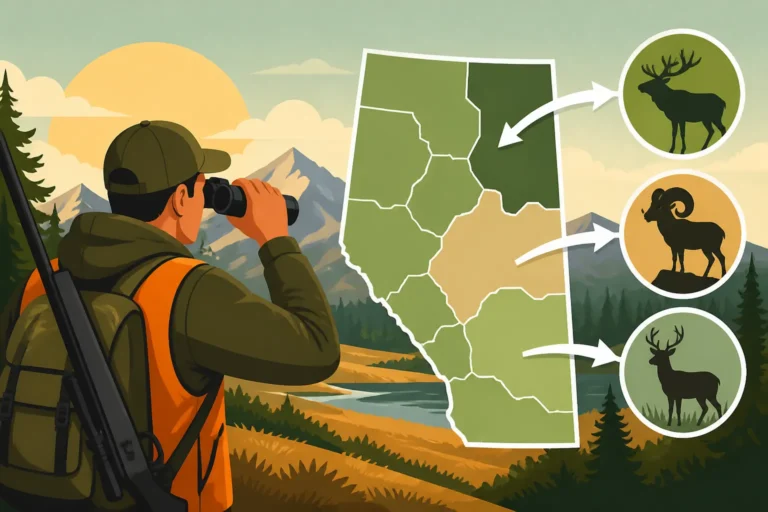
Alberta is a land of incredible diversity, from the sprawling boreal forests of the north to the fertile agricultural plains of the south. This vastness means that waterfowl migration and local breeding patterns vary significantly across the province. To manage these dynamics effectively, Alberta Environment and Parks, in collaboration with federal authorities that govern migratory birds (Environment and Climate Change Canada), divides the province into specific waterfowl management zones. These zones – typically designated as North, Central, and South – are critical because they dictate when and where you can hunt ducks.
Why Zones Matter for Duck Hunters
The rationale behind these zones is simple yet vital: ducks don't migrate uniformly. Early cold fronts in the far north push birds south long before the central or southern regions experience similar shifts. By segmenting the province, regulators can tailor season dates to align with the arrival and departure of migratory birds, as well as local breeding populations. For instance, the Northern Zone usually sees an earlier season opening because birds begin their southward journey earlier there. Conversely, the Southern Zone often holds birds later into the fall due to more prolonged mild weather and abundant food sources in agricultural areas.
Ignoring these zone distinctions can lead to hunting out of season, which carries significant penalties. It’s not just about compliance; it's about understanding the biological rhythms of the birds you pursue. Knowing the zones helps you anticipate migration waves and position yourself for the best opportunities. It's also worth noting that specific species, like pintails, might have additional restrictions or modified season lengths within these zones, emphasizing the need for detailed awareness. When you're trying to keep all these details straight, digital resources like the mapping and regulation tools on GoHunt can be incredibly useful for quickly cross-referencing zone boundaries and current regulations.
Where to Find Official Regulations
While this guide provides a solid foundation, it's absolutely paramount to always consult the official regulatory documents for the most current and authoritative information. The primary sources are the annual Alberta Hunting Regulations and the federal Migratory Birds Hunting Regulations. These documents are published annually and are readily available online through the Alberta Environment and Parks website and Environment and Climate Change Canada website, respectively.
Think of these documents as your hunting bible. Small changes occur every year, from minor tweaks to season dates to adjustments in bag limits or specific species restrictions. Even something as seemingly minor as a change in shooting hours can impact your hunt. For example, federal regulations will detail things like the Canadian Wildlife Habitat Conservation Stamp and the Federal Migratory Game Bird Permit Cost, both of which are mandatory for migratory bird hunting. Provincial regulations will outline your general Alberta Hunting Licences and What They Cost, and how they interact with federal rules. Always download or pick up a hard copy of the current year's regulations before you head afield. Not doing so isn't just risky; it's irresponsible.
Alberta's Specific Duck Season Dates by Zone
Getting the precise dates for Alberta's duck season is often the first step in planning a successful waterfowl hunt. These dates are carefully determined to coincide with the major migratory movements of species like mallards, northern pintails, wigeon, green-winged teal, and various diving ducks. The province's three main waterfowl management zones each have their own specific general duck season opening and closing dates.
Breakdown of Key Dates and Zones
Typically, the Northern Zone opens first, reflecting the earlier onset of autumn and southward migration in the boreal forest regions. This zone generally covers areas north of Highway 16 and specific other delineations found in the regulations. The Central Zone, encompassing the productive parkland and prairie regions around major cities like Edmonton and Red Deer, usually opens a bit later, as birds from more northern latitudes begin to arrive. Finally, the Southern Zone, which includes the rich agricultural lands stretching towards the U.S. border and the vast irrigation districts near Lethbridge and Medicine Hat, often shares an opening date with the Central Zone but may maintain open seasons for longer due to milder temperatures and continued food availability.
While these dates can experience minor shifts from year to year, the following table provides a typical framework for Alberta Duck Season Dates. Always verify with the current year's official regulations.
| Zone | General Duck Season Opening Date (Typical) | General Duck Season Closing Date (Typical) |
|---|---|---|
| North Zone | September 1 | December 16 |
| Central Zone | September 8 | December 18 |
| South Zone | September 8 | December 20 |
These dates cover the majority of duck species. However, it’s critical to remember that specific species, particularly those with fluctuating populations or special conservation needs, may have different or more restricted seasons and limits. For instance, Northern Pintail populations are sometimes managed with stricter harvest regulations, which can mean shorter seasons or reduced daily bag limits. Always consult the official regulations for these details. Early season hunting often focuses on local birds and early migrants like teal, while the peak of the migration for many species, particularly mallards, often occurs from mid-October through November, heavily influenced by weather patterns.
Special Considerations and Species-Specific Regulations
Beyond the general zone dates, hunters must be aware of special conditions and species-specific rules. Occasionally, there are specific early openers for certain species, like teal, or dedicated youth hunting days. These are designed to provide unique opportunities or to manage specific populations. Such opportunities are clearly detailed in the annual regulations, so keep an eye out if you're interested in these specialized hunts.
One of the most crucial aspects of duck hunting is accurate species identification. While many species fall under a general duck daily bag limit, some, such as canvasbacks, redheads, or even specific dabbling ducks like pintails, may have individual bag limits that are much lower. In some cases, hunting for certain species might be entirely closed if populations are a concern. Misidentifying a bird in the heat of the moment can lead to unintentional violations. Take the time to study the different plumages, flight patterns, and vocalizations of the various duck species you'll encounter. Knowing which ducks nest in Alberta's pothole country can give you a head start on what to expect in your bag during the early part of the season. As the season progresses, you'll see different waves of birds moving through, adding variety and challenge to your hunts.
Maximizing Your Success During Alberta's Duck Season
Knowing the official Alberta duck season dates is just the starting line; converting those dates into successful hunts requires a deeper understanding of waterfowl behavior, habitat, and tactical execution. Many factors beyond the calendar influence when and where ducks will be.
Understanding Migration Patterns and Weather Impacts
The true driver of duck hunting success isn't just the season opener, but the weather. Duck migration is a complex phenomenon, heavily influenced by temperature, wind, and precipitation. An early arctic cold front pushing down through northern Saskatchewan and Alberta can literally send thousands of birds streaming south in a matter of days. Conversely, a mild, open fall can delay migration, keeping birds on northern staging grounds much longer than anticipated.
Experienced waterfowl hunters often become amateur meteorologists, tracking weather patterns hundreds of miles to the north. A significant drop in temperature combined with strong northwesterly winds in the Peace River region can signal an imminent influx of new birds into the central and southern zones. These weather events often concentrate birds, pushing them off smaller, freezing potholes and onto larger bodies of water or into stubble fields where food is abundant. Understanding this dynamic interplay is crucial for timing your hunts. You'll often find the most memorable days are those immediately preceding, during, or following a major weather system. This is where active scouting fields for Alberta waterfowl comes into its own, allowing you to adapt to the birds' movements rather than hoping they'll conform to your schedule.
The Importance of Habitat and Scouting
Ducks are creatures of habit and necessity. They need reliable sources of food, water, and shelter. In Alberta's rich agricultural landscapes, these resources are plentiful, but their availability can shift constantly. Water levels in potholes and sloughs, the timing and type of grain harvest (barley, wheat, peas, canola), and the presence of refuge areas all influence where ducks will be. A recently swathed barley field, for example, can become an irresistible magnet for feeding mallards and pintails, while a complex of shallow, vegetated potholes offers perfect resting cover.
This is where pre-season and in-season scouting becomes non-negotiable. Don't just show up on opening day hoping for the best. Drive the backroads at dawn and dusk, glassing fields and bodies of water for concentrations of birds. Pay attention to flight paths and where birds are landing to feed or rest. This reconnaissance will help you pinpoint current hotspots, understand daily routines, and choose the best locations for your decoy spread and blind. You might find excellent opportunities by hunting ducks on an Alberta stubble field that others are overlooking, or discover a secluded pothole that's a magnet for birds. Tools like GoHunt offer satellite imagery and land ownership overlays that can be invaluable for identifying potential hotspots and finding public access or determining who to ask for private land permission.
Gear, Decoys, and Ethical Practices
Beyond timing and location, having the right gear and employing ethical hunting practices are essential for a fulfilling Alberta duck season. A quality decoy spread is paramount. This could range from a dozen floating decoys for pothole hunting ducks on small water to a vast spread of full-body field decoys for hunting large stubble fields. Realism and movement in your spread can make a huge difference. Learning to use various duck calls, from a subtle feed call to a ringing hail call, can draw in wary birds, but remember the adage: "less is often more."
One legal requirement that cannot be overlooked is the use of non-toxic shot for Alberta waterfowl. Steel shot is the most common and affordable option, but bismuth and various tungsten alloys offer superior performance at a higher cost. Always match your shot size and payload to the species you're targeting and the typical shooting distances.
Finally, ethical hunting practices are the cornerstone of responsible waterfowl hunting. Always obtain landowner permission before hunting on private land, even if it's just to retrieve a downed bird. Ensure you're taking clean, humane shots within your effective range to minimize wounding loss. Every effort should be made to retrieve all downed birds; a good retriever dog is an invaluable asset in this regard. Correct bird identification is also a critical part of ethical hunting, ensuring you respect the duck daily bag limit for specific species. After a successful hunt, proper meat care in Alberta's cold and warm swings is essential to prevent spoilage and ensure your harvest is respected and enjoyed. The more attention you pay to these details, the more you'll understand why Alberta is called a duck factory and cherish your time afield.
| Aspect | Impact on Duck Season Success | Key Hunter Action |
|---|---|---|
| Waterfowl Zone | Dictates specific legal hunting dates and times, varying across North, Central, and South regions based on migration. | Always consult current Alberta Hunting Regulations and Federal Migratory Bird Regulations for your specific zone. |
| Weather Patterns | Cold fronts, wind shifts, and early snow can push birds south rapidly or concentrate them in specific areas; mild weather delays migration. | Monitor long-range forecasts (e.g., GoHunt Weather Overlay) and understand how weather in northern areas impacts local bird movements. |
| Habitat Availability | Water levels in potholes, recent harvest of grain fields, and crop types (barley, peas, corn) dictate food sources and resting areas. | Conduct thorough pre-season and in-season scouting to locate active feeding and roosting sites; identify prime hunting locations. |
| Species Identification | Ensures compliance with specific daily bag limits (e.g., duck daily bag limit) and avoids harvesting protected species. | Study duck identification guides; practice distinguishing species in flight and on the water before and during the hunt. |
| Scouting & Access | Locating consistent bird activity and securing legal access (private land permission, Crown land). | Drive rural roads at dawn/dusk, glass fields, use mapping apps (GoHunt) for land ownership, and knock on doors for permission. |
| Gear & Techniques | Effective use of decoys, calls, blinds, and appropriate non-toxic shot. | Practice calling, set realistic decoy spreads, ensure adequate concealment, and use legal, effective ammunition. |
| Ethical Practices | Minimizing wounding, retrieving all downed birds, respecting property, and following all regulations. | Take clean shots, use a trained retriever, always pick up spent shells, and confirm permission before entering private land. |
| Post-Harvest Care | Proper field dressing and storage of birds ensures quality table fare and prevents spoilage. | Field dress birds quickly, cool them down rapidly, and transport them in appropriate coolers, especially during warmer weather. |
Disclaimer
The information provided in this guide is for general informational purposes only and is not a substitute for the official hunting regulations. Hunters are responsible for consulting the current Alberta Hunting Regulations, the Federal Migratory Birds Hunting Regulations, and any local bylaws before hunting. Regulations can change annually, and it is the individual hunter's responsibility to ensure full compliance with all applicable laws.