Game Bird Licence Cost and Stamps
Trying to figure out all the licences and stamps needed for game bird hunting in Alberta can feel like a real wild goose chase sometimes, especially with different levels of government involved and specific requirements for various birds. It's easy to get tangled up in the details, from provincial certificates to federal permits, and no one wants to find themselves on the wrong side of the law or, worse, miss out on a hunt because of a missing piece of paper. This guide is designed to cut through that confusion, walking you through every licence and stamp you’ll need, what they cost, and why each one is important for a lawful and enjoyable game bird hunting season here in Alberta.
Understanding Alberta's Game Bird Licensing System
Hunting game birds in Alberta isn't as simple as just grabbing a shotgun and heading out. There's a layered system of permits and licences designed to manage wildlife populations, fund conservation efforts, and ensure everyone on the land is accounted for. Failing to understand these requirements can lead to fines, confiscation, and a ruined hunting trip. It’s crucial to get this right before you even think about stepping into the field.
The Essential Wildlife Certificate
Before you can even consider purchasing a game bird licence in Alberta, you absolutely must possess an annual Wildlife Certificate. This isn't a hunting licence itself, but rather a fundamental prerequisite that shows you're registered in the provincial system and have paid into the wildlife management fund. Think of it as your foundational pass into the world of Alberta hunting. Without a valid Wildlife Certificate, no other hunting licences can be issued. It's a non-transferable document and must be renewed every year. For a deeper dive into this, we have a comprehensive guide on What the Wildlife Certificate Covers, which breaks down its purpose and benefits in more detail. This certificate helps fund critical research, habitat restoration, and enforcement efforts across the province, so while it's an upfront cost, it's contributing to the future of the sport we all love.
Provincial Game Bird Licence Specifics
Once your Wildlife Certificate is in hand, your next step is the actual Alberta Game Bird Licence. This provincial licence grants you the privilege to hunt resident game birds, such as grouse (Ruffed, Spruce, Sharp-tailed), Hungarian partridge, and pheasants. The cost varies significantly depending on whether you are an Alberta resident, a non-resident Canadian, or a non-resident alien. For Alberta residents, this licence is a relatively modest investment, reflecting your direct contribution to the provincial tax base and your ongoing residency. However, for non-resident Canadians and especially non-resident aliens, the costs are considerably higher. This tiered pricing structure helps to manage hunting pressure and ensures that those who are not primary contributors to Alberta's provincial resources contribute more directly to the hunting management system when they come to participate. It's vital to ensure you have the correct designation when purchasing to avoid any issues down the line.
Federal Migratory Game Bird Permit Requirements
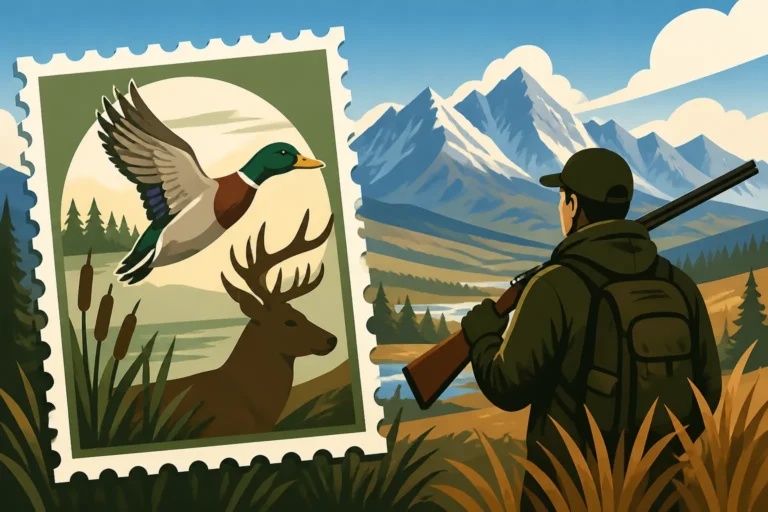
Now, here's where things get a little more complex, especially if you're planning to hunt ducks, geese, or Sandhill cranes. These species are considered "migratory game birds" and fall under federal jurisdiction, meaning you need a separate permit issued by the Canadian federal government in addition to your provincial licences. This is the Federal Migratory Game Bird Hunting Permit, and it's mandatory for anyone hunting these species anywhere in Canada, not just Alberta. The permit itself includes the cost of the Canadian Wildlife Habitat Conservation Stamp, which is a significant contributor to wetland conservation efforts across the country. It’s a small, physical stamp that must be signed and affixed to your federal permit. Many a hunter has been caught off guard, forgetting this federal requirement, even after having all their provincial paperwork in order. If you’re planning to hunt migratory birds, make sure this permit and stamp are at the top of your checklist. We've got another resource that digs specifically into the Federal Migratory Game Bird Permit Cost and its implications.
Breaking Down the Costs for Game Bird Licences
The price tag for game bird hunting in Alberta isn't just one number; it's a combination of several fees. Understanding these individual costs and why they differ based on your residency status is key to budgeting for your trip and avoiding any surprises. These costs aren't static either; they can be adjusted periodically by the government, so always check the most current regulations.
Resident vs. Non-Resident Pricing Differences
The cost structure for hunting licences in Alberta heavily favours residents, and for good reason. Alberta residents contribute to the province's economy and conservation through taxes year-round, so their hunting licences are subsidized to a degree. For instance, an Alberta resident's annual Wildlife Certificate and Game Bird Licence will be significantly less than what a non-resident Canadian or a non-resident alien (someone from outside Canada) would pay.
Consider the following approximate costs for the core items you'll need:
| Item | Resident Cost (Approx. CAD) | Non-Resident Canadian Cost (Approx. CAD) | Non-Resident Alien Cost (Approx. CAD) |
|---|---|---|---|
| WIN Card (5 years) | $8.00 | $8.00 | $8.00 |
| Wildlife Certificate (Annual) | $28.25 | $64.95 | $174.95 |
| Provincial Game Bird Licence | $20.00 | $80.00 | $150.00 |
| Federal Migratory Game Bird Permit (Annual) | $17.00 | $17.00 | $17.00 |
Note: All prices are approximate, subject to change, and do not include GST where applicable.
As you can see, the difference for a non-resident alien, for example, is quite substantial when you add up the Wildlife Certificate and the Provincial Game Bird Licence. This helps manage the impact of out-of-province hunters on local wildlife populations and ensures fair financial contribution to the extensive management required for sustainable hunting.
Additional Stamps and Permits
While the main licences cover most scenarios, there are no other specific "stamps" beyond the Canadian Wildlife Habitat Conservation Stamp that is bundled with your Federal Migratory Game Bird Permit. This stamp is a critical piece of the puzzle for migratory bird hunters, often overlooked but absolutely essential. It's a powerful tool for fundraising, with the proceeds dedicated to wetland habitat conservation and enhancement across Canada, vital for the very birds we pursue. So, while it's not an additional purchase, understanding its purpose and ensuring it's properly affixed to your federal permit is important. It's a small detail that speaks volumes about a hunter's commitment to conservation. Don't forget, the funds from The Canadian Wildlife Habitat Conservation Stamp directly benefit crucial habitat projects.
Navigating Online Purchase Platforms
In today's digital age, obtaining your hunting licences is easier than ever, thanks to online platforms. The official portal for purchasing all your provincial Alberta hunting licences and the Wildlife Certificate is albertarelm.com. This user-friendly website allows you to apply for and purchase everything you need from the comfort of your home. You'll create an account, link your WIN card, and then proceed to select the necessary licences. Many hunters swear by tools like GoHunt for everything from license purchases on Buying Licences on albertarelm.com to detailed WMU maps for Scouting an Alberta WMU Before Season. For the Federal Migratory Game Bird Hunting Permit, you can also purchase this online through the Government of Canada's Environment and Climate Change Canada website, or at Canada Post outlets. It’s always a good idea to purchase your licences well in advance of your hunt, print them out, and carry both a physical copy and a digital version (if accessible on your phone) when in the field. This way, if you encounter wildlife officers, you'll have everything readily available, proving your compliance. GoHunt also provides valuable insights and resources that complement the official purchasing platforms, offering an integrated approach to planning and executing your hunt.
Planning Your Alberta Bird Hunt
Once you've got your licences sorted, it’s time to think about the actual hunt. Bird hunting in Alberta offers incredibly diverse opportunities, from upland game in the prairies and parkland to vast flocks of waterfowl in the grain fields. A successful and compliant hunt requires more than just permits; it demands careful planning, knowledge of regulations, and responsible conduct.
Season Dates and Bag Limits
Understanding the season dates and bag limits is paramount. These regulations vary not only by species but also by Wildlife Management Unit (WMU) and can change from year to year. For example, the season for Ruffed Grouse in the Boreal Forest might open earlier and run later than the Pheasant season in a specific release zone down south. Migratory bird seasons are set federally but often have provincial overlays and specific flyway zone dates. Daily bag limits, possession limits, and even aggregate limits (the total number of different species you can possess) are all clearly outlined in the Alberta Hunting Regulations. Ignoring these limits isn't just against the law; it's detrimental to the sustainable management of these valuable bird populations. Always double-check the current year's regulations before heading out. For a deeper dive into specific season dates and bag limits for different species, check out our comprehensive guide on Alberta Game Bird Seasons and Limits. Tools like GoHunt can often provide easily digestible summaries and maps showing these specifics.
Non-Toxic Shot Requirements
This is a critical point that often trips up new waterfowl hunters, and sometimes even seasoned upland hunters. Federal regulations mandate the use of non-toxic shot for all migratory game bird hunting in Canada. This means if you are hunting ducks, geese, Sandhill cranes, or any other migratory game bird, you must use non-toxic shot like steel, bismuth, or tungsten. It’s not just for specific wetlands or federal lands; it's a blanket rule for migratory birds across the country, primarily to prevent lead poisoning in birds that ingest spent shot. Alberta also has specific areas, such as some Provincial Parks and Recreation Areas, where non-toxic shot is required for all hunting, including upland game birds. Always carry a copy of the regulations or have access to a digital version to verify local rules. And remember, federal law mandates the use of Non-Toxic Shot for Alberta Waterfowl in many areas, so factor that into your gear prep. Failure to comply can result in severe penalties, including fines and confiscation of firearms.
Scouting and Accessing Prime Bird Habitat
Finding where the birds are is half the battle, and it requires careful scouting. Alberta offers an incredible diversity of habitats for game birds. For upland species like Sharp-tailed Grouse and Hungarian Partridge, you'll often focus on native grasslands, shelterbelts, and crop edges in the prairie and parkland regions. Ruffed and Spruce Grouse thrive in the extensive coniferous and deciduous forests of the Green Area. Waterfowl, on the other hand, will be found staging in grain fields and resting on countless potholes, rivers, and lakes, particularly during migration along Alberta's Waterfowl and Migration Routes. Accessing these areas can be done on Crown land, Public Land Use Zones, or with permission on private land. Always ensure you have the appropriate access. Many hunters use digital mapping tools to identify Crown land boundaries and potential hotspots. Always respect private property and remember to Asking an Alberta Landowner for Permission before entering their land. Knowing the lay of the land, including where birds feed, rest, and travel, will dramatically increase your success rate and ensure you're hunting in appropriate and legal areas. If you're targeting specific birds like sharp-tailed grouse, understanding Walking Up Sharp-Tailed Grouse in Alberta can be invaluable for finding them in their preferred habitats.
Tips for a Successful and Compliant Hunt
Beyond the licences and regulations, a successful bird hunt hinges on readiness, respect for the rules, and a deep appreciation for the outdoors. Being prepared in every aspect ensures a smoother, more enjoyable, and ultimately more rewarding experience.
Keeping Your Documents in Order
This might sound like a broken record, but it cannot be stressed enough: keep all your licences and permits with you at all times while hunting. This includes your WIN Card, Wildlife Certificate, Provincial Game Bird Licence, and if applicable, your Federal Migratory Game Bird Hunting Permit with the signed Conservation Stamp. Many experienced hunters keep them in a waterproof pouch in their hunting vest or backpack. A digital copy on your phone is also a good backup, but don't rely solely on it, as battery life and signal can be unreliable in remote areas. A wildlife officer can request to see these documents at any time, and not being able to produce them instantly can lead to delays, questioning, and potential fines. Being organized not only demonstrates responsibility but also allows you to quickly get back to enjoying your hunt. Ensure you have the physical tag for your provincial licence (if issued) and understand Alberta Tag Attachment and Cancellation Rules for any big game you might pursue on a combination hunt, though bird hunting usually doesn't involve physical tags in the same way.
Reporting Your Harvest
While not always a mandatory requirement for every single game bird harvested, there are specific instances and situations where reporting your harvest is either highly recommended or legally required. For instance, if you participate in specific research programs or hunt in certain management units, you might be asked to report your take. More generally, reporting helps wildlife managers gather crucial data on harvest rates, which directly influences future season settings and population management strategies. It's an important part of a hunter's ethical responsibility to contribute to conservation science. After a successful hunt, Reporting a Harvest in Alberta is not just good practice, it's often a legal requirement for big game and contributes valuable data for bird populations as well. Always check the current regulations for any specific reporting requirements for the species you are hunting. Even voluntary reporting through platforms like GoHunt can offer valuable data to wildlife agencies, aiding in better management decisions for our bird populations.
Ethical Considerations and Conservation
Hunting is more than just obtaining a licence and shooting a bird; it’s about being a responsible conservationist. This means adhering to fair chase principles, respecting wildlife, and contributing to the health of the ecosystems we enjoy. Practice your shooting to ensure clean kills and minimize wounding loss. Retrieve all downed birds and ensure no meat is wasted. Rules on Wasting Game Meat are taken very seriously in Alberta. Understand and respect private property boundaries, retrieve your spent shells (especially non-toxic ones, which can still be an environmental concern), and leave no trace behind. Participating in local conservation groups or initiatives further strengthens the hunting community's commitment to wildlife. Every licence and stamp you purchase directly contributes to these efforts, but your actions in the field are just as, if not more, important. By being an ethical hunter, you not only uphold the integrity of the sport but also help secure its future for generations to come. This ethos is something we strongly believe in, and tools like GoHunt often highlight responsible hunting practices and conservation opportunities.
Disclaimer
The information provided in this guide is for general informational purposes only and is subject to change. Hunting regulations, licence costs, and season dates are determined by Alberta Environment and Parks and the Government of Canada and can be updated without prior notice. Hunters are responsible for consulting the most current official Alberta Hunting Regulations and the federal Migratory Birds Regulations before engaging in any hunting activities. Always verify specific rules and costs with the official government sources or a licenced vendor.