Alberta’s Waterfowl and Migration Routes
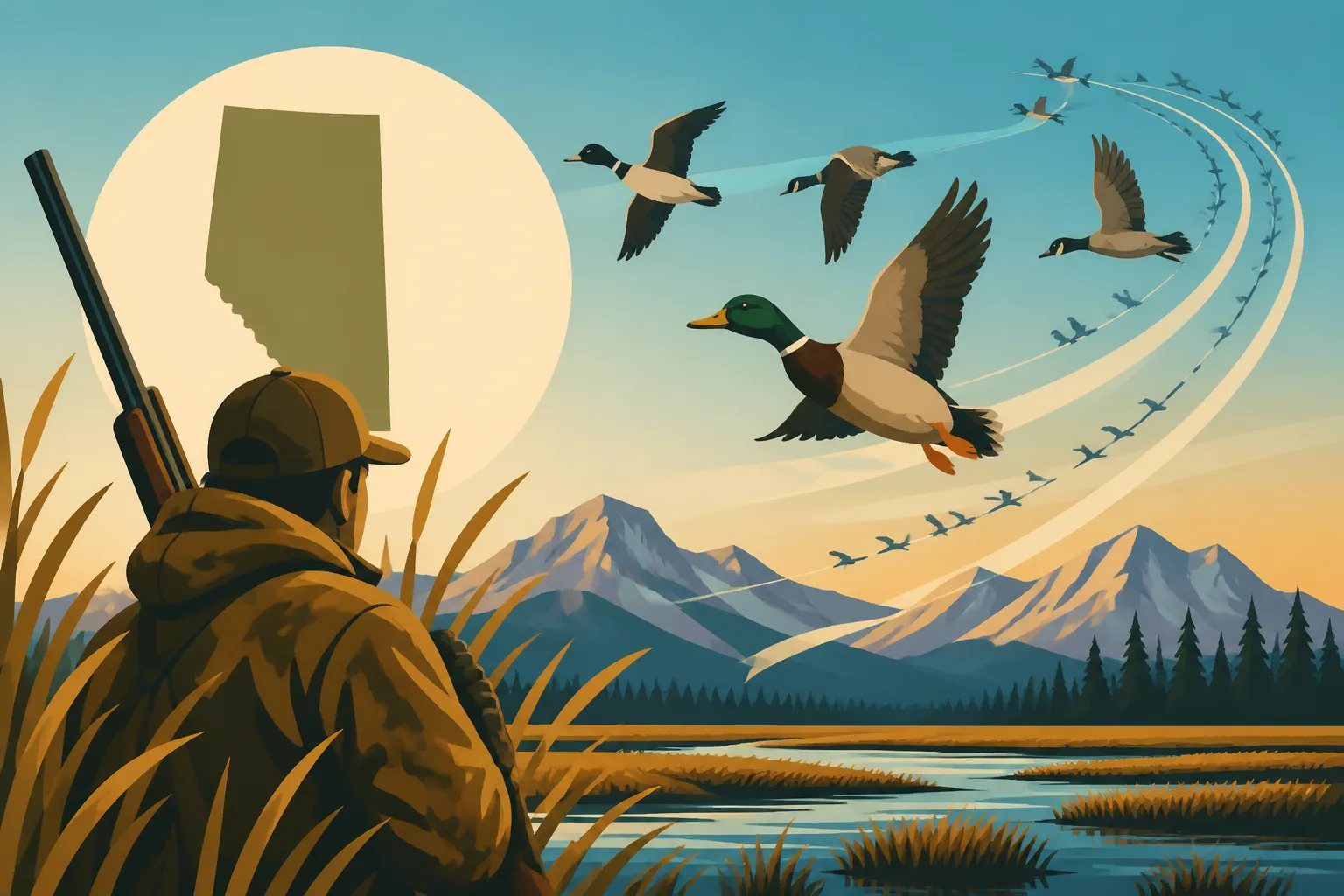
There's nothing quite like the sight and sound of thousands of ducks and geese descending on an Alberta stubble field or lifting off a prairie pothole. For many, the unique rhythm of the fall migration is a deeply ingrained part of their hunting heritage. But understanding why these birds choose Alberta, the specific routes they take, and the incredible diversity of species that call this province home (even temporarily) can feel overwhelming, especially with ever-changing habitat and weather patterns. This guide will take a deep dive into the fascinating world of Alberta's waterfowl, their critical migration routes, and how we, as hunters, can best appreciate and conserve this incredible resource.
Understanding Alberta's Unique Waterfowl Landscape
Alberta, often called "the duck factory of North America," offers an unparalleled waterfowl hunting experience. This isn't just luck; it's a testament to the province's diverse and abundant wetland ecosystems, which provide crucial breeding, staging, and feeding grounds for millions of migratory birds. From the vast prairies to the dense boreal forests, different habitats cater to different species, creating a rich tapestry of waterfowl activity throughout the seasons.
The Prairie Pothole Region: North America's Duck Factory
Stretching across southern and central Alberta, the Prairie Pothole Region is an ecological marvel and the single most important waterfowl breeding area on the continent. Imagine millions of small, shallow wetlands—potholes—dotting the landscape, interspersed with grasslands and agricultural fields. These temporary and semi-permanent water bodies, often formed by glacial activity, are precisely what breeding ducks need: rich invertebrate life for protein-packed meals, dense nesting cover in surrounding vegetation, and abundant fresh water.
These potholes are critical not just for breeding but also for early staging. As broods grow and young ducks fledge, they utilize these same wetlands for feeding and gaining strength before migration. The sheer density and variety of these wetlands mean ducks can find refuge and food in relative abundance, fueling their long journeys south. This region is a true engine for waterfowl populations, directly impacting hunting opportunities across the entire continent. You might be hunting ducks on a small water body, often referred to as Pothole Hunting Ducks on Small Water, which is a quintessential Alberta experience.
Major River Systems and Their Role
Beyond the potholes, Alberta's extensive river systems act as vital migration corridors and staging areas, especially as the fall progresses and smaller wetlands begin to freeze. Rivers like the North Saskatchewan, South Saskatchewan, Athabasca, Peace, and even the smaller Red Deer and Bow Rivers offer continuous open water, abundant aquatic vegetation, and adjacent agricultural lands for feeding.
Ducks, particularly divers and larger dabblers, and all species of geese, will congregate on these rivers. The moving water often means these areas stay open longer into the colder months, providing essential refuge when other water sources are frozen solid. These riverine habitats become crucial resting and feeding grounds, concentrating birds and offering unique hunting opportunities along their banks and adjacent fields. These large waterways also provide a reliable food source, supporting larger concentrations of birds during their stopovers.
Large Lakes and Reservoirs as Staging Hubs
Alberta is also home to numerous large lakes and man-made reservoirs that serve as critical staging hubs for massive flocks of waterfowl. Think of places like the Oldman Reservoir in the south, Lake Newell near Brooks, or Lesser Slave Lake in the central north. These expansive bodies of water offer incredible safety in numbers for thousands upon thousands of ducks and geese. The sheer size of these lakes provides vast open areas where birds can rest without fear of predators, while their surrounding shallow bays and nearby agricultural fields offer abundant food sources.
As the fall migration intensifies, these large lakes become bustling airports for waterfowl. Birds will spend days, sometimes weeks, here, gorging themselves on grain, aquatic plants, and invertebrates to build up the fat reserves necessary for their long flights south. These locations are particularly important for geese, such as Canada Geese and Snow Geese, which often arrive in vast numbers, turning the skies into a mesmerizing spectacle. Understanding where these major staging areas are can significantly enhance your Scouting Fields for Alberta Waterfowl efforts, as birds will radiate out from these safe havens to feed.
Decoding Alberta's Waterfowl Migration Routes
Alberta sits strategically within one of North America's primary waterfowl migration pathways: the Central Flyway. However, the province's vast geographic spread means it also experiences influences from the Pacific Flyway, creating a fascinating and sometimes complex set of migration patterns that impact when and where hunters find birds. Understanding these routes is key to anticipating bird movements and timing your hunts effectively.
The Central Flyway: Alberta's Main Artery
The vast majority of waterfowl that traverse Alberta do so via the Central Flyway. This immense aerial highway stretches from the Arctic breeding grounds of Canada and Alaska, through the prairies of Alberta, Saskatchewan, and Manitoba, and down through the central United States to wintering grounds in the Gulf Coast and Mexico. For ducks and geese nesting in the northern reaches of Alberta, the Northwest Territories, and even the Arctic archipelago, Alberta's rich agricultural landscape and abundant wetlands offer a crucial first stop or a primary staging area on their journey south.
The timing of this migration is critical. Early in the season, typically late August and September, you'll primarily see locally hatched birds and early migrating teal and pintails. As September progresses into October, the main wave of dabbling ducks, followed by divers, begins to push through from more northern latitudes. By late October and November, larger species of geese, especially Canada and Snow Geese, arrive in force, often riding the first significant cold fronts out of the north. These cold snaps trigger mass movements, making Goose Season Dates by Zone a critical piece of information for planning your hunts. This predictable flow allows hunters to target different species throughout the season, always looking north for the next flight of birds.
Pacific Flyway Influence and Western Alberta
While Alberta is predominantly a Central Flyway province, the western edge of the province, particularly the foothills and mountain regions, experiences some overlap and influence from the Pacific Flyway. Birds breeding in parts of British Columbia and even Alaska might occasionally cut through western Alberta, or certain species that winter along the Pacific Coast might use this corridor. This influence is less pronounced than the Central Flyway but can still be a factor, particularly for certain populations of ducks and geese.
For instance, some Canada Geese populations, or certain pintails and mallards, might utilize migration corridors that straddle the Continental Divide, or find their way to Alberta's western river valleys. Hunters in areas closer to the mountains, like the Crowsnest Pass or around Grande Cache, might notice these slightly different migration patterns. While not a primary route for most species, this subtle influence adds another layer of complexity to Alberta's waterfowl picture, highlighting the interconnectedness of these vast aerial pathways.
Key Staging Areas Along the Routes
Throughout Alberta, certain geographic areas act as critical staging grounds, drawing in hundreds of thousands, if not millions, of waterfowl during their migration. These are not just random stops; they are strategic locations chosen for their abundant food sources, freshwater, and relative safety. Understanding and locating these hubs can dramatically improve your hunting success.
In the south, the Brooks region, with its numerous irrigation canals, large reservoirs like Lake Newell, and vast tracts of grain fields, is a renowned magnet for geese, particularly Snow and Ross's Geese, and Canada Geese. Further north, the agricultural belt between Calgary and Edmonton, often referred to as the Parkland, provides immense feeding opportunities for ducks and geese alike. In the far north, the Peace River delta and adjacent wetlands are crucial staging areas for birds coming from the high Arctic, offering some of the earliest and most concentrated flights. The Cypress Hills, while smaller, also acts as an important stopover for birds moving through southeastern Alberta. These regions are often where you'll find birds in incredible numbers, providing exceptional Field Hunting Geese in Alberta Stubble opportunities.
Waterfowl will "stage" in these areas for varying lengths of time, depending on weather, food availability, and hunting pressure. They will feed heavily in agricultural fields, resting on large, open water bodies. Using tools like GoHunt can help identify these potential staging areas and the crucial water bodies nearby, allowing you to pinpoint prime scouting locations and understand access on surrounding lands. Knowing these key staging grounds, and the species they attract, is fundamental to a successful Alberta waterfowl season.
Common Duck Species and Their Alberta Habits
Alberta's diverse wetlands and agricultural landscapes support an incredible variety of duck species, offering different hunting experiences throughout the fall. From the puddle-dwelling dabblers to the deep-diving divers, each species has its own unique habits, preferences, and migration patterns. Understanding these differences is key to becoming a more effective and knowledgeable waterfowler.
Dabblers: Mallards, Pintails, and Wigeons
Dabbling ducks, also known as "puddle ducks," are arguably the most commonly pursued waterfowl in Alberta. These birds feed by "dabbling" or tipping up in shallow water, grazing on submerged vegetation, seeds, and invertebrates, or by foraging in agricultural fields. They prefer shallow wetlands, marshes, and river backwaters, making them abundant across Alberta's prairie and parkland regions.
The Mallard is king in Alberta, easily the most recognizable and abundant duck. Known for their striking green heads (on drakes) and loud "quacks," mallards are adaptable birds, equally at home on a prairie pothole, a river bend, or gleaning grain in a stubble field. They are often the last ducks to leave in the fall, providing excellent hunting well into the colder months. Their diet of waste grain makes them a prime target for Hunting a Swathed Grain Field at Dusk as they fly from their roosts to feed.
Northern Pintails, with their elegant, long necks and distinct "pin" tail feathers, are another major player. They're often one of the first species to migrate south, making them a significant part of the early season bag. Pintails prefer open, shallow water and are keen field feeders, often mixing with mallards. Their sleek profile and swift flight make them a challenging and rewarding target.
American Wigeons are characterized by their white crown patch (drakes) and whistling call. They are primarily grazers, feeding on aquatic vegetation and green shoots in fields. Wigeons are common in Alberta's mixed grasslands and parkland, often found in smaller groups on potholes or alongside larger flocks of mallards. Their rapid, agile flight adds excitement to any hunt.
Divers: Canvasbacks, Redheads, and Scaup
Diving ducks present a different challenge and typically prefer larger, deeper bodies of water like big lakes, reservoirs, and major rivers. Unlike dabblers, they submerge themselves completely to forage for aquatic plants, mollusks, and fish. Their heavy bodies and powerful wings give them a distinctive flight pattern—they need a "runway" to take off, skittering across the water before becoming airborne.
The Canvasback is often considered the "king of ducks" by many for its beauty, size, and exquisite table fare. Drakes sport a rich reddish-brown head and a sloping profile. Canvasbacks are strong flyers and prefer large, open bodies of water where they can dive for tubers and rhizomes of aquatic plants. They stage on Alberta's larger lakes and reservoirs, providing thrilling pass-shooting opportunities.
Redheads, with their distinctive reddish heads and bright blue bills, are another popular diving duck. They are often found in similar habitats to canvasbacks, feeding on aquatic vegetation and invertebrates. Redheads are robust birds, providing a substantial meal, and can be found on many of Alberta's larger wetlands and reservoirs during migration.
Scaup, both Greater and Lesser, are common divers in Alberta. They are often referred to as "bluebills" due to their blue-grey bills. Scaup typically gather in large rafts on bigger lakes and reservoirs, feeding on mollusks and insects. They migrate in large numbers and can provide fast-paced shooting, though sometimes their diet makes them less preferred for the table compared to other species. Duck Daily Bag Limit by Species often differentiates between dabblers and divers, so it's important to know your ducks!
Lesser-Known Ducks: Teals, Gadwalls, and Shovelers
While mallards and pintails often dominate the conversation, Alberta's wetlands are also home to several other fascinating duck species that add diversity to the hunting experience and are often some of the first birds to migrate south.
Blue-winged Teal are early migrants, often leaving Alberta by late September or early October. They are small, incredibly fast flyers, known for their distinctive sky-blue shoulder patches on the wing. Teal prefer shallow marshes and ephemeral wetlands, feeding on seeds and invertebrates. Hunting these speedy little rockets in the early season can be exhilarating, particularly when they come screaming into a decoy spread.
Green-winged Teal are even smaller and faster than their blue-winged cousins. They are also early migrants but can sometimes be found in Alberta later into the fall. Their iridescent green speculum (wing patch) is their hallmark. Green-wings are common on shallow potholes and often offer challenging shots due to their erratic flight.
Gadwalls are often overlooked but are a significant component of Alberta's duck population. Drakes have a subtle grey-brown plumage with a black rump and a distinctive white speculum on their wing, which is a key identification feature in flight. Gadwalls are primarily vegetarians, feeding on aquatic plants, and are commonly found on potholes and marshes. They decoy readily and provide excellent eating.
Northern Shovelers, with their oversized, spatula-like bills, are unmistakable. This unique bill is adapted for sifting small invertebrates and seeds from the water's surface. Shovelers are common in rich, shallow wetlands across Alberta. While sometimes less preferred for the table due to their specialized diet, they are abundant and provide plenty of hunting action, particularly in areas with good invertebrate populations.
Goose Species: Giants of the Alberta Skies
The sheer spectacle of thousands of geese migrating across Alberta's skies is a sight to behold, and for many hunters, it's the pinnacle of the waterfowl season. Alberta is a critical staging ground for several species of geese, offering some of the best goose hunting opportunities in North America. Each species brings its own unique challenge and charm to the hunt.
Canada Geese: Ubiquitous and Abundant
Canada Geese are undoubtedly the most widespread and recognizable geese in Alberta. From small "Richardsons" or Cackling Geese that breed in the Arctic to the massive "Giant Canadas" that often breed locally, these birds are highly adaptable and thrive across a variety of habitats, including urban parks, large rivers, and agricultural lands. They arrive in Alberta throughout the fall, with local birds being supplemented by vast numbers pushing south from northern breeding grounds.
Canada Geese are primarily grazers, feeding voraciously on waste grain, winter wheat, and green grasses in agricultural fields. They often fly predictable patterns from their large water roosts to feeding fields, making them a prime target for field hunts. Hunting Canada Geese requires realistic decoys, excellent concealment, and a mastery of calling. Their wary nature makes them a challenging and rewarding quarry. You'll find these birds almost anywhere there are fields and water, making Hunting Alberta's Grain Fields a popular pursuit.
Snow and Ross's Geese: The White Blizzards
The spectacle of a million Snow Geese (and their smaller cousins, Ross's Geese) descending on an Alberta field is an unforgettable experience. These birds breed in the far Arctic tundras and undertake epic migrations, with Alberta being a critical staging area for huge segments of their population. They are incredibly gregarious, forming massive flocks that can literally darken the sky.
Snow Geese are primarily grazers, grubbing for roots and shoots in marshy areas, but in Alberta, they feed heavily on waste grain, particularly peas, barley, and wheat. Hunting snow geese is a distinct challenge, often requiring massive decoy spreads of hundreds, even thousands, of white decoys. They are notoriously wary, and getting them to commit to a spread often involves extensive calling and perfect concealment. The reward, however, is an incredible experience of mass migration. The late season, in particular, can offer incredible Snow Goose Limits and Late Seasons opportunities as they push through in large numbers.
Specklebelly (Greater White-fronted Geese): The Gourmands
Often referred to as "Specks" or "Specklebellies" due to the dark barring on their white bellies, Greater White-fronted Geese are highly prized by hunters for their delicious meat and challenging nature. They possess a distinctive, high-pitched "laughing" call that sets them apart from other geese. White-fronts typically breed in the western Arctic and migrate through Alberta in significant numbers, often arriving earlier than the main push of Snow Geese.
Specklebellies are selective feeders, often preferring specific fields of peas, lentils, or barley, and sometimes even seeking out natural greens. They are often less numerous than Canada or Snow Geese in a given field but are incredibly wary and respond well to quality decoys and expert calling. Successfully decoying a small flock of Specks is a high point for many waterfowlers. Their discerning nature makes Hunting Specklebellies Over Decoys a truly tactical endeavor.
Sandhill Cranes: A Unique Migratory Hunt
While not technically geese, Sandhill Cranes are a majestic migratory game bird that offers a unique and thrilling hunting experience in Alberta. Known for their stately appearance, loud rattling call, and impressive wingspan, cranes migrate through Alberta in large numbers, particularly in the central and eastern parts of the province. They often fly in large V-formations, announcing their presence long before they are visible.
Sandhill Cranes are omnivores, feeding on grain, insects, and small invertebrates in agricultural fields and wetlands. Hunting cranes is similar to goose hunting, often involving field setups with large decoys and specialized calling. Their large size and delicious meat make them a highly sought-after trophy. Alberta provides a fantastic opportunity to hunt these incredible birds, with specific Alberta Sandhill Crane Season Dates to be aware of.
Best Practices for Alberta Waterfowlers
Success in Alberta waterfowl hunting isn't just about showing up; it's about preparation, observation, and respect. From diligent scouting to ethical considerations, employing best practices ensures a more rewarding hunt and contributes to the sustainable future of this incredible resource.
Scouting and Field Selection
The bedrock of any successful waterfowl hunt in Alberta is thorough scouting. You can't just pick a random field and expect birds to show up. Waterfowl are creatures of habit, often flying predictable patterns between their roosting water and their feeding grounds. Pre-season scouting helps you identify potential flight corridors, roosting lakes, and likely feeding fields based on crop types and historical use. Once the season opens, daily scouting is crucial. Drive the backroads at dawn and dusk, observing where birds are flying, where they are landing to feed, and what crops they are targeting.
Factors like wind direction, crop stubble (peas, barley, wheat, canola), and proximity to large water bodies all play a role in field selection. For geese, a freshly swathed or harvested grain field is gold. For ducks, especially mallards, a field with standing water or a nearby pothole can be just as attractive. Tools like GoHunt or other mapping apps are incredibly useful for identifying land ownership, locating potential public access points, and understanding the layout of a Wildlife Management Unit (WMU). This helps with Getting Permission for a Goose Field which is often necessary for prime locations. Remember to secure landowner permission before setting foot on private land.
Decoy Spreads and Concealment
Once you've scouted a prime location, your decoy spread and concealment are paramount. Geese, in particular, are incredibly wary, and any unnatural sight or movement will send them flaring.
For ducks, particularly mallards, a spread of 2-4 dozen floating decoys in a natural-looking pattern on a pothole, or a handful of full-body field decoys with a jerk string, can be highly effective. The key is motion and realism. For Canada Geese, full-body decoys are often preferred, arranged in family groups with a landing zone (hole) directly in front of your blind. Spreads can range from a few dozen to over a hundred. For Snow Geese, volume is key; spreads of hundreds or even thousands of rags, socks, or full-body decoys are common to mimic their massive flocks. You'll likely be Setting a Goose Spread in Swathed Barley or a similar grain field.
Concealment is non-negotiable. Layout blinds that blend seamlessly with the stubble, natural cover like cattails or willow fringes, or custom-built permanent blinds are essential. Dress in camouflage that matches the environment, and always keep movement to an absolute minimum when birds are approaching. A poorly concealed hunter or a decoy spread that looks "off" will send birds packing before they're in range.
Weather's Influence on Migration and Hunting
Weather is perhaps the single biggest factor influencing waterfowl migration and daily hunting success in Alberta. A sudden cold front pushing down from the Arctic, bringing strong north winds and even snow, can trigger massive migratory flights. Birds that were staging comfortably in northern Alberta might suddenly be on the move, pushing into central or southern regions.
Light winds can make birds work more readily to decoys, as they need to adjust their flight path, but too much wind can make shooting challenging and even cause birds to stay grounded. Fog can ground birds completely, while clear, calm days often result in high-flying, wary birds that are difficult to decoy. Monitoring weather forecasts from Environment Canada or The Weather Network is crucial.
Hunters must adapt their strategies to the weather. On cold, windy days, birds might feed more aggressively, making field hunts productive. On bluebird days, focusing on large water bodies where birds raft up might be more effective for pass shooting. Safety in adverse weather is also paramount; sudden blizzards or extreme cold can be dangerous, especially when hunting far from shelter. Proper layering and emergency gear are a must when Hunting Alberta Winter Weather Safely.
Legalities and Ethical Hunting
Hunting waterfowl in Alberta, like all hunting, is governed by strict regulations designed to ensure the sustainability of populations and ethical conduct. All hunters must possess a valid Alberta Wildlife Certificate, an Alberta game bird license, and a Federal Migratory Game Bird Permit, which includes the Canadian Wildlife Habitat Conservation Stamp. These are mandatory, and purchasing them ensures you're contributing directly to conservation efforts. You can learn more about Alberta Migratory Bird Permits and what they cover.
Key regulations to be aware of include:
- Bag Limits: Strict daily and possession limits are in place for various duck and goose species. Knowing your Duck Daily Bag Limit by Species is non-negotiable.
- Shooting Hours: Hunting is restricted to specific hours, typically half an hour before sunrise to half an hour after sunset.
- Non-Toxic Shot: It is mandatory to use non-toxic shot (steel, bismuth, tungsten alloy, etc.) for all migratory bird hunting in Canada, including Alberta. Lead shot is strictly prohibited. Understanding Non-Toxic Shot for Alberta Waterfowl is crucial for compliance and environmental protection.
- Tagging and Retrieval: All harvested birds must be retrieved and counted towards your limit. Wounding a bird and not making a reasonable effort to retrieve it is illegal and unethical.
- Landowner Permission: Always secure written or verbal permission before hunting on private land. Respect gates, fences, and personal property.
Ethical hunting goes beyond legal compliance. It means making clean, humane shots, knowing your effective range, and passing on questionable shots. It means minimizing waste, properly caring for your harvested birds, and showing respect for the land and its resources. By adhering to these practices, we uphold the integrity of our hunting traditions and ensure that waterfowl populations continue to thrive for future generations.
Beyond the Hunt: Conservation and Future of Waterfowl
Waterfowl hunting in Alberta is more than just pulling a trigger; it's an intimate connection to the landscape and a vital part of conservation. The continued abundance of ducks and geese flying through Alberta is a testament to decades of dedicated conservation efforts, largely funded and supported by hunters themselves. Understanding these efforts and the challenges ahead is crucial for anyone passionate about waterfowl.
The Role of Organizations and Habitat Initiatives
Many organizations play a critical role in conserving Alberta's waterfowl. Ducks Unlimited Canada (DUC) is perhaps the most well-known, operating extensively across the Prairie Pothole Region. DUC focuses on wetland and grassland restoration, enhancement, and conservation, directly protecting and creating habitat for breeding ducks and geese. Their work ranges from small pothole restorations to large-scale habitat projects that benefit countless species.
Delta Waterfowl is another significant player, known for its research into predator control, hen houses, and other programs aimed at increasing duck production on the prairies. Both DUC and Delta, along with provincial agencies like the Alberta Conservation Association (ACA), work tirelessly to ensure that critical wetland habitats are preserved and enhanced. Hunters contribute directly to these efforts through the purchase of licenses and the mandatory Canadian Wildlife Habitat Conservation Stamp, which funnels funds directly into habitat projects. This funding mechanism is a cornerstone of North American waterfowl conservation. If you're interested in why Alberta is such a vital breeding ground, looking into Why Alberta Is Called a Duck Factory will shed more light on these efforts.
Challenges: Climate Change and Habitat Loss
Despite significant conservation successes, Alberta's waterfowl face ongoing and emerging challenges. Habitat loss due to agricultural expansion, urbanization, and industrial development continues to threaten critical breeding and staging areas. While efforts are made to conserve existing wetlands, the cumulative impact of these pressures is undeniable.
Climate change presents a more complex and far-reaching threat. Changing precipitation patterns can lead to more frequent and intense droughts, drying up crucial prairie potholes and reducing breeding success. Altered weather patterns can also affect migration timing, potentially leading to mismatches between bird arrival and food availability in staging areas. For instance, warmer falls might delay migration, leaving birds more vulnerable to sudden cold snaps or impacting their body condition before the long journey south. Understanding these environmental shifts is part of the broader picture of managing our wild resources. GoHunt, with its mapping capabilities, can help identify vulnerable wetland areas that might be under threat or where conservation efforts are focused.
The Hunter's Role in Stewardship
As waterfowlers, we are inherently stewards of the land and its wildlife. Our passion for the pursuit connects us directly to the health of these ecosystems. Beyond buying licenses and stamps, our role extends to responsible hunting practices, advocating for conservation, and educating others.
This means being informed about local conditions, understanding population trends, and respecting bag limits and season dates. It means embracing ethical hunting, ensuring quick, humane kills, and making every effort to retrieve downed birds. It means being ambassadors for hunting, promoting a positive image, and sharing the importance of conservation with non-hunters. By actively participating in habitat projects, supporting conservation organizations, and mentoring new hunters, we ensure that the tradition of waterfowl hunting, and the incredible flights of ducks and geese that define it, will continue for generations to come. The future of Alberta's Waterfowl and Migration Routes depends on it.
Alberta Waterfowl Species & Migration Overview
Here's a quick look at some key waterfowl species in Alberta, their habitat preferences, and general migration timing:
| Species | Primary Habitat Preference | Key Alberta Regions | Peak Migration Timing (Fall) | Diet |
|---|---|---|---|---|
| Mallard | Shallow wetlands, marshes, rivers, grain fields | All of Alberta | Late Sept – Nov | Seeds, grain, aquatic vegetation, invertebrates |
| Northern Pintail | Open, shallow wetlands, stubble fields | Prairie, Parkland | Early Sept – Oct | Seeds, grain, aquatic vegetation |
| American Wigeon | Shallow wetlands, wet grasslands, green fields | Prairie, Parkland | Sept – Oct | Aquatic vegetation, green shoots |
| Blue-winged Teal | Shallow, ephemeral wetlands, marshes | Prairie, Parkland | Early Sept (early departure) | Seeds, aquatic insects, invertebrates |
| Canvasback | Large, deep lakes, reservoirs, major rivers | Central/Southern Alberta | Oct – Nov | Aquatic tubers, rhizomes, mollusks |
| Redhead | Large, deep lakes, reservoirs, marshes | Central/Southern Alberta | Sept – Oct | Aquatic vegetation, mollusks, insects |
| Canada Goose | Rivers, large lakes, reservoirs, grain fields | All of Alberta | Sept – Nov | Grains, grasses, aquatic vegetation |
| Snow Goose | Large lakes, open reservoirs, extensive grain fields | Southern/Central Alberta | Oct – Nov (late season push) | Grains, grasses, roots |
| Greater White-fronted Goose | Specific grain fields (peas, barley), wet grasslands | Southern/Central Alberta | Late Sept – Oct | Grains, grasses, sedges |
| Sandhill Crane | Agricultural fields (grain), wet meadows, marshes | Central/Eastern Alberta | Early Sept – Mid Oct | Grains, insects, small vertebrates, tubers |
Disclaimer
Please remember that hunting regulations, season dates, and bag limits can change annually. Always consult the most current Alberta Guide to Hunting Regulations and the federal Migratory Birds Hunting Regulations before planning any hunt. This guide is for informational purposes only and should not be considered a substitute for official regulations.