Why Alberta Is Called a Duck Factory
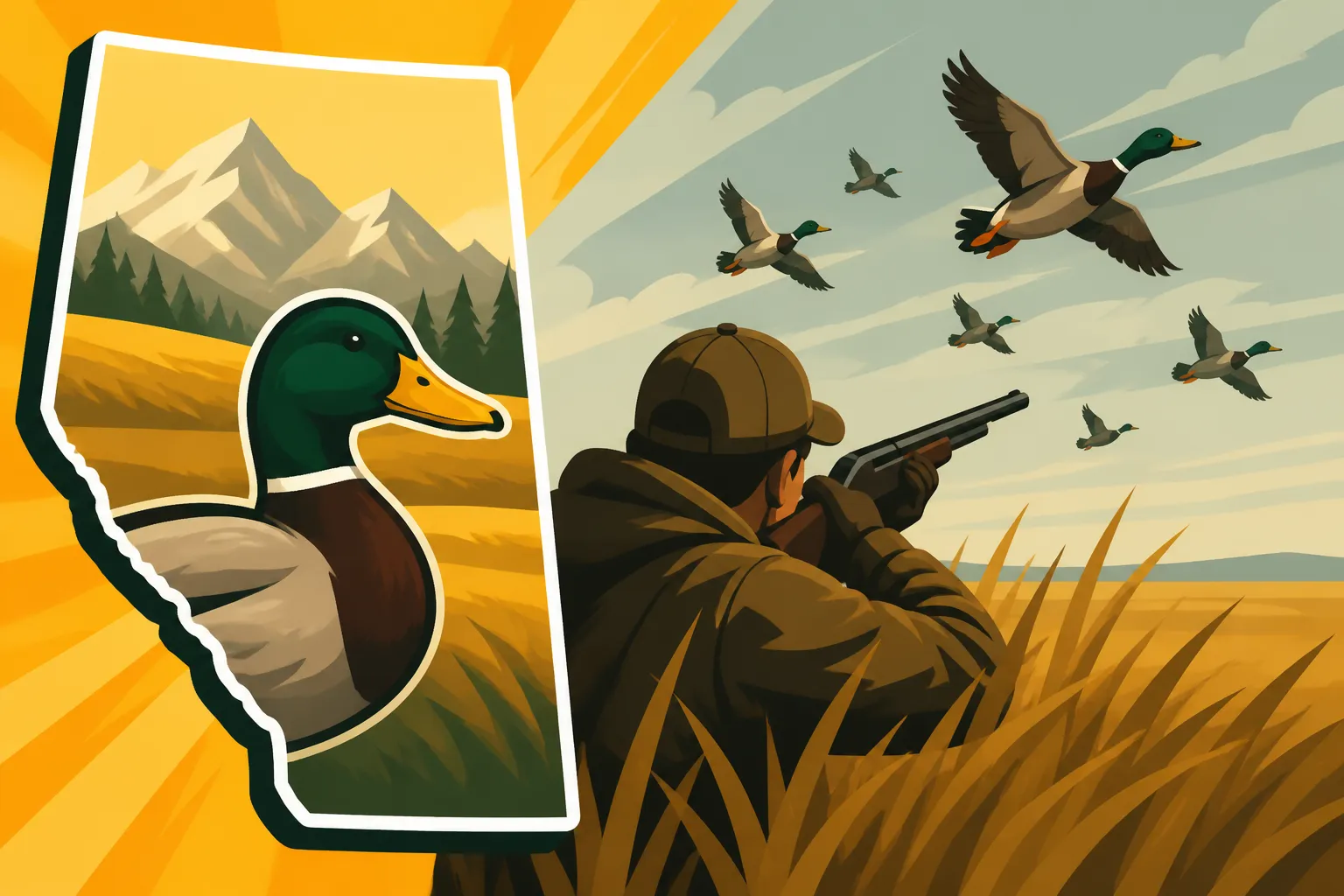
If you've spent any time at all chasing waterfowl across the prairies, or even just driven past a slough in spring, you know Alberta is absolutely teeming with ducks. It's not just a casual observation; this province has earned the affectionate moniker "The Duck Factory" for very good reason. Many hunters from other regions might wonder what secret sauce Alberta possesses that allows it to produce such incredible numbers of ducks year after year. Well, it's not a single secret, but rather a perfect storm of geography, climate, habitat diversity, and dedicated conservation efforts that create an unparalleled haven for waterfowl.
The Prairies: A Wetland Wonderland
When we talk about Alberta's duck factory status, the vast expanse of the prairie landscape is often the first thing that comes to mind, and for good reason. This region, particularly the southern and central parts of the province, is absolutely crucial for breeding and staging ducks.
Pothole Country: Nature's Nurseries
The defining feature of Alberta's duck factory, especially across the prairies, is the incredible abundance of "potholes." These aren't holes you avoid with your truck; these are small, shallow wetlands formed by retreating glaciers thousands of years ago. Imagine an ice sheet scraping across the land, then melting and leaving behind countless depressions. When spring comes, these depressions fill with snowmelt and rain, creating a mosaic of temporary and semi-permanent ponds. This network of wetlands is what we call the Prairie Pothole Region, and it extends into Saskatchewan and Manitoba, making it North America's most important breeding ground for ducks.
These potholes are teeming with life. The shallow water allows sunlight to penetrate, fostering dense growth of aquatic vegetation like smartweed, pondweed, and cattails. This vegetation provides crucial cover for nesting hens and hiding spots for ducklings. Even more importantly, the warm, shallow water acts as a massive incubator for invertebrates – think insects, crustaceans, and larvae. Ducklings, particularly, rely heavily on this protein-rich diet for rapid growth in their first few weeks. A hen duck needs to find a good pothole with plenty of food and cover to successfully raise a brood, and Alberta offers countless options. It’s truly remarkable how many broods you can see on a single section of land in a good water year. It highlights why understanding Pothole Hunting Ducks on Small Water is so vital for local hunters.
The Climate Advantage: Warm Springs and Ample Forage
Alberta's climate, with its distinctive seasons, plays a pivotal role in the duck factory phenomenon. While our winters are long and cold, the transition to spring is often rapid and dramatic. Early snowmelt quickly fills those countless potholes, providing abundant water just as migratory ducks begin to arrive. This timing is critical; ducks need readily available water and nesting sites as soon as they reach their breeding grounds.
The relatively short, but intense, northern growing season ensures that vegetation flourishes rapidly, and insect populations explode. This means newly hatched ducklings have a rich, readily available food source when they need it most. The long daylight hours of an Alberta summer further contribute to the rapid growth of both vegetation and ducklings. By late summer, many of these temporary wetlands begin to dry up, but by then, the ducklings are well on their way to fledging. The ducks then shift to more permanent waters and the adjacent agricultural fields to fuel up for migration. This cycle ensures maximum productivity, year after year, provided we get enough moisture.
Beyond the Prairies: Diverse Habitats Throughout Alberta
While the prairie potholes are undeniably the crown jewel of Alberta's duck factory, it would be a mistake to think that's all there is. Alberta's vast geographical diversity provides a wide array of habitats that support an incredible range of duck species, from dabblers to divers, throughout the spring, summer, and fall.
Boreal Forest Wetlands and Lakes
Venture north into Alberta's immense Boreal Forest, and you'll find a completely different, yet equally vital, wetland landscape. Here, the wetlands are often larger, deeper, and more permanent, dominated by vast stretches of muskeg, countless small lakes, and slow-moving rivers. This isn't the classic pothole country, but it's crucial habitat for many species, especially diving ducks like scaup, ring-necked ducks, and goldeneyes, as well as some dabblers like mallards and green-winged teal.
These northern wetlands offer different food sources, like benthic invertebrates (organisms living on the bottom) and small fish, which are important for divers. The dense forest cover provides excellent protection from predators. Many ducks will breed in these areas, and the larger lakes also serve as important staging grounds where ducks gather in massive numbers before making their southward migration. Understanding the nuances of these northern ecosystems is key to appreciating the full scope of Alberta's waterfowl production.
River Systems and Agricultural Lands
Alberta is crisscrossed by major river systems, including the Athabasca, Peace, North Saskatchewan, and South Saskatchewan rivers. These rivers, along with their associated floodplains, oxbow lakes, and irrigation canals in the south, provide critical habitat, especially during migration. The moving water often remains unfrozen longer into the fall, providing open water for late-season ducks.
Then there are the agricultural lands. As summer progresses into fall, the focus for ducks shifts from breeding to feeding. Alberta's vast grain fields – wheat, barley, peas, and especially swathed canola – become massive cafeterias for ducks preparing for migration. After the harvest, waste grain provides an abundant and easily accessible food source. This is why you'll see huge rafts of ducks descend upon stubble fields in the early morning and late afternoon. These fields are magnets, drawing in thousands upon thousands of birds, both local and those migrating from further north. Scouting these fields is a critical component of any successful hunt, and resources like GoHunt can be invaluable for pinpointing active feeding areas. Hunters who know how to maximize their efforts by Hunting Ducks on an Alberta Stubble Field are often rewarded with excellent opportunities.
Here's a quick look at how Alberta's diverse habitats support its incredible duck populations:
| Habitat Type | Key Characteristics | Primary Duck Species Benefiting |
|---|---|---|
| Prairie Potholes | Shallow, temporary/semi-permanent, rich vegetation | Mallard, Pintail, Gadwall, Wigeon, Green-winged Teal, Blue-winged Teal, Shoveler |
| Boreal Forest Wetlands | Larger, deeper, muskeg, dense forest cover | Scaup, Ring-necked Duck, Goldeneye, Bufflehead, Hooded Merganser, Green-winged Teal, Mallard |
| Major River Systems | Moving water, floodplains, oxbows, irrigation | Mallard, Common Merganser, Goldeneye, Canvasback (on larger stretches), Green-winged Teal |
| Agricultural Lands | Stubble fields, waste grain, proximity to water | Mallard, Pintail, Wigeon, Gadwall, Green-winged Teal (especially during migration staging) |
A Mecca for Migratory Birds
Alberta's geographic location is a true blessing when it comes to waterfowl. It sits right in the path of two major North American migration corridors, making it a critical hub for ducks moving between their northern breeding grounds and southern wintering areas.
North American Migration Flyways
Alberta straddles both the Central Flyway and the Pacific Flyway. Think of these flyways as massive aerial highways that millions of birds use each spring and fall. The sheer volume of birds that pass through Alberta, both those that bred here and those moving from territories further north in Canada and Alaska, is staggering. Our abundant water and food sources provide essential stopover points where ducks can rest, refuel, and gain the energy needed for their arduous journeys.
This strategic location means that even if a particular year has less-than-ideal breeding conditions in, say, the Arctic, Alberta's robust populations can often help compensate, or birds from other areas will simply utilize Alberta's rich resources during their southward journey. It's a dynamic system, and Alberta's consistent productivity is a cornerstone of continental waterfowl populations. For anyone interested in the specifics, resources like GoHunt provide mapping tools that can help visualize these flyways and the concentration of birds during peak migration.
Incredible Species Diversity and Numbers
When you head out in Alberta, you're not just seeing "ducks." You're seeing an incredible array of species, each with its own beauty and unique characteristics. We're talking about the iconic greenhead mallards, long-necked northern pintails, the sleek grey gadwalls, and the agile American wigeon. Then there are the lightning-fast green-winged and blue-winged teal, the distinctive northern shovelers with their oversized bills, and a host of diving ducks like canvasbacks, redheads, scaup, and buffleheads. For a comprehensive overview, checking out articles like Alberta's Duck Species and Where They Feed can be very insightful.
The sheer numbers can be hard to fathom if you haven't witnessed it firsthand. Imagine a massive stubble field in late October, and as dawn breaks, wave after wave of ducks lift off, filling the sky with their calls and the beating of thousands of wings. It's a sight that leaves a lasting impression and clearly demonstrates why this province holds such a special place in the world of waterfowl. This rich biodiversity and high population density are core reasons why Alberta is often seen as a top destination for duck hunters.
Conservation Efforts: Keeping the Factory Running
The title "Duck Factory" isn't just about natural abundance; it's also a testament to decades of dedicated conservation work. Without the tireless efforts of various organizations and the crucial funding provided by hunters, this incredible productivity might not be sustainable.
Habitat Protection and Restoration
One of the most significant players in maintaining Alberta's duck factory status is Ducks Unlimited Canada (DUC). They've been working for years to conserve, restore, and manage wetlands across the province. This includes everything from securing critical breeding habitat through land purchases and easements, to working with landowners to implement beneficial management practices that protect wetlands and adjacent uplands. These efforts directly contribute to the survival and flourishing of duck populations. For instance, programs that help farmers manage water levels or retain natural sloughs make a huge difference, ensuring ducks have safe places to nest and raise their broods away from agricultural disturbance.
Other organizations and government initiatives also play a role, from local land trusts to provincial wildlife programs, all working to maintain the delicate balance required for a thriving waterfowl ecosystem. These collective efforts are essential, especially as landscapes evolve and face new pressures. It's a continuous, often unseen, battle to keep these vital habitats intact and functional.
Sustainable Hunting Practices
Hunters themselves are a cornerstone of waterfowl conservation in Alberta, and indeed, across North America. The money generated from hunting licenses, stamps, and equipment excise taxes directly funds habitat acquisition, restoration, and research. Every time a hunter purchases a Game Bird Licence Cost and Stamps or a Federal Migratory Game Bird Permit Cost, they are contributing financially to the very resource they enjoy.
Furthermore, regulated hunting seasons and carefully managed bag limits ensure that populations remain healthy and sustainable. Wildlife biologists meticulously monitor duck numbers, breeding success, and migration patterns to set appropriate limits, ensuring that hunting pressure does not negatively impact the overall population. Hunters also adhere to specific rules, such as using Non-Toxic Shot Requirements for Migratory Birds to prevent lead poisoning in waterfowl and other birds of prey. This scientific management, combined with ethical hunting practices, creates a powerful cycle where hunters are both consumers and primary funders of conservation. It’s a partnership that works, ensuring that Alberta remains a duck factory for generations to come.
Disclaimer
This article is for general informational purposes only and does not constitute professional advice. Laws, prices and regulations vary by location and change over time. Consult a qualified professional for guidance on your specific situation.