Hunting Ducks on an Alberta Stubble Field
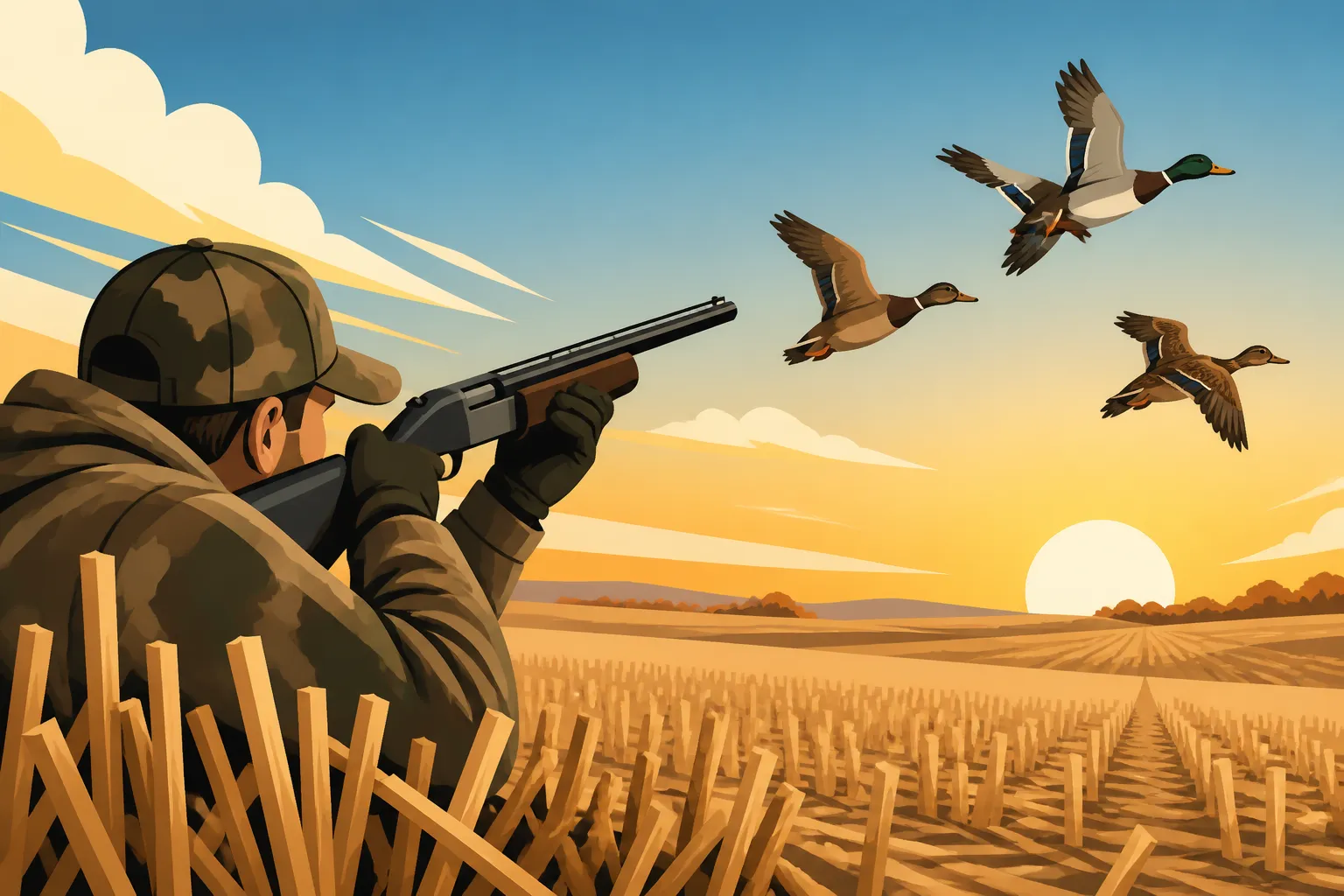
The chill of an Alberta autumn morning, the low light just hinting at dawn, and a spread of decoys waiting in a stubble field – it's a scene many waterfowlers dream of. But let's be honest, getting ducks to commit to a field isn't always as easy as the hunting shows make it look. Those birds have seen it all, and they can be incredibly wary. This comprehensive guide is going to walk you through everything you need to know about successfully hunting ducks on an Alberta stubble field, turning those wary flyers into birds in your bag.
Why Alberta Stubble Fields are Duck Magnets
Alberta is renowned as a duck factory, and a huge part of that reputation comes from its vast agricultural landscapes. These stubble fields aren't just empty spaces after harvest; they're critical feeding grounds that draw in ducks by the thousands, particularly later in the season as birds prepare for migration. Understanding why they're so attractive is the first step to hunting them effectively.
The Nutritional Goldmine
After the combines have rolled through Alberta's prairies and parklands, they inevitably leave behind a treasure trove of spilled grain. For ducks, especially dabblers like mallards, pintails, and widgeons, this isn't just a snack – it's an all-you-can-eat buffet of high-energy food.
Think about it: ducks need a lot of calories to fuel their daily activities, build up fat reserves for the rigors of migration, and withstand the cooling temperatures of late fall. A standing crop field offers some food, sure, but a freshly harvested stubble field makes that grain incredibly accessible. Barley, wheat, peas, and even canola seeds are highly sought after. Mallards, with their dabbling bills, can easily sift through the stubble to pick up fallen kernels. Pintails, with their elegant necks, can reach a bit further. It's prime foraging habitat. You'll often find the most activity in fields that had a high-yielding crop, as there's simply more waste grain on the ground. Regions like central Alberta, stretching into the Peace River country, are particularly famous for these vast agricultural expanses that become waterfowl magnets.
Safety and Seclusion
Beyond the food, stubble fields offer something equally crucial for ducks: a sense of safety and seclusion. Compared to smaller potholes or river edges, a massive open field provides an expansive view, making it harder for predators to approach unnoticed.
When ducks settle into a stubble field, they often prefer areas that offer some subtle advantages. This might be a slightly higher knoll that provides a better vantage point, or perhaps an unharvested strip along a fence line or a wet spot where a few cattails provide a bit of cover. They use the sheer size of these fields to their advantage, spreading out and having numerous escape routes. For hunters, this means you often need to consider the entire field, not just where you think they'll land. The ducks feel secure in numbers and space. You'll notice they fly in often in small groups, circling cautiously, then landing, and subsequent groups will often pitch in towards the existing birds, creating a kind of "safety in numbers" effect. This is why having a strong, realistic decoy spread is so vital – it mimics that visual assurance for incoming birds.
Essential Gear and Setup for Stubble Field Duck Hunting
Hunting ducks on stubble fields is a different ballgame than jump-shooting a slough or hiding in cattails by a pond. The open nature of these fields demands specific gear and meticulous setup to fool wary ducks.
Decoy Spreads for Success
When it comes to field hunting ducks, bigger is often better for decoy spreads. Ducks flying high and fast over vast fields need a compelling reason to drop down, and a large, realistic spread is exactly that.
You'll want a mix of decoy types for maximum impact. Full-body decoys are fantastic, especially for the landing zone, as they offer the most realistic silhouette from all angles. Shell decoys are a lighter, more compact option that can fill out a large spread without breaking your back (or the bank). Silhouettes, while less three-dimensional, are excellent for adding bulk and making your spread appear massive from a distance. A good spread for ducks might include anywhere from 3 to 10 dozen decoys, predominantly mallards, but adding a few pintails, widgeons, or even Canada geese can increase realism, especially if you're Field Hunting Geese in Alberta Stubble at the same time.
For spread patterns, thinking about a "landing zone" is key. A common and effective setup is a J-hook or U-shape, with the open end facing into the wind. This creates a natural pocket where ducks feel comfortable dropping in. You want your blinds placed at the bend of the J or the bottom of the U, so incoming birds are flying directly towards you. Don't be afraid to create loose groups of decoys, mimicking feeding birds, and avoid perfectly uniform lines. Motion decoys are also a game-changer. Spinning wing decoys like Mojos, or even flying decoys that simulate birds banking, add crucial movement that can seal the deal. Just remember to use them judiciously; too much erratic movement can sometimes spook birds.
Here's a quick look at common decoy types and their uses:
| Decoy Type | Description | Best Use in Stubble Fields | Pros | Cons |
|---|---|---|---|---|
| Full-Body | Three-dimensional, realistic, standing on stakes or bases. | Primary confidence decoys, especially in the landing zone. | Highly realistic, visible from all angles. | Bulky, heavy, more expensive. |
| Shell | Half-shell decoys that sit flat on the ground. | Filling out the spread, adding numbers without too much bulk. | Lighter, more compact, affordable. | Less realistic from certain angles. |
| Silhouette | Flat, two-dimensional cutouts, often made of plastic or metal. | Adding massive numbers, creating the illusion of a huge flock. | Very lightweight, compact, inexpensive. | Least realistic, can look flat from side-on. |
| Motion (Spinning Wing) | Battery-powered decoys with spinning wings. | Creating movement and attracting attention from afar. | Excellent for drawing attention, adds realism. | Can be overused, battery dependent. |
Blinds and Concealment
In open stubble fields, concealment is paramount. Ducks have incredible eyesight, and even a slight glint or an unnatural lump can send them flaring. Layout blinds are almost non-negotiable for serious stubble field duck hunting.
These low-profile blinds allow you to lie down, blending seamlessly into the field. The key is to "brush them in" thoroughly. This means taking local stubble, straw, or whatever natural cover is available and weaving it into the blind's camouflage straps. Don't just throw a few pieces on top; make it look like part of the field. Many hunters will even dig a small depression for their blinds to sit lower, especially in shorter stubble. Matching the stubble color is crucial; a bright green blind in a golden stubble field will stick out like a sore thumb. Brands like Avery Outdoors (now part of Banded) and Final Approach offer a variety of layout blinds designed for different field conditions.
Beyond the blinds themselves, you need to think about your vehicle and gear. Park it far away, out of sight over a rise, or cover it completely. Any anomaly in the landscape will be noticed by circling ducks. Utilize straw bales, if available, or even standing stubble at the edge of a field for extra concealment, but remember that anything casting a prominent shadow will stand out.
Calls and Calling Strategies
While decoys do most of the heavy lifting in field hunting, good calling can be the final touch that convinces wary ducks to commit. A quality duck call, usually a mallard call, is your primary tool, but don't underestimate calls for pintails or widgeons if those birds are prevalent in your area.
The goal isn't necessarily to blow your call constantly, but to use it strategically to grab attention and reassure birds. When ducks are far out, a loud "hail call" can get their attention. As they approach and start to circle, switch to softer "come-back calls" and "feed chuckles." These sounds mimic contented birds feeding on the ground, signaling safety. Observe the birds: if they respond positively, keep calling. If they seem to be flaring or getting nervous, ease off. Sometimes, silence is golden, letting the decoy spread do its work.
It's also important to understand the typical Duck Daily Bag Limit by Species and ensure your calling and hunting practices are ethical and within regulations. Reading the ducks' body language is key – a quick flare of wings or a sudden change in direction means you need to adjust your calling or even your hiding strategy. The effectiveness of your calling will also depend on the specific Alberta Duck Season Dates and whether the birds are early migrants or seasoned veterans.
Strategies for a Successful Stubble Field Duck Hunt
Successfully hunting ducks on stubble fields takes more than just good gear; it requires diligent scouting, smart setup, and the ability to adapt to ever-changing conditions.
Scouting is Non-Negotiable
This is where many hunts are won or lost. You absolutely must scout your fields before you hunt them. Ducks are creatures of habit, often returning to the same fields day after day if the food source is consistent and they feel safe.
Start by driving rural roads in the late afternoon or early morning, looking for concentrations of ducks. Binoculars and a spotting scope are your best friends here. Don't just look for birds in the air; look for birds on the ground. Once you spot them, make note of the specific field, the time of day, and critically, where in the field they are feeding. Ducks don't use the entire field equally; they'll often prefer certain sections. Observe their flight path into and out of the field.
Modern technology can be a huge asset in this process. Tools like GoHunt's mapping features can help you identify potential fields, mark where you've seen birds, and, crucially, determine property lines. This is absolutely essential for respecting private land and getting permission. Never assume a field is public. Knock on doors, introduce yourself, and ask politely. Remember, Getting Permission for a Goose Field or duck field is a privilege, not a right, and building good relationships with landowners is paramount. Without proper scouting, you're essentially guessing, and that rarely pays off with wily field ducks. You can also leverage online resources to help with Scouting Fields for Alberta Waterfowl more efficiently.
Setting Up for the Wind and Sun
The wind and sun are two of the most critical factors in a successful duck field hunt, and ignoring them will almost guarantee a tough day.
Wind: Ducks, like all birds, prefer to land and take off into the wind. This gives them better lift and control. Therefore, you want your decoy spread set up so the landing zone is directly into the prevailing wind. Your blinds should be positioned so that when the ducks commit and cup their wings for landing, they are flying directly into your spread and, ideally, right over your hidden position. If the wind changes directions, you might need to adjust your blinds or even move your entire spread if you have time.
Sun: Always try to set up with the sun at your back, if possible. This puts the sun in the ducks' eyes as they approach, making it harder for them to spot your blinds or any unnatural movement. It also illuminates the ducks beautifully for your shot. In Alberta, where the sun sits low in the sky in the early morning and late afternoon, this can be a significant advantage. If you can't get the sun directly at your back, try to position yourself so it's not directly in your face, which can make spotting and shooting difficult. Understanding the general direction of the sun based on the time of day and year can aid in your Reading an Alberta WMU Map Before You Go during planning stages.
Managing Pressure and Adaptability
Ducks are smart, and they learn quickly. Over-hunting a specific field will "burn it out," making birds incredibly wary and eventually causing them to abandon it for safer pastures. Managing hunting pressure is vital for long-term success.
If you have permission on multiple fields, rotate them. Hunt a field once or twice, then give it a few days (or even a week) to rest. This allows ducks to regain their confidence. If birds aren't committing, don't just sit there. Be adaptable. Are they flaring from your blinds? Try adding more natural stubble. Are they circling wide? Expand your decoy spread or add more motion. Is your calling too aggressive? Tone it down. Sometimes, pulling the plug on a field and trying another location or waiting for a different day is the best strategy. The weather also plays a huge role; a sudden cold front or a fresh snowfall can completely change duck behavior, making Hunting Alberta Winter Weather Safely important not just for you, but for understanding the birds' movements.
Overcoming Common Challenges
Even with the best planning, stubble field duck hunting can throw curveballs. Being prepared for common challenges will make your hunts more enjoyable and successful.
Dealing with Weather and Temperature Swings
Alberta weather is famously unpredictable, and stubble field duck hunting often takes place when temperatures are dropping. Early mornings can be frosty, even if the afternoon warms up. Layering your clothing is key. Start with a good base layer, add insulating layers, and top it off with a waterproof, windproof outer shell in a suitable camouflage pattern. Hypothermia is a real risk when lying still in a cold, damp field for hours. Pay special attention to extremities – warm gloves, a good hat, and insulated, waterproof boots are essential. Knowing What Happens If Weather Ruins the Hunt for an outfitter doesn't quite apply here, but the principle of safety and preparedness absolutely does.
Rain, snow, or fog can all impact duck behavior. Ducks tend to fly lower and often more readily commit in foggy or overcast conditions, as their visibility is reduced. Snow can make your decoys stand out more, increasing their effectiveness, but it can also make hiding your blinds more challenging. Strong winds can make calling difficult and push birds around, but they also encourage ducks to fly lower. Always check the forecast and pack accordingly.
Legality and Ethics
Always adhere to all provincial and federal hunting regulations. This includes knowing your bag limits, season dates (check Goose Season Dates by Zone and Alberta Duck Season Dates for exact dates as they can vary), and most importantly, using the correct shot. In Canada, it is mandatory to use Non-Toxic Shot for Alberta Waterfowl for all migratory game birds. This means steel, bismuth, or tungsten-based shot – no lead! Lead shot is harmful to waterfowl and the environment, so ensure your shells are clearly marked as non-toxic.
Ethical hunting also means respecting property. Always have explicit permission from the landowner before stepping foot on a private field. Utilize resources like Using Alberta's Recreational Access Mapping Tool to double-check land ownership if you're unsure. Be a good guest: close gates, don't litter, and leave the property better than you found it. Shoot within your effective range; a wounded bird that flies off is a wasted bird. Remember, we are stewards of the land and the wildlife, and our actions reflect on all hunters.
Disclaimer
Please ensure you consult the most current Alberta hunting regulations and federal migratory bird regulations before any hunting activity. Seasons, limits, and rules can change year to year. Safety should always be your top priority.