What Happens If Weather Ruins the Hunt
There's nothing quite like the excitement leading up to an Alberta hunting adventure. You've booked your outfitter, secured your tags, and spent countless hours preparing your gear. But then, as the hunt draws near, or even during the trip itself, Mother Nature decides to throw a wrench into the works. Unpredictable weather — be it a sudden blizzard, relentless rain, or unseasonably warm temperatures — can feel like a devastating blow, ruining the experience you've dreamed of. This guide will walk you through what to realistically expect when weather impacts your guided hunt in Alberta, what your options might be, and most importantly, how to proactively protect your investment and peace of mind.
The Unpredictable Nature of Alberta Weather and Its Impact
Alberta is a land of extremes when it comes to weather, and while this often contributes to incredible hunting conditions, it can also turn on a dime. Hunters often face a stark reality: the weather is perhaps the single biggest variable that no one, not even the most experienced outfitter, can control. Understanding how different weather patterns can specifically impact your hunt is the first step toward managing expectations and preparing for the unexpected.
How Extreme Weather Can Derail a Hunt
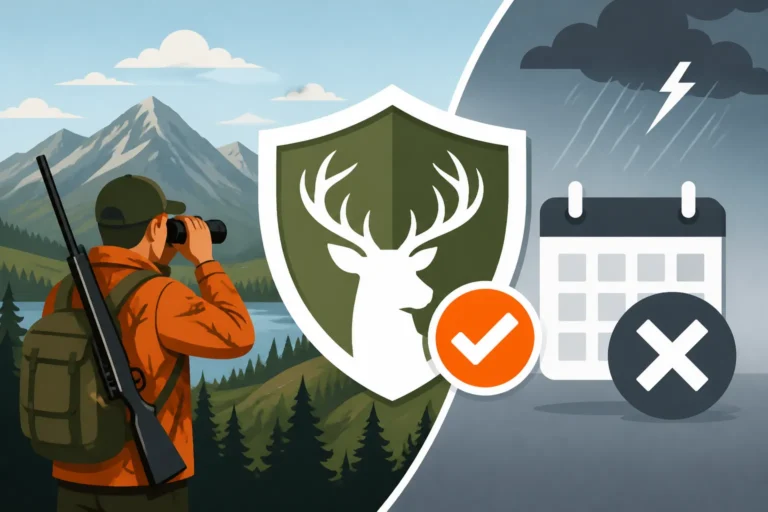
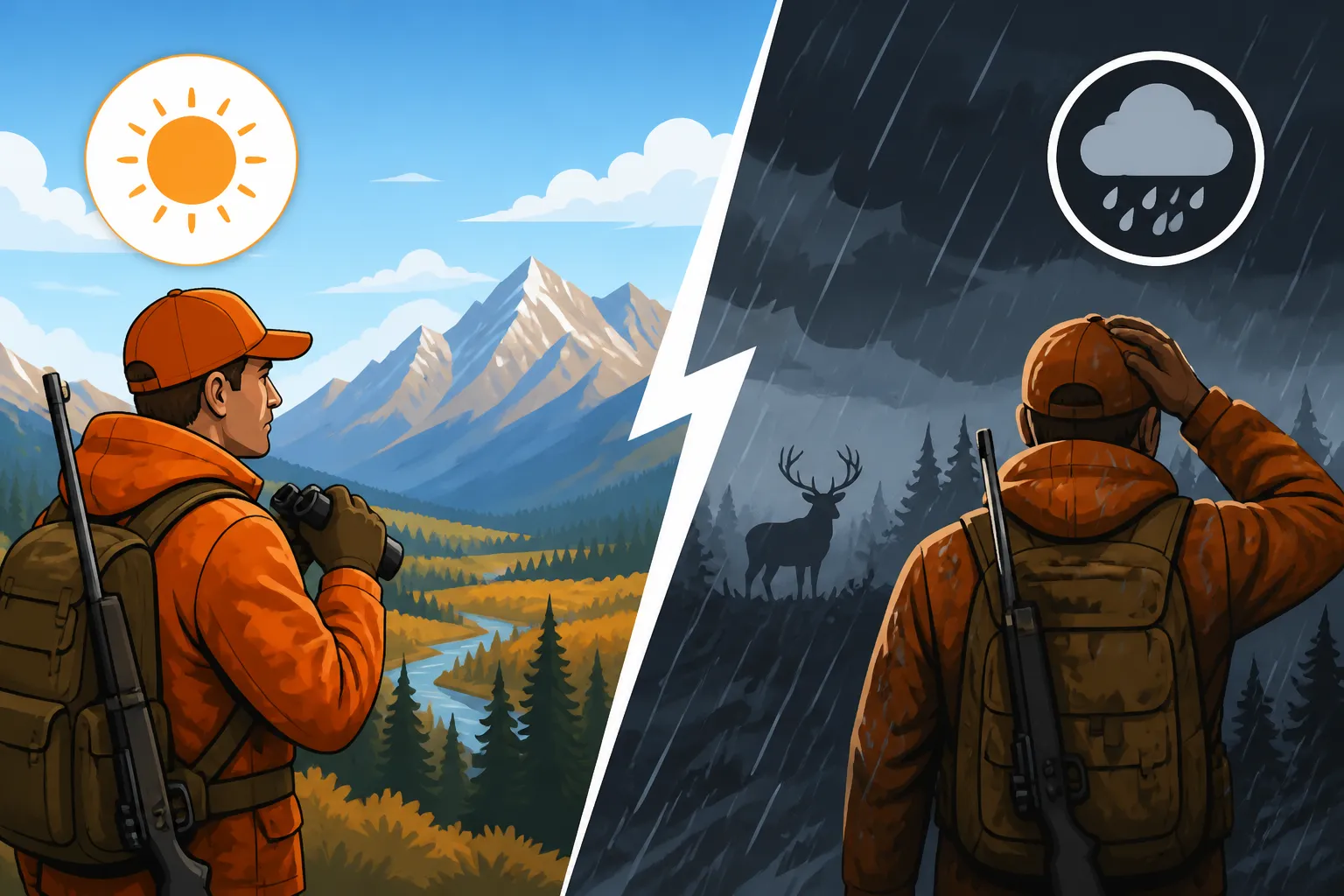
Imagine arriving in camp, full of anticipation, only to be greeted by a foot of fresh, wet snow that turns access roads into impassable bogs, or a sudden deep freeze that locks up all the water sources and drives game into thick cover, making them nearly impossible to find. These aren't just minor inconveniences; they are genuine game-changers that can fundamentally alter the nature of your hunt or even bring it to a grinding halt.
Heavy snow, especially early or late in the season, can shut down forestry roads or make travel by ATV or truck treacherous, cutting off access to prime hunting areas. A sudden, severe cold snap might make it unsafe to be out for extended periods, or it could cause critical gear to fail. Conversely, unseasonably warm weather, particularly during a fall hunt, can not only make animals less active during daylight hours but also pose a serious challenge for proper meat care, increasing the risk of spoilage, especially if you’re trying to pack an animal out of a remote area. Think about the challenge of getting a Moose Hunting Alberta's Boreal Forest quartered and cooled if the temperatures are above freezing for days on end. Wildfires, unfortunately, are also a growing concern, sometimes leading to outright area closures, even if the fire itself isn't directly on your hunting grounds.
Each of these scenarios presents unique challenges, from making it impossible to reach your hunting area to significantly reducing the chances of encountering game, or even raising safety concerns for both hunters and guides. It’s crucial to recognize that an outfitter, no matter how skilled or well-equipped, operates within the confines of nature, and sometimes, nature simply says no.
Realistic Expectations for Weather-Related Disruptions
Given Alberta's varied climate, experiencing some form of challenging weather during your hunt is almost a given. The question isn't usually if you'll face bad weather, but how bad it will be and how it will impact your trip. It's easy to dream of crisp, clear mornings and perfect tracking snow, but reality often differs. Hunters need to maintain a realistic outlook. An outfitter guarantees an experience, access to an area, their expertise, and their best effort, but they can never guarantee the weather, nor can they guarantee an animal on the ground.
If a day of heavy rain turns roads muddy, your guide might adjust tactics, perhaps focusing on areas accessible by foot or on different species. This is generally considered a part of the hunt. However, if a major storm system renders the entire region inaccessible for days, or if temperatures become dangerously low, like when Hunting Alberta Winter Weather Safely becomes the primary concern, the situation moves beyond simple adjustment. In these extreme cases, the outfitter’s primary responsibility shifts to ensuring your safety, which might mean staying in camp or even heading home early. Setting your expectations to account for these possibilities, rather than assuming perfect conditions, can save a lot of heartache.
Understanding Outfitter Policies and Contracts
The single most important document related to what happens if weather ruins your hunt is the contract you signed with your outfitter. This legal agreement should detail all the terms and conditions, including provisions for unforeseen circumstances like severe weather. Sadly, many hunters overlook these critical clauses until it's too late.
The Importance of Your Outfitter Contract
Your outfitter contract isn't just a formality; it's the blueprint for your hunt and, crucially, for any problems that might arise. Before you put down a deposit, you should thoroughly review every section, especially those pertaining to cancellations, refunds, and rebooking. Look for specific language about "Acts of God" or weather-related disruptions. Some contracts might offer a pro-rated refund for unused days, while others might offer a credit for a future hunt, or even state that no refunds or rebookings will be issued under any circumstances beyond the outfitter's control.
It's common for outfitters to explicitly state that they are not responsible for delays, expenses, or cancellations due to weather. This isn't necessarily unfair; they incur significant costs regardless of conditions. This is precisely why it's vital to have a clear understanding of these clauses. If the contract isn't clear, ask specific Questions to Ask Before Booking. Don't be shy. A reputable outfitter will be transparent about their policies.
Here's a general idea of what to look for in outfitter contracts regarding weather:
| Clause Type | Common Outfitter Stance | What it Means for You |
|---|---|---|
| "Acts of God" | Explicitly states no refunds or liability for events beyond control (weather, wildfires, pandemics). | You bear the financial risk. Insurance is crucial. |
| Cancellations | No refunds for client cancellations. Outfitter cancellation might offer refund/rebooking, but weather-related is separate. | If you cancel due to weather concerns, you typically lose your deposit/fees. If outfitter cancels due to unsafe weather, their policy for that specific scenario applies. |
| Rebooking | May offer rebooking credit for a future season (often with a rebooking fee or price increase). | A common compromise. You might not lose your full investment but will need to plan for another trip, potentially at a higher cost. Flexibility is key. |
| Refunds | Rarely offered for weather. If so, often pro-rated for unused days, less any incurred outfitter costs. | Don't expect a full monetary refund. If offered, it will likely be partial and only for days genuinely impossible to hunt, not just "slow" days. |
| Force Majeure | Similar to "Acts of God," releasing both parties from contract obligations due to unforeseeable circumstances. | Both parties are released, but financial implications usually fall on the client unless specified otherwise. This is why Alberta Hunt Cancellation Insurance is so important. |
Typical Outfitter Responses to Weather Challenges
When severe weather does hit, how an outfitter responds can vary significantly, but most have a standard operating procedure they'll follow. First and foremost, safety is always the priority. If conditions become dangerous, the guide will halt the hunt. This could mean returning to camp early, changing locations, or postponing a day's hunt entirely.
In less extreme but still challenging conditions, outfitters are masters of adaptation. If deep snow makes tracking difficult, they might focus on feeding areas or bedding sites. If heavy rain pushes animals into specific cover, they'll adjust their strategy. Sometimes, this means sitting out a portion of the day, hunting harder during brief breaks, or moving to entirely different parts of their concession. They’re often thinking about options like Hunting a Frozen Slough Crossing if water sources are iced over, or trying Hunting a Pipeline Right-of-Way if dense bush is too tough in new snow.
If a hunt is significantly impacted or cut short due to weather, the most common solution offered by outfitters is a rebooking for a future date, often within the next hunting season or two. Monetary refunds are rare, as the outfitter still incurs costs for staff, camp setup, scouting, and provisions, regardless of whether hunting actually occurs. The specific terms of this rebooking will again be outlined in your contract. It's crucial to understand these terms, including any potential fees or if the new hunt will be subject to the pricing of the future season.
Communication is Key: Before, During, and After
Open and honest communication with your outfitter is absolutely critical, both before your hunt and if weather becomes an issue. Before you even depart, have a conversation with your outfitter about potential weather scenarios and their contingency plans. Ask them directly: "What happens if we get a blizzard?" or "What's the plan if heavy rains make the roads impassable?" Understanding their philosophy and typical responses upfront can prevent misunderstandings later.
During the hunt, trust your guide's judgment. They live and breathe this country, and their experience navigating conditions, such as Hunting Alberta in November Cold, is invaluable. They'll know when it's safe to push on and when it's time to pull back. Keep an open dialogue; voice your concerns, but also be prepared to listen to their professional assessment. After the hunt, if you feel the experience was severely compromised by weather, engage in a calm, constructive conversation. A good outfitter values their reputation and will want to find an amicable solution, especially if you plan on Booking a Return Hunt With the Same Outfitter. This open dialogue can sometimes lead to concessions or rebooking opportunities that might not be explicitly stated in the contract, but come from building a good relationship.
Protecting Your Investment: Travel Insurance and Proactive Planning
Given the realities of Alberta's weather and outfitter contract terms, protecting your significant investment in a guided hunt is paramount. This isn't just about the financial cost of the trip, but also the time, effort, and anticipation you've poured into it. Two key strategies stand out: comprehensive travel insurance and meticulous pre-hunt planning.
The Role of Travel Insurance for Hunters
Many hunters overlook travel insurance, thinking it's an unnecessary expense. However, for a guided hunt, especially one in a remote area or with a substantial financial outlay, it's one of the smartest investments you can make. Standard travel insurance may cover trip cancellation, interruption, medical emergencies, and lost luggage. However, hunting-specific travel insurance takes it a step further.
Look for policies that specifically cover hunting trips and include provisions for events like:
- Trip Cancellation due to Weather: If severe weather (e.g., a major blizzard, wildfire, or flood) prevents you from even starting your trip or the outfitter cancels due to unsafe conditions, this coverage can reimburse your non-refundable deposits and payments.
- Trip Interruption: If your hunt is cut short while you're already in Alberta because of extreme weather rendering conditions unsafe or impossible, this can cover the unused portion of your trip and often the cost of getting home early.
- Medical Evacuation: While not directly weather-related, being stuck in remote country due to impassable roads (weather-induced) and then suffering an injury highlights the need for robust medical evacuation coverage.
- Gear Loss/Damage: Although less about the hunt itself, weather can contribute to gear damage or loss, and some policies offer coverage for this.
When researching policies, don't just pick the cheapest one. Read the fine print carefully, especially the exclusions. Some policies have very strict definitions of what constitutes a "covered event" for weather. Brands like BookYourHunt or GoHunt, which often have relationships with outfitters, might also offer or recommend specialized insurance options tailored to hunting trips. Always get quotes from multiple providers and ensure the policy's terms align with your potential risks. Think of it as insurance for your dream hunt, not just your flight.
Planning for the "What Ifs" Before You Go
Beyond insurance, proactive planning can significantly mitigate the impact of bad weather. This involves more than just packing the right gear (though that's crucial – imagine trying to hunt in Deep Cold Late in the Season without appropriate clothing!).
- Build in Buffer Days: If flying, try to arrive a day early before your hunt officially starts and plan to leave a day after it ends. This buffer can account for flight delays due to weather or allow for an extra day of hunting if conditions clear up late.
- Pack Adaptable Gear: Alberta's weather swings can be dramatic. Bring layers for warmth, rain gear, and waterproof boots. Consider options for What to Wear on a Late Season Hunt even if you're not planning a late hunt, just in case. Having a Winter Truck Kit for an Alberta Hunt is smart, even for shoulder seasons, in case you get stuck somewhere remote.
- Understand Logistics: Know the outfitter's policy on travel and logistics if conditions change. Will they help arrange alternative transport if roads become impassable? What happens if you fill your tag early, and weather makes it hard to get the meat out to be processed quickly? Understanding things like Meat Care in Alberta's Cold and Warm Swings can prevent a successful harvest from turning into a disaster.
- Stay Informed: Keep an eye on long-range weather forecasts for your hunting area in the weeks leading up to your trip. While not always accurate, they can give you a general idea of what to expect and allow you to have a conversation with your outfitter if a major storm system appears to be brewing. If you are hunting in an area prone to wildfires, knowing how to interpret Reading Alberta Wildfire Closure Maps can be vital.
- Financial Cushion: Have a small emergency fund set aside for unexpected costs, such as extra nights in a hotel if travel is delayed, or a rebooking fee if that's the option offered.
Navigating the Aftermath: Rebooking and Future Hunts
So, the weather indeed threw a curveball, and your hunt was disrupted. It's a frustrating situation, but it's not necessarily the end of your hunting dreams. The next steps involve understanding your rebooking options and using the experience to plan even better for future adventures.
Rebooking Options and Considerations
If your outfitter offers a rebooking, it's generally the best possible outcome when a hunt is significantly impacted by weather. It means your investment isn't entirely lost, just postponed. However, there are several important considerations to keep in mind with rebooking:
- Deposit Transfer: Typically, your deposit (or a portion of it) will be applied to the future hunt. Confirm this in writing.
- Pricing Adjustments: Be prepared that the rebooked hunt might be subject to the pricing of the new season. Outfitters' costs increase over time, so a hunt rebooked for two years out might be more expensive than your original booking. Clarify this upfront.
- Date Limitations: The outfitter may offer specific dates or windows for rebooking, which might not always align perfectly with your schedule. Flexibility on your part will be key. This is where early planning and potentially looking at Booking an Alberta Hunt Off-Season for your rebooking discussion might help you secure a good spot.
- Availability: Popular outfitters book up quickly, especially for prime dates like the rut. You might find yourself on a waiting list, or need to settle for a less desirable week. Utilizing platforms like BookYourHunt or GoHunt might give you insight into an outfitter's general availability trends, even if you are rebooking directly.
- Species/Area Changes: In some cases, if the original hunting area or species was uniquely impacted, the outfitter might suggest rebooking for a different area or a different species to improve your chances of success. Evaluate if this aligns with your hunting goals.
Communicating clearly with your outfitter about their rebooking policy and your preferences is vital. Get all the details of the rebooked hunt, including dates, price, and what's included, in writing to avoid any future misunderstandings.
Learning From the Experience for Future Hunts
Every hunting experience, even a challenging one, is a learning opportunity. A weather-disrupted hunt might feel like a setback, but it provides valuable insights for planning your next adventure.
- Outfitter Vetting: Did your outfitter handle the situation professionally and transparently? Their response to a crisis speaks volumes about their character and customer service. Use this information when considering future bookings or recommending them to others.
- Insurance Review: If you had insurance, did it perform as expected? If not, understand why and adjust your policy for future trips. If you didn't have it, you now understand why Alberta Hunt Cancellation Insurance is a non-negotiable part of your pre-hunt checklist.
- Timing Your Hunt: Reflect on the timing of your hunt. Was the season particularly susceptible to the type of weather you encountered? Perhaps shifting your hunt dates slightly for a future year, if possible, might lead to more stable conditions. For example, understanding Alberta General Licences Without a Draw and their season dates allows for more flexibility in planning.
- Personal Preparedness: What could you have done differently? Did you pack adequately for the conditions? Could your fitness level have allowed you to hike further when vehicle access was limited? Use this reflection to improve your personal preparedness for your next hunting trip.
- Financial Planning: Account for potential disruptions in your budget. If you save for a hunt, consider adding a contingency fund for unforeseen circumstances or opting for a multi-year savings plan to cover potential rebooking costs.
Ultimately, Alberta hunting offers some of the most incredible experiences on the continent, but it also demands respect for its wild and often unpredictable nature. While a weather-ruined hunt can be disheartening, understanding the realities, planning diligently, and communicating effectively can help you navigate these challenges and ensure that your next adventure is a roaring success. And remember, the camaraderie in camp, the stunning landscapes, and the pursuit itself are often as rewarding as the harvest.
Disclaimer
This article is for general informational purposes only and does not constitute professional advice. Laws, prices and regulations vary by location and change over time. Consult a qualified professional for guidance on your specific situation.