Which Airport to Fly Into for Your Hunt
Alright, let's talk about planning that big Alberta hunt! One of the first major hurdles many hunters face, especially if you're traveling from out of province or across the border, is figuring out just which airport makes the most sense to fly into. It’s not a simple choice, often feeling like a puzzle piece that needs to fit perfectly with your hunting destination, your outfitter’s logistics, and your budget. This guide is here to help you navigate those crucial decisions, ensuring your journey to the Alberta wilderness starts off on the right foot.
Major Hubs: Calgary International Airport (YYC) and Edmonton International Airport (YEG)
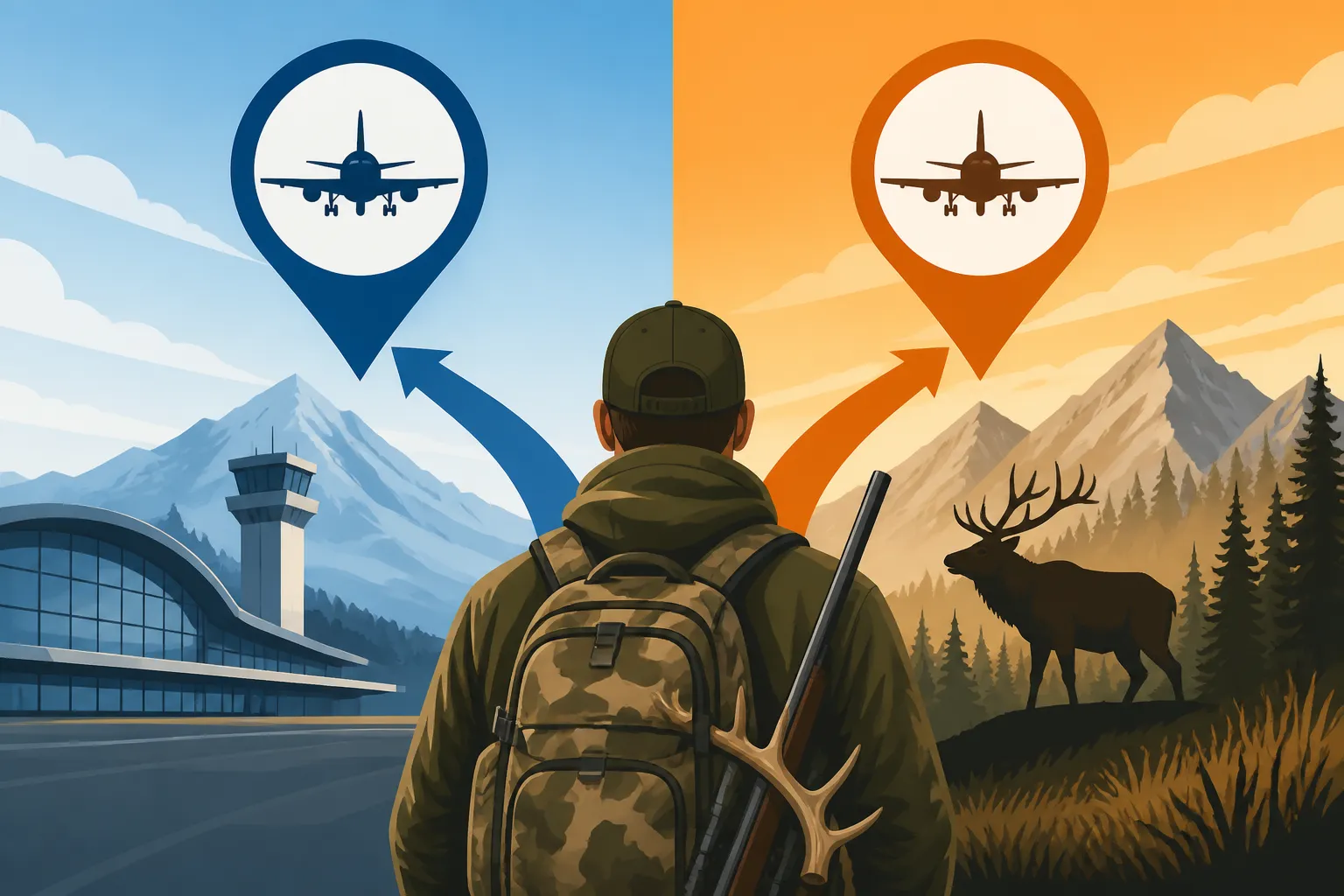
When you're looking at flying into Alberta for a hunting trip, the vast majority of commercial flights will land at one of two main international airports: Calgary International (YYC) or Edmonton International (YEG). These are your primary gateways, offering the most flight options, services, and generally more competitive pricing. Deciding between the two often comes down to where you plan to hunt and what kind of experience you're after.
Calgary International Airport (YYC): Gateway to the South and Mountains
Calgary International Airport, situated in southern Alberta, is a bustling hub that’s often the first choice for hunters targeting the southern prairie, foothills, and mountain regions. If your sights are set on species like bighorn sheep, mountain goat, or even mule deer in the wide-open coulees and badlands, Calgary is often the most logical entry point. It also serves as a great starting point for Elk Hunting Alberta's Foothills or chasing whitetails in the agricultural pockets south of the city.
One of the biggest advantages of flying into Calgary is the sheer availability of vehicle rental options. You’ll find all the major car rental agencies right at the airport, offering everything from economy cars (not recommended for most hunts!) to full-size SUVs and trucks, which you'll definitely appreciate if you're heading into rougher terrain or needing to transport gear. Access to major highways, like the Trans-Canada and Highway 2, is very straightforward from YYC, making it relatively easy to hit the road quickly. However, don't underestimate Alberta's vastness. Even from Calgary, a drive to the deep south for pronghorn or far west into the mountains can still take several hours. You need to factor in potential winter driving conditions, too, if you're here for a late-season hunt.
Edmonton International Airport (YEG): Access to the Central and Northern Boreal
Edmonton International Airport, located south of Alberta's capital city, is your prime entry point if your hunt is taking you into the central or northern parts of the province. This includes vast stretches of boreal forest, prime moose habitat, and many black bear hunting zones. If you're considering Moose Hunting Alberta's Boreal Forest or Black Bear Hunting in Alberta, YEG will likely put you closer to your final destination, saving you precious hours of driving time. It’s also an excellent choice for those targeting whitetails in the aspen parkland north and east of the city.
Similar to Calgary, Edmonton offers a wide array of rental vehicles, though demand can sometimes be higher for trucks and SUVs, especially during peak hunting seasons. The advantage here is direct access to highways leading north, west, and east into less populated areas. For many outfitters operating in the northern half of the province, Edmonton is their preferred pick-up point for clients. If you’ve booked a hunt through platforms like BookYourHunt, your outfitter will likely specify which airport works best for their camp logistics. While Edmonton provides excellent access to the northern wilderness, understand that "north" in Alberta can still mean a 6-10 hour drive to truly remote regions.
| Airport | Primary Regions Served | Best For | Rental Vehicle Availability | Road Access Quality |
|---|---|---|---|---|
| Calgary (YYC) | Southern Prairies, Foothills, Mountains, Badlands | Mule Deer, Bighorn Sheep, Elk, Pronghorn | Excellent | Direct to major highways (Hwy 1, Hwy 2) |
| Edmonton (YEG) | Central & Northern Boreal, Parkland, Peace Country | Moose, Black Bear, Whitetail (North), Waterfowl | Excellent | Direct to major highways (Hwy 2, Hwy 16) |
Crucial Considerations Beyond Flight Time
Choosing your airport isn't just about finding the cheapest flight or the shortest hop. There are several other, often overlooked, logistical factors that can make or break the start of your hunting adventure. Thinking through these details beforehand can save you a ton of stress and unexpected costs.
Vehicle Rentals and Drive Times
Once your plane lands, you'll need to get to your hunting area. If you're a DIY hunter, this means renting a vehicle, and this is where the airport choice really comes into play. A shorter flight might be appealing, but if it means an extra 6-8 hours of driving in a rental car, is it truly saving you time or money?
Consider the type of terrain you’ll be covering. Are you heading into the wide-open prairie, or will you be navigating forestry roads and potential muddy trails? You'll want a reliable vehicle, preferably a truck or SUV with decent ground clearance, especially if you're not going with an outfitter who handles transportation. Availability of suitable vehicles can sometimes be tight during peak hunting season, so booking well in advance is essential. Also, remember that fuel costs can add up quickly across Alberta's vast distances. When planning your route, use tools and apps to get realistic drive times and factor in stops for fuel, food, and stretching your legs. Sometimes, an extra hour of driving from a major airport is worth it for better rental vehicle options and services than flying into a smaller, more limited regional airport.
Gear Transport and Baggage Restrictions
Hunting gear isn't exactly light or compact. You'll likely be traveling with rifles or bows, ammunition, hunting clothes, boots, and potentially camping gear. Most airlines have specific rules and fees for sporting equipment and firearms. Make sure you check with your specific airline well in advance about their policies for Transporting Firearms Into Alberta and ammunition.
A major airport like Calgary or Edmonton typically has more experienced staff handling firearms and oversized baggage, which can make the check-in and collection process smoother. However, connecting flights, especially through smaller regional airports, can sometimes add complexity or increase the risk of lost luggage. Packing strategically is key. Consider shipping some non-essential gear ahead to your outfitter if that's an option. For non-residents, remember you’ll need to declare any firearms at the Canadian border using The Non-Resident Firearm Declaration Form, which is a separate process from your airline’s baggage check.
Outfitter Logistics and Meeting Points
If you’ve booked your hunt with an outfitter, they are your best resource for airport recommendations. They'll know exactly which airport is most convenient for their camp, and whether they offer pick-up services. Many reputable outfitters, often found through resources like GoHunt, will include airport transfers as part of their package or offer them as an add-on.
It's common for outfitters to arrange a meeting point at a specific airport, sometimes even a hotel near the airport, to consolidate their clients before heading out to camp. This simplifies logistics for everyone. Don't be shy about asking your outfitter about their preferred airport, estimated travel time from there to camp, and any associated costs for transfers. Their experience in getting hunters to and from their hunting grounds is invaluable. Understanding these arrangements will help you choose not just the closest airport, but the one that aligns best with your overall hunt plan. For example, some outfitters working the far north might even suggest flying into Edmonton and then taking a small charter flight from there to a remote camp airstrip, which can completely change your primary airport decision.
Exploring Smaller Regional Airports: A Niche Option
While Calgary and Edmonton are the primary gateways, Alberta is a massive province, and sometimes a smaller regional airport can offer a more direct, albeit often more expensive, route to your specific hunting zone. These airports are generally served by regional carriers and offer fewer amenities, but they can cut down on significant drive times.
When Regional Airports Make Sense
Flying into a regional airport can be a game-changer if your hunting area is truly remote and hundreds of kilometers from Calgary or Edmonton. For instance, if you're hunting in the Peace Country in the far northwest for moose or Mule Deer Hunting Alberta's Prairie and Badlands around Lethbridge, flying directly into Grande Prairie (YQU) or Lethbridge (YQL) might save you an entire day of driving. Similarly, if your hunt is around Fort McMurray (YMM) in the northeast, flying there directly could be beneficial.
These airports typically handle fewer flights and passengers, which can mean quicker check-in and baggage claim. However, the trade-off is often higher ticket prices, fewer flight options, and less flexibility if delays or cancellations occur. You also might have fewer choices for rental vehicles, and specialized hunting gear might raise more questions with regional airline staff. When researching hunts, especially with outfitters found on GoHunt, always ask about the feasibility and cost-effectiveness of these smaller airports. It’s all about balancing convenience against cost and potential hassle.
Rental Car Limitations and Costs
A significant consideration for regional airports is the rental car situation. While major agencies might have a presence, their fleet size and variety will be much more limited compared to YYC or YEG. You might find yourself paying a premium for a suitable vehicle, or worse, not being able to find one at all if you don't book far in advance. Drop-off fees if you plan to fly into one airport and out of another can also be substantial.
Furthermore, services like mechanic shops or tire repair, which you might need if you hit a rough patch on a backroad, are less readily available. If your hunt takes you truly off the beaten path from a regional airport, you might even consider hiring a local shuttle or taxi service for the initial leg, or coordinating directly with your outfitter for pick-up. Always call regional car rental locations directly to confirm availability and vehicle types, especially for hunting-appropriate trucks or SUVs. Don’t rely solely on online booking systems which might show generic availability.
Making Your Final Decision: Practical Steps
Alright, with all this information swirling around, how do you actually make the best airport decision for your specific Alberta hunting trip? It boils down to careful planning, research, and communication.
Map Out Your Entire Journey
Before you even look at flights, know exactly where you're going.
- Identify your WMU: Pinpoint the Wildlife Management Unit (WMU) you'll be hunting in. You can learn more about these in Alberta's Wildlife Management Units.
- Locate your outfitter's camp: If you're using an outfitter, get their exact camp location.
- Calculate drive times: Use mapping tools to estimate drive times from both Calgary and Edmonton to your chosen destination. Remember to add buffer time for weather, stops, and potential wildlife on the roads.
- Consider overnight stays: Does it make sense to fly in the day before and get a good night's rest near the airport, especially if you have a long drive ahead? Many hunters will plan an overnight stay near the airport before heading out to camp, and another on the return trip for processing meat or preparing trophies. This is particularly relevant if you need to adhere to specific check-in times or retrieve your game.
Knowing these distances and transit options will help you see if a seemingly cheaper flight to one airport actually ends up costing you more in rental car fees, fuel, or lost hunting time.
Talk to Your Outfitter or Local Contacts
If you’re working with an outfitter, they are your primary source of ground-level intelligence. They know the roads, the seasonal conditions, and the most efficient ways to get to their camp. They can also advise on the best local services for meat processing or taxidermy. Many outfitters have preferred hotels or services they work with, and they can often secure better rates for their clients. If you found your outfitter through a platform like BookYourHunt, leverage their communication tools to ask all these pertinent questions well in advance.
For DIY hunters, reach out to local hunting groups, forums, or even Alberta Fish and Wildlife offices for advice on road conditions, services in specific WMUs, and potential challenges. Sometimes a local perspective can reveal nuances you wouldn't find on a map, such as specific gates, difficult river crossings, or areas prone to deep snow. This kind of local knowledge is gold.
Weigh Cost Versus Convenience
Ultimately, your decision will likely come down to a balance between cost and convenience.
- Flight Costs: Compare flight prices to both major airports and any viable regional airports. Don't forget to factor in baggage fees for your gear, especially firearms.
- Rental Car Costs: Get quotes for the specific type of vehicle you'll need from both Calgary and Edmonton, and any regional options. Include estimated fuel costs.
- Time: How much is your time worth? Is saving a few hundred dollars on a flight worth an extra 8 hours of driving after a long travel day? Or would you rather pay a bit more to get closer to the action faster?
- Flexibility: Consider how much flexibility you need. Major airports offer more flight times and alternative routes if something goes wrong. Regional airports can be less forgiving.
When comparing outfitters on platforms like GoHunt, pay attention to what their packages include regarding travel and transfers. Sometimes, a slightly more expensive hunt package that includes airport transfers to a closer regional airport might actually be more cost-effective and stress-free than a cheaper hunt that leaves you to figure out complex logistics from a major hub.
By thoroughly evaluating all these factors, you'll be able to confidently choose the airport that best facilitates a smooth, enjoyable, and ultimately successful Alberta hunting adventure. From there, it's just a matter of packing your bags, confirming your Alberta Hunting Licences and What They Cost, and getting ready for the wilderness.
Disclaimer
This article is for general informational purposes only and does not constitute professional advice. Laws, prices and regulations vary by location and change over time. Consult a qualified professional for guidance on your specific situation.