Alberta Outfitters Who Take Youth Hunters
The dream of sharing the hunting tradition with your children or grandchildren is a powerful one, but the reality of planning a successful youth hunt in Alberta can feel overwhelming. From navigating regulations to finding accessible land and ensuring a positive experience, many parents and mentors worry about making the right choices. This comprehensive guide will walk you through how to find and work with Alberta outfitters who are genuinely enthusiastic and equipped to introduce young hunters to our incredible wild spaces, helping you create lasting memories and foster a lifelong love for the outdoors.
Why Hunting With Youth is Priceless in Alberta
There's nothing quite like seeing the spark in a young person's eyes when they connect with nature, especially through hunting. It's an opportunity to teach responsibility, respect for wildlife, and vital outdoor skills that extend far beyond the hunt itself. However, many hunters find themselves in a bind, unsure of how to best provide this experience for their kids. They might lack the time, the specific knowledge for certain species, or simply the ideal location to give their child the best chance at success and, more importantly, a positive introduction.
The Challenge of Introducing Young Hunters
Bringing a young person into the hunting fold isn't just about pulling a trigger. It's about patience, education, safety, and managing expectations. For many parents, their own hunting experiences might have been steeped in challenging solo trips or hardcore backcountry endeavors, which aren't always suitable for a first-timer. You want their initial foray to be encouraging, not frustrating or overly arduous. The vastness of Alberta's landscapes and the complexities of game behavior can make a DIY youth hunt a real logistical puzzle, especially when balancing the child's attention span and physical limits.
Moreover, securing access to prime hunting ground can be a major hurdle. While Hunting Alberta's Crown Land offers opportunities, finding areas with high success potential and safe, manageable terrain for a youngster can be tough. Then there are the regulations; understanding specific species seasons, bag limits, and the nuances of the Alberta Apprentice and Youth Hunting Rules requires a deep dive that not everyone has the bandwidth for. It's a lot to juggle, and sometimes, bringing in an expert can smooth out many of these wrinkles, ensuring the focus remains on the youth's experience.
The Value of a Guided Experience for Kids
This is where a dedicated, youth-focused outfitter can truly shine. They offer a structured, safe, and often more successful environment for a young hunter to learn and thrive. Think about it: an outfitter has already done the scouting, secured the access, and understands the local game movements. They can tailor the hunt to the child's age, physical capabilities, and skill level, ensuring the experience is challenging but not overwhelming. This often means focusing on species with higher success rates, or hunting methods that are less physically demanding, giving the young hunter a greater chance of success and boosting their confidence.
Beyond just the hunt itself, a good outfitter also provides invaluable mentorship. They can demonstrate proper firearm handling, tracking skills, field dressing, and ethical considerations in a way that resonates with a young person. It's like having a seasoned coach dedicated solely to your child's learning and enjoyment. Plus, with someone else handling the logistics and planning, you, as the parent or mentor, can relax and truly be present for your child, sharing in their excitement and pride without the added stress of coordinating every single detail. This shared, low-stress experience can forge incredibly strong bonds and create memories that will be recounted for years to come.
What to Look For in a Youth-Friendly Alberta Outfitter
Choosing the right outfitter for a youth hunt isn't like picking one for your own personal trophy pursuit. It requires a different set of criteria, prioritizing safety, education, and the overall positive experience for the young hunter. You're looking for someone who understands that this isn't just about harvesting an animal, but about nurturing a future conservationist.
Experience with Young Hunters
The first thing to investigate is an outfitter's actual experience with youth. Have they regularly taken kids out hunting? What ages do they typically cater to? A truly youth-friendly outfitter will have specific programs or approaches designed for younger participants. They understand that a 10-year-old's attention span and physical stamina are vastly different from a seasoned adult hunter's. They might offer shorter hunt days, more frequent breaks, or focus on specific types of hunting that are less demanding, such as ground blind hunts for deer or calling coyotes from a vehicle.
Ask for references, specifically from other parents who have brought their children on hunts with the outfitter. Hearing firsthand accounts of how the guide interacted with their child, managed expectations, and made the experience educational and enjoyable can provide invaluable insight. You want a guide who is patient, encouraging, and passionate about passing on the tradition, not just someone focused on getting a quick harvest. An outfitter who sees the long-term value in introducing youth to hunting will often go the extra mile to make it a memorable, positive experience, even if no animal is taken.
Safety Protocols and Equipment for Youth
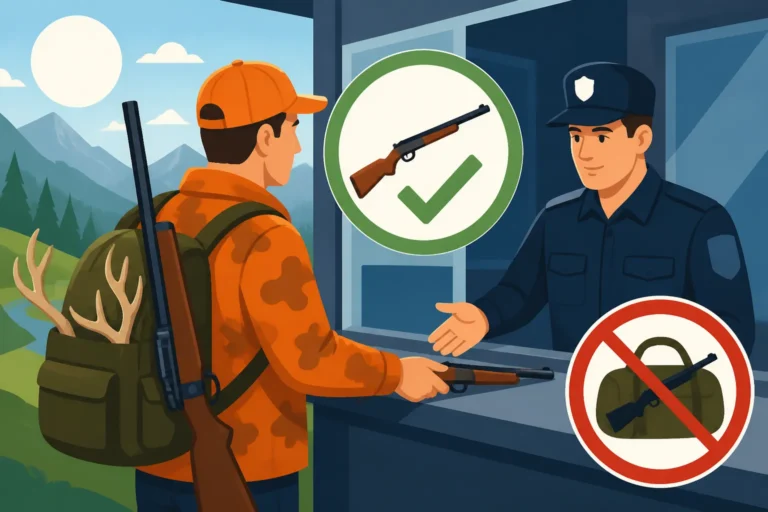
Safety is, without a doubt, the paramount concern when hunting with young people. A reputable outfitter will have stringent safety protocols in place, especially regarding firearms or bows. They should clearly articulate how they handle weapon safety, particularly with inexperienced hands. This includes proper handling, carrying, loading, and unloading procedures, as well as emphasizing the importance of knowing your target and what's beyond it. Ensuring the young hunter is always under direct supervision and has a solid understanding of Alberta Blaze Orange and Safety Rules should be non-negotiable.
Additionally, consider the equipment. Does the outfitter have appropriately sized gear, or do they expect you to bring everything? For instance, do they have smaller rifles with reduced recoil or youth-sized bows that fit a child's draw length and weight? While you'll likely bring much of your own clothing and personal gear, having a guide who can provide specialized equipment, or at least advise on it, shows they are truly prepared for young clients. Discuss how they plan to manage unexpected situations or medical needs, demonstrating their preparedness for any eventuality in the field.
Hunt Design and Duration for Kids
A successful youth hunt isn't about endurance; it's about engagement and positive reinforcement. A good outfitter will understand this and design hunts accordingly. Instead of grueling all-day treks, they might focus on shorter, more active periods of hunting, interspersed with breaks for snacks, storytelling, or simply observing nature. For species like deer, this might mean focused morning and evening sits, or shorter spot-and-stalk sessions that minimize fatigue. When considering booking an Alberta black bear hunt or even Booking an Alberta Moose Hunt, the physical demands can vary significantly, so ensure the outfitter tailors the experience to a child's capabilities.
The duration of the hunt itself is also critical. A multi-day backcountry sheep hunt might be too intense for most beginners, while a two or three-day whitetail hunt from a comfortable lodge might be perfect. Inquire about the typical schedule for youth hunts. Is there flexibility if the child gets tired or disengaged? A truly youth-friendly outfitter prioritizes the child's enjoyment over a rigid schedule, understanding that sometimes the best thing for a young hunter is a nap or a hot meal back at camp. This flexibility is key to preventing burnout and fostering a genuine love for hunting.
Preparing Your Young Hunter for an Outfitted Trip
Even with the best outfitter, a successful youth hunt depends heavily on preparation. Your role as a parent or mentor is crucial in getting your child ready, both mentally and physically, for the adventure ahead. This pre-hunt work sets the stage for a positive and memorable experience.
Pre-Hunt Training and Expectations
Before heading out with an outfitter, it's vital that your young hunter has some foundational knowledge and skills. This starts with completing an accredited hunter education course, such as the Alberta Hunter Education and Conservation Course. Not only is it often mandatory, but it provides a solid understanding of ethics, safety, and wildlife biology. Practice shooting with their chosen weapon is also non-negotiable. Whether it's a .22 rifle for small game practice or a youth-model deer rifle at the range, familiarity and confidence with their equipment are paramount.
Beyond the technical skills, managing expectations is huge. Talk openly with your child about what a hunt entails. Emphasize that hunting isn't always about harvesting an animal. It's about spending time in nature, observing wildlife, learning, and enjoying the process. Explain that weather can be unpredictable, success isn't guaranteed, and patience is a hunter's greatest virtue. Discuss the guide's role and the importance of listening and respecting their instructions. Having these conversations beforehand will prepare them for the realities of the field and minimize disappointment if things don't go exactly as planned. This approach allows them to appreciate the entire experience, not just the outcome.
Essential Gear for Young Hunters
Having the right gear makes a world of difference for a young hunter's comfort and enjoyment. Cold, wet, or uncomfortable kids quickly lose interest. Start with good quality layers, suitable for Alberta's often unpredictable weather. This includes moisture-wicking base layers, insulating mid-layers, and a waterproof/windproof outer shell. Proper footwear is critical: waterproof, insulated boots that are well broken-in will prevent blisters and cold feet. Remember, Hunting Alberta Winter Weather Safely often means extra attention to warmth.
Don't forget accessories: a comfortable backpack, a good quality headlamp, extra batteries, a small first-aid kit, and plenty of snacks and water. Consider investing in youth-sized binoculars or a monocular; teaching them to glass and observe is a vital hunting skill and keeps them engaged. While some outfits might provide specific equipment, understanding What to Bring to a Hunting Camp generally can help you ensure your child has everything they need for comfort and utility. Always double-check with your outfitter for any specific gear recommendations they might have for their area or type of hunt.
Managing Expectations and Ensuring Fun
The ultimate goal of taking a youth hunting is to foster a love for the outdoors and the hunting tradition, not to pressure them into a trophy. It's easy for parents to project their own desires onto a child's hunt, but remember, this is their experience. Celebrate every small victory: spotting a deer, making a good track, identifying a bird, or simply enduring a cold morning. The success of the trip shouldn't hinge solely on bagging an animal. Sometimes, the most memorable hunts are those where no shot is fired, but invaluable lessons are learned and deep connections are forged.
Make sure there's plenty of time for fun and relaxation. Hunting can be intense, so balance it with lighter moments. Whether it's telling stories around a campfire, playing a game back at the lodge, or simply letting them explore a bit during downtime, these moments contribute significantly to a positive overall experience. A good outfitter will also understand this and allow for flexibility in the schedule. The goal is to make them want to come back next year, eager for more outdoor adventures, not to view hunting as a chore or a source of stress.
Finding the Right Outfitter: Resources and Questions
Now that you know what to look for, the next step is actually finding that perfect match. The sheer number of outfitters out there can be daunting, but with a targeted approach, you can narrow down your options to those who truly specialize in youth hunts.
Utilizing Online Platforms and Directories
In today's digital age, online platforms are a fantastic starting point for finding outfitters. Websites like BookYourHunt and GoHunt, while often geared towards all types of hunters, allow you to filter and search for outfitters based on species, location, and sometimes even specific amenities or focuses. Look for profiles that specifically mention "family hunts," "youth hunts," or "first-time hunter packages." These are good indicators that the outfitter has experience and infrastructure for younger clients. Read reviews carefully, paying attention to comments from other parents about their children's experiences.
Beyond dedicated booking sites, many provincial hunting associations and outfitter associations in Alberta maintain directories of licensed operators. These can be valuable resources for finding reputable businesses. Don't shy away from smaller, independent outfitters who might not have a massive online presence but come highly recommended through word-of-mouth. Sometimes, these smaller operations offer a more personalized experience, which can be ideal for a young hunter's first guided trip.
Key Questions to Ask Potential Outfitters
Once you've identified a few potential outfitters, it's time to get on the phone and ask some direct questions. Don't hesitate to be thorough – this is a significant investment of time and money, and more importantly, your child's foundational hunting experience. Here’s a table of crucial questions to guide your conversation:
| Category | Key Questions to Ask | Why It Matters |
|---|---|---|
| Youth Experience | How many youth hunters do you take each year? What ages do you typically accommodate? | Indicates their familiarity and comfort level with younger clients. |
| Can you provide references from other families who have hunted with their children? | Allows you to get firsthand accounts of their youth-specific approach. | |
| Safety | What are your specific safety protocols for firearms/bows with young hunters? | Ensures they have clear, established procedures to keep your child safe. |
| Do you have youth-sized equipment (e.g., smaller rifles, bows, ground blinds)? | Shows they are prepared to equip a child properly, enhancing comfort and success. | |
| Hunt Design | How do you tailor the hunt duration and intensity for a child? | Helps ensure the hunt aligns with a child's attention span and physical limits. |
| What opportunities are there for learning beyond the shot (e.g., tracking, field care)? | Highlights their commitment to education and comprehensive mentorship. | |
| Logistics | What is the typical daily schedule for a youth hunt? Is there flexibility? | Assesses their willingness to adapt to a child's needs. |
| What is included in the package (e.g., lodging, meals, transportation, licenses)? | Clarifies costs and helps avoid hidden fees. Remember to inquire about Alberta Hunting Licences and What They Cost separately. | |
| Success & Ethics | How do you define "success" on a youth hunt? | Reveals their philosophy and if it aligns with your goal of a positive experience over just a harvest. |
| What happens if my child gets discouraged or isn't having fun? | Shows their ability to pivot and ensure the child remains engaged and happy. |
Understanding Costs and Inclusions
While the focus for a youth hunt isn't solely on cost, it's a practical consideration for every family. Outfitters often structure their pricing in different ways. Some may offer special "youth rates" or "family packages" that are more affordable than adult-only hunts. Always ask for a detailed breakdown of what is included in the price. This typically covers guiding services, meals, lodging, and field transportation. However, other essential items might be extra.
For instance, inquire about the cost of Alberta Hunting Licences and What They Cost, as these are usually separate. Other potential add-ons might include meat processing, taxidermy, airport transfers, or gratuities for the guide. Understanding these additional expenses upfront will help you budget appropriately and avoid any surprises. Remember that outfitters cannot "hold" a tag for you; you will need to understand the process for Getting an Alberta WIN Card and acquiring the necessary licences for your youth hunter. Don't be afraid to ask about payment plans or deposit requirements, and ensure you understand their cancellation policy. A clear understanding of these financial aspects will allow you to plan your hunt with confidence.
Ultimately, choosing an outfitter for a youth hunt is about finding a partner who shares your vision: to introduce a young person to the wonders of hunting in a safe, ethical, and fun environment. It's about setting them up for a lifetime of appreciation for Alberta's wild lands and the incredible creatures that call them home.
Disclaimer
This article is for general informational purposes only and does not constitute professional advice. Laws, prices and regulations vary by location and change over time. Consult a qualified professional for guidance on your specific situation.