What Is Never Included in a Package
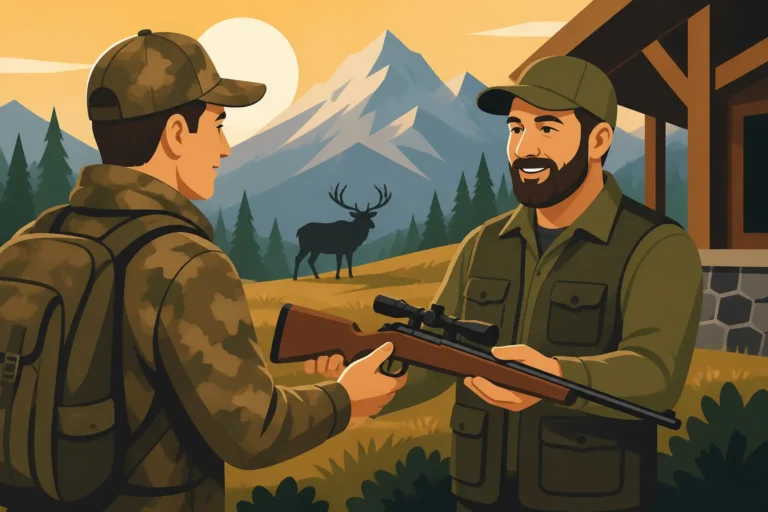
You’ve finally booked that dream hunting trip to Alberta, or maybe you’re just starting to look at options, and you see the price tag on a guided hunt. It can be a real jolt to the system! Then you start thinking about budgeting, and the biggest frustration often isn't the upfront cost itself, but the dread of hidden fees and expenses that weren't clearly laid out. It’s tough to plan when you don’t know what to expect. This guide is here to shed light on what typically isn't included in an Alberta guided hunting package, helping you budget accurately and avoid those unwelcome surprises.
The Initial Sticker Shock: Understanding the Base Price
When you're browsing for an Alberta guided hunt, whether through an outfitter's direct website or platforms like BookYourHunt, you'll see a base price. This figure often represents the core operational costs of the hunt itself. It’s the foundation, but rarely the complete picture.
What Most Outfitters Do Include
Let's start with the good news, what you can generally expect to be covered in that primary package price. This usually forms the backbone of your hunting experience and what you're primarily paying the outfitter for.
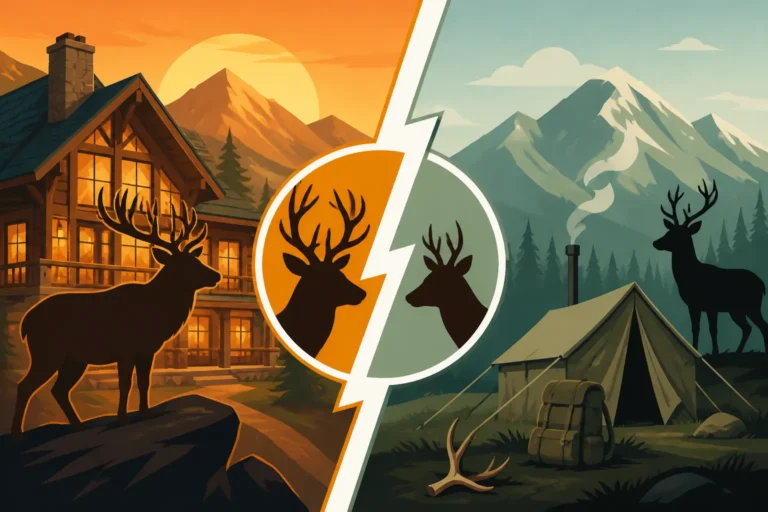
Most reputable Alberta outfitters will include your accommodation for the duration of the hunt. This could be anything from a cozy lodge with private rooms to a more rustic wall tent camp nestled deep in the bush. Alongside lodging, expect your guiding services. This means you'll have experienced guides, often with intimate knowledge of the local terrain and animal movements, taking you out each day to hunt. Their expertise is invaluable, helping you scout, track, and hopefully, harvest an animal. Think of it as their daily mission to put you on game, whether you're Booking an Alberta Whitetail Hunt or Booking an Alberta Moose Hunt.
Meals are almost always a part of the package. You can expect hearty breakfasts, lunches (often packed for the field), and delicious dinners back at camp. Sometimes snacks and non-alcoholic beverages are also included, but it's always good to clarify. Finally, basic transportation during the hunt, to and from your hunting areas, is generally covered. This could mean truck rides, ATVs, horses in the mountains, or even boat transport if you're hunting certain river systems. And, crucial for any successful hunt, the initial field care of your game – quartering, caping for a trophy, and getting it back to camp – is typically part of the service.
Why "All-Inclusive" Rarely Means Everything
That seductive phrase, "all-inclusive," can be a real trap if you don't read the fine print. It's easy to see "all-inclusive" on an outfitter's website and think it covers literally everything from your doorstep back to your trophy room, but that's just not the reality in the hunting world. In Alberta, and pretty much everywhere else, "all-inclusive" usually refers to the operational aspects of the hunt once you arrive at camp. It covers the guiding, lodging, food, and in-field transportation—the things directly related to the act of hunting itself.
What it almost never includes are the costs associated with getting to the hunt, fulfilling governmental requirements, showing appreciation for services, and handling the game after it leaves the field. Many hunters, especially those new to guided trips, fall into this trap, only to be surprised by a long list of additional expenses once they're already committed. It's a common point of frustration, and it's why having a clear understanding of exclusions is so vital for a stress-free trip.
Beyond the Hunt: Common Exclusions and Hidden Costs
Once you look past the core hunting experience, a whole new layer of expenses emerges. These are the items that almost universally fall outside the "all-inclusive" umbrella and are critical to factor into your total budget.
Licensing, Tags, and Permits
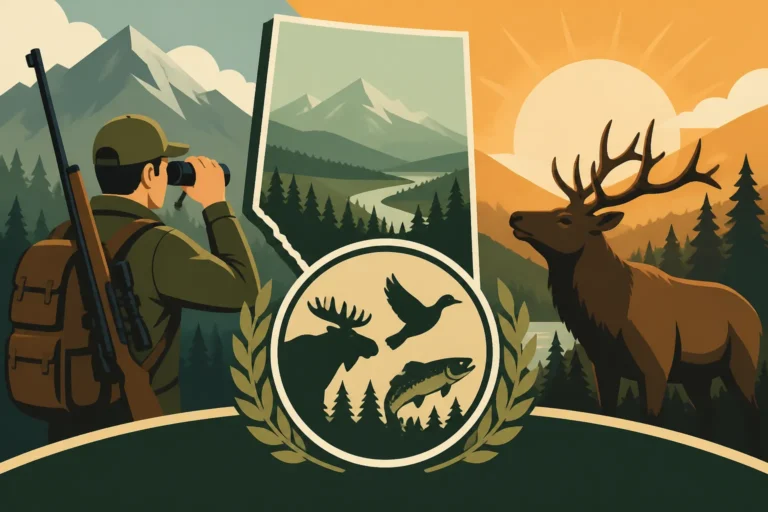
This is perhaps the biggest and most consistent exclusion across the board. Your hunting licences, species-specific tags (like those for deer, moose, or elk), and any required provincial or federal permits are almost always your financial responsibility. You'll need to purchase your Alberta WIN Card, a Wildlife Certificate, and then the specific tags for the animal(s) you intend to hunt. The costs can vary significantly depending on whether you're an Alberta resident, a Canadian non-resident, or a non-resident alien. For example, What a Non-Resident Alien Pays for a Tag can be substantially more than what an Alberta resident pays for the same species.
If you're applying for special draw species like Bighorn sheep, mountain goat, or certain elk and moose draws, there will also be application fees. For migratory bird hunts, you'll need a federal migratory game bird permit in addition to your provincial licence. It's imperative to check the current Alberta hunting regulations and the AlbertaRELM website before you even book your trip to understand these costs. They are not trivial and can easily add hundreds or even thousands of dollars to your total bill. Often, your outfitter can advise you on what you'll need, but the purchase itself is up to you. You'll want to thoroughly research Alberta Hunting Licences and What They Cost and Alberta's WIN Card and Wildlife Certificate to be fully prepared.
Travel Expenses to and from Camp
While an outfitter might pick you up from a designated meeting point—perhaps a nearby town or airport—the cost of getting to that meeting point is typically on your dime. This includes your flights to Alberta (often into major hubs like Calgary or Edmonton, as covered in Flying Into Calgary or Edmonton for a Hunt), or the fuel costs if you're driving.
Furthermore, if your travel schedule requires it, you might need to budget for hotel stays the night before your hunt begins or the night after it concludes. Maybe you fly in late, or your flight out isn't until the next day after leaving camp. These extra nights, along with any airport shuttles, taxis, or rental car costs, quickly add up. Don't forget any meals you might eat while traveling outside of camp, either. It’s all part of the journey, but not usually part of the hunt package.
Gratuities and Tips
Ah, the dreaded "tip talk." This is an area where many hunters feel uncomfortable, but it’s an absolutely essential part of budgeting for a guided hunt and is almost never included in the base price. Gratuities are customary and expected for your guide, the camp cook, and any other camp staff who contribute to your experience. These folks work incredibly hard, often long hours in challenging conditions, to make your hunt successful and comfortable.
The amount you tip is, of course, discretionary, but generally, guides expect anywhere from 10-20% of the hunt cost, with camp staff receiving a smaller, but still significant, amount. This can represent a substantial sum, adding hundreds or even thousands of dollars to your overall expenditure. It can feel a bit awkward, but tipping is a huge part of showing appreciation for the hard work of your guide and the camp staff. Always factor this in. You can get a better sense of expectations by looking into How Much to Tip an Alberta Guide.
Trophy Processing and Shipping
Once you've harvested an animal, the outfitter will typically provide initial field care, which means quartering the meat and caping the hide for a trophy. However, the costs associated with further processing and getting that meat and trophy home are almost always your responsibility.
This includes:
- Meat processing: Taking your quarters to a butcher for cutting, wrapping, and freezing. Alberta has many excellent butchers, but this service comes at a cost, especially for larger animals. Plan for this, especially after a successful Moose Hunting Alberta's Boreal Forest or Elk Hunting Alberta's Foothills trip.
- Taxidermy: If you're getting a full mount, shoulder mount, or even a European skull mount, those services are an entirely separate cost. You'll either arrange to pick up the trophy yourself or have it shipped to your taxidermist.
- Shipping: Getting your processed meat and/or trophy (cape, antlers) from Alberta to your home, particularly if you're a non-resident. This involves specialized freight, crating, and can be quite expensive, especially for large, heavy shipments. If you're coming from another country, there will be customs paperwork and potentially fees on both sides of the border. Make sure you understand the nuances of Shipping Meat Home From Alberta and Taking a Cape Across the Border. You'll also want to look at Alberta Taxidermists and Their Wait Times if you plan to have work done locally.
These post-harvest expenses can quickly escalate, so it’s crucial to get estimates and factor them into your budget beforehand.
Gear, Logistics, and Personal Expenditures
Beyond the big-ticket items, there are numerous smaller, but still significant, costs related to your personal gear, specific camp requests, and crossing borders. Neglecting these can still lead to budget headaches.
Personal Hunting Gear and Clothing
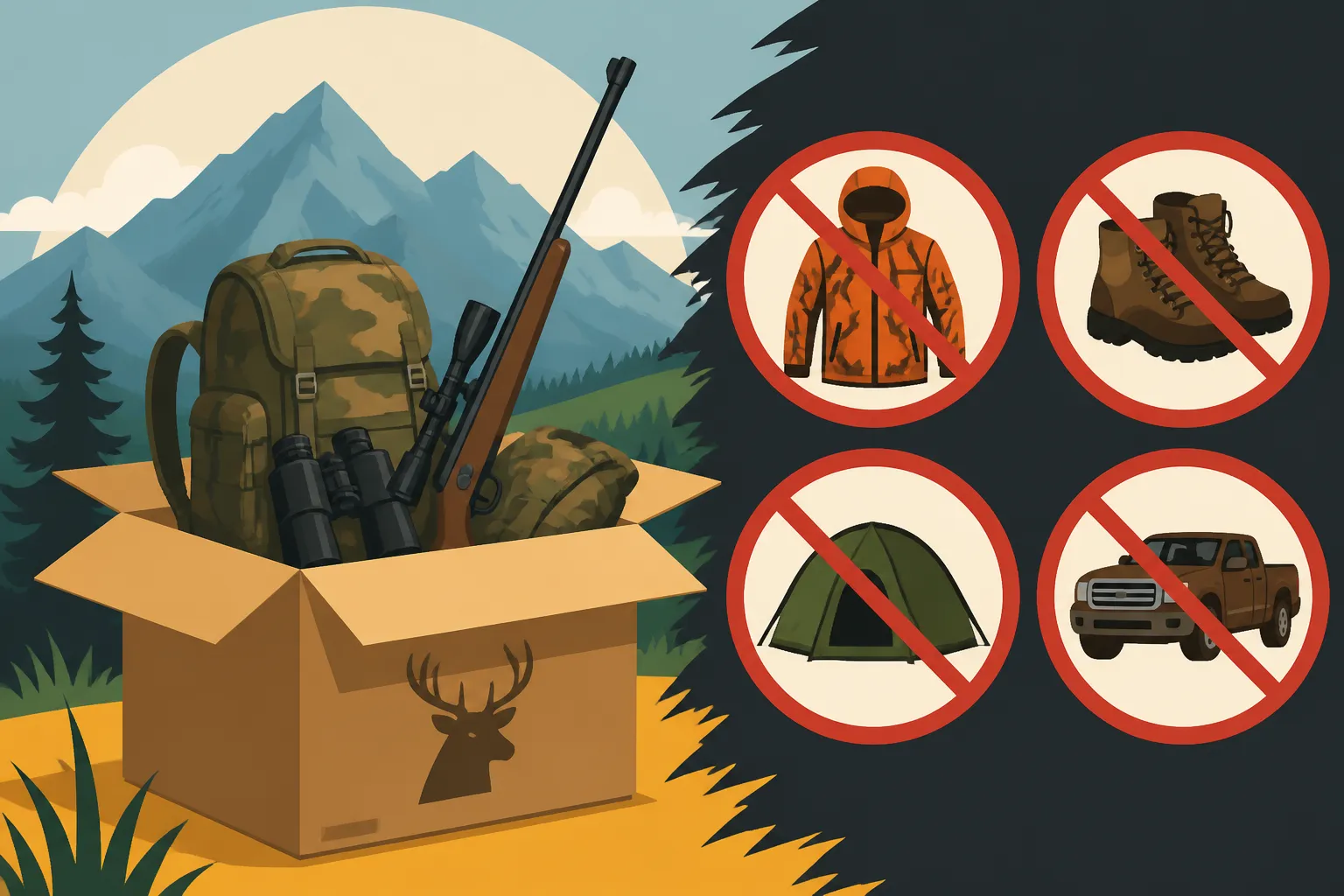
This one might seem obvious, but it's worth stating: your personal hunting gear and clothing are entirely your responsibility. The outfitter provides the hunt, not your rifle or bow, ammunition, optics, specialized cold-weather clothing, boots, backpacks, or sleeping bags (if you're doing a spike camp, for instance).
Investing in quality gear suited for Alberta's often unpredictable weather is crucial. Hunting in Alberta can mean anything from crisp fall days to truly brutal cold, so having the right layers, waterproof outerwear, and insulated boots is non-negotiable. Don't underestimate the need for proper attire, especially if you're planning a late-season hunt that might involve Hunting Deep Cold Late in the Season or require specific preparation for Hunting Alberta Winter Weather Safely. If you need to purchase new items, that cost needs to be added to your overall hunt budget.
Alcohol and Personal Snacks/Drinks
While your meals are generally included, alcoholic beverages are almost universally an extra cost. If you enjoy a beer after a long day in the field or a glass of wine with dinner, plan to either bring your own (if permitted by the outfitter and provincial laws) or purchase it from the outfitter/camp at an additional charge.
Similarly, if you have specific dietary needs for snacks or prefer certain comfort foods beyond what the camp kitchen provides, you'll need to supply those yourself. While this might seem like a minor detail, over a week-long hunt, these small personal expenditures can add up.
Export/Import Fees and Taxidermy Permits
For non-residents, especially those from outside Canada, the logistical and financial hurdles of moving your trophy and meat across international borders can be significant. Exporting game from Canada might involve permits from Canadian authorities, and importing it into your home country will certainly require meeting their specific customs and wildlife regulations.
For certain species, such as bighorn sheep or some migratory birds, CITES (Convention on International Trade in Endangered Species of Wild Fauna and Flora) permits might be required for international transport, which can be complex and involve additional fees and processing times. It's absolutely critical to research these requirements well in advance through your country's Fish & Wildlife equivalent and border services agency. You'll want to review topics like Taking Meat and Antlers Home Across the Border carefully.
Optional Extras and Upgrades
Sometimes, outfitters will offer optional services or upgrades that aren't part of the standard package. This could include things like:
- Photography/videography packages: If you want professional documentation of your hunt.
- Rental equipment: Perhaps a specialized ATV for hard-to-reach areas, or premium optics if yours aren't sufficient.
- Expedited services: Faster meat processing, or direct delivery to a specific taxidermist.
- Exclusive access: Sometimes, for an additional fee, an outfitter might offer access to specific, high-opportunity private lands or remote areas that require specialized transport.
These are always presented as choices, but if you opt for them, they will naturally increase your total cost.
Planning Your Budget and Asking the Right Questions
The key to a successful, surprise-free guided hunt in Alberta is proactive planning and clear communication. Don't leave anything to chance.
The Importance of a Detailed Contract
Never, ever book a guided hunt without a written contract. This document is your best friend and should explicitly detail everything that is and isn't included in your package. Don't just skim it; read every single line, especially the fine print regarding payments, cancellations, and what happens if something goes wrong.
The contract should clearly outline what falls under the "included" banner (e.g., specific days of hunting, meals, lodging type, guide ratio) and just as importantly, a comprehensive list of exclusions (e.g., licences, tips, travel, processing). Understand the Alberta Deposit and Cancellation Terms as laid out in the contract, as these can vary significantly between outfitters and can have major financial implications if plans change. If anything is unclear, ask for clarification in writing before signing.
Asking Key Questions Before Booking
This is where you become your own best advocate. Don't be afraid to ask direct and detailed questions. A reputable outfitter will appreciate your thoroughness and be happy to provide transparent answers. Here’s a list of questions that you absolutely must ask:
- "What exactly is covered by the 'all-inclusive' claim, specifically listing every service and item?"
- "What are the typical costs for hunting licences and tags for my target species, considering my residency status?"
- "What are the expected gratuity amounts for guides and camp staff? Are there separate recommendations for each?"
- "What are the arrangements and costs for meat processing and trophy preparation beyond initial field dressing?"
- "What are the estimated shipping costs for meat and/or trophies to my home address, including any crating or special handling fees?"
- "Are there any other fees I should be aware of, such as conservation fees, administrative charges, or land access fees?"
- "What travel expenses from the nearest airport or major city are covered by the package, and what portions fall on me?"
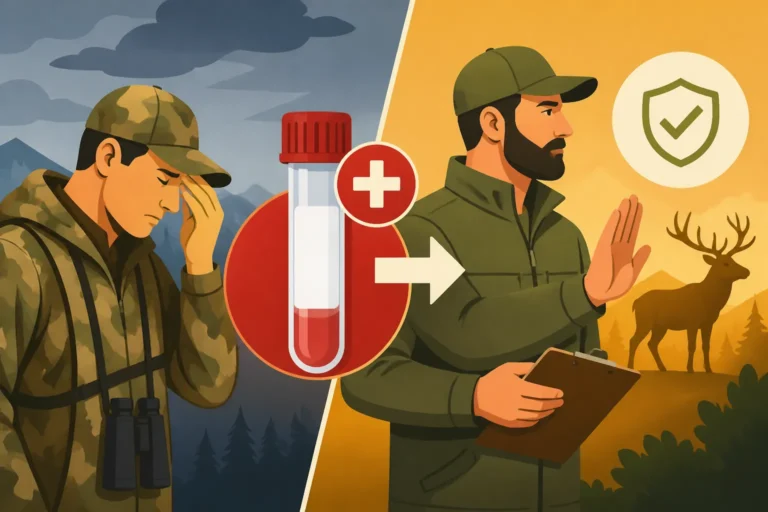
- "What is your policy regarding unforeseen circumstances like severe weather, wildfires, or medical emergencies that might affect the hunt?"
- "What is your payment schedule, and what happens if I need to cancel or postpone my trip?"
Platforms like BookYourHunt or GoHunt can be good starting points for researching outfitters, but remember to follow up directly with the outfitter for a detailed discussion and contract review.
Creating a Realistic Hunt Budget
After gathering all this information, sit down and create a comprehensive budget. It’s not enough to just add up the base hunt cost and the confirmed exclusions; you need to factor in a contingency. Life, and hunting, can be unpredictable.
Here’s a simple table to help you organize your budget planning:
| Category | Typically Included? | Typical Exclusion Cost Impact (Shape) | Your Estimated Cost |
|---|---|---|---|
| Base Hunt Package | Yes | Covered | |
| Alberta WIN Card & Wildlife Cert. | No | Varies by residency (e.g., $60-$100+) | |
| Species Tags (Deer, Moose, Elk etc.) | No | Varies by species & residency (e.g., $50-$1000+) | |
| Federal Migratory Bird Permit (if applicable) | No | Varies (e.g., ~$20) | |
| Travel to/from Alberta (Flights/Fuel) | No | Significant, varies by distance & mode of transport | |
| Pre/Post Hunt Accommodation & Meals | No | Varies (e.g., $100-$300+/night for hotels, plus meals) | |
| Gratuities (Guide, Cook, Staff) | No | 10-20% of base hunt cost | |
| Meat Processing & Packaging | No | Varies by animal size (e.g., $200-$1000+) | |
| Trophy Preparation (Taxidermy) | No | Varies widely by mount type (e.g., $500-$5000+) | |
| Shipping Meat & Trophy Home | No | Highly variable by weight, distance, and freight method (e.g., $200-$1500+) | |
| Export/Import Permits & Fees | No | Varies by country & species (e.g., $50-$200+) | |
| Personal Hunting Gear/Clothing | No | Varies based on needs (e.g., $0-$1000+) | |
| Alcohol/Personal Snacks | No | Moderate, based on personal consumption | |
| Travel Insurance | No | Small percentage of total trip cost | |
| Contingency Fund (15-25% of total) | N/A | For unexpected expenses, emergencies | |
| TOTAL ESTIMATED HUNT COST |
Always add a contingency fund, typically 15-25% of your estimated total. This acts as a buffer for anything unforeseen, whether it’s an extra night’s stay due to weather delays, a last-minute gear purchase, or a slightly higher-than-expected shipping fee. It's a big investment, and nobody likes surprises when they're trying to enjoy a once-in-a-lifetime experience. By being thorough and realistic about all the potential costs, you can ensure your Alberta hunting adventure is memorable for all the right reasons, not for an unexpected dent in your wallet.
Disclaimer
This article is for general informational purposes only and does not constitute professional advice. Laws, prices and regulations vary by location and change over time. Consult a qualified professional for guidance on your specific situation.