Horseback Access on an Alberta Sheep Hunt
For anyone who has ever dreamed of chasing bighorn sheep in Alberta's majestic mountains, you know the struggle: these magnificent animals live in some of the most remote, rugged, and unforgiving landscapes imaginable. Getting into their high-alpine world isn't just a hike; it's an expedition. This guide will take a deep dive into how horseback access becomes not just a luxury, but often a crucial necessity for a successful and realistic Alberta sheep hunt.
Why Horseback is Essential for Alberta Sheep Hunts
When you're looking at a map of Alberta's mountain WMUs, or even just gazing at the vastness of the front range from a distance, the sheer scale of the terrain can feel overwhelming. This isn't your typical bush country hunt where a quad can get you close or a long walk on a cutline does the trick. Sheep live in truly wild places, and traditional methods of access simply don't cut it.
Navigating Rugged Mountain Terrain
The mountains where bighorn sheep roam are defined by towering peaks, deep canyons, boulder fields, thick timber, and relentless elevation changes. It's a landscape designed to keep most humans out. Trying to traverse these areas on foot, especially while carrying a heavy pack, is an undertaking that few are physically capable of for more than a day or two. Vehicles like ATVs are often restricted or simply can't navigate the terrain, and even if they could, the noise would ruin any chance of a stealthy approach.
This is where horses shine. A good mountain horse, seasoned by years of navigating steep trails and rocky slopes, can cover ground that would take a human days to struggle through. They possess an innate ability to pick their way through treacherous footing, climb relentlessly, and descend safely, all while carrying a significant load. They move efficiently and quietly, blending into the natural rhythm of the mountains. Many of Alberta’s most sought-after sheep areas, particularly within the Bighorn Sheep in Alberta's Mountains or even the What Hunting Willmore Wilderness Park Requires, are simply inaccessible without a string of good horses to get you in. Without them, you'd be looking at multi-day treks just to reach the edge of sheep country, let alone where the rams actually live.
Carrying Gear and Game
Think about what goes into a multi-day sheep hunt in the backcountry. You're not just bringing your rifle and a sandwich. You need a sturdy tent, sleeping bags rated for freezing temperatures, cooking gear, enough food and water for a week or more, optics (spotting scope, binoculars), first-aid supplies, and all the specialized clothing needed for rapidly changing mountain weather. That's a significant amount of weight, easily exceeding what most hunters can comfortably backpack for extended periods, especially over steep, demanding terrain.
Then, imagine the incredible feeling of success: you've taken a beautiful ram. Now comes the real work. A bighorn ram, while not as massive as a moose or elk, is still a substantial animal, and packing out its meat, cape, and horns is a colossal task. Field dressing and quartering happen on the spot, but moving hundreds of pounds of meat, plus the prized skull and cape, out of a remote basin on your back is a monumental effort. Horses literally carry the burden. They allow you to establish a more comfortable spike camp deeper in the mountains, equipped with better gear, and then, most importantly, provide the means to efficiently pack out your hard-earned trophy and valuable meat. This drastically reduces the physical toll on the hunter and ensures the meat is handled quickly and effectively, especially critical if temperatures are less than ideal. Packing Out of Alberta's Mountain WMUs is a whole different ballgame with a string of reliable packhorses.
Planning Your Horseback Sheep Hunt
Deciding to pursue a bighorn ram with horseback access is a commitment, but one that opens up incredible opportunities. The planning stage is paramount to a successful and enjoyable experience, moving beyond just booking a trip to truly preparing yourself for the adventure.
Choosing the Right Outfitter and Horse
This is arguably the most critical decision you'll make. An Alberta sheep hunt with horseback access is almost exclusively done through a reputable outfitter. These professionals not only have intimate knowledge of the terrain and the sheep, but they also own and maintain the crucial equine element of the hunt. You're looking for an outfitter with extensive experience specifically in mountain sheep hunting, whose horses are well-trained, sure-footed, and accustomed to steep, rocky, and potentially dangerous trails.
Don't be shy about asking questions. Inquire about their horse string – how many horses, their age, their experience level, and how often they're used for these types of hunts. A reputable outfitter will be proud to tell you about their animals and their safety protocols. You can often find outfitters specializing in these unique hunts by looking at resources like BookYourHunt or GoHunt, where they list their specific offerings, often including horseback sheep hunts in Alberta's mountains. Always ask for references from past clients who have done similar trips. This isn't just about finding a guide; it's about finding a team you trust with your safety and your hunting experience. The right Horseback Outfitters in Alberta's Mountains will make all the difference.
Physical Preparation for the Rider
While the horses do the lion's share of the hauling, don't misunderstand: a horseback hunt is not a passive activity. You will be spending long hours in the saddle, often traversing challenging terrain, sometimes in inclement weather. This demands a certain level of physical conditioning. Sitting upright, maintaining balance, and absorbing the bumps and jolts of mountain travel requires core strength, leg strength, and overall endurance.
It's highly recommended to get some saddle time in before your trip. If you don't own horses, consider taking riding lessons or even just renting a horse for a few hours on local trails. This will not only condition your body to the unique demands of riding but also help you develop a better "feel" for the horse. Focusing on core exercises, hip flexibility, and general cardiovascular fitness will pay dividends. You’ll be grateful for that preparation when you’re eight hours deep into a ride, navigating a steep sidehill. Think of it as part of your overall Fitness for an Alberta Sheep Hunt.
Understanding Horse Etiquette and Safety
For many hunters, their only interaction with horses might be a short trail ride years ago. On a guided sheep hunt, these animals are your partners, and understanding basic horse etiquette and safety is crucial for everyone's well-being. Your outfitter will provide specific instructions, but generally, always approach a horse calmly and speak to it so it knows you're there. Never walk directly behind a horse without acknowledging it. Learn how to properly mount and dismount, and how to hold the reins correctly.
When packing, ensure your gear is secure and balanced, as shifting loads can spook a horse or cause discomfort. Pay attention to your guide's instructions on spacing between horses on the trail, especially in tricky sections. If a horse becomes agitated or spooks, listen to your guide's commands – they know their animals best. A well-behaved string of horses is the result of consistent training and respectful handling, and your cooperation helps maintain a safe environment for everyone in the backcountry.
The Experience of a Horseback Sheep Hunt
There's a romance to horseback hunting that's hard to replicate with any other method. It's a connection to history, to the way mountain hunters have pursued game for centuries. Beyond the practicalities, it transforms the entire experience into something truly profound.
The Journey Into Sheep Country
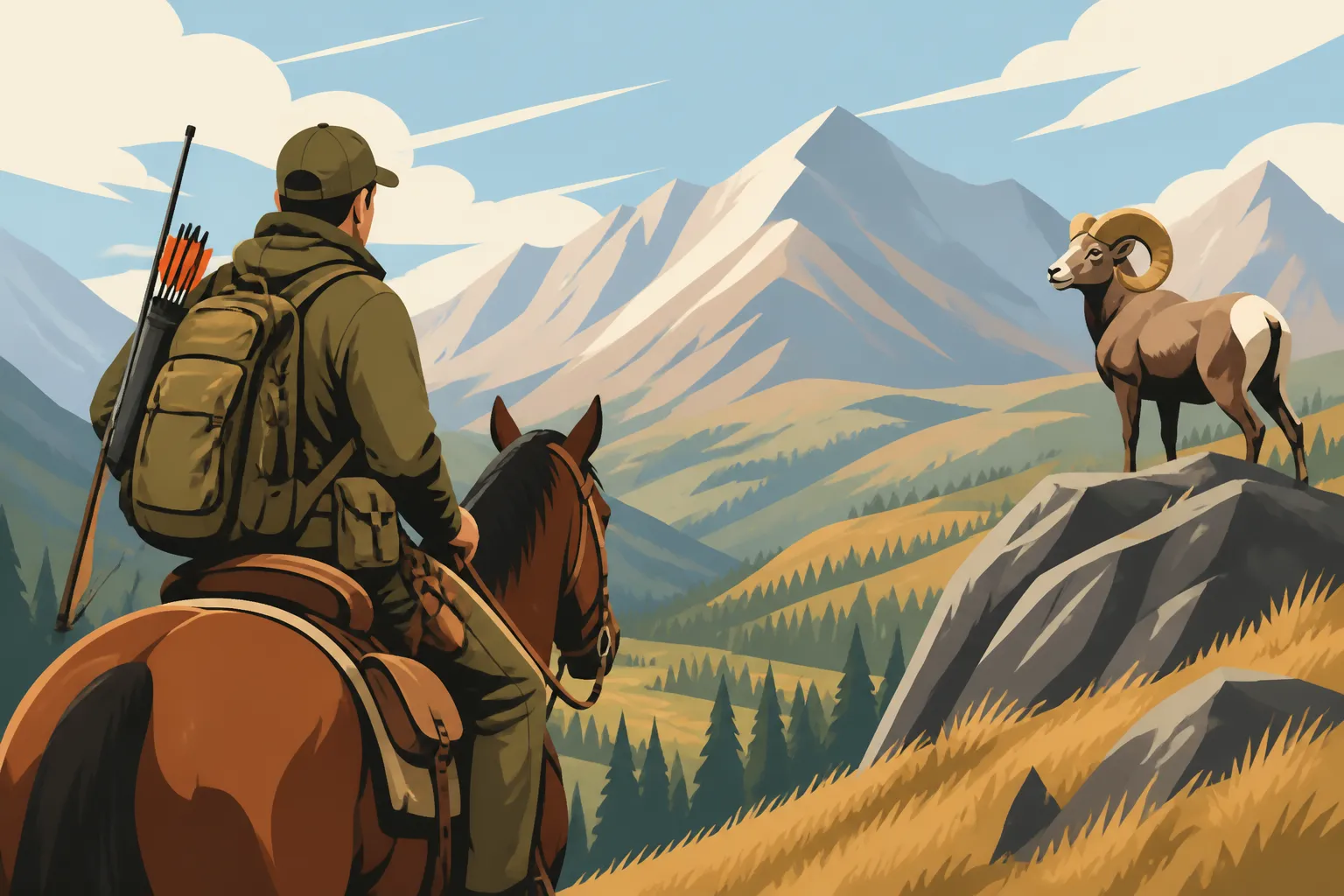
Picture this: you're mounted up, the crisp mountain air filling your lungs, the rhythmic creak of saddle leather, and the steady plod of hooves on earth. You leave the last traces of civilization behind, following an experienced guide deeper and deeper into the wilderness. The views open up, revealing sweeping valleys, ancient glaciers, and jagged peaks that scrape the sky. This isn't just transport; it's an immersion.
The quiet, punctuated only by the sounds of the horses and nature, allows you to truly disconnect and absorb your surroundings. You'll pass through dense forests, ford icy rivers, and climb relentless ascents, feeling a profound sense of anticipation. This journey itself is an integral part of the adventure, setting the stage for the hunt ahead. It gives you a perspective on the vastness of the sheep's domain that you simply can't get from a roadside viewpoint. It's truly a journey into the wild heart of Alberta's mountains, reminiscent of the tales of old mountain men.
Setting Up Spike Camps
One of the great advantages of horseback access is the ability to establish more substantial and comfortable spike camps deeper in the backcountry. Instead of being limited to what you can carry on your back, horses can transport larger, more weatherproof tents, more diverse food, and even some small comforts that make a multi-day stay in harsh conditions much more manageable. This means better rest, better nutrition, and a stronger base of operations for your hunting efforts.
These camps are typically set in strategic locations – often below the treeline, near water sources, and with good access to high-elevation glassing points. From these camps, hunters often embark on daily foot-stalks into the higher basins. The ability to return to a more comfortable camp each night, rather than a minimalist bivouac, can significantly boost morale and physical recovery, especially during long, cold, or wet stretches of a hunt. This logistical support allows you to dedicate more energy to hunting rather than merely surviving.
Stalking After the Ride
It's important to remember that horseback hunting isn't about shooting from the saddle. The horses get you to the country where the sheep live and allow you to cover vast distances efficiently. Once you've glassed rams or identified a promising area, the horses are typically tethered in a safe, hidden location, and the real physical work of the stalk begins on foot.
This involves ascending steep slopes, traversing scree fields, and carefully picking your way through rocky outcrops, all while maintaining stealth. You'll be carrying your rifle, optics, and a day pack. The horses minimize the exhausting trek to reach the prime hunting grounds, conserving your energy for the critical moments of the stalk and the final approach. This combination of horseback travel and strategic foot-stalking is the hallmark of a classic mountain sheep hunt, blending traditional access with modern hunting tactics. It's the best of both worlds, allowing you to get deep, stay fresh, and then make a precise, calculated approach to your quarry. Glassing Alpine Basins for Bighorn Sheep often happens from a high point after the horses have carried you most of the way up.
Challenges and Considerations for Horseback Hunting
While horseback access offers unparalleled advantages for an Alberta sheep hunt, it's not without its unique challenges and considerations. Being prepared for these aspects is just as important as being ready for the hunt itself.
Weather and Trail Conditions
Mountain weather is notoriously unpredictable and can change in an instant. What starts as a sunny, clear morning can quickly turn into a raging snowstorm or a cold, driving rain. These rapid shifts directly impact trail conditions and the safety of horseback travel. Muddy trails become slick and treacherous, icy patches can be hidden, and fresh snow can obscure the path entirely.
Your outfitter and their horses are experienced in these conditions, but delays, detours, or even needing to hunker down in camp are all possibilities. Hunters must be prepared for extreme weather, not just in their clothing but also mentally. Flexibility and patience are paramount. Sometimes, the most important decision is knowing when to wait out a storm, prioritizing safety over pushing forward. The mountains demand respect, and attempting to force a path through dangerous conditions puts everyone, and every animal, at risk. Hunting Alberta Winter Weather Safely is a consideration even in early fall in the high country.
Managing Horses in Remote Areas
Taking a string of horses deep into the backcountry for days or even weeks involves significant logistical planning and ongoing management. It's not like parking a truck and leaving it. Horses require daily care: feeding, watering, and ensuring they are safe and secure. Outfitters will carry feed for the horses, especially if natural forage is scarce or snow-covered. At night, horses need to be tethered or penned in a way that prevents them from wandering off, yet allows them to rest comfortably.
You'll quickly learn that a significant portion of a guide's daily routine revolves around horse care. This includes checking for rubs or injuries from packs and saddles, re-shoeing if a shoe is lost, and generally monitoring their health. Hunters are often asked to assist with small tasks around camp related to horse care, which is a great way to bond with the animals and appreciate the effort involved. It's a testament to the dedication of Horseback Outfitters in Alberta's Mountains that they manage these complex logistics seamlessly.
Costs and Logistics
It's no secret that a guided horseback sheep hunt in Alberta is a significant investment. The higher cost reflects the specialized nature of the hunt: the maintenance and training of a string of mountain-savvy horses, the extensive knowledge and experience of the guides, the specialized gear (saddles, panniers, tents), and the sheer amount of time and effort required for scouting, packing in, and running a remote camp.
When considering a Booking an Alberta Bighorn Sheep Hunt, you'll find these trips are often at the higher end of the spectrum compared to other big game hunts. This is a reflection of the challenges of the terrain, the rarity of the species, and the complex logistics involved with horseback operations. Factor in not just the outfitter's fees, but also travel to Alberta, necessary specialized gear, potential trophy fees, and tips for your guide and camp staff. It’s a considerable commitment, but for many, the unparalleled adventure and increased chances of success make it a worthwhile pursuit.
| Access Method | Key Benefits | Key Drawbacks | Ideal For |
|---|---|---|---|
| Foot | Quiet, low cost (no outfitter), maximum stealth | Extremely physically demanding, limited gear/game carry, slow, limited range | Hunters with exceptional fitness, minimalist style, shorter trips, accessible areas |
| ATV/OHV | Covers ground quickly, carries some gear | Noisy, limited to trails, restricted in many areas, not suitable for steep sheep country | Hunters in specific WMUs, non-mountainous terrain, easier access |
| Horseback | Covers vast, rugged terrain, carries heavy loads, traditional experience | Higher cost, requires horse knowledge/experience, dependent on outfitter | Mountain sheep hunts, deep backcountry, multi-day expeditions, maximizing comfort and gear |
Disclaimer
This article is for general informational purposes only and does not constitute professional advice. Laws, prices and regulations vary by location and change over time. Consult a qualified professional for guidance on your specific situation.