Booking an Alberta Bighorn Sheep Hunt
For many hunters, the dream of pursuing a bighorn sheep in Alberta’s rugged mountains feels like the ultimate challenge, a true pinnacle of North American big game hunting. It’s a pursuit fraught with incredible difficulty, often steep costs, and a highly competitive draw system that can test the patience of even the most dedicated outdoors person. This comprehensive guide is here to demystify the complex process of booking an Alberta bighorn sheep hunt, helping you navigate the draws, find the right outfitter, and prepare for the adventure of a lifetime.
The Allure of Alberta Bighorn Sheep Hunting
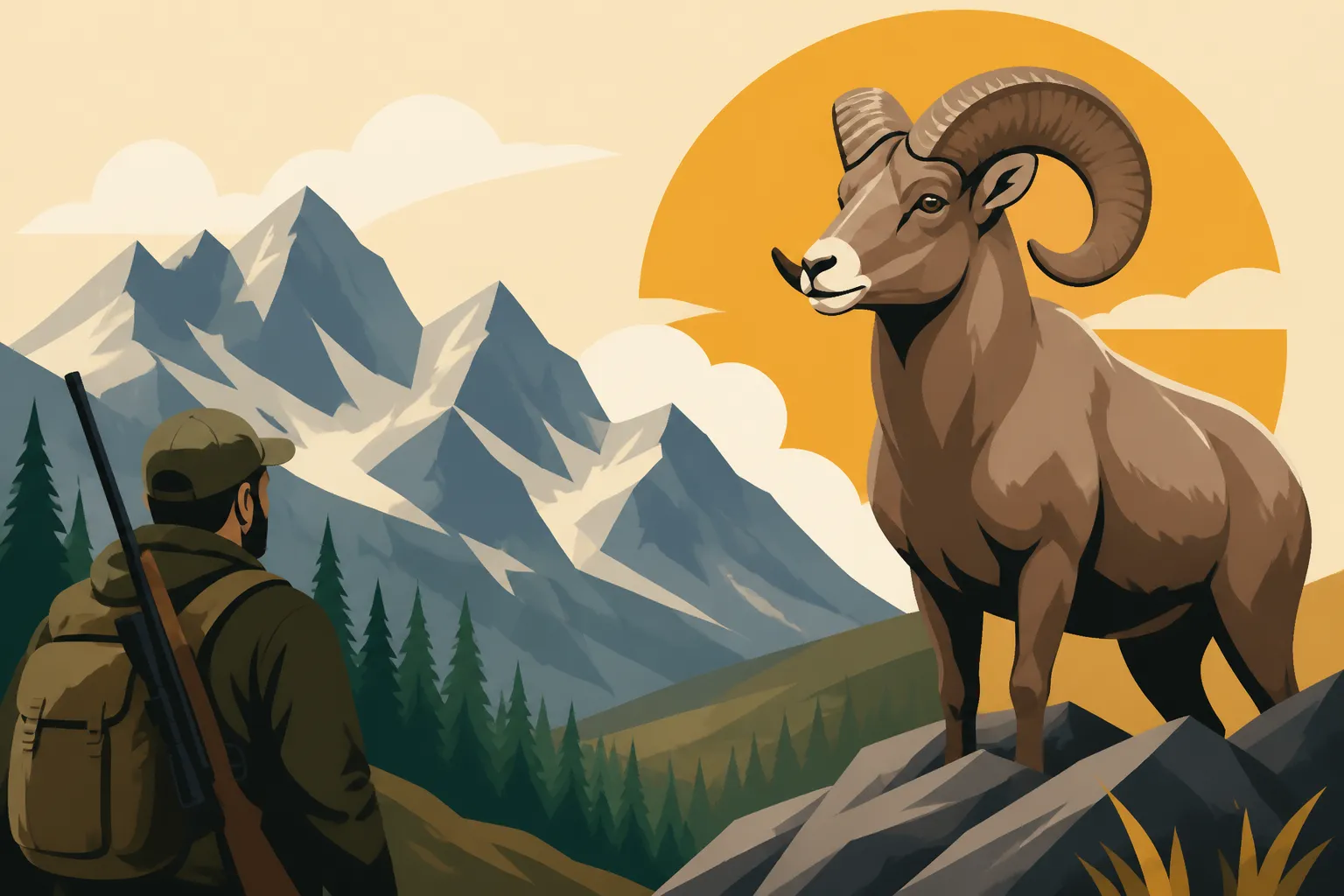
There's something uniquely captivating about the bighorn sheep. Their majestic curls, their ability to thrive in some of the most unforgiving alpine environments, and the sheer physical and mental challenge of hunting them elevates this pursuit above almost any other. Alberta, with its stunning Rocky Mountain ranges, holds some truly exceptional populations, drawing hunters from around the globe who dream of pursuing these iconic animals.
Why Alberta Bighorns Stand Out
Alberta's bighorn sheep are renowned not just for their beauty, but for their impressive horn growth, making them highly sought-after trophies. The genetics, combined with the rugged, nutrient-rich mountainous terrain, contribute to rams that frequently make the record books. The landscape itself is a major part of the appeal; imagine glassing vast, steep rock faces and alpine meadows, the air crisp and thin, with unparalleled vistas stretching for miles. It's an immersive experience in truly wild country, far removed from the hustle and bustle of everyday life. This isn't a hunt you undertake lightly; it demands respect for the animal, the environment, and a deep commitment to physical conditioning. It's about earning your ram, one vertical foot at a time. This reputation for quality is why Alberta is often seen as a premier destination for those seeking to chase sheep, with many hunters aspiring to take a ram of a lifetime in these very mountains, hoping to add their name to the proud history of Alberta's Record Bighorn Ram and Its Score.
The sheer scale of the landscape and the elusive nature of bighorns mean that every successful hunt is a testament to perseverance and skill. These sheep spend their lives navigating treacherous cliffs and steep ascents, always on alert, making a close approach a monumental task. The memory of spotting a mature ram high on a rocky outcrop, far above the timberline, is often as vivid as the moment the shot is taken. Hunters often describe these expeditions less as a hunt and more as a pilgrimage, a deep immersion into an ancient, wild world.
The Rarity and Prestige of a Bighorn Tag
Residents can buy a class 1 (trophy) sheep licence without entering a draw, though the special WMU draws remain highly competitive. For non-residents, it's almost exclusively done through an outfitter who holds specific allocations. This scarcity imbues the tag with immense prestige, making it one of the most coveted hunting opportunities available. The low number of tags issued annually is a critical component of conservation efforts, ensuring the health and sustainability of the bighorn populations, but it also means that very few hunters get to experience this hunt each year.
The odds in the special WMU draws (410, 437, 444/446, 408 and 438) are notoriously long, and in several of them hunters accumulate priority points year after year, hoping their number eventually comes up. This waiting game is a shared experience among hunters chasing those special draws, often discussed with a mix of longing and weary patience. For non-residents, the path is different but no less exclusive, relying on the limited number of tags allocated to licensed outfitters. Understanding these mechanisms is the first, crucial step in planning your bighorn sheep adventure, as the tag itself is the golden ticket to this extraordinary experience. The specific rules and severe limitations are clearly outlined within Bighorn Sheep Draw Rules and Limits.
Understanding Alberta's Bighorn Sheep Draw System
Navigating the licensing and draw system in Alberta is perhaps the most critical, and often the most frustrating, aspect of securing a bighorn sheep hunt. Alberta residents can buy class 1 (trophy) sheep licences without a draw, but draws exist for resident class 2 sheep (draw 29), five resident WMU-special class 1 draws, and non-resident Canadians (draw 31). This system is designed to manage harvest pressure and ensure sustainable populations, but it places a significant hurdle in front of hopeful hunters.
The Draw: Your First Hurdle
For resident hunters, class 1 (trophy) sheep licences are purchased rather than drawn, while the special WMU draws (410, 437, 444/446, 408 and 438) apply to specific Wildlife Management Units (WMUs). In the 410, 437, 444/446 and 408 draws, a priority-only option lets hunters accumulate priority over the years, while the 438 draw does not apply the draw priority system. Even in these special draws, the number of applications and the limited licences mean success is far from guaranteed, so patience and persistence still matter.
The application period is fixed each spring, and missing the deadline means losing a year of point accumulation. Hunters pour over past draw statistics, trying to predict which WMUs might offer slightly better odds, often a futile exercise given the inherent unpredictability. This annual ritual becomes a defining part of a resident sheep hunter's journey, an administrative hurdle that is as integral to the hunt as the physical climb. For detailed guidance on this process, you can explore How Alberta's Draw Application Works.
Non-Resident Requirements and the Hunter Host Rule
For non-residents, the situation is different and generally necessitates booking with a licensed outfitter. Non-residents, particularly non-resident aliens (those from outside Canada), are typically required to hunt with a licensed Alberta outfitter or be accompanied by an eligible Alberta resident acting as a "hunter host." However, for special draw species like bighorn sheep, the outfitter route is almost universally the only viable option due to the allocation system. Outfitters are granted a limited number of tags for specific species in certain WMUs each year. Without an outfitter's allocated tag, a non-resident alien cannot hunt bighorn sheep in Alberta.
The hunter host system allows a non-resident Canadian to hunt with an Alberta resident without an outfitter, and non-resident Canadians can apply for class 1 sheep through draw 31 (once in a lifetime), where the draw priority system is not applied. Therefore, for most international hunters dreaming of an Alberta bighorn, the journey begins and ends with finding a reputable outfitter. It's a critical legal requirement that underpins all planning for non-resident sheep hunters, explicitly covered in Why Non-Residents Need a Guide in Alberta.
Finding and Vetting an Alberta Bighorn Sheep Outfitter
Once you understand the draw system and realize that an outfitter is your gateway to an Alberta bighorn sheep hunt as a non-resident, the next monumental task begins: finding the right one. This isn't just about finding any outfitter; it's about finding a specialized outfitter with a proven track record in extreme mountain environments.
The Importance of a Specialized Sheep Outfitter
Hunting bighorn sheep is a niche within a niche. It requires guides with exceptional physical endurance, deep knowledge of specific mountain terrain, and an intimate understanding of bighorn behavior. A general big game outfitter who primarily guides for deer or moose might not possess the specific expertise, gear, or allocated tags necessary for a successful sheep hunt. You need someone who lives and breathes the mountains, who understands the intricate movements of sheep across vast, unforgiving landscapes, and who has a network of experience that goes beyond typical hunting scenarios.
These specialized outfitters often focus on particular WMUs where they hold exclusive allocations, having dedicated years to scouting and understanding those specific areas. They know the escape routes, the feeding grounds, the bedding areas, and how sheep react to pressure, weather, and seasonal changes. Their gear will be purpose-built for high-altitude backpacking or horse packing, and their guides will be seasoned mountaineers as much as they are hunters. This specialization is paramount to your safety and success in such demanding terrain, making it essential to connect with an outfitter specifically with Finding an Outfitter With Sheep Allocation.
Researching and Contacting Potential Outfitters
The search for a bighorn sheep outfitter often begins online, but it quickly needs to move beyond a simple web search. Many hunters start their research on platforms like BookYourHunt, which aggregates outfitters from various regions, allowing you to filter by species and location. Hunting forums, dedicated sheep hunting organizations, and reputable hunting publications are also excellent sources of information and referrals. Look for outfitters who prominently feature bighorn sheep in their offerings, often showcasing numerous successful hunts on their websites and social media.
Once you identify potential candidates, start making contact. Don't be afraid to ask detailed questions about their experience, their specific allocated areas, the number of sheep hunts they conduct annually, and their typical success rates. Ask about the physical demands of their hunts and what kind of shape they expect clients to be in. Remember, you're not just booking a hunt; you're entrusting your safety and a significant investment to this individual or company. Tools like GoHunt can also be invaluable for analyzing draw odds and unit breakdowns in different regions, helping you understand the context of an outfitter’s advertised success in specific WMUs.
Vetting Credentials and References
Thorough vetting is non-negotiable when booking a bighorn sheep hunt. First, confirm that the outfitter is fully licensed and in good standing with Alberta’s regulatory bodies. Don’t just take their word for it; ask for their license number and do your own due diligence. Next, and perhaps most importantly, ask for a list of recent references – ideally, clients who hunted bighorn sheep with them in the last 1-3 years.
When you contact these references, ask specific, open-ended questions. Beyond success, inquire about:
- The outfitter’s communication before, during, and after the hunt.
- The physical demands and if the description matched the reality.
- The quality of the guide, camp, food, and equipment.
- Any unexpected costs or issues that arose.
- How the outfitter handled difficult situations, like bad weather or missed opportunities.
- Would they hunt with this outfitter again?
This candid feedback from previous clients is invaluable in forming a realistic picture of what to expect. A reputable outfitter will be transparent and proud to provide references. Be wary of any outfitter who is hesitant or evasive when asked for them. Your due diligence should extend to thoroughly Checking Whether an Alberta Outfitter Is Licensed and taking the time to truly dive into Reading Outfitter Reviews Honestly from various sources.
What to Expect from an Alberta Bighorn Hunt Package
A bighorn sheep hunt is a world apart from many other big game experiences. The packages offered by outfitters reflect this unique challenge, often encompassing highly specialized logistics and services. Understanding what's typically included (and what's not) is crucial for managing expectations and budgeting.
Typical Inclusions and Exclusions
Most Alberta bighorn sheep hunt packages will include the services of a professional, licensed guide, often on a 1:1 client-to-guide ratio given the intensity of the hunt. It will usually cover accommodation in a backcountry tent camp or sometimes a lodge if hunting allows for day trips from a road-accessible base, along with food and non-alcoholic beverages during the hunt. Field preparation of your trophy (skinning, caping, quartering) and packing it out to a pre-determined pick-up point are also standard inclusions. Transportation during the hunt, often by horseback or via ATVs to spike camps, would also typically be covered.
However, many significant expenses are not included. These almost always consist of your hunting licenses and tags (including the special bighorn sheep tag), your WIN card and Wildlife Certificate, and the Federal Migratory Game Bird Permit if applicable. Travel costs to and from Alberta, pre- and post-hunt lodging, taxidermy, meat processing, shipping of your trophy and meat, and gratuities for your guide and camp staff are generally extra. You'll also be responsible for your personal hunting gear and clothing. Always get a detailed contract that clearly outlines what is and isn't included to avoid any surprises. A clear understanding of What a Guide Fee Actually Covers and What Is Never Included in a Package will help you budget effectively.
Expedition Style: Horseback, Backpack, or Lodge-Based
The style of your bighorn hunt will dramatically impact the experience and your physical requirements.
- Horseback Hunts: These are classic mountain hunts, utilizing horses or mules to carry gear, supplies, and sometimes even the hunter into remote alpine basins. This allows for deeper penetration into the backcountry with less physical strain than pure backpacking, but still requires solid physical conditioning, as you'll spend many hours in the saddle and then often dismount for steep climbs on foot once game is spotted. It’s also often the only practical way to retrieve a ram once it's on the ground in incredibly steep terrain. Horseback Access on an Alberta Sheep Hunt is a significant factor here.
- Backpack Hunts: The most physically demanding, these hunts involve packing everything you need on your back – tent, sleeping bag, food, water, hunting gear – and moving from spike camp to spike camp. This style offers the ultimate immersion in the wilderness and maximum flexibility to pursue sheep wherever they roam, but it requires peak physical conditioning. You'll be climbing thousands of feet daily with heavy packs. If you're considering this, understanding Backpacking Into Alberta Sheep Country is paramount.
- Lodge-Based or Truck-Based Hunts: These are rare for true bighorn sheep hunts, which thrive in remote, roadless wilderness. Some outfitters might have a base camp accessible by vehicle, from which they use horses or ATVs to get to trailheads for day hunts or short overnight spike camps. However, expecting to return to a warm lodge every night on a bighorn hunt is generally unrealistic due to the remote nature of their habitat.
Understanding Hunt Duration and Seasonality
Alberta's bighorn sheep season typically runs from early September through to mid-October, sometimes extending into November for specific zones. Most guided bighorn hunts are typically 7 to 10 days in duration, not including travel days. This length of time is necessary to account for the inherent difficulties: scouting time, adverse weather, the vastness of the terrain, and the sheer elusiveness of mature rams. It's rare to punch a sheep tag on the first day; most hunts involve significant glassing, patient stalking, and waiting for the right opportunity.
The early season (September) often brings more moderate weather, but sheep can still be high in the alpine, requiring extensive climbing. As October progresses, rams may start to drift lower as winter approaches, potentially making access slightly easier, but weather conditions can become much harsher, with snow, freezing temperatures, and strong winds. The rut for bighorns typically occurs later in the fall, usually November, but most hunting seasons conclude before this peak, focusing instead on fair chase in their summer/early fall range.
Costs and Financial Planning for a Bighorn Hunt
Let's be blunt: a guided bighorn sheep hunt in Alberta is one of the most expensive hunting endeavors one can undertake. It's a significant financial investment, and approaching it with a clear understanding of all potential costs is essential for responsible planning. This isn't just a hunt; it's an expedition.
Breaking Down the Investment
The outfitter fee itself will constitute the largest portion of your investment. While specific prices vary, it’s fair to expect a bighorn sheep hunt to be at the very top end of big game hunt costs. This reflects the immense logistics involved, the specialized guides, the gear required, and the scarcity of allocated tags. Beyond the outfitter fee, you'll need to account for your licenses and tags. For a non-resident alien, this includes the mandatory WIN card, Wildlife Certificate, and the bighorn sheep tag itself. Factor in round-trip airfare to Alberta, which can vary wildly depending on your origin and booking time.
Once you’re on the ground, don't forget pre and post-hunt hotel stays if necessary, and potentially rental car costs if you’re driving to meet your outfitter. Gratuities for your guide and camp staff are customary and expected, often calculated as a percentage of the hunt cost, and should be budgeted as a separate, substantial expense. Finally, plan for the cost of quality gear – specialized mountain boots, clothing layers, optics, and rifle setup. This isn’t a hunt where you can skimp on essential equipment. The full reality of What a Bighorn Sheep Hunt Costs is eye-opening, and understanding Why Sheep Hunts Cost So Much More than other hunts helps put it in perspective.
| Expense Category | Typical Inclusions/Considerations |
|---|---|
| Outfitter Fee | Guide services (often 1:1), camp accommodation, food, field prep, in-hunt transport. |
| Licenses & Tags | WIN Card, Wildlife Certificate, Bighorn Sheep Special Licence (mandatory separate purchase). |
| Travel (Airfare) | Round-trip flights to major Alberta airports (e.g., Calgary or Edmonton). |
| Travel (Ground) | Rental car, fuel, transfers to/from outfitter's rendezvous point. |
| Accommodation | Pre- and post-hunt hotel nights, if required. |
| Gratuities | Guide(s), cook, camp staff (customary 10-20% of hunt cost, paid in cash if possible). |
| Personal Gear | High-quality mountain boots, layered clothing, optics, rifle/bow, backpack, sleeping system. |
| Trophy/Meat Handling | Taxidermy fees, meat processing, cold storage, crating, shipping (trophy & meat). |
| Contingency | Unexpected delays, extra nights, lost luggage, satellite phone airtime, insurance deductible. |
Deposits, Payments, and Cancellation Policies
Outfitters typically require a substantial non-refundable deposit to secure your hunt, often 30-50% of the total cost upfront. This deposit locks in your allocated tag and chosen dates. The remaining balance is usually due several months before the hunt, sometimes 60-90 days out. Always review the outfitter’s contract meticulously regarding their payment schedule and, especially, their cancellation policy. Understand what happens if you need to cancel, or if the outfitter needs to cancel due to unforeseen circumstances like wildfires, early season closures, or guide unavailability.
Many outfits have strict non-refundable policies, or they may offer to rebook for a future year, sometimes with an additional rebooking fee. It’s imperative to have this clearly spelled out in writing before you commit. This level of financial commitment necessitates careful consideration of When Deposits Are Due and Whether They Refund.
Budgeting for the Unexpected
Beyond the known costs, it’s wise to budget a contingency fund for the unexpected. Weather delays, particularly in mountain country, can mean extra hotel nights or missed flights. Gear can break or get lost. You might decide you want a specific taxidermy mount that wasn't in your initial plan. These "extras" can quickly add up.
Consider purchasing travel insurance that specifically covers hunting trips. This can protect your investment against unforeseen cancellations, medical emergencies in remote areas, or even search and rescue operations, which can be astronomically expensive in a backcountry setting. Reputable providers offer policies tailored to adventure travel. When it comes to the logistics, processing your animal at a local butcher, potentially at a significant cost, is often necessary before it can be transported or shipped. Similarly, shipping antlers or capes home across international borders involves specialized services and permits, all of which carry their own fees. Be sure to explore options for Travel Insurance for a Hunting Trip and plan for the eventual shipping antlers home from Alberta.
Physical and Mental Preparation for a Mountain Hunt
A bighorn sheep hunt is not a passive pursuit; it is a grueling physical and mental marathon. Even if you book a horseback hunt, you will be climbing steep, rocky terrain on foot at high altitudes. Underestimating the demands will lead to a miserable experience and potentially jeopardize your safety and success.
Fitness Requirements for Bighorn Country
This is not the time to be "getting into shape." You need to be in peak physical condition before your hunt begins. Bighorn country involves relentless ascents and descents, often with heavy packs, across uneven, unstable ground (scree, boulders, steep dirt slopes). The altitude alone can be debilitating for those not accustomed to it, causing shortness of breath, headaches, and fatigue. Your heart and lungs need to be conditioned for sustained exertion.
Your training should mimic the hunt as closely as possible:
- Cardiovascular Endurance: Running, hiking steep trails, stair climbing, or using a stair master for extended periods. Aim for 60-90 minute sessions, 3-4 times a week.
- Strength Training: Focus on your legs, core, and back. Lunges, squats, step-ups with weight, and planks are excellent.
- Hiking with Weight: Crucially, practice hiking in your hunting boots with a weighted pack (25-50 lbs) on varied terrain. This prepares your body for the specific stresses of mountain hunting and breaks in your gear.
- Flexibility and Balance: Yoga or stretching can help prevent injuries and improve agility on uneven ground.
Many outfitters will openly tell you that client fitness is the single biggest factor in hunt success. If you're not fit enough, you simply won't be able to keep up with the guide or reach the rams. Understanding Fitness for an Alberta Sheep Hunt will be your key to success.
Essential Gear and Equipment
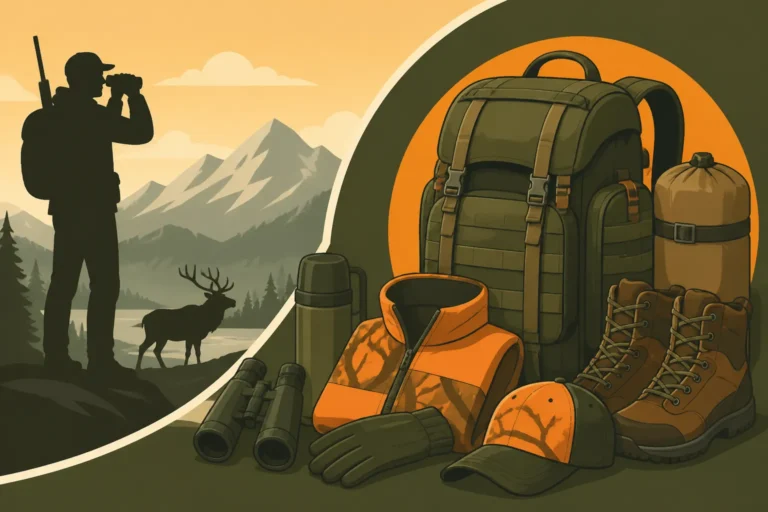
The right gear is an extension of your preparation and can make or break a mountain hunt. Every item must be carefully chosen for its weight, durability, and performance in harsh conditions.
- Boots: This is arguably your most critical piece of equipment. Invest in high-quality, stiff-soled, waterproof mountain hunting boots that are thoroughly broken in. Bring a backup pair if possible. Your feet will take a pounding.
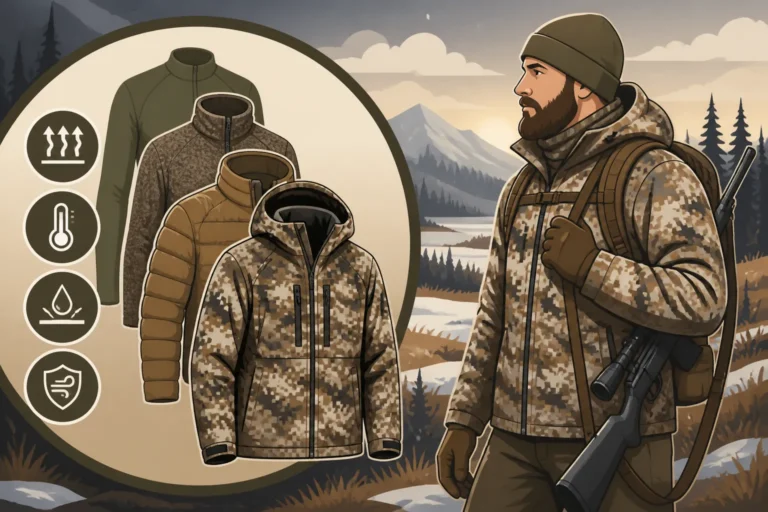
- Layered Clothing: The mountains demand adaptability. Base layers (merino wool or synthetics), mid-layers (fleece or puff jacket), and a bomb-proof outer shell (waterproof and windproof) are essential. Temperatures can swing wildly from below freezing to mild, sometimes within hours.
- Optics: Top-tier binoculars (10×42 or 12×50) and a spotting scope (20-60x) on a sturdy tripod are non-negotiable. You will spend countless hours glassing. A rangefinder is also crucial.
- Rifle/Bow: A reliable, accurate rifle chambered in a cartridge suitable for mountain hunting (e.g., .270 Win, 7mm Rem Mag, .300 Win Mag) with premium bullets. Practice shooting from various positions, including prone and off a backpack, and be confident out to 400+ yards. Bowhunters face an even greater challenge and need impeccable form and longer-range practice.
- Pack: A comfortable, durable backpack (internal frame, 4000-6000 cubic inches) that can handle heavy loads is essential.
Don't forget essentials like a headlamp, GPS or satellite communication device (Garmin InReach, Zoleo), water filtration, first-aid kit, and high-energy snacks. Every ounce counts, but quality cannot be sacrificed.
Mental Toughness and Realistic Expectations
Beyond the physical, a bighorn hunt is an immense mental challenge. You will experience discomfort, fatigue, and frustration. Weather can turn in an instant, forcing you to hunker down for days. You might glass for days without seeing a legal ram, or put in a grueling stalk only for the sheep to disappear. Missed opportunities are part of the game. The mental fortitude to push through these moments, maintain a positive attitude, and trust your guide is as important as your physical conditioning.
It’s vital to go into this hunt with realistic expectations. Success rates on bighorn sheep hunts are never 100%, even with the best outfitters. There are simply too many variables: weather, sheep behavior, terrain, and the hunter's own performance under pressure. Focus on the experience – the incredible scenery, the camaraderie with your guide, the challenge of the mountains – rather than solely on the outcome. The journey itself is the true trophy.
Logistics for Non-Resident Hunters
For non-resident hunters, particularly those traveling from outside Canada, there are several additional logistical considerations beyond what a resident hunter might face. These involve specific legal requirements for firearms, carcass handling, and border crossings.
Travel and Border Crossing Considerations
Bringing firearms into Canada as a non-resident requires adherence to strict regulations. You cannot just show up at the border with your rifle. You must declare your firearms and complete a Non-Resident Firearm Declaration Form (CAFC 909) in triplicate upon arrival at your first point of entry into Canada. There is a fee associated with this declaration, which acts as a temporary firearm registration. The declaration is valid for 60 days. You must present the unconfirmed declaration to a Canada Border Services Agency (CBSA) officer when you arrive. They will confirm it, and this confirmed copy becomes your temporary license.
Ensure your firearm meets Canadian legal requirements (e.g., no prohibited firearms). Prohibited firearms include most handguns and certain semi-automatic rifles. The rifle you use for big game hunting should typically be a non-restricted firearm. Ammunition is also regulated; you cannot bring in more than 200 rounds of ammunition per firearm, and it must be stored properly. It’s also important to note that many outfitters offer rifle rentals, which can simplify border crossing logistics, but then you must also adjust to a new rifle. Familiarizing yourself with Flying to Alberta With a Rifle and understanding the process of Declaring a Firearm When You Cross is essential.
Trophy and Meat Handling Post-Harvest
Should you be fortunate enough to harvest a bighorn ram, the logistical work isn't over. Alberta has mandatory CWD (Chronic Wasting Disease) testing requirements for deer, elk, and moose in specific WMUs. While bighorn sheep are not typically subject to the same mandatory CWD submission, it's always wise to discuss this with your outfitter and consider voluntary testing, especially if you plan to consume the meat. Your outfitter will handle the initial field dressing, caping, and quartering of the animal.
Transporting your trophy (cape and horns) and meat home involves several steps. The cape will need to be properly salted and preserved for taxidermy, and the skull plate with horns will need to be cleaned and potentially crated. Reputable outfitters often have relationships with local butchers and taxidermists who can assist with these services. Shipping these items internationally requires appropriate permits and documentation from Canadian wildlife authorities and the U.S. Fish and Wildlife Service (or equivalent for other countries), ensuring legal import into your home country. This can be a complex and costly process, often handled by a taxidermist or specialized shipper. Understanding the details of CWD Testing on an Outfitted Alberta Hunt and Taking a Cape Across the Border is crucial for ensuring a smooth post-hunt process.
Disclaimer
This article is for general informational purposes only and does not constitute professional advice. Laws, prices and regulations vary by location and change over time. Consult a qualified professional for guidance on your specific situation.