What a Guide Fee Actually Covers
When you start looking at guided hunt packages in Alberta, the price tag can sometimes feel like a punch to the gut. Many hunters new to booking a guided experience, or even those who've done it before, often wonder, "What exactly am I paying for?" It's not just the act of showing up and pulling a trigger; a guide fee covers a vast array of services, expertise, and infrastructure that ensures your trip is as safe, successful, and enjoyable as possible. This guide will meticulously break down the typical components of an Alberta guide fee, helping you understand the true value of your investment.
The Foundations: What Every Guide Fee Generally Includes
At its core, a guide fee in Alberta covers the essential elements needed to facilitate a hunting experience. Think of it as the bedrock upon which your adventure is built, encompassing the guide's time, their intimate knowledge of the area, and the logistical heavy lifting that most hunters don't even realize is happening behind the scenes.
Guide's Expertise and Time
This is arguably the most valuable, yet often overlooked, component of any guide fee. You're not just paying for someone to walk alongside you; you're investing in years, often decades, of hard-won experience.
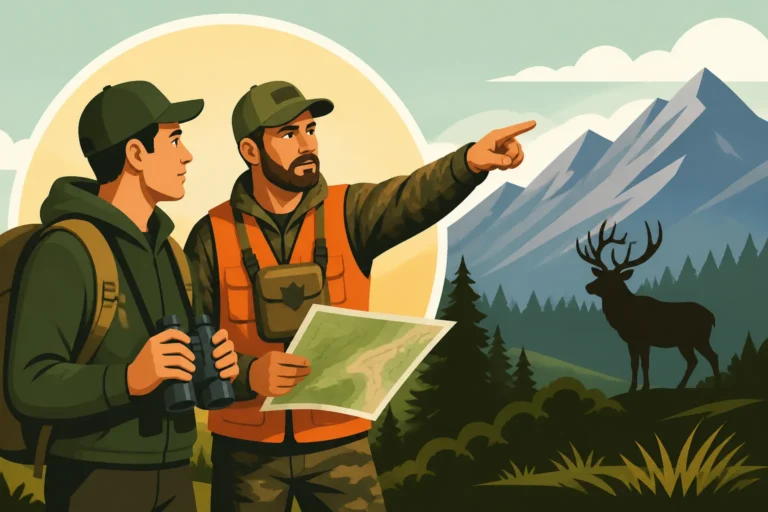
Guides spend countless hours scouting specific Wildlife Management Units (WMUs), tracking game movements, understanding local patterns, and adapting to changing conditions like weather or crop rotations. This isn't just a casual drive-by; it's boots-on-the-ground work, using tools like satellite imagery and glassing from vantage points to pinpoint where big game animals are frequenting. Imagine trying to locate a specific bull moose in Alberta's vast boreal forest or a trophy whitetail in its deep bush – that's a job requiring an intimate knowledge of the land, something a guide has cultivated through relentless effort. This pre-season work is crucial, ensuring they have fresh information on game concentrations, trail camera intel, and migration routes. They know the subtle signs of a mature animal, like deciphering rubs and scrapes that indicate a prime buck or a well-used trail that suggests heavy elk activity. This takes a dedicated individual, and their time is a valuable commodity.
Transportation and Field Logistics
Getting to and from prime hunting spots, especially in Alberta's diverse and sometimes challenging terrain, requires specialized vehicles and careful planning. Your guide fee typically includes the use of these vehicles, whether it's a reliable 4×4 truck navigating muddy lease roads, an ATV or side-by-side traversing old logging cutlines, or even horses for deep mountain access when hunting bighorn sheep. This isn't just about getting there; it's about getting there safely and efficiently.
Beyond transport, field logistics cover a range of necessities. This includes fuel costs, vehicle maintenance, and the constant readiness of recovery gear in case of a stuck vehicle, which is always a possibility in Alberta's backcountry. It also extends to ensuring you have a comfortable and functional base camp. For example, setting up a wall tent camp in the middle of a remote area, complete with cots, a wood stove, and cooking facilities, is a significant undertaking that your guide handles. This ensures you're not just surviving, but thriving in the field, allowing you to focus on the hunt itself. This level of preparedness allows for longer stays in prime areas, as discussed in What Outfitters Provide in Camp.
Essential Gear and Camp Infrastructure
Beyond just getting around, a guided hunt provides you with access to specialized equipment that would be expensive and impractical for most hunters to acquire for a single trip. This includes quality optics like spotting scopes and high-powered binoculars for glassing distant coulees for mule deer or open fields for geese. It also covers things like shooting sticks, game carts, or even specialized hauling equipment to get an animal out of rugged terrain.
Moreover, the entire camp infrastructure, whether it's a comfortable lodge or a remote spike camp, is part of what you're paying for. This includes everything from the tents and sleeping arrangements to cooking equipment, potable water, and sanitation facilities. A good camp provides a warm, dry place to rest after a long day, hearty meals to fuel your efforts, and a central hub for planning and camaraderie. When you're out Hunting Alberta Winter Weather Safely, having a reliable and warm camp can make or break the experience.
Beyond the Basics: Hidden Value and Variable Costs
Many aspects of a guided hunt aren't immediately visible but are absolutely critical to its success and your overall experience. These are the "hidden" values and variable costs that ensure the wheels keep turning smoothly, often involving a team of people and meticulous planning.
Food, Lodging, and Hospitality
A significant portion of your guide fee goes towards ensuring you are well-fed and comfortably housed throughout your hunt. This isn't just basic sustenance; many outfitters pride themselves on providing delicious, home-cooked meals that are a highlight of the trip. From a hot breakfast before dawn to a hearty dinner recounting the day's adventures, the quality of the food can greatly impact morale and energy levels.
Lodging can range from rustic but cozy wall tents deep in the bush to comfortable cabins or even dedicated hunting lodges with modern amenities. The cost reflects the level of comfort and services provided. Beyond the physical provisions, you're also paying for the hospitality of the entire camp staff – cooks, camp jacks, and support personnel who ensure everything runs smoothly, leaving you free to focus on the hunt. This support system frees you from the daily chores of camp life, allowing you to truly immerse yourself in the wilderness. What Camp Food Is Usually Like often describes this aspect in detail.
Pre-Season Scouting and Land Access
As mentioned earlier, scouting is paramount. Guides are constantly in the field, sometimes year-round, monitoring game populations, identifying new hotspots, and staying abreast of changes in animal behaviour. This isn't just a few days before the season; it's an ongoing investment in time, fuel, and equipment. Think about the effort involved in scouting for Spot-and-Stalk Mule Deer in Alberta across vast tracts of prairie or locating a prime Hunting a Cutline Intersection for Whitetails deep in the boreal forest.
Furthermore, securing access to quality hunting land, especially private land, is a major undertaking. This often involves building relationships with landowners, negotiating access agreements, and sometimes even paying lease fees. Your guide fee directly contributes to these costs, giving you legal and ethical access to prime hunting grounds that might otherwise be unavailable to public hunters. Outfitters often have long-standing relationships with farmers and ranchers, which is invaluable. Companies like BookYourHunt often feature outfitters who have these exclusive access agreements, making it easier for hunters to find a reputable operation.
Licensing, Allocations, and Administrative Overhead
While your personal hunting licence and tags are usually a separate expense, the outfitter's operating costs related to permits, licences, and allocations are built into the fee. Outfitters in Alberta operate under specific allocations for various game species, meaning they are granted a certain number of tags for non-resident hunters. Managing these allocations, adhering to provincial regulations, and handling all the necessary paperwork requires significant administrative effort.
This administrative overhead also includes insurance, marketing, website maintenance, and other business expenses that are essential for any legitimate operation. When you are vetting an outfitter, it's wise to ensure they are properly licensed and insured, which adds to their operating costs but provides peace of mind for you. Checking Whether an Alberta Outfitter Is Licensed is a critical step in this process. This also applies to securing specific permits if operating in areas like Public Land Use Zones.
What's NOT Usually Included in a Guide Fee
Understanding what is included is only half the battle; it's equally important to be clear on what is typically not part of your guide fee. These are often personal expenses that vary greatly from hunter to hunter and are generally your responsibility.
Hunting Licences and Tags
This is probably the most common misunderstanding. While the guide facilitates your hunt, you are responsible for purchasing your own Alberta hunting licence, Wildlife Certificate, and any species-specific tags (e.g., deer, moose, bear). These are purchased directly from the province and are separate from the outfitter's fee. The cost of these can vary depending on your residency status (resident, non-resident Canadian, non-resident alien) and the species you plan to hunt. For more details, see Alberta Hunting Licences and What They Cost.
Travel to and From the Hunting Area
Your journey to the outfitter's rendezvous point or main lodge is typically your responsibility. This includes airfare, mileage for personal vehicles, rental cars, and any associated fuel costs. If you're flying into Alberta, you'll also need to consider the process for Flying to Alberta With a Rifle and declaring your firearms at the border. Some outfitters might offer airport pickup services, but this is usually an additional, pre-arranged charge.
Meat Processing and Taxidermy
Once you've harvested an animal, the field dressing and quartering are usually handled by the guide as part of the service. However, the subsequent processing of the meat into table-ready cuts and any taxidermy work for trophies are almost always extra.
You'll need to arrange for a butcher (often the outfitter can recommend local options) and cover those costs. Similarly, if you want to preserve your animal's antlers or hide, you'll engage a taxidermist directly. This can include caping the animal properly in the field for a shoulder mount, which the guide will assist with, but the actual taxidermy service and shipping of your trophy home will be additional expenses. Many hunters overlook these costs when planning their budget. Detailed information can be found in Meat Processing After the Hunt and Alberta Taxidermists and Their Wait Times.
Gratuities for Guides and Staff
It's customary in the hunting industry, as in many service industries, to tip your guide and any supporting camp staff (cooks, camp helpers). This is a direct acknowledgement of their hard work, dedication, and service. While entirely discretionary, a thoughtful gratuity is a significant part of their income and shows your appreciation for a successful and enjoyable trip. There's no hard and fast rule, but many outfitters will provide guidance on what is considered appropriate. For a deeper dive, check out How Much to Tip an Alberta Guide.
Personal Gear and Other Incidentals
Your personal hunting gear – clothing, boots, rifle or bow, ammunition, binoculars, rangefinder, and any personal snacks or drinks – are not included in the guide fee. You'll need to arrive prepared with all your own equipment, tailored to Alberta's hunting conditions. What to Wear on a Late Season Hunt can offer good advice here.
Other incidentals might include souvenirs, additional alcoholic beverages (beyond what might be provided in camp), or unexpected costs like prescription medications or personal emergency supplies. Always factor in a bit of wiggle room in your budget for these unforeseen expenses.
Understanding the Value of Your Investment
When you break down what an Alberta guide fee actually covers, it quickly becomes clear that you're investing in more than just a hunt; you're investing in a comprehensive, expertly managed outdoor experience. The cost reflects the sheer amount of work, knowledge, infrastructure, and personnel required to put you in a position to harvest an animal and ensure your safety and comfort throughout the trip.
| Category | Typically Included | Typically Not Included |
|---|---|---|
| Pre-Hunt | Guide's scouting time, land access fees (leases), administrative costs for outfitter permits | Your personal hunting licences, species tags, and WIN Card |
| During Hunt | Guide's expertise & direct guiding, use of outfitter's vehicles (trucks, ATVs), camp setup (tents, lodge, etc.), all meals & non-alcoholic beverages in camp, field dressing of game | Travel to and from Alberta, personal hunting gear (rifle, ammo, clothing), alcoholic beverages, CWD testing fees |
| Post-Hunt | Initial field preparation of harvested animal (quartering, caping assistance) | Professional meat processing, taxidermy services, shipping of meat/trophies, gratuities for guide/staff, hunt insurance |
| Logistical Support | Communication systems (satellite phones in remote areas), emergency preparedness, local knowledge & navigation expertise | Personal travel insurance, additional overnight lodging outside of the guided hunt period |
Choosing the right outfitter for your hunt is a crucial decision that can significantly impact your experience. Resources like BookYourHunt allow you to research various outfitters, read reviews, and get a clearer picture of what different packages entail. Similarly, for those who use planning tools like GoHunt for their unguided adventures, understanding what an outfitter provides can highlight the value they add by taking on all that preparation and logistical burden. Ask detailed questions about what is included versus what is extra when you are talking to potential outfitters. Be sure to check references and get everything in writing. This diligence will ensure there are no surprises and that you get the most value out of your hard-earned investment in an Alberta hunting adventure. For further questions to ask, consider Questions to Ask Before Booking.
Disclaimer
This article is for general informational purposes only and does not constitute professional advice. Laws, prices and regulations vary by location and change over time. Consult a qualified professional for guidance on your specific situation.