Alberta Taxidermists and Their Wait Times
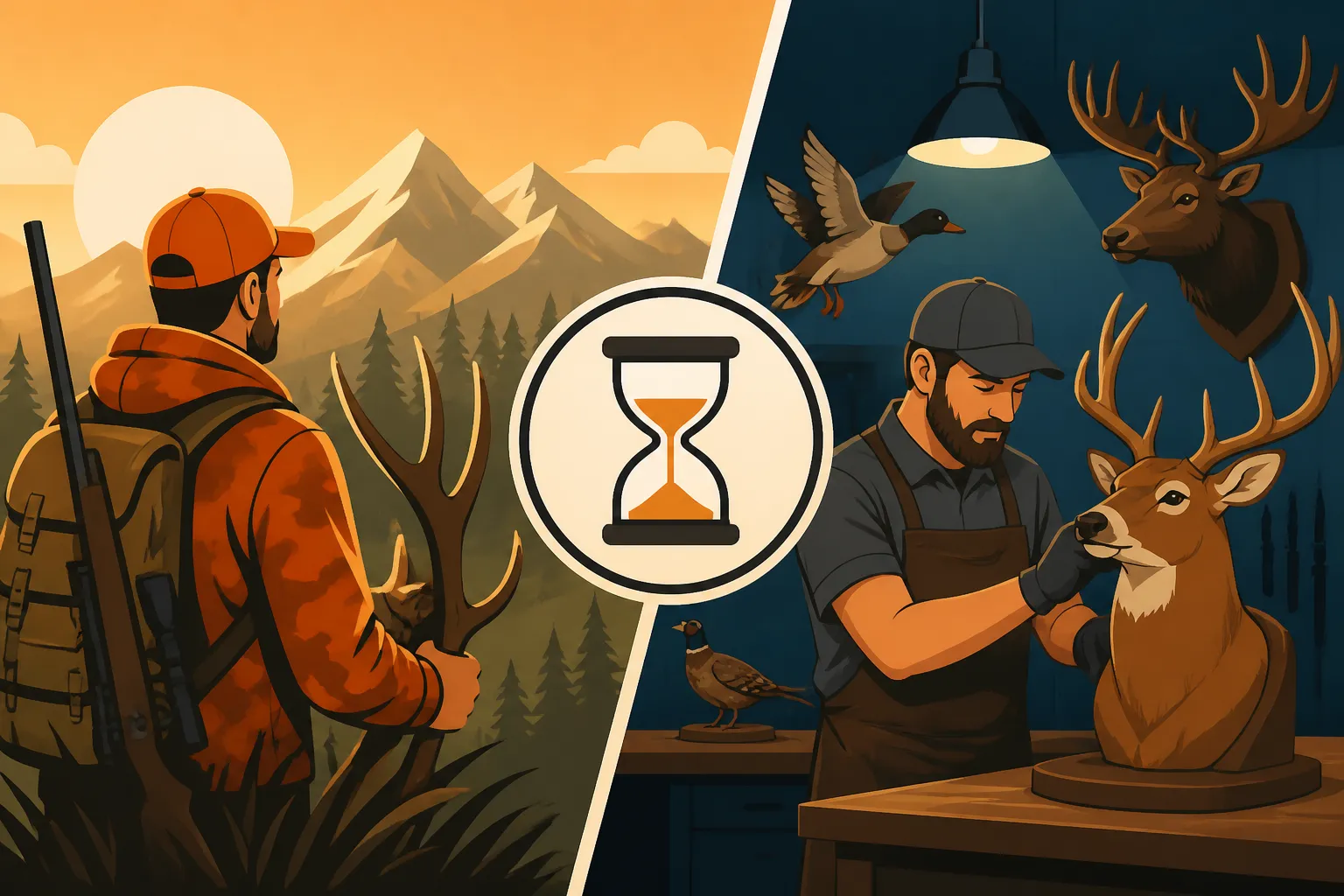
You've just wrapped up an incredible hunting season here in Alberta, and that long-awaited trophy buck, bull, or bear is finally on the ground. The adrenaline is still coursing through you, the memories are fresh, and now you're dreaming of that magnificent mount adorning your wall. But then reality sets in: getting that trophy preserved isn't an overnight process, and navigating the world of Alberta taxidermists and their often-lengthy wait times can feel like another hunt in itself. This guide is here to walk you through what to expect, how to prepare, and how to make the best of the journey from field to finished mount.
Understanding the Demand and Supply in Alberta Taxidermy
It's a bittersweet moment when you finally connect with that animal you've been pursuing. The hard work, the early mornings, the planning – it all culminates in that single, unforgettable experience. And naturally, you want to immortalize it. But the sheer volume of successful hunters in Alberta, combined with the dedication of skilled taxidermists, creates a unique situation when it comes to getting your trophy back in a timely manner.
Why Wait Times Are a Reality for Hunters
Alberta is a hunter's paradise, teeming with world-class big game like monster whitetails, magnificent mule deer, powerful moose, and majestic elk. Each season, thousands of hunters take to the fields, forests, and mountains, and many are fortunate enough to harvest an animal worthy of the taxidermist's artistry. Think about the sheer numbers: successful resident hunters, plus those non-residents who come here, often through reputable outfitters you might find listed on platforms like BookYourHunt, all wanting to preserve their memory. Every one of those successful hunts represents a potential piece for a taxidermist's backlog.
This creates an intense demand for high-quality taxidermy work. Hunters aren't just looking for any mount; they want a piece of art that truly reflects the animal and the experience. They want the eyes to look alive, the pose to capture the animal's essence, and the overall quality to stand the test of time. This pursuit of excellence means that the most sought-after taxidermists often have full schedules extending far into the future. It's not a reflection of inefficiency, but rather a testament to their skill and reputation within the hunting community. You're not alone in feeling a bit frustrated when you call around and hear those long lead times, but understanding the underlying reasons can help you set realistic expectations.
Factors Influencing a Taxidermist's Schedule
A taxidermist's schedule isn't just a simple queue. Several factors play into how long you might wait to get your finished mount back. First and foremost is the taxidermist's expertise and reputation. The artists renowned for lifelike poses, intricate detail, and durable finishes are naturally in higher demand. Their work often speaks for itself, attracting hunters willing to wait longer for that exceptional quality. You'll often hear their names whispered around camp or see their work proudly displayed in hunting lodges.
The volume of work they take on also plays a huge role. Some taxidermists run large operations with multiple staff, allowing them to handle more projects simultaneously, while others prefer a smaller, more personalized approach. Then there's the seasonality of hunting. The busiest times for taxidermists typically follow the fall big game seasons. Imagine the influx of capes and antlers arriving after the general deer, moose, and elk seasons close. That post-rut rush, especially for species like whitetails in November, means a mountain of work piling up all at once. Spring bear season also brings its own wave of projects. A taxidermist might dedicate certain periods to tanning, others to sculpting, and still others to finishing. Complex projects, like a full mount compared to a shoulder mount, also demand significantly more time and space in the workshop, pushing out other projects.
Navigating the Taxidermy Process and Managing Expectations
Once you've made the decision to get a mount, the real work (for you, anyway) begins with proper field care. This is where you can truly impact the final quality and, in some cases, even the timeliness of your project. Beyond that, understanding the steps involved and communicating effectively with your chosen artist will smooth the journey significantly.
The Initial Steps After a Successful Hunt
The moment you decide to preserve your trophy, proper field care becomes paramount. This isn't just about getting the meat out quickly; it's about safeguarding the hide and antlers from damage. A poorly caped or improperly handled hide can add significant time (and cost) for the taxidermist to repair, or worse, make it unusable. Learning how to properly cape an animal for a shoulder mount or a full body mount is an invaluable skill. If you're unsure, ask your outfitter or an experienced hunting buddy for guidance. Often, a guide will assist with this, especially if you're on a guided hunt. They know that a good cape is essential for a great mount. This attention to detail extends to other aspects, such as quick cooling and proper freezing of the cape. Just like with Getting Meat Processed After the Hunt, swift and correct handling prevents spoilage.
Once the animal is down and caped, the next crucial step is finding a reputable taxidermist. Ideally, you've done some research before the season, or even before booking your hunt. Many hunters, especially those using resources like GoHunt for planning, will scope out local services in the areas they plan to hunt. Ask for recommendations from fellow hunters, guides, or local sporting goods stores. Look at their portfolios – not just photos, but actual finished mounts if possible. When you contact them, be prepared for an initial consultation where you'll discuss the type of mount you want, the pose, and, of course, the potential wait times and deposit requirements. Most taxidermists require a non-refundable deposit to secure your spot in their queue, often a percentage of the total cost. This is standard practice and ensures serious commitment from both sides.
What Happens During the Taxidermy Journey
The journey your trophy takes from raw hide to finished art is a meticulous, multi-stage process, each step demanding skill and time. It's not unlike a fine art restoration, where patience is key.
- Preparation and Tanning: This is often the longest individual stage. The raw hide must be fleshed (all meat and fat removed), salted, and then sent off to a professional tannery. Tanning is a complex chemical process that preserves the hide, making it pliable and durable. While some taxidermists do their own tanning, many send hides to specialized tanneries, which themselves can have several months of backlog. This stage alone can easily account for a significant portion of the overall wait time.
- Sculpting and Form Selection: Once the hide returns from the tannery, the taxidermist selects or modifies a form (a mannequin-like body) to match the dimensions of your animal and the desired pose. Sometimes custom sculpting is required for unique poses or if the animal's measurements don't fit standard forms.
- Mounting: This is where the preserved hide is meticulously fitted and glued onto the form, shaping the muscles, wrinkles, and features to create a lifelike appearance. Ears, eyes, and other details are added during this stage.
- Drying and Finishing: After mounting, the piece needs to dry thoroughly, which can take weeks or even months depending on humidity and mount size. During this time, the taxidermist will often make adjustments, paint natural colours around the eyes, nose, and mouth, and add any habitat elements like artificial rock or foliage.
- Final Inspection: The last step is a thorough inspection to ensure everything is perfect before it's ready for you to pick up.
Throughout this process, communication with your taxidermist is vital. Don't expect daily updates, but a reputable taxidermist should be able to give you a realistic timeline and occasional updates if there are significant milestones or delays. It's a relationship built on trust and mutual respect for the craft.
Typical Wait Time Ranges for Various Mounts
Understanding the expected wait times for different types of mounts can help manage your anticipation. Keep in mind, these are general estimates and can vary wildly depending on the specific taxidermist and time of year.
It's common to wait anywhere from a good chunk of a year to over a year for a standard shoulder mount of a deer or bear. More intricate work, such as a large moose or elk shoulder mount, might push that out further, perhaps eighteen months to two years. For full-body mounts, especially of larger animals or complex scenes with multiple animals, the wait can easily stretch into two, three, or even more years. There's just so much more work involved, from custom form creation to more extensive tanning and finishing details. European mounts, which only involve cleaning the skull, are often the quickest turnaround, sometimes just a few weeks or months, as they bypass the complex hide preservation and mounting process entirely. This is why many hunters consider Getting a European Mount Done as a great alternative or complement.
Here's a general idea of how different projects compare in terms of factors influencing their timeline:
| Mount Type | Complexity Factor | Tanning Time Factor | Finishing Detail Factor | Space & Drying Factor | Typical Wait Factor (Relative) |
|---|---|---|---|---|---|
| European Mount | Low | None | Minimal | Low | Low (Weeks to Months) |
| Shoulder Mount | Medium | Medium | Medium | Medium | Medium (Many Months to 1.5 Yrs) |
| Half Body Mount | High | High | High | High | High (1.5 to 2+ Years) |
| Full Body Mount | Very High | Very High | Very High | Very High | Very High (2 to 3+ Years) |
| Habitat Scene | Adds Complexity | N/A | Adds Detail | Adds Space | Significantly Longer |
It's worth noting that these are "wait factors" rather than precise timelines, as actual duration will vary. The best thing you can do is have an open and honest conversation with your chosen taxidermist about their specific backlog and expected turnaround for your project.
Strategies for Working with Alberta Taxidermists and Reducing Stress
Given the time and financial investment in a quality taxidermy piece, it makes sense to approach the process strategically. You want to ensure your memories are preserved exactly as you envision them, without unnecessary stress or disappointment.
Choosing the Right Taxidermist for Your Trophy
This is arguably the most critical decision. Reputation and portfolio should be your top priorities. Don't just pick the first name you see; ask around. Talk to successful hunters at your local club or through online forums. Look for taxidermists who specialize in the species you've harvested. For example, a taxidermist renowned for birds might not be the best choice for a big game shoulder mount. Many outfitters, especially those you might find listed on platforms like BookYourHunt or GoHunt, have preferred taxidermists they recommend because they consistently produce high-quality work and handle client trophies with care. When you're considering Choosing the Right Alberta Outfitter, inquire about their taxidermy connections.
When reviewing a portfolio, pay close attention to the details: the eyes, nose, and mouth of the animal. Are they lifelike? Does the overall pose capture the animal's natural essence? What about the hide seams – are they clean and unnoticeable? If possible, visit their shop. This gives you a chance to see their workflow, the condition of their workshop, and finished pieces in person. It also allows for a face-to-face conversation, which is invaluable. Discuss their process, ask about their experience, and get a clear understanding of their pricing and payment structure. Don't be afraid to ask for references from previous clients. A confident and reputable taxidermist will be happy to provide them.
Communication is Key: Before, During, and After
Once you've selected your taxidermist, maintaining clear and realistic communication is paramount. Set expectations upfront regarding timelines and how updates will be handled. Understand that they are artists with many projects on the go, and constant nagging won't speed up the process. However, you should feel comfortable reaching out for a periodic check-in, perhaps every few months, to see how things are progressing. A good taxidermist will appreciate your patience and provide honest updates.
It’s also important to understand the payment schedule. Beyond the initial deposit, there might be progress payments due at certain stages (e.g., when tanning is complete) or a final payment upon completion. Make sure you're clear on these terms to avoid any surprises. Remember that your taxidermist is passionate about their work, and mutual respect goes a long way. They want to deliver a piece you'll cherish, and clear communication helps them achieve that. If you're coordinating with an outfitter, they often bridge this communication gap, especially when discussing details like what an Alberta guided hunt includes, which might cover initial handling for taxidermy.
Practical Tips for a Smoother Taxidermy Experience
Beyond choosing the right person and communicating well, there are practical steps you can take to make the entire process smoother for yourself and your taxidermist.
- Impeccable Field Care: We mentioned it before, but it bears repeating: proper field care is your best friend. The cleaner and better preserved your cape is, the less remedial work your taxidermist has to do. This can sometimes shave time off the total project. Ensure the cape is thoroughly cooled and frozen solid, especially if it will be stored for any length of time before drop-off. Double-bagging it in heavy-duty garbage bags helps prevent freezer burn and cross-contamination. This principle applies to all aspects of game care, from Rules on Wasting Game Meat to ensuring your trophy is in prime condition.
- Be Patient: This is perhaps the hardest tip for eager hunters. Quality taxidermy is an art form, not a fast food service. Rushing an artist rarely results in their best work. Understand that the process takes time, and the wait is almost always worth it for a truly spectacular piece. If you've just come off a successful hunting trip in Alberta, relish the memories, plan your next adventure, and know your trophy is in good hands.
- Plan for Pickup/Shipping: Consider how you'll get your finished mount home. If you're local, pickup is easy. If you're an out-of-province or international hunter, discuss shipping options with your taxidermist upfront. They often have experience crating and shipping mounts, and can advise on logistics, costs, and any necessary paperwork, especially for things like Taking a Cape Across the Border or shipping antlers home from Alberta. Knowing these details in advance prevents last-minute headaches.
- Keep Records: Keep copies of your deposit receipts, communication with the taxidermist, and any specific requests you made. This documentation can be helpful if any questions arise later.
Looking Ahead: The Value of a Well-Preserved Trophy
The journey from a successful hunt to a finished taxidermy mount is a marathon, not a sprint. It requires patience, careful planning, and a deep appreciation for the artistry involved. But when that moment finally arrives, and you see your trophy unveiled, it’s truly something special.
Why the Wait is Worth It in the End
Despite the frustrations of long wait times, there's an undeniable truth: the wait is almost always worth it. A high-quality taxidermy mount isn't just a decoration; it's a tangible link to a cherished memory. It brings that hunt back to life, reminding you of the challenge, the beauty of the animal, and the awe of nature. The artistry involved in transforming a raw hide into a lifelike representation is immense. Each subtle detail, from the turn of the head to the gleam in the eyes, is crafted to evoke the living animal.
This isn't just about showing off; it's about honoring the animal and the experience. Every time you look at that mount, you'll be transported back to that moment in the field, whether it was Hunting Alberta's November Whitetail Rut or pursuing a bull in the foothills. That emotional connection and the long-term satisfaction of owning a piece of art that truly captures your memory far outweigh the temporary inconvenience of the wait. It becomes a legacy, a story passed down through generations.
Alternative Options While You Wait (or Instead)
If the thought of waiting years for a mount is daunting, or if you simply prefer other ways to commemorate your hunt, there are fantastic alternatives. These can serve as placeholders while you wait for a larger mount, or as standalone tributes themselves.
One popular and often quicker option is a European mount. This involves cleaning the skull down to the bone, leaving a stark, natural, and often incredibly striking display. Many hunters find these to be a minimalist yet powerful way to remember their animal, and they typically have a much shorter turnaround time. You can learn more about this in our guide on Getting a European Mount Done.
Another approach is to simply preserve the antlers or horns on a plaque. This can be a straightforward DIY project or something a local craftsman can put together relatively quickly. For species like bears, a rug can be a fantastic way to preserve the memory, offering a tactile piece that’s both decorative and functional.
Beyond physical mounts, don't underestimate the power of photos and journals. High-quality photographs of your animal in the field can capture the moment perhaps even better than a mount. Keeping a detailed hunting journal, chronicling the weather, the stalks, the challenges, and the emotions, creates a rich personal history that you can revisit anytime. These non-physical mementos can bridge the gap while you wait for your taxidermy, or provide a complete record if you choose not to go the taxidermy route at all. Ultimately, the goal is to honour the animal and the hunt in a way that resonates most deeply with you.
Disclaimer
This article is for general informational purposes only and does not constitute professional advice. Laws, prices and regulations vary by location and change over time. Consult a qualified professional for guidance on your specific situation.