Booking an Alberta Mule Deer Hunt
For many hunters, the dream of a big mule deer buck on the wide-open prairie or in the rugged badlands of Alberta is a powerful pull. But actually turning that dream into a tangible plan can feel like navigating a dense, bewildering forest of regulations, outfitters, and unknown costs. This guide is here to cut through the confusion, offering a realistic, in-depth look at what it truly takes to successfully book and prepare for an incredible mule deer hunt in Alberta.
Understanding Alberta's Mule Deer Hunting Landscape
Alberta's vast and varied landscapes offer some truly exceptional mule deer hunting opportunities, but understanding where these magnificent animals thrive and how the seasons are structured is the critical first step. It's not just about pointing a finger on a map; it's about knowing the lay of the land and the nuances of the regulations.
Where Alberta's Mule Deer Thrive
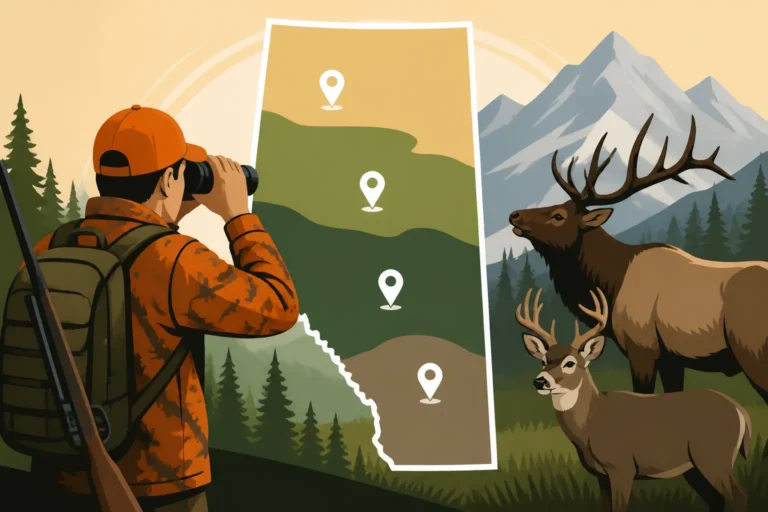
When you think of mule deer in Alberta, your mind might jump straight to the wide-open prairies of the south, and for good reason. The southeastern corner of the province, with its intricate coulee systems, badlands breaks, and scattered agricultural fields, is classic mule deer country. These areas provide the perfect blend of cover, browse, and open visibility that mule deer prefer. You'll find them using the folds of the land to travel, bed, and escape pressure, often disappearing into what seems like impossibly sparse cover. The habitat here truly shapes the hunting style, often favoring spot-and-stalk tactics.
However, mule deer aren't exclusively prairie dwellers. They also extend into the parkland zones, which are a mix of aspen bluffs, brush, and cultivated land, and even into the foothills where the plains meet the mountains. In these areas, their habitat might include more timbered creek bottoms, willow thickets, and even clearcuts in higher elevations. Understanding these regional differences is crucial, as the type of terrain dictates not only where you'll find them but also the hunting methods that will be most effective. A big buck in the Cypress Hills will hold and move differently than one in a flatland stubble field. For more on specific areas, you might want to read Mule Deer Hunting Alberta's Prairie and Badlands.
General vs. Draw-Only Seasons for Mule Deer
Alberta utilizes a two-tiered system for most big game species, and mule deer are no exception: General Seasons and Special Licence Draws. The general season for mule deer typically offers resident hunters the opportunity to purchase an over-the-counter tag for antlered mule deer in certain Wildlife Management Units (WMUs). This is often where many resident hunters cut their teeth, offering a chance to get out in the field without the lottery-like uncertainty of a draw. However, even within general seasons, there can be specific antler point restrictions, like the popular three-point rule, which means a buck must have at least three points on one side, excluding the brow tine.
Special Licence Draws, on the other hand, are where things get competitive, especially for the truly coveted tags for antlered mule deer in high-quality WMUs, or for antlerless tags designed for population control. These draws are points-based, meaning the more unsuccessful years you accumulate, the higher your priority and the better your chance of drawing a tag. Non-resident hunters, including non-resident aliens, are usually restricted to hunting mule deer through these draw-only allocations, often requiring the services of an outfitter who holds specific permits. This system is designed to manage harvest pressure and provide opportunities across different hunter groups.
The critical distinction here is planning. A general season hunt can be decided upon closer to the season, while a draw hunt requires forward-thinking, often spanning years to build up enough priority to be successful. You'll need to research draw odds, which WMUs historically require how many points, and decide if you're willing to invest the time in the draw system for a chance at a premium area or a specific type of tag.
The Role of Outfitters and Hunter Hosts for Non-Residents
If you're not an Alberta resident, the path to hunting mule deer looks quite different. For non-resident Canadian hunters (from other provinces), you generally have similar opportunities to Alberta residents, but you cannot enter the special licence draw as a party with an Alberta resident. For non-resident alien hunters (from outside Canada), the rules become even more stringent, essentially requiring you to utilize either a licensed Alberta outfitter or a designated Hunter Host.
An outfitter provides a full-service experience, handling everything from guiding, camp logistics, food, and often the allocation of a special licence draw tag. They possess specific "outfitter allocations" for certain species and WMUs, which are essentially pre-allocated draw tags they can offer to their clients. This is often the most straightforward way for an international hunter to secure a mule deer tag and a guided experience. For a deeper dive into why this is mandatory, explore Why Non-Residents Need a Guide in Alberta.
Alternatively, a Hunter Host is an Alberta resident who is qualified and willing to host a non-resident hunter. This option allows for a more independent hunting experience, relying on the host's local knowledge and hospitality, but the non-resident still needs to apply for licences and tags, often through the special draw system (with limitations on the species and areas available). The host cannot charge for their services, which makes finding one challenging if you don't already have deep connections in Alberta. Most international hunters seeking mule deer, especially trophy-class animals, will find an outfitter to be the most viable and efficient route to fulfilling their hunting ambitions in Alberta.
Navigating the Alberta Licensing and Draw System
Before you can even think about glassing a coulee for that trophy mule deer, you need to understand the nuts and bolts of Alberta's licensing and draw system. It's not overly complicated once you break it down, but missing a step or a deadline can derail your entire hunting season before it even begins.
The Alberta WIN Card and Wildlife Certificate
Every hunter in Alberta, resident or non-resident, must first acquire a Wildlife Identification Number (WIN) card. Think of it as your unique hunter ID within the provincial system. It's a foundational requirement that links all your hunting licences, draw applications, and harvest reports. Without an active WIN card, you simply cannot proceed with purchasing any hunting documents or applying for draws. Renewing it online is quite straightforward, but make sure it's valid well before you plan to buy any licences or apply for draws.
Once you have your WIN card, the next essential is the Wildlife Certificate. This is a mandatory purchase that essentially gives you the privilege to hunt in Alberta for the licensing year. It covers the administrative costs associated with wildlife management and conservation efforts in the province. Both the WIN card and the Wildlife Certificate are prerequisites for purchasing any actual big game or game bird licences, whether general or special draw. Consider them your entry ticket to the system. For more details on what these cover, check out Alberta's WIN Card and Wildlife Certificate.
Special Licence Draws for Mule Deer
As mentioned, many of the most sought-after mule deer hunting opportunities, particularly for prime antlered tags or for non-residents, are allocated through Alberta's Special Licence Draws. This is a lottery system where hunters apply for specific WMUs and species. The key factor here is the "priority points" system. If you are unsuccessful in drawing your chosen tag in a given year, you accumulate a priority point for that species. The more points you have, the higher your chance of drawing in subsequent years. This system rewards persistence.
For mule deer, specific WMUs are designated as draw-only, or may have draw-only periods or specific antler restrictions. It's vital to research the draw odds for the WMU you're interested in, as some popular areas require many years of accumulated points. Non-resident alien hunters typically access these special licences through an outfitter, who holds specific allocations from the province. The outfitter essentially enters the draw on behalf of their client, using their outfitter allocation to secure the tag. This process can be complex, and understanding How Alberta's Draw Application Works is crucial for any hunter considering this route. Plan well in advance, as draw application periods have strict deadlines, usually in early summer.
General Licences and Three-Point Rules
While many prime mule deer opportunities are draw-only, Alberta does offer general season licences for antlered mule deer in a good number of WMUs, primarily for resident hunters. These are over-the-counter tags that you can purchase without going through the draw system, often closer to the actual hunting season. However, it's crucial to pay close attention to the specific regulations for each WMU where a general tag is valid.
A common regulation for general season mule deer is the "three-point rule," meaning the buck must have at least three points on one antler, not including the brow tine, to be legally harvested. This rule is in place to protect younger bucks and allow them to mature, contributing to better age class distribution and trophy potential in the herd. Hunters need to be confident in their ability to accurately field judge an animal before taking a shot, especially under varying light and distance conditions. Misidentifying an animal can lead to significant penalties. Always consult the most current Alberta Hunting Regulations to confirm specific dates, WMU boundaries, and antler point restrictions before heading into the field. This also applies to understanding Hunting Alberta's Three-Point Mule Deer Rules.
Why Consider an Outfitter for Your Mule Deer Hunt
For many hunters, especially non-residents or those new to Alberta, hiring an outfitter for a mule deer hunt isn't just a luxury; it's often a necessity and a significant advantage. The experience and infrastructure an experienced outfitter provides can dramatically increase your chances of success and make for a far more enjoyable, less stressful trip.
Expertise and Local Knowledge
One of the most valuable assets an Alberta mule deer outfitter brings to the table is their profound local knowledge. They live, breathe, and hunt in these areas year-round, season after season. They know the migration patterns, the bedding areas, the preferred feeding grounds, and the specific haunts of mature bucks in their allocated WMUs. This isn't knowledge you can gain from a few days of scouting or by simply looking at a satellite map (though tools like GoHunt can certainly help with initial research). Outfitters understand how weather patterns, agricultural cycles, and hunting pressure affect deer movement in real-time.
They can often read the landscape in ways a visiting hunter simply can't, identifying subtle mule deer sign, predicting travel routes, and knowing precisely where to set up for an ambush or begin a spot-and-stalk approach. This depth of understanding extends to the animals themselves – they are often experts at aging mule deer, judging antler size at a distance, and understanding the specific nuances of a "three-point or better" rule, which can be critical in Alberta's general seasons. Their guides are often seasoned hunters themselves, deeply familiar with the terrain and the habits of the local deer population, giving you a distinct edge in a challenging pursuit.
Logistics and Camp Life
Planning a hunting trip to a new, vast area like Alberta involves a dizzying array of logistics. Where will you stay? How will you get to the hunting grounds? What about food, water, and keeping your gear dry and organized? An outfitter takes all of this off your plate. They typically provide comfortable lodging, whether that's a remote wall tent camp, a cozy lodge, or even a local motel with prepared meals. They handle transportation to and from hunting areas, often using specialized vehicles like quads, side-by-sides, or trucks built for rugged terrain.
Beyond the basics, they manage the entire "camp life" experience. This includes meal preparation, ensuring you have enough fuel and water, setting up blinds or stands if appropriate, and having contingency plans for unexpected weather or vehicle issues. For many hunters, the opportunity to simply show up, focus on the hunt, and enjoy the camaraderie without the stress of daily logistics is a huge draw. It allows you to conserve energy, stay rested, and dedicate your mental focus entirely to the hunt, maximizing your enjoyment and potential for success.
Access to Prime Hunting Ground
Perhaps one of the most compelling reasons to use an outfitter, especially for non-resident alien hunters, is access. As previously mentioned, many of the most desirable mule deer tags are allocated through draws, and outfitters are granted specific allocations for certain species and WMUs. This means they effectively have "guaranteed" tags for their clients, bypassing the need for a non-resident to build up priority points over many years. This is a critical factor for international hunters who might not have the luxury of time to play the draw game.
Furthermore, many outfitters have established relationships with private landowners, granting them exclusive or preferred access to prime hunting land that would otherwise be off-limits to the general public. While Alberta has a good amount of Crown land, securing access to quality private ground, often adjacent to prime bedding areas or feeding fields, can be a game-changer for mule deer hunting. These private lands typically experience less hunting pressure and can hold larger, more mature bucks. The outfitter’s ability to secure and manage these exclusive hunting areas often means access to higher quality animals and a better overall hunting experience than a self-guided trip on pressured public land. You can also explore Alberta's Recreational Access Regulation to understand more about land access rules.
Choosing the Right Outfitter for Your Mule Deer Hunt
Deciding to hunt with an outfitter is one thing; choosing the right one is quite another. It's a significant investment of time and money, and you want to ensure you're putting your trust in a reputable, professional operation that aligns with your hunting goals and expectations.
Researching and Vetting Potential Outfitters
The internet is your friend when starting your research, but it’s just the beginning. Begin by searching for Alberta mule deer outfitters, and you'll find numerous options. Websites like BookYourHunt can provide a platform to browse various outfitters, compare packages, and read reviews, acting as a great starting point. Don't stop there, though. Look for outfitters who specialize in mule deer or have a strong track record with the species you're targeting. Read testimonials on their websites, but also seek out independent reviews on forums, hunting groups, and social media.
Once you've narrowed down a few possibilities, the real vetting begins. First and foremost, ensure they are properly licensed and permitted by the Province of Alberta. A legitimate outfitter will be transparent about their credentials. Ask for references from past clients, and make sure you actually call those references. Ask them candid questions about their experience: was the camp as described? Was the guide knowledgeable and professional? What was the success rate, and more importantly, how was the overall experience, regardless of harvest? Understanding what Choosing the Right Alberta Outfitter entails will save you a lot of grief. Don't be shy about digging deep; this is your dream hunt.
Understanding Hunt Packages and What's Included
Outfitter hunt packages for mule deer can vary wildly, both in price and inclusions. It's absolutely critical to understand precisely what you're paying for. A typical package will include guiding services, accommodation (lodge, tent camp, etc.), meals, and transportation during the hunt itself. Many will also include field dressing and initial caping of your animal. However, there are many common exclusions that can significantly impact your total cost.
Key things to clarify:
- Licences and Tags: Are the actual mule deer licences and tags included in the price, or are they an additional cost you pay directly to the province? For non-residents, outfitters typically acquire the special licence allocation, but you might still pay the government fee for the tag itself.
- Travel to Camp: Are flights to Alberta, or travel from the airport to the outfitter's camp, included? Usually, these are separate.
- Meat Processing & Shipping: After the field dressing, what happens to your meat? Is it processed and packaged for you, or do you need to arrange and pay for that separately? What about shipping costs for meat and trophies home?
- Taxidermy: Is there any included taxidermy service, or is that entirely your responsibility?
- Gratuities: Tipping your guide and camp staff is customary in the hunting industry. What is the expected range or percentage? This can be a substantial hidden cost.
- Trophy Fees: Some outfitters charge additional fees if you harvest an animal above a certain size, or if you wound an animal that is not recovered. Make sure you understand these policies.
A detailed, written contract outlining all inclusions and exclusions is non-negotiable. This is where you clarify What an Alberta Guided Hunt Costs will truly be.
Questions to Ask Before You Book
Beyond the inclusions, there are deeper questions that will help you gauge the professionalism and suitability of an outfitter. These aren't just about avoiding problems, but about ensuring the hunt matches your expectations.
- Success Rates vs. Opportunity Rates: Don't just ask, "What's your success rate?" Ask, "What percentage of your mule deer hunters typically harvest a buck, and what percentage typically get a shot opportunity?" A high opportunity rate suggests good game numbers and skilled guiding, even if not every shot connects.
- Hunt Style: How do they typically hunt mule deer? Is it spot-and-stalk, still hunting, hunting from blinds, or a combination? Does this align with your preferred hunting style and physical capabilities? For example, Spot-and-Stalk Mule Deer in Alberta is a very common method in the open country.
- Guide-to-Hunter Ratio: What's the ratio? One-on-one guiding offers more personalized attention, but can be more expensive than two-on-one.
- Physical Demands: What are the physical demands of the hunt? Will you be covering many miles on foot in rugged terrain, or is it more vehicle-based with shorter walks? Be honest about your fitness level.
- Weapon Restrictions/Preferences: Do they have any preferences or restrictions on weapon types (rifle caliber, bow draw weight)?
- Camp Amenities: What are the specifics of the accommodations? Private rooms, shared rooms, hot showers, electricity, cell service?
- Emergency Procedures: What are their emergency protocols in case of injury or severe weather in the backcountry?
- Deposit and Cancellation: What is the deposit schedule, and what happens if you need to cancel, or if they need to cancel (e.g., due to wildfires or unforeseen circumstances)?
- Post-Hunt Logistics: How do they handle meat and trophy care from the field to a processor/taxidermist? Do they have preferred partners?
These questions will help paint a comprehensive picture of what to expect and ensure there are no surprises once you arrive in Alberta.
Planning Your Mule Deer Hunt Budget
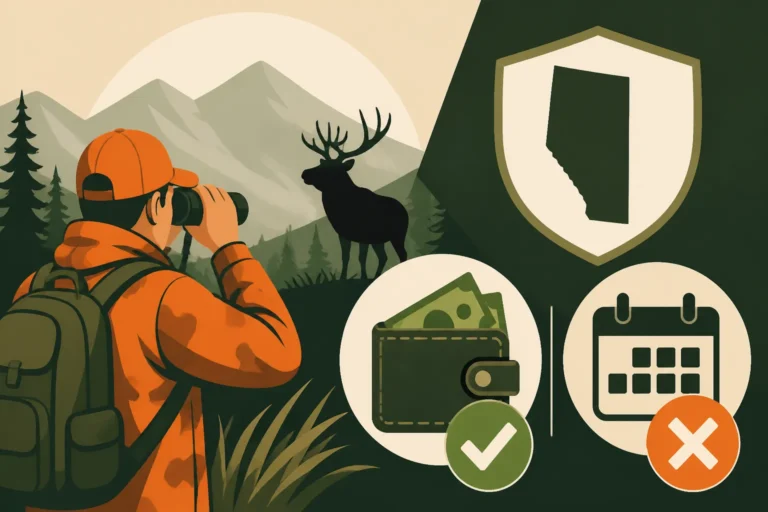
A guided mule deer hunt in Alberta is a significant financial undertaking. Beyond the headline price of the hunt package, there are numerous other costs that need to be factored into your budget. Being prepared for these expenses upfront will prevent unwelcome surprises down the road.
Breakdown of Typical Costs
When budgeting for your Alberta mule deer hunt, it's helpful to break down the expenses into categories.
- Outfitter Package Fee: This is the big one, the core cost of your guided hunt. As discussed, this covers guiding, lodging, meals, and in-field transportation. Depending on the outfitter, the duration of the hunt (e.g., 5-7 days), the type of accommodation (lodge vs. spike camp), and the trophy potential of the WMU, these fees can vary widely. For a rough idea, What an Alberta Guided Mule Deer Hunt Costs will give you a sense of the investment. Remember that one-on-one guided hunts are usually more expensive than two-on-one.
- Licences and Tags: You'll need an Alberta WIN card and a Wildlife Certificate. Then, for mule deer, you'll need the actual Special Licence tag, which an outfitter would typically provide access to through their allocation. Each of these has a cost, and while the outfitter might facilitate their purchase, they are usually a direct expense to the government.
- Travel Costs: This includes flights to Alberta (usually Calgary or Edmonton), airport transfers, or vehicle rental if you're driving. Factor in fuel costs if driving or making additional trips.
- Pre-Hunt Preparations: Ammunition, new gear, hunting clothes, optics, and potentially a new rifle or bow all add up. Don't forget practice time at the range.
- Gratuities/Tips: As a general rule, tipping your guide is customary and expected. This is usually a percentage of your hunt cost, typically ranging from 10-20%, but clarify with your outfitter. There may also be tips for camp staff like cooks or packers.
- Shipping & Processing: If you harvest a buck, you'll have costs for meat processing and potentially shipping the meat back home. Trophy preparation (caping, skull cleaning) and shipping the cape and antlers to your taxidermist will also incur costs.
Creating a detailed spreadsheet with all these potential expenses will give you a much clearer picture of the total investment required.
Hidden Costs and Unexpected Expenses
Even with meticulous planning, "hidden" costs or unexpected expenses can crop up. Being aware of these possibilities can help you build a buffer into your budget.
- Non-Refundable Deposits: Most outfitters require a substantial non-refundable deposit to secure your hunt. Understand their specific policies.
- Wounded Animal/Trophy Fees: Some outfitters have policies that if you wound an animal that is not recovered, it counts as a filled tag, or a "trophy fee" might still apply. Similarly, there may be additional fees for harvesting an exceptionally large trophy, or for incidental harvest of other species (e.g., coyote).
- Extra Days/Services: If you decide to stay an extra day, or require additional services not explicitly in your package, expect extra charges.
- Insurance: Travel insurance, especially cancellation insurance, is highly recommended. It can protect your investment if unforeseen circumstances (illness, family emergency, travel disruption) prevent you from going or force an early departure. Alberta Hunt Cancellation Insurance is a good thing to look into.
- Communication: Satellite phones or messengers are often essential in Alberta's backcountry where cell service is non-existent. There are costs associated with renting or purchasing these devices and their airtime.
- Emergencies: While rare, an in-field emergency could incur costs for specialized transport or medical care not covered by your standard travel insurance. Always check your personal medical insurance coverage for international travel.
- Souvenirs & Local Purchases: Don't forget about personal expenses for incidentals, snacks, or souvenirs you might pick up.
- Currency Exchange: For international hunters, fluctuating currency exchange rates can impact your final cost. Clarify with your outfitter how they handle payments and currency.
Payment Schedules, Deposits, and Cancellation Policies
Understanding the financial terms of your booking is paramount. Most outfitters require a significant non-refundable deposit upfront to reserve your spot, often 30-50% of the total hunt cost. This deposit secures your dates and allows the outfitter to plan their season. The remaining balance is typically due a set number of days or months before the hunt commences, though some might accept final payment upon arrival at camp.
Always ask for a written contract that explicitly details:
- The total hunt cost.
- The deposit amount and due date.
- The schedule for subsequent payments.
- What forms of payment are accepted (wire transfer, credit card, personal check, etc.).
- Their cancellation policy: What happens if you need to cancel? Is the deposit transferable to another year or person? Is there any refund if you cancel within a certain timeframe?
- Their policy if the outfitter needs to cancel (e.g., due to unforeseen circumstances like severe wildfires, land closures, or a personal emergency). Will you receive a full refund or an option to rebook?
These details can save you a world of heartache and financial loss. Reputable outfitters will have clear, fair policies, but it's your responsibility to read and understand every line before signing.
Preparing for Your Alberta Mule Deer Hunt
Once your hunt is booked, the real work (and excitement!) begins. Proper preparation, both physical and mental, is crucial for maximizing your enjoyment and success on an Alberta mule deer hunt. This is where you transform from hopeful applicant to ready hunter.
Physical Conditioning and Marksmanship
Mule deer hunting in Alberta, particularly in the badlands or foothills, can be physically demanding. While some hunts might be vehicle-based, many will involve significant walking, often over uneven, rugged terrain, up and down coulees, and potentially at higher elevations if you're in the western WMUs. You might be carrying a rifle, optics, a backpack, and eventually, game meat.
To prepare physically:
- Cardio: Start a regular cardio routine several months out. Hiking, jogging, cycling, or stair climbing are excellent ways to build endurance.
- Strength Training: Focus on leg and core strength. Squats, lunges, and deadlifts will mimic the demands of climbing and carrying weight.
- Hiking with Weight: Gradually increase the weight in a backpack during your hikes to simulate carrying your gear.
- Practice with Hunting Boots: Break in your hunting boots well in advance to avoid blisters and discomfort during the hunt.
Marksmanship is equally critical:
- Range Time: Practice shooting from various positions (prone, kneeling, standing, from a tripod) that mimic real-world hunting scenarios. Don't just shoot from a bench rest.
- Distance: Practice at the furthest distances you anticipate shooting. Alberta's open country often presents longer shots than in timbered areas. Know your ethical limits.
- Cold Weather Practice: If hunting in the late fall, practice with your hunting clothes on, in colder conditions, to understand how they affect your shooting form.
- Shot Placement: Study mule deer anatomy to ensure you know precise vital shot placement.
Gear Essentials for Alberta's Conditions
Alberta's weather is notoriously unpredictable, especially during the fall mule deer seasons. You could experience warm, sunny days, driving rain, or sudden snowfalls and biting cold, all within the same week. Layering is not just a suggestion; it's a necessity.
- Layered Clothing System: Start with a moisture-wicking base layer, add insulating mid-layers (fleece, down, synthetic), and top with a waterproof and windproof outer shell. Bring extra layers.
- Quality Footwear: Sturdy, waterproof, broken-in hunting boots with good ankle support are non-negotiable. Consider gaiters to keep snow and debris out.
- Optics: High-quality binoculars (10×42 or 12×50 are popular), a spotting scope for long-range glassing, and a rangefinder are essential for identifying and judging mule deer in open country. GoHunt often has articles on optics.
- Backpack: A comfortable daypack for carrying essentials (water, snacks, extra layers, first-aid, field dressing kit). For meat-hauling, consider a pack frame or a larger pack with load-carrying capabilities.
- Navigation: A GPS device or a mapping app on your phone (with downloaded offline maps) is critical, even with a guide. Always carry a compass and physical map as backup.
- Headlamp/Flashlight: With extra batteries.
- Knives & Field Dressing Kit: Sharp knives, gutting gloves, game bags. Consider what Meat Care in Alberta's Cold and Warm Swings might entail for your harvest.
- Communication Device: A satellite messenger or phone is highly recommended for remote areas without cell service.
- Blaze Orange: Know Alberta's specific requirements for wearing blaze orange, as it is mandatory during rifle seasons on Crown land and certain other areas.
Travel, Firearms, and Border Crossing Considerations
For international hunters, bringing a firearm into Canada requires careful planning and adherence to specific regulations.
- Firearm Declaration: You must complete a Non-Resident Firearm Declaration Form (CAFC 909) in triplicate before arriving at the Canadian border. Do not sign it until you are in front of a Canadian Customs Officer. There is a fee for this declaration, and it acts as a temporary firearm license for up to 60 days. This is a critical step, so research Transporting Firearms Into Alberta thoroughly.
- Permitted Firearms: Ensure your firearm is legal in Canada. Most common hunting rifles are fine, but certain firearms (e.g., those with short barrels, or certain semi-automatic designs) may be prohibited or restricted.
- Ammunition: There are limits on the amount of ammunition you can bring. Generally, 200 rounds per person is acceptable. Ammunition must be stored securely and separately from the firearm.
- Storage and Transport: Firearms must be unloaded and stored securely in a locked case. In a vehicle, they should be out of sight.
- Border Crossing: Be prepared for questions from Customs Officers. Be polite, honest, and have all your documentation readily accessible (passport, WIN card, firearm declaration, outfitter booking confirmation).
- Driving vs. Flying: Flying with firearms requires adherence to airline policies, which often involve specific cases and declarations. Driving might offer more flexibility but requires careful planning of border crossing points.
- Outfitter Assistance: Your outfitter should be able to provide detailed guidance on firearm regulations and border crossing procedures. Don't hesitate to ask them for assistance.
Always check the most current regulations from the Canada Border Services Agency (CBSA) and Alberta Fish and Wildlife before your trip, as rules can change.
Post-Hunt Logistics and Trophy Care
The hunt doesn't end when you pull the trigger. Once your mule deer is down, a new set of responsibilities and logistics kick in, from field care to getting your meat and trophy home. Proper handling here is crucial to ensure both ethical use of the animal and preservation of your hard-earned trophy.
Field Care, Meat Processing, and Transport
Immediately after a successful harvest, ethical hunters prioritize proper field care to preserve the meat. In Alberta's varying fall temperatures, this is paramount. Your guide will assist with field dressing, which involves promptly removing the internal organs to allow the carcass to cool quickly. For mule deer, it's often a good practice to split the carcass to ensure even faster cooling, especially if temperatures are mild. Keeping the meat clean and free from dirt and debris is essential.
After field dressing, the carcass should be hung in a cool, shaded place, ideally off the ground, to allow for further cooling and air circulation. Game bags are a hunter's best friend here, protecting the meat from flies and dirt while allowing it to breathe. Your outfitter will have a system in place for this, whether it's a dedicated game pole at camp or arrangements with a local cold storage facility. Consider reading Getting a Deer Out on a Frozen Trail if your hunt extends into late season conditions.
Once the meat is cooled, the next step is processing. Many outfitters work with local butchers who specialize in wild game. You'll need to discuss cutting instructions (steaks, roasts, ground meat, sausages) and packaging preferences. If you're transporting the meat home, ensure it's properly packaged and frozen solid for travel. For international travelers, be aware of any regulations regarding bringing wild game meat across borders, although generally, processed, inspected wild game for personal consumption is allowed.
Trophy Care and Taxidermy Services
If you've harvested a trophy buck, proper care of the cape and antlers begins immediately in the field. Your guide will typically be experienced in caping an animal for a shoulder mount, ensuring enough hide is left and any sensitive areas (like around the eyes and nose) are handled carefully. The cape needs to be cooled quickly, and then either frozen solid or professionally salted and dried to prevent hair slippage.
- Skull Plates: If you're only taking the antlers, the skull plate will need to be cleaned of all flesh and tissue.
- Antlers: Antlers are generally robust, but care should be taken to avoid damaging points during transport.
- Taxidermy: Many outfitters have relationships with reputable local taxidermists. You can choose to have your taxidermy done in Alberta and shipped to your home, or transport the cape and antlers to your preferred taxidermist. Shipping large trophies can be expensive and requires specialized crating. Make sure to discuss all these options and costs with your outfitter well in advance. Consider What Shipping Antlers Home Costs when budgeting for this.
- CWD Testing: In some areas of Alberta, mandatory Chronic Wasting Disease (CWD) testing is required for harvested deer. Your outfitter will be well-versed in these regulations and can help you submit samples. For more information on this crucial step, see CWD Testing on an Outfitted Alberta Hunt.
CWD Testing and Regulations
Chronic Wasting Disease (CWD) is a serious, fatal neurological disease affecting deer, elk, and moose. Alberta has a mandatory CWD surveillance program in certain Wildlife Management Units (WMUs), particularly in the southern and central regions where mule deer populations are dense. If you harvest a mule deer in one of these designated WMUs, it is mandatory to submit the head for CWD testing. Your outfitter will know which WMUs are mandatory and will guide you through the submission process.
Typically, this involves depositing the head at a designated freezer location or specific fish and wildlife office. A sample of lymph nodes is taken for analysis. You will receive the test results, usually electronically, within a few weeks. If a positive result occurs, specific protocols are in place regarding the disposal or further processing of the meat. While it's generally advised not to consume CWD-positive meat, the decision rests with the hunter. Knowing the regulations and following them strictly is part of responsible hunting in Alberta, protecting both wildlife and public health. Your guide is an invaluable resource for navigating these requirements and ensuring full compliance.
Disclaimer
This article is for general informational purposes only and does not constitute professional advice. Laws, prices and regulations vary by location and change over time. Consult a qualified professional for guidance on your specific situation.