Booking a Return Hunt With the Same Outfitter
There’s a special kind of satisfaction that comes from a successful hunt, and even more so when you find an outfitter who truly makes the experience unforgettable. You know the feeling – you just got home, perhaps the freezer is full, and you’re already dreaming of that next season, that next big game opportunity, and you can’t help but think: "I want to go back there, with that guide." This guide is all about making that dream a reality, outlining the unique benefits and practical steps involved in booking a return hunt with the same outfitter here in Alberta.
The Unrivalled Advantage of Hunting with a Familiar Outfitter
There’s a reason people go back to the same fishing lodge, the same duck guide, or the same deer outfitter year after year. It's more than just convenience; it's about building a relationship and leveraging shared experience that elevates the entire hunt. When you choose to return to an outfitter you've hunted with before, you're not just booking a trip; you're investing in an even richer, more productive experience.
Deepening the Hunter-Guide Connection
Think back to your very first guided hunt. There's always a bit of a "getting to know you" period, isn't there? You're sizing up your guide, learning their communication style, understanding their approach to hunting, and they're doing the same for you. They're figuring out your fitness level, your shooting proficiency, your patience in a stand, and what really gets your blood pumping. It's a necessary dance, but it takes time away from pure hunting.
When you return, all that initial guesswork is gone. You've already established a baseline of trust and understanding. Your guide knows you – perhaps they remember that you prefer an early morning sit, or that you're comfortable with a long stalk, or that you're particular about shot placement. This deep understanding means less time explaining your preferences and more time actively hunting in a way that truly suits you. This efficiency can make a huge difference, particularly on a shorter hunt.
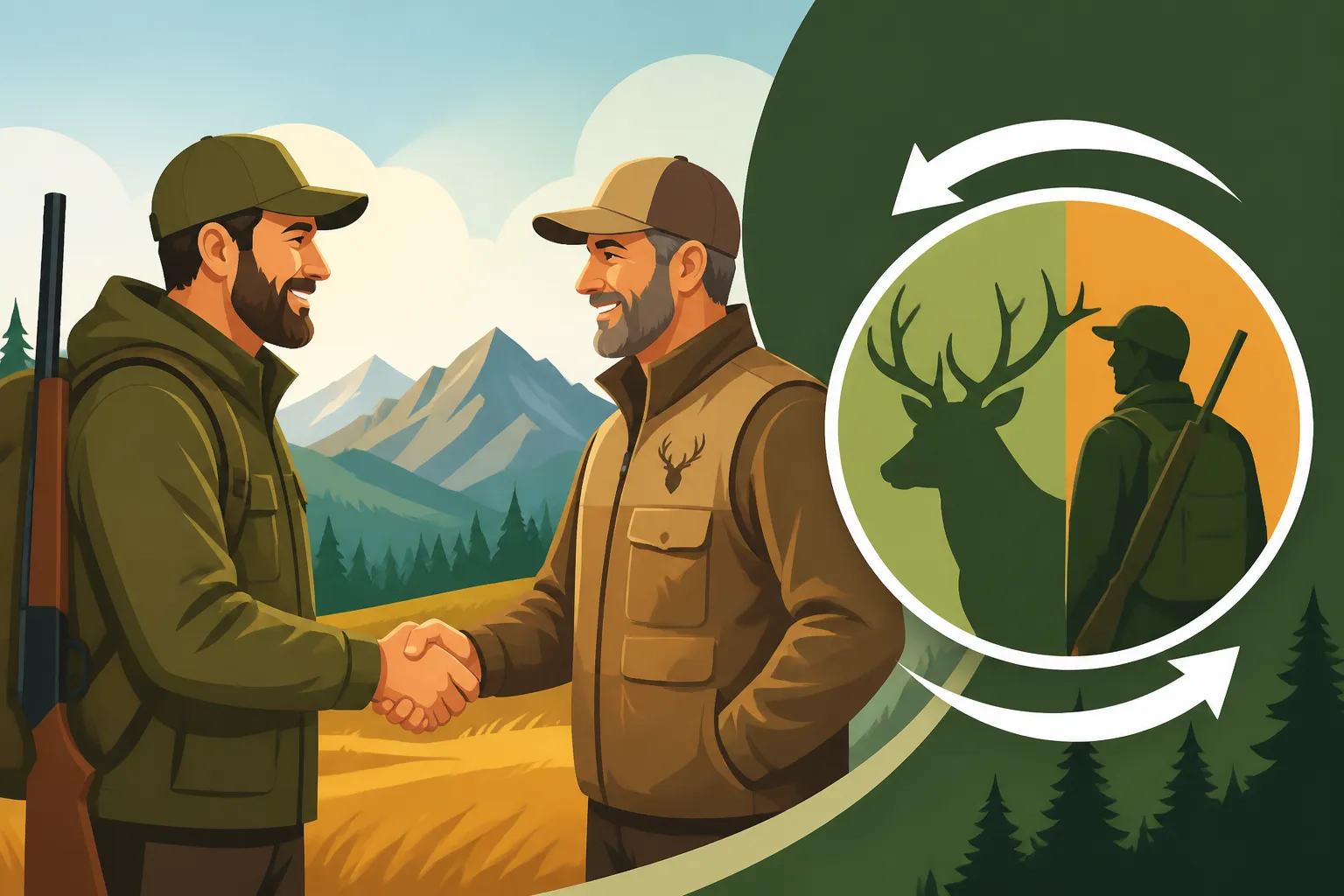
Beyond the practicalities, there's a real camaraderie that develops. A good guide often becomes more than just a service provider; they become a friend you look forward to spending time with. Sharing stories, laughing around the campfire, and navigating the challenges of the wild together deepens this bond. This established connection makes the entire experience more relaxed, more enjoyable, and often, far more memorable. It's like going hunting with a trusted friend who also happens to be an expert in the local game.
Leveraging Pre-Existing Knowledge of the Terrain and Logistics
One of the biggest hurdles on any new hunt is the unknown. Where are the trails? What does that ridge look like from the other side? How long does it take to get to the stand? What's the camp routine? All these questions are already answered when you're returning to a familiar outfitter. You've seen the WMU, you've experienced the camp setup, and you know the rhythm of the days. This familiarity significantly reduces any pre-hunt anxiety and allows you to focus purely on the excitement of the chase.
Your guide, knowing your past experiences and observations, can often take you to new spots or revisit successful ones with even greater insight. Perhaps on your last trip, you saw a promising area but didn't have time to explore it. Now, with a shared history, your guide might already have a plan to hit that specific drainage or timber patch. They might even have a particular animal in mind, having scouted it since your last visit. This specialized knowledge, combined with your own prior experience, creates a powerful advantage.
Furthermore, the logistical aspects of the hunt become second nature. You know the drill for getting to and from camp, how the outfitter handles meat care in Alberta's varied temperatures, and the process for shipping home your trophy. This streamlines everything, from packing your bags to the moment you depart. For example, knowing the outfitter’s preferred methods for Getting Meat Processed After the Hunt or Shipping Meat Home From Alberta can save you valuable time and stress.
Proactive Steps for Securing Your Next Alberta Adventure
You've decided to return – fantastic! But don't just assume your spot is waiting. Good outfitters are in high demand, and prime hunting dates, especially for sought-after species or during the peak of the rut, can book up years in advance. Being proactive is key to ensuring you get the hunt you want, when you want it.
Mastering the Art of Timely Rebooking
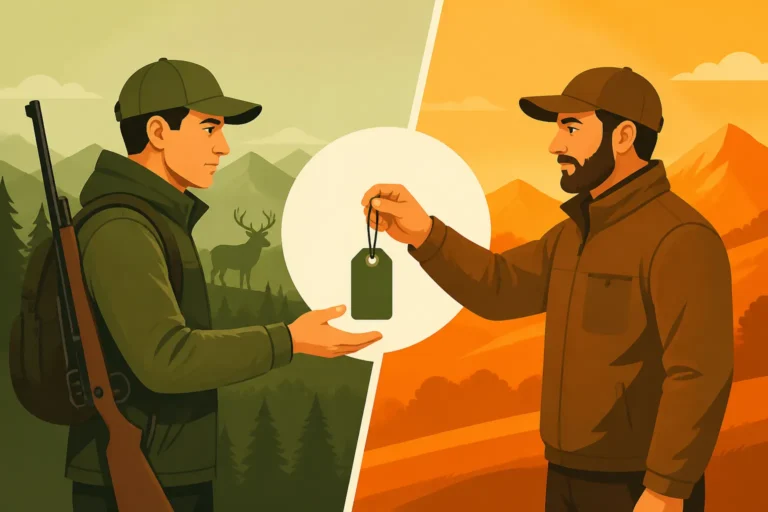
The best time to book your next hunt is often before you've even left camp from your current one. Seriously! Many successful hunters, especially those targeting popular species like trophy whitetails or big bulls, will approach their outfitter at the end of their trip to discuss rebooking for the following year, or even two years out. This gives you the first crack at preferred dates and allows the outfitter to plan their schedule accordingly. Don't be shy; ask about their booking calendar early.
| Aspect | First Hunt | Return Hunt with Same Outfitter |
|---|---|---|
| Guide Relationship | Building trust, understanding communication styles | Deepened trust, established camaraderie, efficient communication |
| Area Knowledge | Learning the lay of the land, understanding logistics | Familiarity with terrain, camp, and daily routines |
| Planning | Extensive research, vetting, uncertain expectations | Streamlined discussions, personalized recommendations |
| Hunt Potential | Good chance of success, but unknowns exist | Enhanced potential due to shared knowledge, tailored approach |
| Overall Feel | Exciting, but with elements of the unknown | Relaxed, familiar, often more enjoyable and productive |
While exact prices cannot be stated, it’s important to understand that a deposit is typically required to secure your spot. Be prepared for potential price adjustments year over year, as operational costs can fluctuate. However, locking in your dates early often means you get the best selection before others do. If you experienced an incredible Hunting the Rut in Early November or found success during Hunting Alberta's September Archery Opener, you'll want to aim for those same peak windows, which are almost always the first to fill up.
Clear Communication: Setting the Stage for Success
Even with a familiar outfitter, clear and detailed communication is paramount. Don't assume they remember every nuance of your last hunt, or that your goals haven't changed. Have an open conversation about your specific objectives for the return trip. Are you after a larger animal? A different species? Do you want to try a new hunting method, such as Spot-and-Stalk Mule Deer in Alberta if you previously sat a stand? Be explicit about what you're hoping to achieve.
It's also crucial to discuss any changes on your end. Have you improved your physical fitness? Are you bringing new gear you want to try out? Are you introducing new hunters to the outfitter, perhaps Booking a Father and Child Alberta Hunt or Booking an Alberta Hunt for a Group? These details allow the outfitter to tailor the experience even more precisely, ensuring the right guides are available and the logistics are handled smoothly.
Finally, always confirm what is included in the package and what might be an extra cost, even if you’ve hunted with them before. Reviewing the contract or booking details prevents any misunderstandings down the line. While you have a relationship, it's still a professional service. For general terms, and even to compare against other outfitters if you're exploring options for different species, resources like BookYourHunt or GoHunt can offer a baseline of what to expect from quality outfitters, even if you're returning to a trusted one. This due diligence ensures everyone is on the same page from the outset.
Adapting to Evolving Conditions and Maximizing Your Experience
Just as the seasons change, so too can the landscape of hunting. Regulations shift, game populations fluctuate, and even the outfitter's operations might evolve. A successful return hunt isn't just about booking; it's about staying informed and adapting to current conditions while still leveraging your accumulated knowledge.
Navigating Price Adjustments and Calendar Shifts
Let's be realistic: costs in the hunting industry, much like any other, are subject to change. Fuel prices, license fees, food provisions, and staffing wages can all fluctuate from one season to the next. Therefore, it's not uncommon for outfitters to adjust their pricing. A reputable outfitter will be transparent about any increases, explaining the reasons behind them. While it might feel like a hurdle, understanding these factors helps manage expectations. If you're comparing against market rates, even for a return hunt, platforms like BookYourHunt and GoHunt can give you a broad sense of what similar hunts are commanding, ensuring you feel comfortable with the value.
Furthermore, prime hunting dates, particularly those coinciding with events like Hunting the Rut in Early November, are incredibly popular and can shift on an outfitter's calendar. New regulations, unexpected weather patterns, or even changes in game behaviour can influence when the best hunting opportunities occur. Flexibility on your part regarding dates can be a huge asset. Your outfitter will be well-versed in the latest Alberta Big Game Season Dates and Alberta Game Bird Seasons and Limits, but it’s always wise to stay current yourself. Discuss potential date alternatives with them, especially if your first choice isn't available.
Deepening Your Knowledge and Preparation
Your previous hunt provided invaluable firsthand experience. Now, it's time to build on that. Take a moment to reflect on what worked perfectly and what you might want to change or improve. Did you find yourself wishing for warmer gear during Hunting Alberta Winter Weather Safely? Perhaps you realized you needed more practice with your rifle at longer distances. Use this self-assessment to fine-tune your personal preparation and gear list for the upcoming trip.
Even if you're familiar with the WMU, game patterns can shift. Habitat changes due to logging or fires, increased hunting pressure, or even factors like Alberta's Winter Kill and Game Numbers can alter where animals are found. Don't hesitate to ask your outfitter for any off-season scouting reports or observations they might have. They are on the ground constantly and will have the most current insights into the local game movement and population.
Finally, engage with your outfitter to discuss specific hunting strategies. Perhaps you want to try a different approach this time, focusing more on techniques like Rattling and Calling Whitetails in Farm Country, or exploring new areas for Hunting Moose Along Cutlines and Seismic Lines. Your guide's intimate knowledge, combined with your past experience, creates an exceptional opportunity to truly tailor your hunt. Remember, your prior hunt was the introduction; your return hunt is where you can truly refine and maximize the experience. This collaborative approach ensures you get the most out of every moment in the Alberta wilderness.
Disclaimer
This article is for general informational purposes only and does not constitute professional advice. Laws, prices and regulations vary by location and change over time. Consult a qualified professional for guidance on your specific situation.