Booking a Father and Child Alberta Hunt
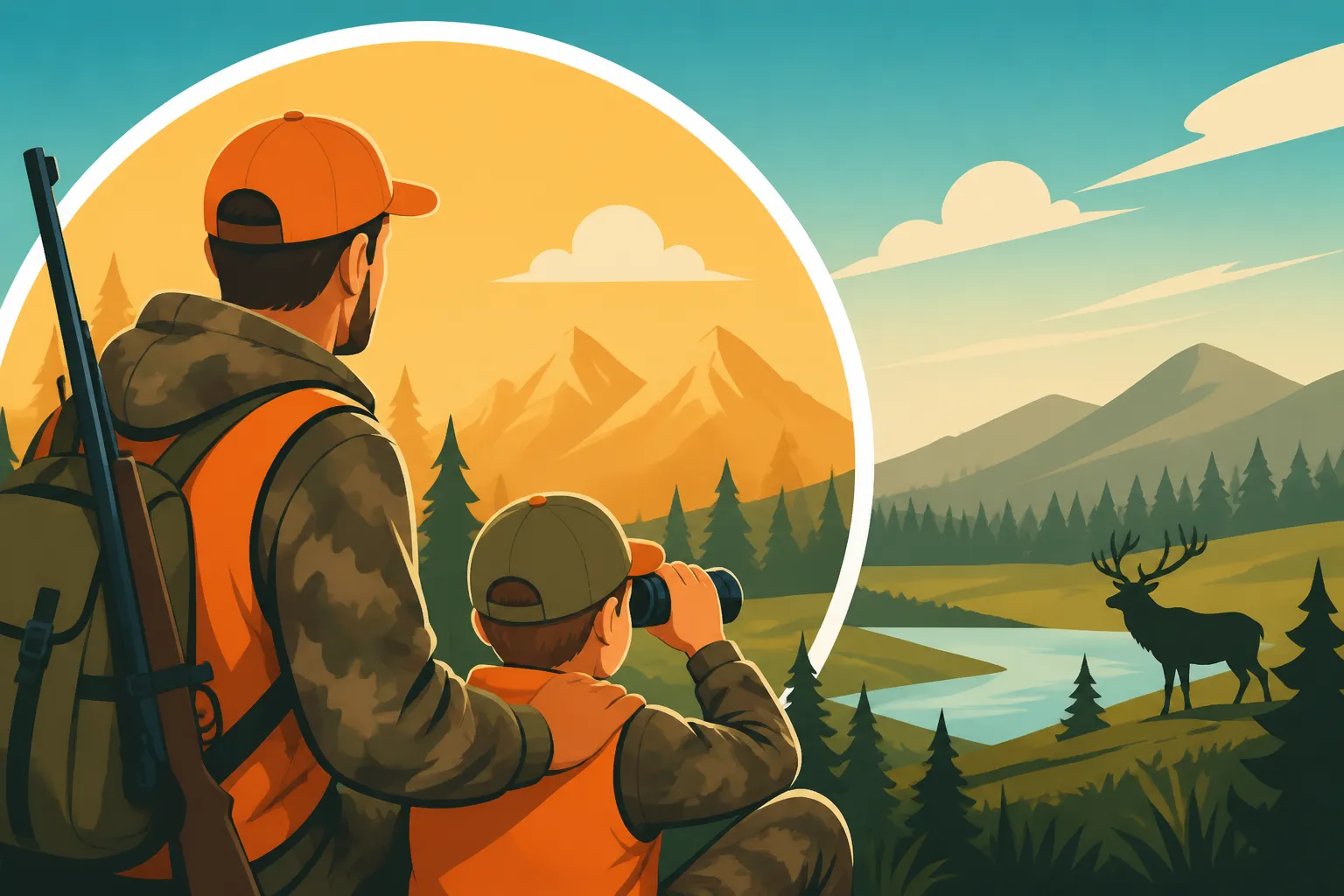
Bringing a child into the world of hunting is one of the most rewarding experiences a parent can have, but for many fathers, especially if they're not lifelong hunters themselves or are new to Alberta's vast hunting opportunities, the thought of planning that first big game or bird hunt can feel overwhelming. You want it to be a positive, safe, and memorable experience, not a frustrating lesson in logistics or a test of endurance that turns them off the sport forever. This guide is here to help you navigate the unique considerations of booking a father and child hunting trip in Alberta, ensuring it’s an adventure that builds bonds and ignites a lifelong passion for the outdoors.
Why a Guided Father and Child Hunt in Alberta Makes Sense
Taking a child on their first hunt is a huge responsibility, and let's be honest, it's not always easy. Alberta offers incredible hunting, but it's also a big province with diverse terrain, unpredictable weather, and specific regulations. Trying to manage all of that, plus teaching a new hunter, keeping them engaged, and ensuring their safety, can quickly become more work than fun. That’s where a guided hunt really shines, especially for a father and child duo.
Bridging the Experience Gap Safely
When you venture out with a guide, you're tapping into a wealth of local knowledge and experience that would take years to acquire on your own. A professional outfitter and their guides are intimately familiar with the local wildlife, terrain, and weather patterns. They know where the game is likely to be, how to approach it safely, and what to do if things don't go according to plan. This is invaluable when you have a young, less experienced hunter with you.
Safety is paramount, and a good guide ensures that every step of the hunt, from handling firearms to navigating the backcountry, is done with utmost care. They can offer one-on-one instruction on everything from proper shooting techniques to safe field dressing, often providing a more patient and objective teaching environment than a father might be able to offer when also trying to hunt himself. This structured approach helps instill good habits from the start, setting a strong foundation for future hunting endeavors. It also takes the pressure off you, the father, allowing you to focus on enjoying the experience with your child rather than constantly worrying about every detail.
The learning curve for a new hunter can be steep, and having an expert to guide those initial steps makes all the difference. Imagine trying to explain tracking whitetails in dense aspen bluffs or the nuances of calling a bull moose in the boreal forest to a beginner, while also trying to apply those techniques yourself. A guide effortlessly handles the "how-to," breaking down complex tasks into manageable lessons. They often have specialized gear or knowledge that improves comfort and safety, like knowing the best Winter Truck Kit for an Alberta Hunt or how to Hunting Alberta Winter Weather Safely. This expert presence allows for a much smoother, more relaxed introduction to hunting, making it a positive memory rather than a struggle.
Maximizing Success and Enjoyment for All Ages
Let's face it, hunting can be tough, and nothing deflates a new hunter's enthusiasm faster than long hours with no action or uncomfortable conditions. Outfitters are in the business of maximizing your chances of success and enjoyment. They've scouted the areas, they understand animal movements, and they have the equipment to get you into prime hunting locations, whether that's setting up a comfortable ground blind or accessing remote areas with ATVs or horses. This significantly increases the odds of seeing game, which is crucial for keeping a child engaged and excited.
Beyond the actual harvest, a guided trip minimizes the physical and logistical burdens that can detract from the experience. Forget about figuring out how to Getting a Moose Out With a Quad or wondering about Meat Care in Alberta's Cold and Warm Swings; the outfitter handles these heavy-duty tasks. This frees you up to fully connect with your child, sharing stories, observing nature, and simply being present in the moment. The guide can tailor the pace of the hunt to your child's stamina and attention span, ensuring they don't get overtired or bored. This personalized attention ensures that the experience is custom-fitted to create positive memories, rather than pushing limits that could lead to burnout.
Alberta offers such a diversity of experiences, from upland birds to big game, and an outfitter can help you choose an adventure that's truly age-appropriate. Perhaps a short Pothole Hunting Ducks on Small Water trip is a great start, or maybe a Hunting Hungarian Partridge on Alberta Farms excursion offers more consistent action for a younger hunter. The guide understands what species are more forgiving for beginners, where the population numbers are strong, and how to create scenarios that provide exciting, yet manageable, opportunities. They're adept at managing expectations and celebrating every small victory, making the entire journey, not just the shot, a part of the grand adventure.
Learning Opportunities Beyond the Harvest
A guided hunt with a professional outfitter offers so much more than just the chance to harvest an animal. It’s an immersive educational experience that instills a deep respect for wildlife, habitat, and the traditions of hunting. Guides are often passionate conservationists and naturalists, eager to share their knowledge about the ecosystem, animal behaviour, and the importance of ethical hunting practices. Your child will learn about tracking, identifying different species like Telling a Whitetail From a Mule Deer, understanding animal sign, and the delicate balance of nature in Alberta's varied landscapes.
These lessons extend beyond the technical aspects of hunting. A good guide can teach patience, resilience, and the value of hard work, especially when the weather turns or the game is elusive. They can share stories of past hunts, explain the history of hunting in Alberta, and discuss the role hunters play in conservation. This broadens a child's understanding of their place in the natural world and fosters a sense of responsibility toward it. It’s an invaluable opportunity to learn about the environment firsthand, far from screens and textbooks.
The camaraderie in a hunting camp or lodge is another powerful learning experience. Being surrounded by other hunters, guides, and camp staff often provides a rich environment for storytelling, sharing experiences, and learning about different perspectives. Your child will see teamwork in action, observe respect for the land and animals, and become part of a community that values these traditions. These social aspects are just as important as the hunting itself, helping to shape character and develop a strong ethical compass. It’s an environment where respect, responsibility, and gratitude for the natural world are constantly reinforced.
Choosing the Right Outfitter and Hunt Package
Once you've decided that a guided hunt is the way to go for your father and child adventure, the next step is finding the perfect fit. Alberta has many excellent outfitters, but not all specialize in or are set up for youth hunters. It's crucial to do your homework to ensure the experience aligns with your goals and your child's capabilities.
Matching the Hunt to Your Child's Age and Readiness
This is perhaps the most critical factor. A high-country bighorn sheep hunt might be a father's dream, but it's likely too physically demanding and mentally challenging for most young hunters. Consider your child's age, physical stamina, patience level, and previous outdoor experience. Are they comfortable sitting still for long periods? Can they handle cold weather or early mornings? Are they proficient and safe with a firearm or bow?
For younger or less experienced hunters, consider hunts that offer more action or less physical strain. Upland bird hunts for Ruffed Grouse Hunting Alberta's Bush Trails or Hunting Hungarian Partridge on Alberta Farms can provide frequent shooting opportunities and a more dynamic experience, keeping attention spans engaged. Waterfowl hunts, such as Field Hunting Geese in Alberta Stubble or Pothole Hunting Ducks on Small Water, often involve comfortable blinds and exciting bursts of activity. If big game is the goal, consider species like whitetail deer that can sometimes be hunted from stands or blinds with less strenuous walking, particularly in farm fringe areas. Whitetail Hunting in Alberta can be an excellent introduction. The key is to set them up for success and enjoyment, not to push them beyond their limits.
As they grow older and gain experience, you can consider more challenging hunts. A spot-and-stalk mule deer hunt in the badlands might be perfect for a teenager who has developed patience and physical conditioning. Spot-and-Stalk Mule Deer in Alberta is truly rewarding. The most important thing is open communication with your child about their expectations and comfort levels, and then finding an outfitter who understands the nuances of hunting with youth. Some outfitters even offer dedicated Alberta Youth and First-Timer Guided Hunts packages, specifically designed for this demographic.
Essential Questions to Ask Potential Outfitters
Before you book, you need to ask a lot of questions. Don't be shy – this is a significant investment of time and money, and more importantly, it's a foundational experience for your child. Start by asking about their experience with father and child groups or youth hunters specifically. Do they have guides who enjoy working with kids? What is their guide-to-hunter ratio for these trips? A 1:1 or 1:2 ratio is ideal to ensure personalized attention and safety.
Inquire about the camp environment. Is it family-friendly? Are there other father-child groups typically in camp, or is it mostly adult-only groups? What kind of accommodations do they offer (lodge, cabins, wall tents)? This helps you gauge the overall atmosphere. Ask about safety protocols, especially regarding firearms handling and what happens in an emergency. It’s also wise to check references, especially from past clients who brought children. Many outfitters utilize platforms like BookYourHunt or GoHunt to list their trips and collect reviews, which can be a fantastic resource for initial vetting and seeing what other hunters have experienced with them.
| Question Category | Key Questions to Ask | Why It Matters for Father/Child |
|---|---|---|
| Experience with Youth | How often do you host father/child hunts? Do specific guides specialize in youth? |
Ensures patient, age-appropriate guidance and understanding. |
| Hunt Logistics | What's the typical daily schedule? How much walking/physical activity is involved? |
Helps match the hunt to your child's stamina and attention span. |
| Safety Protocols | What are your firearm safety rules for youth? What's the emergency plan in the field? |
Critical for peace of mind and building good habits. |
| Camp Environment | Is the camp family-friendly? What are the accommodations like? |
Ensures a comfortable and positive overall experience for everyone. |
| Hunt Success | What are realistic expectations for success? How do you manage disappointment? |
Sets realistic goals, reduces pressure, and teaches resilience. |
| What's Included | Exactly what's covered in the price? What hidden costs should we expect? |
Prevents surprises and helps with budgeting. |
Always confirm what's included and excluded in the package price. This will cover things like licenses, tags, transportation to and from the airport, meat processing, taxidermy, and tips for the guide and camp staff. Understanding these details upfront prevents any unwelcome surprises later on. While a good outfitter will provide most of the necessary equipment like blinds or boats, you'll still need to bring personal gear, so get a detailed packing list. Don't hesitate to ask about What to Bring to a Hunting Camp beyond your personal clothing and weapon.
Understanding Inclusions, Exclusions, and Costs
Booking a guided hunt, especially in Alberta, involves understanding the financial commitment. What's often included in a package price is the guiding service itself, lodging (which could range from a cozy lodge to a rustic Wall Tent Camps in Alberta's Backcountry), meals, and sometimes transportation during the hunt. Some outfitters might pick you up from a local airport, but clarify this well in advance. Remember, specific prices and what's included will vary wildly between outfitters and the type of hunt.
What's typically not included are several important items. You'll be responsible for purchasing your own Alberta Hunting Licences and What They Cost and specific species tags. This always starts with an Alberta's WIN Card and Wildlife Certificate, which are mandatory. Travel to Alberta (flights, rental car) and any pre- or post-hunt lodging are also usually on you. Other common exclusions include meat processing and shipping, taxidermy services, ammunition, personal hunting gear (clothing, optics, etc.), and gratuities for your guide and camp staff. It's crucial to get a comprehensive breakdown from the outfitter so you can budget accurately and avoid unexpected expenses.
When discussing costs, ask about payment schedules, deposit requirements, and cancellation policies. Life happens, and sometimes plans change, so understand what your options are if you need to reschedule or cancel. While specific numbers can't be given here, be prepared for guided hunts to be a significant investment, reflecting the expertise, logistics, and effort involved in providing a quality experience. Ensure you have everything in writing, and don't be afraid to compare a few different outfitters to find one that fits your budget and expectations for an Alberta Black Bear Hunt Prices or any other species you are targeting.
Preparing for an Unforgettable Alberta Adventure
The success of a father and child hunting trip in Alberta extends far beyond securing a good outfitter. It also hinges on the preparation you both undertake. This includes physical conditioning, mental readiness, and ensuring you have all the necessary gear and paperwork in order.
Physical and Mental Preparation for Young Hunters
Hunting can be physically demanding, even with a guide. Depending on the species and terrain (think Elk Hunting Alberta's Foothills versus Waterfowl Hunting Alberta's Grain Fields), your child might need to walk considerable distances, climb hills, or endure cold weather. Start a few months before the hunt with regular walks or hikes, gradually increasing the distance and intensity. Make it fun—turn it into an exploration. This builds stamina and resilience, making the actual hunt more enjoyable and less of a chore.
Mental preparation is just as important. Talk to your child about what to expect: early mornings, potentially long periods of sitting still, the possibility of not seeing game, and the reality of harvesting an animal. Manage expectations by emphasizing the experience of being outdoors, learning, and spending time together, rather than solely focusing on bagging a trophy. Discuss hunter's ethics, respect for the animal, and the responsibility that comes with hunting. Watching hunting videos or reading stories together can also help build excitement and understanding. Remind them that patience is a hunter's greatest virtue, and sometimes the best part of the hunt is simply enjoying the quiet moments in nature.
Practicing shooting is another crucial element. Whether they're using a rifle, shotgun, or bow, ensure they are proficient, confident, and safe. Start with small calibers or lower draw weights and gradually work up. A well-placed shot is the most ethical way to harvest an animal, and confidence in their abilities will make the actual hunting situation less stressful. The guide will reinforce safety, but foundational skills built at home will make a huge difference in their performance and enjoyment in the field. This preparation is a great opportunity for more father-child bonding time before the trip even begins.
Gear, Licensing, and Safety Essentials
Having the right gear is critical for comfort and safety in Alberta's varied and often unpredictable weather. Dress in layers, as temperatures can fluctuate wildly, especially in spring and fall. Quality waterproof and insulated boots are a must, along with warm socks, gloves, and a hat. Binoculars are essential for spotting game, and a comfortable backpack for snacks, water, and extra layers will make long days more bearable. Your outfitter will provide a detailed packing list, but generally, expect to need sturdy outerwear suitable for brush, mud, and potentially snow.
Navigating Alberta's licensing and regulations is crucial. First, your child will need an Alberta's WIN Card and Wildlife Certificate. This is their unique identifier in the provincial hunting system. Depending on their age and your resident status, there might be specific requirements for them to hunt independently or under your direct supervision. For instance, youth often need to complete the Alberta Hunter Education and Conservation Course. Ensure you understand the minimum age to hunt alone in Alberta and adhere strictly to all provincial regulations, including those around firearms transport and safe handling. If you're coming from out of province, remember the rules for Transporting Firearms Into Alberta.
Safety goes beyond just proper firearm handling. Discuss wildlife safety, especially in bear country—knowing what to do if you see a grizzly is vital. Carry a small first-aid kit, and consider a satellite communication device if hunting in remote areas where cell service is non-existent. Always abide by Alberta Blaze Orange Requirements for visibility and safety. The guide will be the ultimate authority on safety during the hunt, but being personally prepared and knowledgeable reinforces good habits for your child and demonstrates your commitment to a safe hunting experience.
Creating Lasting Memories Beyond the Trigger Pull
While the goal of hunting is often to harvest an animal, the true enduring value of a father and child hunt lies in the shared experience and the memories created. Encourage your child to soak in all aspects of the trip: the breathtaking sunrises, the calls of unfamiliar birds, the rustle of leaves in the wind, and the sheer vastness of Alberta's wilderness. These are the moments that will truly stick with them, often more vividly than the shot itself.
Bring a camera to capture not just the harvest, but also the moments in camp, the scenic views, and the smiles and laughter shared. A journal can be a wonderful way for your child to document their experiences, feelings, and observations each day. Encourage them to write about what they saw, what they learned, and how they felt. These reflections become cherished keepsakes for years to come, long after the meat is eaten and the antlers are hung.
Remember, this trip is about building a connection—with nature, with the tradition of hunting, and most importantly, with each other. Be present, be patient, and let your child lead some of the discovery. Ask them questions about what they're seeing, encourage their curiosity, and celebrate every small milestone. Whether they harvest an animal or not, the bond forged in the field, the lessons learned, and the stories told will become a treasured part of your family's history, inspiring a lifetime of outdoor adventures.
Disclaimer
This article is for general informational purposes only and does not constitute professional advice. Laws, prices and regulations vary by location and change over time. Consult a qualified professional for guidance on your specific situation.