Alberta Black Bear Hunt Prices
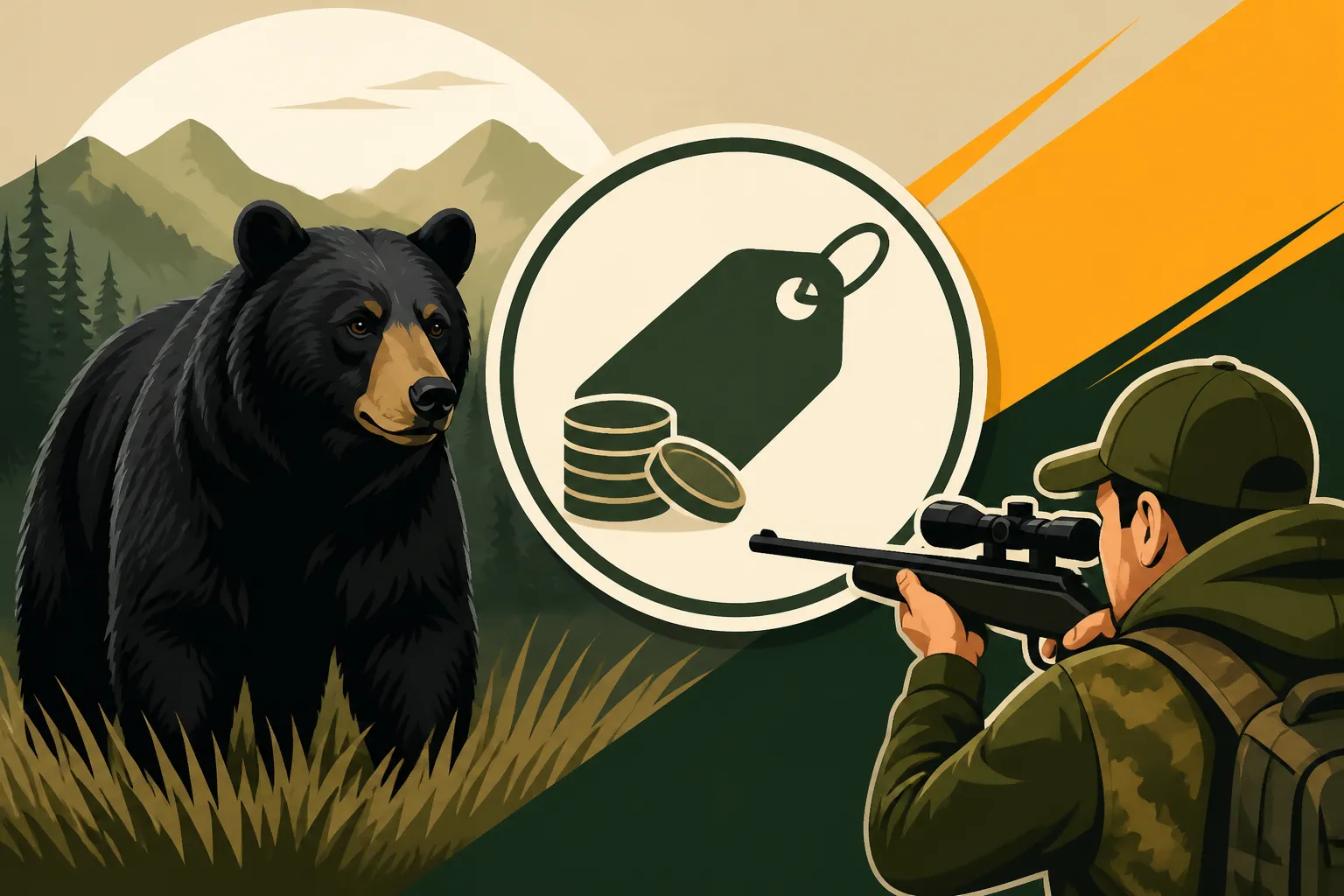
Thinking about booking that dream black bear hunt in Alberta, but feeling overwhelmed trying to understand the actual cost? You're not alone. It can be incredibly frustrating to look at various outfitter websites and see wildly different numbers, making it tough to budget and plan. This guide is here to demystify Alberta black bear hunt prices, breaking down what typically influences the cost and what you can expect your hard-earned money to cover, helping you make an informed decision for your next adventure.
What Influences the Cost of an Alberta Black Bear Hunt?
Understanding what drives the price of an Alberta black bear hunt is the first step to making sense of the diverse offerings out there. It’s never just a single flat fee; a multitude of factors play a significant role, from the quality of the outfitter to the duration of your stay and the amenities provided. It's like planning any major trip – the more luxury, remote access, or specialized services you want, the higher the investment.
Outfitter Reputation and Experience
Just like in any service industry, experience and reputation come at a premium. An outfitter who has been operating successfully for decades, with a proven track record of client satisfaction and consistent harvest rates, will understandably command a higher price than a newer, less established operation. These seasoned professionals often have exclusive access to prime hunting areas, deep knowledge of bear behaviour in specific regions, and a network of reliable guides and camp staff. They’ve invested years in scouting, setting up bait sites, and refining their techniques. When you book with a top-tier outfitter, you're not just paying for a guide; you're investing in their expertise, their network, and their commitment to providing a memorable and often successful hunt.
Consider the guides themselves: an experienced guide who knows the local terrain like the back of their hand, understands bear patterns, and can make crucial in-the-moment decisions is invaluable. This level of expertise can be the difference between a great hunt and a frustrating one. They often maintain their equipment meticulously, run top-notch camps, and prioritize safety above all else. This peace of mind and higher likelihood of success are significant contributors to the overall cost. For those looking to research different operations, many hunters start their research on platforms like BookYourHunt, where they can filter by species, location, and even budget, often seeing reviews that hint at an outfitter's reputation.
Hunt Duration and Timing
The length of your hunt directly impacts its cost. Most guided black bear hunts in Alberta typically range from five to seven hunting days, excluding travel days. A shorter, three-day hunt might seem more affordable upfront, but it reduces your chances of encountering the trophy you're after. Conversely, a longer hunt, perhaps ten days, will inherently cost more due to increased lodging, food, guide wages, and operational expenses. More days in the field mean more opportunities, more scouting by your guides, and more resources dedicated to your success.
Timing also plays a critical role. Alberta offers both spring and fall black bear seasons, and the prices can fluctuate between them. Spring hunts, particularly during May and early June, are often highly sought after because bears are emerging from hibernation, actively feeding, and daylight hours are long. This is prime time for spotting a big boar. Fall hunts, while still productive, might have slightly different dynamics or be combined with other species, which can affect pricing. The early spring can be quite chilly, but bears are often more predictable around bait sites. Understanding Alberta Spring Bear Season Dates can help you plan when to consider your hunt.
Location and Access
Alberta is a vast province with diverse landscapes, from the foothills to the sprawling boreal forest. The remoteness and type of terrain where an outfitter operates significantly influence costs. Hunts in more accessible areas, closer to major towns or road systems, might be slightly less expensive because logistics are simpler and fuel costs are lower. However, these areas might also see more hunting pressure.
On the other hand, hunts deep in the boreal forest or remote wilderness areas, which often require extensive travel by bush plane, ATV, or even horseback, will naturally come with a higher price tag. These remote operations offer an incredible backcountry experience and often hold populations of larger, less pressured bears. The cost reflects the challenges of transporting gear, personnel, and clients into and out of these isolated regions. Outfitters operating in these areas might have to fly in supplies all season, adding considerably to their overhead. For insights into different types of terrain, you might want to read Black Bear Hunting in Alberta, which covers the general scope of hunting these magnificent animals across the province.
Method of Hunting
The specific hunting method employed by the outfitter is another key price differentiator. In Alberta, the most common methods for black bear are baiting, spot-and-stalk, and occasionally hunting with dogs (though this is less common for non-resident clients).
- Baiting: This is arguably the most popular and often the most successful method for black bear in Alberta. It involves setting up bait stations well in advance of the season to attract bears to a consistent food source. The cost here includes the extensive labour of establishing and maintaining multiple bait sites, the cost of bait materials, and the time and fuel required to check and replenish them daily. Baiting Black Bear in Alberta is a prime example of this popular method, detailing the effort involved.
- Spot-and-Stalk: This method is more physically demanding and involves actively searching for bears, often in cutblocks, clearings, or along natural food sources. It requires highly skilled guides, good optics, and often a lot of hiking. The cost might reflect the increased guide-to-hunter ratio and the intense scouting required to find these bears in vast landscapes, such as when Spring Bear Hunting Alberta's Cutblocks.
- Hunting with Dogs: While specialized and less widely available for non-resident clients, hunts using trained hounds require a significant investment in the dogs themselves, their training, and the logistical support to manage a dog team in the field. This can be a highly specialized and therefore more expensive experience.
The intensity and resources required for each method directly translate to the price you pay. For those looking to understand the full scope of a hunt, including potential costs for gear or travel, resources like GoHunt often provide broader insights into planning such an expedition.
Typical Price Ranges for Alberta Black Bear Hunts
It's natural to want a clear number, but the "cost" of an Alberta black bear hunt is far from a fixed figure. It's a significant investment that typically falls into a wide range, reflecting the many variables we've just discussed. Think of it more as a spectrum, where you can find everything from a more budget-conscious, basic hunt to a luxurious, all-inclusive backcountry experience.
Basic vs. All-Inclusive Packages
When you start looking at prices, you'll generally find packages falling into two main categories:
- Basic or Economy Hunts: These packages usually offer the essentials: guiding services, lodging, and meals. They often operate from a comfortable but no-frills camp, and transportation during the hunt might be more utilitarian, like driving to bait sites or designated spot-and-stalk areas. These hunts are a fantastic option for hunters who are comfortable with fewer amenities and are primarily focused on the hunting experience itself. You might be expected to handle some aspects of your meat and trophy care, or coordinate your own travel to the outfitter's staging area.
- All-Inclusive or Premium Hunts: On the higher end, these packages leave little to chance. They often include everything from airport pickup and drop-off, gourmet meals, comfortable lodge accommodations (sometimes even private cabins), one-on-one guiding, and full meat and trophy care. Transportation might involve specialized vehicles, boats, or even bush planes for truly remote access. These hunts are designed for clients who want a seamless, comfortable experience from start to finish, with every detail handled. The focus is not just on hunting but on the entire wilderness immersion experience, often with a higher guide-to-hunter ratio ensuring personalized attention.
The significant difference in price between these two types reflects the level of service, comfort, and logistical support provided. It’s important to clarify with any outfitter exactly what their "all-inclusive" actually means, as definitions can vary.
Average Cost Breakdown (General Shape)
While specific numbers aren't fixed, we can talk about the general shape of costs. A guided black bear hunt in Alberta is a significant financial commitment. The cost of a guided black bear hunt in Alberta can start in the lower thousands for a basic, 5-day hunt and climb significantly higher for a premium, longer, or more remote expedition. When comparing various outfitters, a site like BookYourHunt can be invaluable for seeing what different operations offer side-by-side, giving you a broad overview of price points and what's included.
Here's a simplified breakdown of typical components that contribute to the overall package price, without assigning specific dollar amounts:
| Component | Description | Impact on Cost |
|---|---|---|
| Guiding Fees | Professional guides' wages, expertise, and liability insurance. | High; higher for 1:1 guiding, lower for 2:1 or more. |
| Lodging & Meals | Accommodation (lodge, cabin, wall tent) and food (basic camp fare to gourmet meals). | Varies greatly; deluxe lodges cost more than basic camps. |
| In-Field Transportation | Use of ATVs, trucks, boats, horses, or bush planes for hunting access. | Varies; remote access with air travel adds significant cost. |
| Trophy Care | Field dressing, skinning, caping, and initial preparation of your bear for taxidermy. | Included in most packages, but additional processing/shipping may be extra. |
| Equipment & Bait | Provision of bait, stands, ground blinds, and other necessary hunting equipment. | Integral part of baiting hunts; less so for spot-and-stalk. |
| Pre-Season Scouting | Outfitter's time and expenses spent scouting, setting up bait, and monitoring game. | Indirectly built into the package price. |
| Operational Overhead | Insurance, permits, communication systems, camp maintenance, staff support. | Always a factor in any professional operation. |
Beyond these package costs, remember to factor in additional expenses like your hunting license and provincial tags. You'll need an Alberta Wildlife Identification Number (WIN) Card, a Wildlife Certificate, and a specific black bear licence. You can find details on What a Black Bear Licence Costs to get an idea of these mandatory fees. After doing your initial scouting and research, perhaps on a platform like GoHunt, you'll have a better idea of what to expect from outfitters in different regions.
Understanding What's Included and Excluded
When you're looking at various outfitter packages, it's crucial to read the fine print. What one outfitter considers "all-inclusive," another might list as an add-on or a separate expense. Misunderstandings here can lead to unexpected costs and spoil an otherwise great trip. Always ask for a detailed list of inclusions and exclusions before committing to a booking.
Typical Inclusions in a Black Bear Hunt Package
Most reputable Alberta black bear outfitters will include several core components in their package price. These are generally designed to cover the fundamental elements of your hunting experience once you arrive at camp:
- Guiding Services: This is the heart of a guided hunt. It includes the professional services of an experienced guide (or guides, depending on the hunter-to-guide ratio) who will accompany you in the field, help you locate bears, assist with tracking, and offer expert advice. Their knowledge of the terrain, bear behaviour, and hunting techniques is invaluable.
- Accommodation: Comfortable lodging is usually part of the deal, whether it's a cozy lodge, a rustic cabin, or well-equipped wall tents in a spike camp. The standard of accommodation can vary greatly, influencing the overall cost.
- Meals: You can expect hearty meals, often home-cooked, to fuel your days in the bush. This typically covers breakfast, lunch (often packed for the field), and dinner. Dietary restrictions should always be communicated in advance.
- In-Field Transportation: Once at camp, transportation to and from hunting areas (e.g., bait sites, spot-and-stalk locations) is generally provided. This could involve 4×4 trucks, ATVs, UTVs, or boats.
- Field Preparation of Trophy: After a successful harvest, the outfitter or guide will typically handle the field dressing, skinning, and caping of your bear. This ensures the hide and skull are properly prepared for taxidermy.
- Basic Camp Amenities: Things like generator power, heating, and basic sanitation facilities are usually part of the package, though the level of "luxury" will depend on the outfitter's offering.
Some outfitters might even include the use of specific equipment, such as ground blinds or tree stands, especially for Setting a Bear Bait Site in Alberta. It’s always worth confirming what exactly is at your disposal.
Common Exclusions and Hidden Costs
This is where hunters often get surprised, so pay close attention. Many essential items and services are almost universally not included in the base package price. Budgeting for these upfront will prevent any unwelcome surprises:
- Hunting Licenses and Tags: As mentioned, you will need an Alberta Wildlife Identification Number (WIN) Card, a Wildlife Certificate, and your specific black bear licence. These are purchased separately by the hunter. Don't forget, What a Black Bear Licence Costs is an important figure to know.
- Travel to and from the Outfitter's Staging Area: Your flights, fuel for driving, or any other transportation costs to reach the designated meeting point for your hunt are almost always your responsibility.
- Gratuities for Guides and Camp Staff: Tipping is customary in the guiding industry and is a significant part of a guide's income. It's a way to show appreciation for their hard work and dedication. It's crucial to budget for Tipping an Alberta Guide based on industry standards and your satisfaction with the service.
- Meat Processing and Shipping: While field dressing is included, professional butchering, cold storage, and shipping of your meat back home are usually extra costs.
- Taxidermy and Trophy Shipping: If you plan to have your bear mounted, the taxidermy work itself and the cost of shipping the finished mount are separate expenses.
- Personal Hunting Gear: Your rifle or bow, ammunition, optics, clothing, and personal items are your responsibility. A comprehensive list of what to bring might be provided by the outfitter; otherwise, refer to general advice on What to Bring to a Hunting Camp.
- Alcoholic Beverages: While some outfitters might offer a limited selection, personal alcoholic beverages are typically an additional expense.
- Pre- and Post-Hunt Accommodation: If you arrive a day early or stay a day late, any hotel stays outside of the hunting camp dates are your responsibility.
- Hunter Host Fees (for non-residents): If you are a non-resident of Canada, you might be required to hunt with a designated guide or a "hunter host." While the outfitter's guide fulfills this role, if you were to arrange a private hunt with a resident friend, additional host fees or expenses could apply.
Understanding What Is Never Included in a Package is just as important as knowing what is, to avoid budget blowouts.
Booking Your Alberta Black Bear Hunt: Financial and Practical Considerations
Once you have a clearer picture of the costs involved, it's time to think about the practicalities of booking and managing the financial aspects of your Alberta black bear adventure. This isn't just about paying the bill; it's about securing your spot, understanding the terms, and preparing for the unexpected.
Deposits, Payment Schedules, and Cancellation Policies
Outfitters typically require a significant deposit to secure your booking, often a percentage of the total hunt cost. This deposit holds your spot, which is especially important for popular hunt dates like the peak of the spring bear season. Full payment is usually due several months before the hunt begins. Make sure you understand the payment schedule and what methods of payment are accepted.
Perhaps even more critical are the cancellation policies. Life happens, and sometimes plans change. Outfitters often have strict cancellation policies, especially for deposits, due to the limited number of hunts they can offer each year and the extensive planning involved. Deposits are frequently non-refundable or only partially refundable under specific conditions. Inquire about the outfitter's policy on rescheduling, transferring your hunt, or if a refund is possible in extreme circumstances. This is where understanding Alberta Deposit and Cancellation Terms becomes vital. Many hunters opt for travel insurance that specifically covers hunting trip cancellations to protect their investment.
Additional Costs and Contingency Planning
Beyond the direct costs of the hunt and the obvious exclusions, it's wise to budget for a contingency fund. Unforeseen expenses can always pop up, and being prepared means a smoother trip.
Consider:
- Extra Tags: Some outfitters offer a second bear tag, usually for an additional fee, increasing your chances of success or allowing you to be more selective.
- Shipping Delays or Issues: If you're transporting meat or a trophy, be prepared for potential delays or unexpected shipping costs.
- Gear Mishaps: Broken gear, lost items, or unexpected repairs can happen in the field.
- Emergency Funds: Always carry some extra cash or have access to funds for emergencies, medical needs, or unexpected travel changes.
When it comes to planning, many successful hunters book their trips well in advance. For prime dates, some outfitters are booked a year or more out, so consider Booking an Alberta Hunt a Year Ahead if you have a specific time frame in mind.
Vetting Your Outfitter and Asking the Right Questions
Before you hand over your deposit, thoroughly vet any outfitter you're considering. This is a big investment, and you want to ensure you're dealing with a reputable and professional operation.
Here are some questions to ask:
- Licensing: Is the outfitter properly licensed and insured in Alberta? You can verify this information through provincial hunting authorities. Checking Whether an Alberta Outfitter Is Licensed is a crucial step in your research.
- References: Ask for recent references from clients who have hunted with them, ideally within the last year or two. Don't just take their word for it; call these references and ask about their experience, including success rates, camp conditions, and guide quality.
- Success Rates: Inquire about their typical success rates for black bear, but also ask what "success" means to them. Is it just seeing bears, or harvesting a bear, or harvesting a trophy-sized bear? Ask about the size of bears typically harvested.
- Guide-to-Hunter Ratio: What is the ratio of guides to hunters? A 1:1 ratio offers more personalized attention but is often more expensive than a 2:1 or higher ratio.
- Hunt Style: Confirm the hunting methods they primarily use (baiting, spot-and-stalk) and if they align with your preferences.
- What to Expect: Ask for a typical daily itinerary during the hunt. How many hours are spent in the stand or glassing? What happens if you fill your tag early?
- Physical Demands: Be honest about your physical capabilities and ask if the hunt's demands are a good fit for you. Some hunts, especially spot-and-stalk or remote wilderness excursions, can be quite strenuous.
- Hunt Duration: Confirm How Many Days a Guided Hunt Runs, and how many of those are actual hunting days versus travel days.
A clear, honest conversation upfront with potential outfitters will save you a lot of headaches and ensure your Alberta black bear hunt is everything you've dreamed of.
Disclaimer
This article is for general informational purposes only and does not constitute professional advice. Laws, prices and regulations vary by location and change over time. Consult a qualified professional for guidance on your specific situation.