Finding a Hunter Host in Alberta
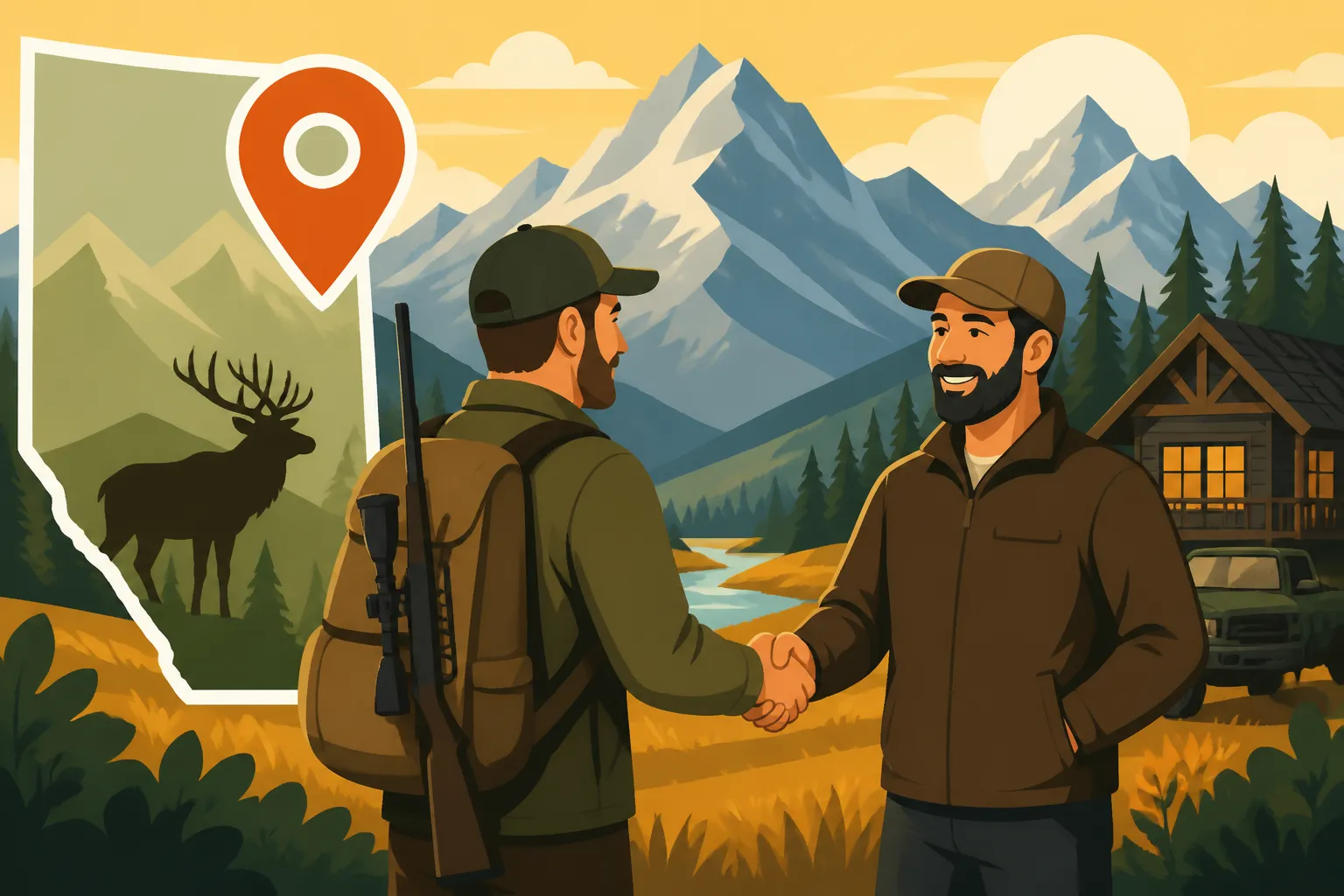
So, you've been dreaming of hunting the vast landscapes of Alberta, maybe for a trophy whitetail, a big mule deer, or even a formidable moose. You've heard the stories, seen the photos, and the call of the wild is strong. But then you hit a roadblock: as a non-resident, you can't simply come up here, buy a licence, and head out on your own. It feels like a real hurdle, especially if a fully outfitted hunt isn't quite in the budget or isn't the experience you're looking for. This guide is all about navigating that challenge, specifically by understanding and, more importantly, finding a hunter host in Alberta – an option that opens up incredible opportunities for many non-resident hunters.
Understanding the Hunter Host System: More Than Just a Buddy
The hunter host system in Alberta is a unique and often misunderstood aspect of our hunting regulations, designed specifically for non-residents. It's not just about having a local friend join you in the field; it's a legally defined role with significant responsibilities. Essentially, a hunter host is an eligible Alberta resident who "hosts" a non-resident hunter, allowing them to hunt general season big game and game birds. This system is a cornerstone of how non-residents from outside Canada can experience hunting here without going through a licensed outfitter for general tags.
What a Hunter Host Can Do
A hunter host can accompany you and guide you in your hunting efforts on public land, and even help you gain access to private land. They are your direct link to understanding local conditions, game patterns, and the often-complex regulatory landscape. Think of them as your personal connection to the Alberta hunting scene, sharing their knowledge, expertise, and time. They can show you how to read the landscape, interpret sign, and understand animal behaviour unique to our province. For instance, if you're keen on Whitetail Hunting in Alberta, a host could be invaluable in showing you key habitat features like aspen bluffs or willow runs. They can introduce you to local landowners, helping you Getting Private Land Permission in Alberta, which is often critical for successful hunts in agricultural areas.
The Clear Distinction: Host vs. Guide
It's absolutely crucial to understand that a hunter host is not a paid guide. This isn't a commercial service. Alberta law strictly prohibits a hunter host from receiving any form of payment or compensation for their services. This means no cash, no gifts of equivalent value, no quid pro quo. The relationship is based on genuine friendship or a familial connection. If you're looking for a commercial service with professional guiding, you would need to look into booking an actual Hunting Guides and Outfitters in Alberta. Platforms like BookYourHunt are excellent resources for finding licensed outfitters for guided experiences, but they do not facilitate hunter host arrangements, as those are personal and non-commercial. The hunter host system is built on trust and a shared passion for the outdoors, not a transaction. Trying to circumvent these rules by paying a host, even indirectly, can lead to serious legal repercussions for both parties.
Who Qualifies to Be Your Hunter Host? The Nitty-Gritty Details
Not just anyone can step into the role of a hunter host. The Alberta government has specific criteria to ensure the integrity of the program and the safety of both the non-resident hunter and the general public. Understanding these rules is vital for both potential hosts and non-residents seeking one.
Eligibility Requirements for an Alberta Resident Host
First and foremost, your hunter host must be a bona fide resident of Alberta. This isn't just about living here temporarily; they must be a Canadian citizen or permanent resident, and have resided in Alberta for at least three months immediately prior to the day they provide hosting services. They also need to possess a valid Wildlife Identification Number (WIN) card and a current Alberta hunting licence for the species you intend to hunt. For example, if you're coming to hunt mule deer, your host needs a current mule deer licence. Furthermore, the host must not have been convicted of a serious wildlife offence within the past five years. This ensures that the people acting as hosts are responsible and law-abiding individuals who respect our wildlife resources. You can learn more about these foundational requirements, like getting a What the Wildlife Certificate Covers and a Getting an Alberta WIN Card, which are essential for any resident hunter.
The "Family and Friends" Rule
This is where the spirit of the hunter host program truly comes alive. An Alberta hunter host can only host a direct relative or a long-standing personal friend. The "direct relative" part usually means immediate family like parents, children, siblings, or grandparents. The "long-standing personal friend" rule is a bit more subjective but aims to prevent commercial arrangements masquerading as hosting. It implies a pre-existing relationship that isn't suddenly formed just for the purpose of a hunting trip. You might have known them for years through work, social circles, or shared hobbies. This rule reinforces the non-commercial nature of the host system. It's about strengthening existing bonds through shared outdoor experiences.
The Host's Responsibilities and Limitations
A hunter host takes on significant responsibility. They must accompany the non-resident hunter in the field at all times while hunting big game. This isn't a drop-off service; it's an active partnership. They are responsible for ensuring the non-resident understands and adheres to all Alberta hunting regulations, which can be quite detailed, covering everything from Alberta Big Game Season Dates to Alberta Blaze Orange and Safety Rules. They also need to sign a declaration confirming their eligibility and relationship with the non-resident. This declaration, along with the non-resident's licence, must be carried while hunting. It's a serious commitment, highlighting why finding a truly dedicated host is so important.
The Quest for a Hunter Host: Practical Steps and Common Challenges
Now that you understand what a hunter host is and who can be one, the burning question remains: how do you actually find one? This is often the trickiest part, as it's not a service you can simply purchase.
Networking and Personal Connections are Key
Since compensation is strictly forbidden, finding a hunter host relies heavily on genuine relationships. This isn't a task for a commercial booking platform; it's about building trust and camaraderie.
- Leverage Existing Connections: Start with your own network. Do you have family members in Alberta? Friends who moved there? Even distant acquaintances? These are your strongest leads. A casual conversation might uncover a friend of a friend who hunts and would be thrilled to share their passion.
- Hunting Forums and Social Media (with caution): Online hunting communities, particularly those focused on Alberta, can be a place to start conversations. Join groups, share your passion for hunting, and engage authentically. You might find a like-minded individual who, over time, could become a genuine friend. However, be extremely wary of anyone offering hosting services for a fee or suggesting any kind of compensation. That's a huge red flag and illegal. The goal here is genuine connection, not a marketplace.
- Hunting Shows and Events: Attending hunting expos or conservation events, even if outside Alberta, can be a great way to meet people. Many Albertan hunters travel to larger shows. Striking up conversations, sharing stories, and making genuine connections can sometimes lead to future friendships that might, eventually, open the door to a hosted hunt.
Ethical Considerations and Building Trust
Because the hunter host relationship is so personal and non-commercial, ethics and trust are paramount.
- Be Patient and Respectful: Don't expect to find a host overnight. Building a genuine friendship takes time. Approach potential hosts with respect for their time, knowledge, and the privilege they would be extending to you.
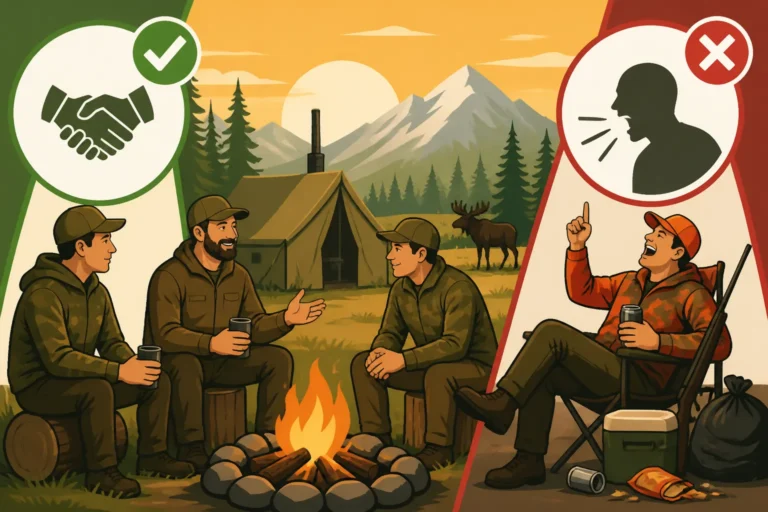
- Offer to Contribute (Non-monetary): While you cannot pay for hosting services, you can certainly contribute to the shared experience. Offer to cover gas costs, bring high-quality gear, help with camp chores, or share your own hunting knowledge and experiences from your home region. These gestures show respect and appreciation for their effort and time.
- Be a Responsible Hunter: Once you find a host, uphold your end of the bargain by being a safe, ethical, and knowledgeable hunter. Respect game laws, shoot straight, and follow their lead on local customs and practices. Your behaviour reflects not only on you but also on your host. If you're looking for detailed information on the rules, understanding topics like Rules for Non-Residents Hunting Alberta will be crucial.
Navigating the Nuances: What to Expect and How to Prepare for a Hunter-Hosted Hunt
Securing a hunter host is a fantastic achievement, but it's just the beginning. A successful hunter-hosted hunt requires careful planning, clear communication, and a realistic understanding of what the experience entails. This isn't a concierge service; it's a team effort.
Pre-Hunt Planning and Communication
Once you've established a solid connection with a potential host, meticulous planning becomes essential.
- Define Expectations: Sit down (virtually or in person) and have a frank discussion about what each of you expects from the hunt. What species are you targeting? What areas will you hunt? What are the logistics for travel, accommodation, and food? How many days will you hunt? Are you prepared for Hunting Alberta Winter Weather Safely if it's a late-season hunt? A good starting point would be to review Alberta's Wildlife Management Units and discuss which WMU offers the best opportunity for your desired species.
- Licensing and Paperwork: Your host will help you navigate the licensing process. As a non-resident, you'll need to purchase a specific non-resident hunting licence, and your host will have to complete their portion of the declaration. Ensure all paperwork is in order well in advance. Understanding Alberta Resident Licence Options and the specific non-resident options is critical.
- Gear and Logistics: Discuss what gear you need to bring versus what your host might provide (e.g., specific calls, blinds, processing equipment). Consider travel arrangements, lodging (camping, hotels, or staying with your host), and food plans. If you're coming from far away, platforms like GoHunt can provide useful regional insights for trip planning, even if they don't help with finding the host directly.
During the Hunt: Teamwork and Adaptability
The actual hunt will be a blend of your skills and your host's local expertise.
- Follow Your Host's Lead: While you are the hunter, your host knows the local terrain, animal patterns, and weather quirks. Be open to their suggestions and tactics. They might recommend specific strategies, like Rattling and Calling Whitetails in Farm Country or Spot-and-Stalk Mule Deer in Alberta, based on their experience.
- Shared Responsibilities: Remember, this is a partnership. Be ready to pull your weight – whether it's setting up camp, cooking meals, scouting, tracking, or assisting with game retrieval and processing. Many hands make light work, especially when it comes to quartering a moose alone in the bush or getting a deer out on a frozen trail.
- Safety First: Always prioritize safety. Your host will likely emphasize local safety protocols, especially in bear country or during cold weather. Always know where your hunting partners are and adhere to safe firearm handling practices.
Post-Hunt: Gratitude and Future Prospects
Even after the hunt is over, the relationship doesn't end.
- Express Your Gratitude: A heartfelt thank you, perhaps a thoughtful, non-monetary gift (like a piece of gear, a nice meal out, or something from your home region), and offering to host them in your area in the future goes a long way.
- Share the Experience: Share photos and stories. A successful hunt, regardless of a filled tag, creates lasting memories and strengthens bonds. This kind of shared experience is what often leads to repeat hosted hunts and lifelong friendships.
| Feature | Hunter Host System (Alberta) | Guided Hunt (Alberta) |
|---|---|---|
| Eligibility | Alberta Resident (friend or family) | Licensed Alberta Outfitter/Guide |
| Compensation | Strictly PROHIBITED | Commercial service, fees apply |
| Accompaniment | Host must accompany hunter in field | Guide accompanies hunter in field |
| Licences | Non-resident obtains general licence | Outfitter may provide allocation tags (Special Licences) |
| Access | Host assists with general season public/private land access | Outfitter has specific allocated areas/tags |
| Relationship | Personal, friendship-based | Professional, client-based |
| Cost | Primarily personal expenses (travel, food, gear) | Significant fees for services, accommodation, etc. |
| Booking Method | Personal networking, existing relationships | Booking platforms (e.g., BookYourHunt), direct contact |
Finding a hunter host in Alberta is certainly a different path than simply booking a guided trip, but for those willing to put in the effort to build genuine relationships, it can lead to incredibly rewarding hunting experiences and lasting friendships. It's an authentic way to experience Alberta's hunting heritage through the eyes of a local.
Disclaimer
This article is for general informational purposes only and does not constitute professional advice. Laws, prices and regulations vary by location and change over time. Consult a qualified professional for guidance on your specific situation.