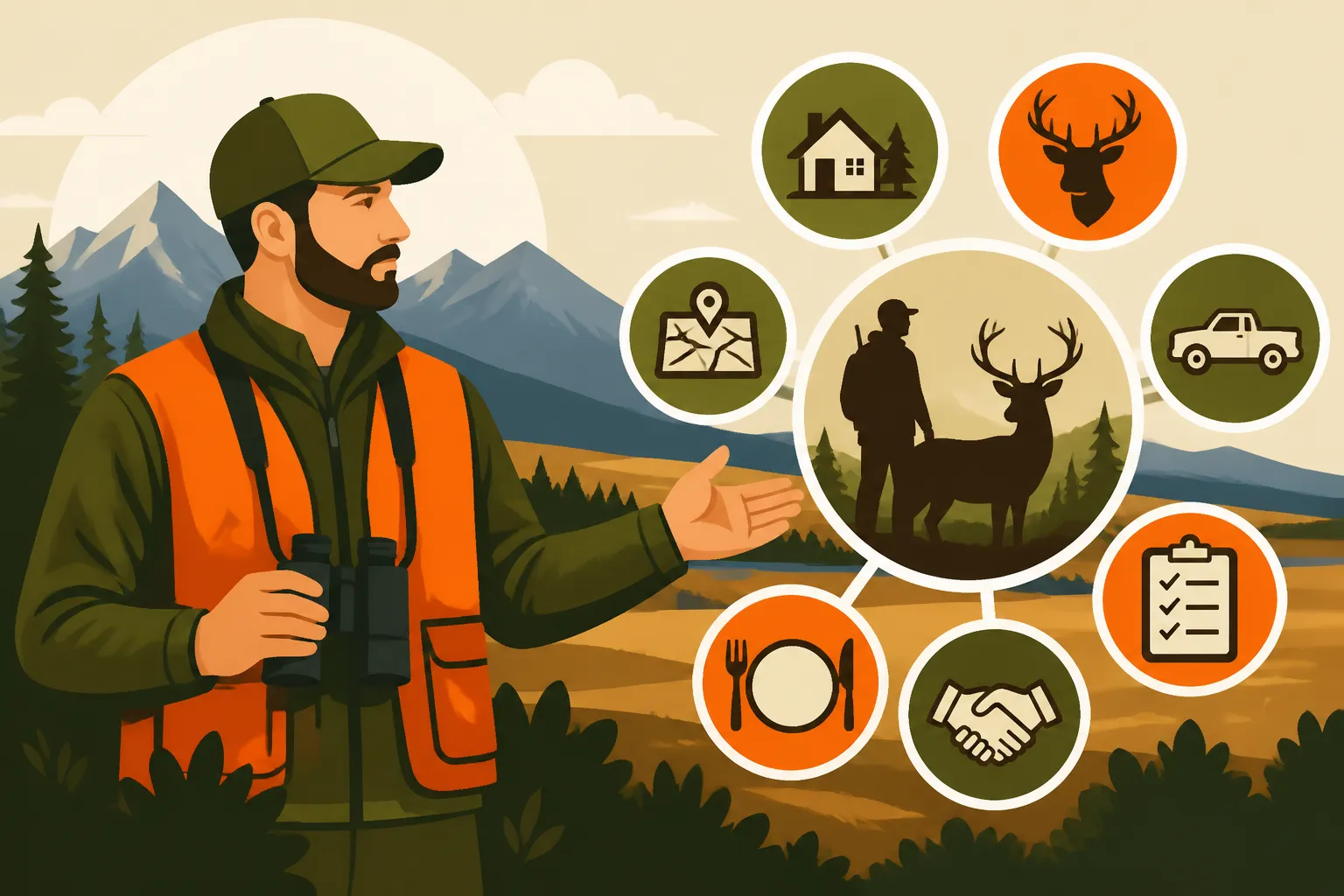
What a Hunter Host Is Responsible For
For many non-resident hunters eyeing Alberta’s incredible big game opportunities, the idea of a "hunter host" can be a bit of a mystery, or even a source of frustration if they misunderstand the rules. You've heard the term, but what exactly does it entail? It's not just about having a friend from Alberta with you; there are specific, crucial responsibilities that your host takes on, and understanding these is key to a legal, ethical, and successful hunting trip. This guide will break down precisely what an Alberta hunter host is responsible for, from legal obligations to practical support, ensuring everyone is on the same page before heading into the field.
Understanding the Hunter Host Concept in Alberta
Alberta has a unique system for non-resident hunters, distinguishing between non-resident Canadian hunters (from other provinces) and non-resident alien hunters (typically from the United States or other countries). For many species, especially big game like moose or deer, non-resident alien hunters are required to hunt with either a licensed outfitter or a designated hunter host. This system isn't just bureaucratic red tape; it's designed to protect Alberta's wildlife resources, ensure ethical hunting practices, and provide local expertise to those less familiar with our vast and diverse landscapes.
Who Can Be a Hunter Host?
This isn't a casual invitation. A hunter host in Alberta must meet very specific criteria, and it's far more than just being a friendly local with a hunting license. The host must be an Alberta resident who is eligible to hold a hunting licence for the species being hunted, and critically, they must have a bona fide personal relationship with the non-resident hunter. This means a genuine, pre-existing relationship, not someone you met online five minutes before the season opener.
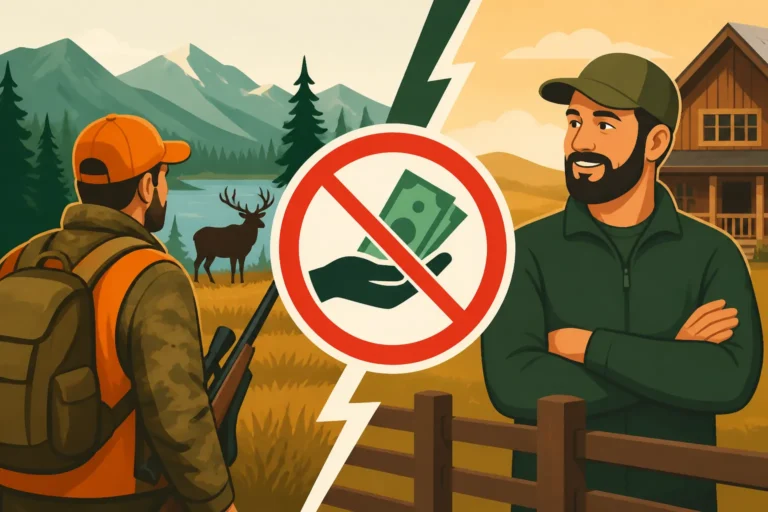
The regulations are quite clear on this: the host cannot be compensated in any way for their services. This isn't a side gig; it's a genuine act of hospitality and mentorship. They also need to have held a valid Alberta hunting license in two of the three years immediately preceding the current hunting season. This ensures they have recent experience and familiarity with our regulations. Essentially, your hunter host is someone deeply invested in the sport, with a track record of ethical hunting in Alberta, who genuinely wants to share that experience with you. It’s about more than just finding someone to fill a legal requirement; it's about finding a true hunting partner.
The Legal Framework and Its Intent
Alberta's hunter host system is rooted in the province's desire to manage wildlife sustainably while still allowing non-residents to experience our incredible hunting opportunities. The intent is multi-faceted:
- Wildlife Conservation: By requiring non-residents to hunt with an experienced resident, the system aims to reduce potential issues related to misidentification of species, boundary violations, or misunderstanding of complex regulations.
- Safety: An experienced local host brings an invaluable understanding of local terrain, weather conditions, and potential hazards, contributing significantly to a safer hunt.
- Ethical Hunting: The host acts as a mentor and guide, ensuring that the non-resident adheres to all ethical hunting practices and maintains a high standard of sportsmanship.
- Fair Chase: It helps maintain the integrity of fair chase principles, preventing practices that might be acceptable elsewhere but not in Alberta.
The legal framework specifies that the hunter host is ultimately responsible for ensuring that the non-resident hunter complies with all provincial and federal hunting regulations. This is a significant responsibility and highlights why the relationship and trust between host and hunter are so paramount. It’s a system built on accountability, ensuring that our wildlife resources are respected and managed for everyone.
Core Responsibilities of an Alberta Hunter Host
When an Alberta resident agrees to be a hunter host, they are signing up for a lot more than just showing a friend around. They are taking on serious legal and ethical responsibilities that directly impact the non-resident’s hunt and the reputation of hunters in Alberta. It's a commitment that should not be taken lightly by either party.
Direct Supervision and Presence
Perhaps the most critical and often misunderstood responsibility of a hunter host is the requirement for direct, in-person supervision. The hunter host must be physically present with the non-resident hunter at all times when the non-resident is hunting. This isn't a suggestion; it's a legal mandate. You can't just drop your non-resident buddy off at a stand and pick them up at dark. You can't let them walk a cutline while you scout another area. If the non-resident is hunting, the host must be there, within reasonable communication distance, ready to advise and supervise.
Imagine a scenario: you're hunting whitetails in the aspen parkland, and your non-resident friend spots a buck from a blind. If you've walked 500 yards away to check a scrape, and they take a shot without you being present, both of you could be facing serious charges. The host's presence ensures immediate guidance on legalities like target identification, shot placement, and adherence to rules regarding proximity to roads or residences. This continuous presence provides an invaluable layer of safety and compliance. It’s about active participation, not just passive permission.
Adhering to Alberta's Hunting Regulations
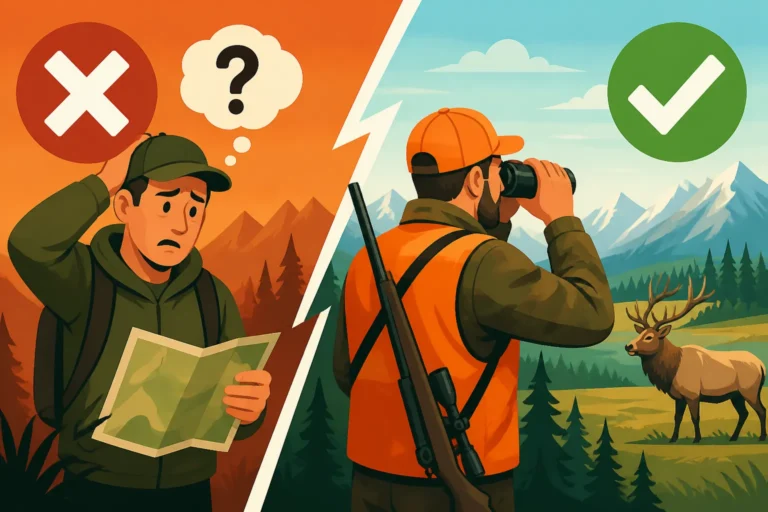
The hunter host acts as the primary interpreter and enforcer of Alberta's extensive hunting regulations for the non-resident. While the non-resident hunter is also responsible for knowing the rules, the host holds the ultimate accountability in the eyes of the law. This means the host needs to be intimately familiar with:
- WMU Boundaries: Knowing exactly where you are and ensuring you're in the correct Wildlife Management Unit for your tags. Reading an Alberta WMU Map Before You Go can be a great tool, but the host needs to be the expert on the ground.
- Season Dates and Times: Ensuring the hunt takes place within legal shooting hours and during the open season for the specific species and WMU. Alberta Big Game Season Dates are complex and vary greatly.
- Species Identification: Accurately identifying legal game, especially in areas where similar species or antler restrictions are in place. For instance, distinguishing between a legal antlered mule deer and one that falls below the minimum points rule.
- Bag Limits and Tagging: Making sure the non-resident understands and adheres to bag limits, and properly tags any harvested animal immediately after the kill.
- Land Access: Guiding the non-resident on appropriate public land use and ensuring proper permission is obtained for hunting on private land. Alberta Landowner Permission Law is something every hunter host must master.
The host is effectively acting as a guide, albeit an unpaid one, ensuring that every aspect of the hunt aligns with Alberta's legal framework. This means they need to be vigilant, proactive, and willing to step in if a non-resident is about to make a mistake.
Practical Duties and Ethical Considerations
Beyond the strict legal requirements, a truly effective hunter host takes on a number of practical and ethical duties that enrich the non-resident's experience and uphold the integrity of hunting in Alberta. This is where the "host" aspect of the title really shines, as they share their knowledge, passion, and commitment to responsible outdoor recreation.
Providing Knowledge and Guidance
An Alberta hunter host brings a wealth of local knowledge that is simply irreplaceable. They understand the nuances of the landscape, the specific habits of local game, and the best strategies for success. This includes:
- Terrain Expertise: Guiding the non-resident through challenging terrain, whether it's navigating dense boreal forest for moose or traversing the vast coulees for mule deer. Hunting a Prairie Coulee Bottom requires a different skill set than Hunting a Boreal Muskeg Edge.
- Animal Behavior: Sharing insights into how local game react to weather changes, feeding patterns, and rutting behavior. When to use calls, when to sit tight, where animals bed down – these are all critical pieces of information. For example, knowing When the Whitetail Rut Peaks in Farm Country can make or break a hunt.
- Hunting Techniques: Instructing on specific techniques relevant to Alberta, such as effective glassing in open country, still-hunting in thick timber, or tracking in fresh snow. They might demonstrate how to properly execute a Rattling and Calling Whitetails in Farm Country sequence or the art of Spot-and-Stalk Mule Deer in Alberta.
- Pre-Scouting: Ideally, a dedicated host will have put in the time Scouting an Alberta WMU Before Season, identifying prime locations, game trails, and potential bedding areas. This groundwork is invaluable.
This guidance isn't just about finding an animal; it's about teaching the nuances of Alberta hunting, helping the non-resident develop their skills, and fostering a deeper appreciation for the experience.
Ensuring Safety and Welfare
Safety is paramount in any hunting endeavor, and the hunter host plays a crucial role in maintaining a safe environment for both themselves and their guest. This includes:
- Firearms Safety: Ensuring responsible handling, transport, and use of firearms or bows at all times. This means knowing and enforcing basic safety rules, safe zones of fire, and appropriate distances.
- Field Safety: Advising on appropriate clothing for Alberta's often unpredictable weather, discussing potential hazards like icy terrain or encounters with other wildlife (such as bears), and ensuring proper communication. Hunting Alberta Winter Weather Safely requires specialized preparation.
- Emergency Preparedness: Having a plan for emergencies, including knowing where the nearest medical facilities are, carrying a first-aid kit, and having reliable communication devices, especially when hunting in remote areas where cell service is non-existent.
- Meat Care: Guiding the non-resident on proper field dressing and meat care, which is crucial for preserving the harvest, especially in varying Alberta temperatures. Meat Care in Alberta's Cold and Warm Swings can be challenging.
The host is responsible for making sure the non-resident is not only hunting legally but also safely, minimizing risks and being prepared for unforeseen circumstances.
Respecting Land and Other Users
Alberta's hunting landscape is a mosaic of Crown land, private land, and various access restrictions. A hunter host is responsible for ensuring the non-resident respects these boundaries and other land users.
- Private Land Permission: Explicitly demonstrating and adhering to the process of obtaining written permission before entering private land, explaining the Alberta Trespass Act and Hunting and why it's so important to build good relationships with landowners. Getting Permission for a Goose Field is a prime example where permission is non-negotiable.
- Crown Land Etiquette: Guiding the non-resident on responsible use of public lands, including understanding specific Public Land Use Zone (PLUZ) rules, respecting other recreational users, and practicing Leave No Trace principles. Vehicle Rules on Alberta Crown Land or Camping Rules on Alberta Crown Land vary by area and need to be understood.
- Wildlife Management: Ensuring that the non-resident understands the broader conservation goals behind hunting regulations, fostering an appreciation for ethical harvest limits and sustainable practices.
By embodying responsible land stewardship, the hunter host helps ensure that hunting remains a respected activity in Alberta, both by landowners and the general public.
Common Misconceptions and What a Host Isn't
Despite the clear guidelines, there are still some pervasive misunderstandings about the hunter host role. It's vital to clarify what a hunter host is not to prevent unintended legal or ethical infractions. Knowing these distinctions can save both the host and the non-resident a lot of trouble.
Not a Paid Professional Guide
This is perhaps the most critical distinction. An Alberta hunter host cannot charge money or receive any form of compensation for their services. This means no fees for guiding, no payments for accommodation, no exchange of goods or services as direct payment for the hunting assistance. The relationship must be truly personal, a friendship where the host is genuinely sharing their passion and time, not operating a business.
If money changes hands, that immediately moves the activity into the realm of commercial guiding, which requires specific outfitter permits and licenses. Platforms like BookYourHunt or GoHunt are excellent resources for finding licensed outfitters who operate legally and provide paid services, but they are not for finding hunter hosts. The hunter host concept is a distinctly non-commercial arrangement, designed to facilitate a personal hunting experience, not a commercial one. Trying to operate a paid guiding service under the guise of a hunter host is illegal and can result in severe penalties for both parties.
Not a "Drop-Off" Service
Another common misconception is that a hunter host can simply facilitate the non-resident's presence in Alberta and then let them hunt independently. This is absolutely incorrect. As discussed, the host must be physically present with the non-resident hunter at all times while the non-resident is hunting. This isn't a loophole for getting a non-resident access to Alberta's hunting grounds without a guide.
You can't just drive your friend to a piece of Crown land, point them in a direction, and tell them to meet you back at the truck at sunset. If the non-resident is actively hunting—whether sitting in a stand, walking a trail, or glassing a ridge—the host needs to be there with them. This ensures immediate supervision, problem-solving, and adherence to regulations. This might mean adapting hunting styles, such as Hunting a Cutline for Moose at First Light together, or Glassing an Alberta Coulee for Mule Deer side-by-side. The intent is to have an experienced local eye and ear always present during the hunt itself.
| Feature | Hunter Host | Licensed Guide/Outfitter |
|---|---|---|
| Compensation | Cannot receive any payment or compensation | Charges fees for services |
| Relationship | Must have a bona fide personal relationship | Professional client relationship |
| Residency | Alberta Resident (specific criteria) | Can be resident or non-resident, licensed |
| Legal Mandate | Direct, physical supervision of non-resident | Direct supervision of non-resident |
| Focus | Personal experience, mentorship, shared passion | Commercial service, success-oriented |
| Advertising | None (personal arrangement only) | Actively markets services (e.g., on GoHunt) |
| Liability | Significant personal legal responsibility | Commercial insurance and legal responsibility |
The Benefits of a Good Hunter Host Relationship
When done correctly, a hunter host relationship offers incredible benefits, not just for the non-resident, but for the host and the wider hunting community in Alberta. It's a testament to the camaraderie and spirit of sharing that defines our hunting culture.
Enhancing the Non-Resident's Experience
For a non-resident, having a reliable and knowledgeable hunter host is often the gateway to an unparalleled hunting adventure in Alberta.
- Local Access: A host can often provide access to private lands through existing relationships with landowners, or navigate complex public land boundaries that might be daunting for an outsider. This could mean Hunting a Quarter Section You Just Got with permission, or knowing how to approach Asking an Alberta Landowner for Permission.
- Increased Success Potential: With a local's expertise, the non-resident stands a much better chance of understanding game patterns, finding productive areas, and ultimately, having a successful harvest. A host's knowledge of Where Alberta Grows the Biggest Whitetails or Where Alberta's Biggest Mule Deer Live is invaluable.
- Cultural Immersion: Beyond the hunt itself, a host offers a genuine immersion into Alberta's hunting culture, sharing stories, traditions, and the unique aspects of hunting in our province. It's an opportunity to forge lasting friendships and truly experience the region.
- Learning Opportunity: For new or less experienced hunters, having a mentor present who can teach practical skills, ethical considerations, and the nuances of Hunting the Rut in Early November or Hunting Deep Cold Late in the Season is incredibly valuable.
This personal connection elevates the hunt from a mere transaction to a rich, memorable experience filled with learning and camaraderie.
Upholding Alberta's Hunting Heritage
The hunter host system, when practiced conscientiously, plays a vital role in maintaining the health and reputation of hunting in Alberta.
- Mentorship and Knowledge Transfer: It fosters a culture of mentorship, where experienced hunters pass on their knowledge and ethical values to others, ensuring that future generations understand and respect our wildlife resources.
- Ethical Practices: By having a resident directly responsible for the non-resident's adherence to rules, it reinforces ethical hunting practices and helps prevent incidents that could damage the public image of hunting.
- Community Building: These relationships build bridges between local and visiting hunters, strengthening the overall hunting community and fostering mutual respect and understanding across geographical lines.
- Conservation Support: Ultimately, by ensuring responsible hunting, the hunter host system indirectly supports conservation efforts, helping to maintain healthy wildlife populations and preserve hunting opportunities for all. Alberta's WIN Card and Wildlife Certificate are both essential parts of this system, with the Wildlife Certificate fees directly supporting conservation.
Being an Alberta hunter host is a significant undertaking, demanding knowledge, commitment, and a strong sense of responsibility. But for those who embrace it, it's a rewarding experience that enriches the lives of both the host and the non-resident, all while contributing positively to Alberta's proud hunting heritage.
Disclaimer
This article is for general informational purposes only and does not constitute professional advice. Laws, prices and regulations vary by location and change over time. Consult a qualified professional for guidance on your specific situation.