Vehicle Rules on Alberta Crown Land
Venturing onto Alberta's vast Crown land with your vehicle offers incredible access to hunting opportunities, but it can also be a confusing maze of regulations. Many hunters have felt that frustration of wondering if their truck or ATV is even allowed on that promising trail, or if they're accidentally breaking a rule they didn't even know existed. This guide aims to demystify the vehicle rules on Alberta Crown land, helping you navigate these areas legally and responsibly so you can focus on the hunt.
Understanding Alberta's Crown Land and Its Vehicle Access Philosophy
Alberta is fortunate to have extensive tracts of Crown land, areas managed by the provincial government, open for public use including hunting. However, "open for use" doesn't mean "open for anything," especially when it comes to vehicles. The rules are designed to balance public access with environmental protection, wildlife habitat preservation, and maintaining a positive experience for all users. The underlying philosophy is to minimize damage to sensitive ecosystems, prevent erosion, and reduce disturbance to wildlife, particularly during critical times like calving or nesting seasons.
The Green Area Versus White Area Distinction
One of the first things you need to understand when discussing Crown land in Alberta is the fundamental difference between the "Green Area" and the "White Area." This distinction heavily influences vehicle access.
- The Green Area: This is primarily the forested and mountainous regions of Alberta, generally north of Highway 16 and west of Highway 2. It’s where you'll find much of Alberta's wild country, vast tracts of timber, foothills, and mountains. The Green Area is largely unalienated Crown land, meaning it hasn't been sold for private ownership, and vehicle rules here often prioritize conservation and regulated use, particularly for off-highway vehicles (OHVs). Access often relies on existing road networks like forestry roads, cutlines, and seismic lines, but even these have specific rules. This is where most of the dedicated Public Land Use Zones (PLUZs) exist, which we'll dive into shortly. Understanding Alberta's Green Area and White Area is crucial for any hunter.
- The White Area: This encompasses the settled, agricultural, and urbanized parts of the province, primarily the southern and central prairie and parkland regions. While there's still Crown land in the White Area, it's often smaller, fragmented parcels, such as river valleys, natural areas, or provincial grazing reserves, often interspersed with private land. Vehicle access here is generally much more restricted to established public roads, and off-road travel is rarely permitted. The focus is on preventing damage to agricultural land and reducing conflict with landowners.
Many hunters use mapping tools like onX Hunt to clearly identify Crown land boundaries and whether they are in the Green or White Area, which can save a lot of headaches and potential fines.
The Rationale Behind Vehicle Restrictions
It might feel like these rules are just there to make things difficult, but there’s sound reasoning behind them. Consider the impact of indiscriminate vehicle use:
- Environmental Damage: Driving off-trail can cause significant erosion, especially in wet conditions or on steep slopes. It can destroy delicate vegetation, create ruts that become permanent scars on the landscape, and disrupt natural drainage patterns.
- Wildlife Disturbance: Vehicles can push wildlife out of critical habitats, disturb them during sensitive periods, and disrupt their natural movement patterns. This is particularly true in remote areas where animals are less accustomed to human presence.
- User Conflict: Hunters, hikers, horseback riders, and nature observers all share Crown land. Uncontrolled vehicle use can create noise pollution, dust, and safety concerns, detracting from the experience of others seeking solitude or a quieter outdoor pursuit. Imagine trying to Bugling Elk in Alberta's Foothills when quads are roaring nearby.
- Habitat Degradation: Repeated vehicle traffic can compact soil, making it harder for plants to grow, and can introduce invasive species if mud and seeds are carried from one area to another.
- Safety: While less talked about, regulated trails and roads are often safer. Driving off-trail can lead to getting stuck, vehicle damage, or even serious accidents in remote areas, putting both the driver and search and rescue personnel at risk.
These rules aren't arbitrary; they're a collective effort to ensure that Alberta's Crown land remains healthy and accessible for generations to come.
General Vehicle Rules Across Alberta Crown Land
When you're out hunting, the general rule of thumb is to stick to designated roads and trails. This applies to all types of vehicles, from your pickup truck to your off-highway vehicle (OHV). Knowing what constitutes a "designated" path is key.
Rules for Highway-Legal Vehicles (Trucks, SUVs, Cars)
For your everyday truck, SUV, or car, the rules on Crown land are relatively straightforward:
- Stick to Established Public Roads: This means highways, secondary roads, and major forestry roads that are clearly signed and maintained. Think of the main arteries that get you into an area.
- No Off-Roading: You cannot drive your highway-legal vehicle off these established roads. This includes driving across fields, through the bush, or even creating new tracks. If there isn't a clear, established road or trail, assume it's off-limits for your truck.
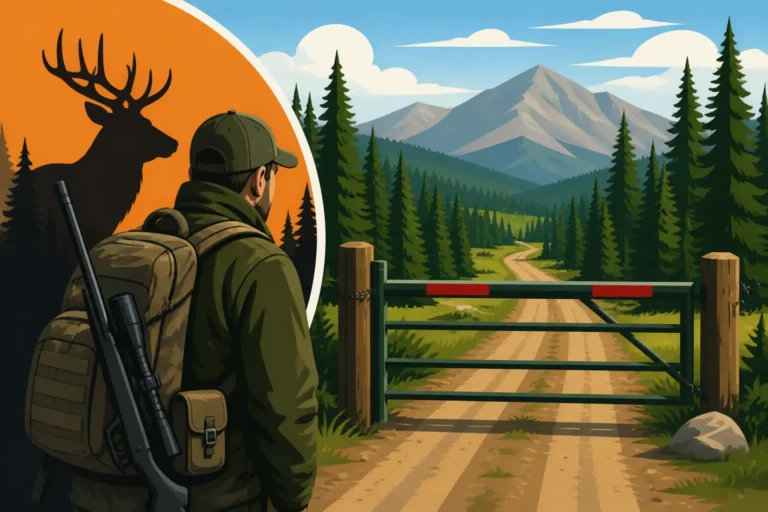
- Respect Road Closures and Gates: Many forestry roads and access points have seasonal closures or gates, especially in the spring during thaw when roads are most vulnerable to damage, or in specific management areas. Always obey these closures, even if they seem inconvenient. Ignoring a "Road Closed" sign can lead to hefty fines and environmental damage. Knowing about Alberta Forestry Road Access and Gates is really important here.
- Parking: You can usually pull off to the side of an established road to park, provided you are not blocking traffic, access points, or creating a hazard. However, parking directly on sensitive vegetation or in wetlands is not permitted.
It's common for hunters to drive their trucks as far as legally possible, then transition to walking or using an OHV (where permitted) to access deeper areas.
Rules for Off-Highway Vehicles (OHVs)
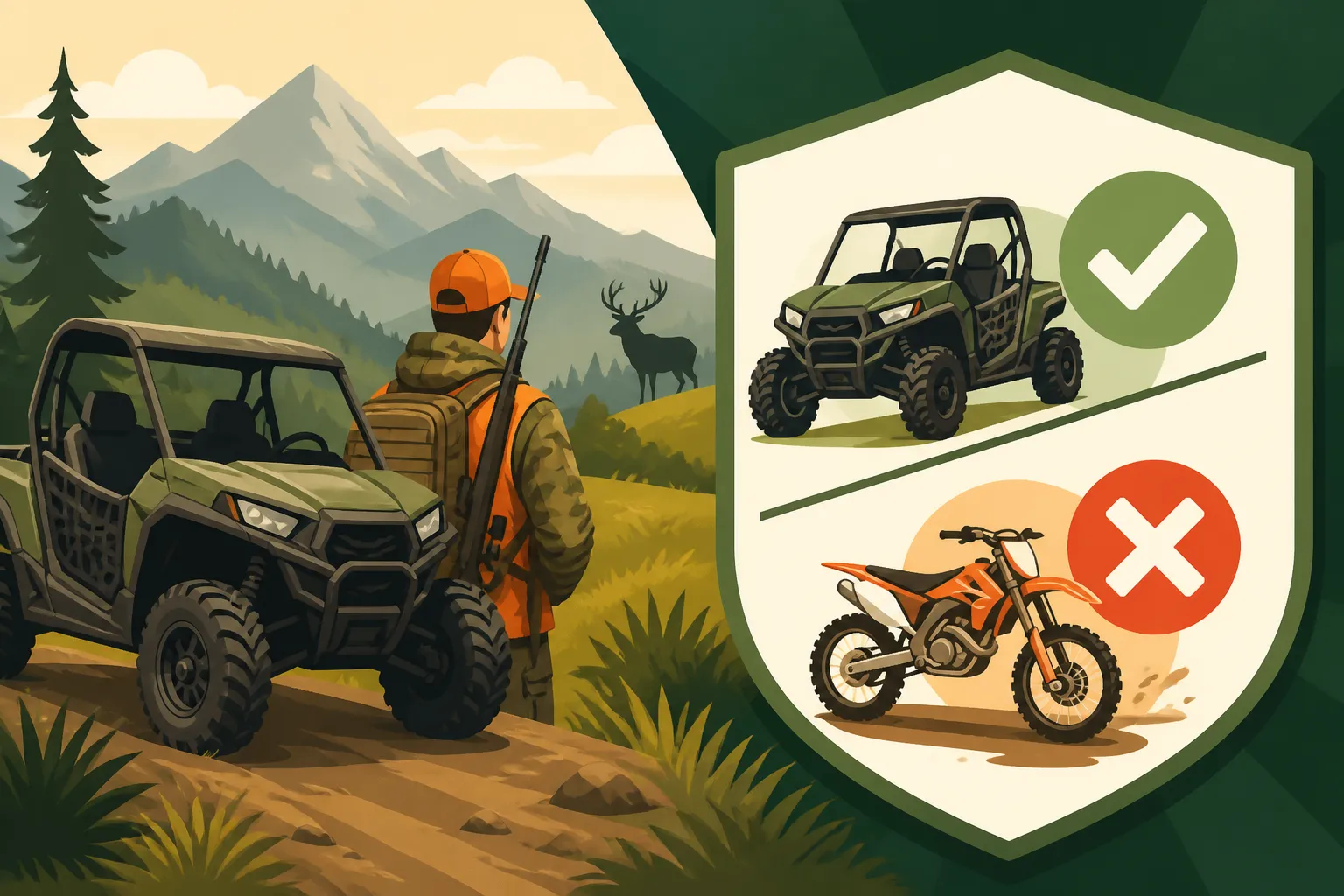
This category includes ATVs (quads), side-by-sides, dirt bikes, and snowmobiles. OHV rules are generally more complex and vary significantly depending on where you are.
- General Green Area Rules: In the Green Area, OHVs are generally permitted on designated trails, legacy trails, and industrial access routes (like cutlines and seismic lines), unless specifically prohibited by signs or land-use regulations. It’s a bit of a nuanced approach where you need to look for restrictions rather than explicit permissions, but that isn't always the case.
- White Area Restrictions: In the White Area, OHV use is much more restricted. Generally, OHVs are not permitted off established roads, unless you have explicit permission from a specific landowner (if it's private land) or if it's within a very specific, designated OHV area. Fragmented Crown land parcels in the White Area rarely allow OHVs for hunting access.
- Designated Trails are Key: This cannot be stressed enough. Many popular hunting areas in the Green Area have designated OHV trail systems. These are the trails you are allowed to use. Venturing off a designated trail is typically prohibited and can cause significant environmental harm, especially if you’re Hunting a Frozen Muskeg Trail and break through.
- Restrictions Near Water Bodies: A critical rule across all Crown land is the restriction on operating OHVs near water bodies. You cannot operate an OHV in or through any stream, river, lake, or wetland. There are often buffer zones, typically 30 meters (about 100 feet), that you must stay away from these areas to prevent pollution and habitat destruction. Crossings are only permitted at designated bridges or hardened crossings.
- Licensing and Registration: All OHVs operating on Crown land (and public roads) must be registered and insured, and the operator must hold a valid driver's license. This is not just a safety measure but a legal requirement.
- Helmets: Helmets are mandatory for all OHV operators and passengers on Crown land. No exceptions, even if you're just moving camp.
- Environmental Considerations: Be mindful of conditions. If trails are excessively muddy, deeply rutted, or experiencing extreme erosion, consider if your OHV use is truly responsible or if it's contributing to environmental damage. Sometimes, walking is the better choice, even if an OHV is technically allowed.
Rules on Provincial Grazing Reserves
Alberta's Provincial Grazing Reserves are a unique type of Crown land found primarily in the White Area. They are managed for livestock grazing but often offer hunting opportunities.
- Access for Hunting: Hunters can typically access Grazing Reserves for hunting during open seasons, but vehicle access is often highly restricted.
- Respect for Livestock Operations: Always remember these are working ranch lands. Close gates, do not disturb livestock, and stick to main access roads.
- Limited Vehicle Use: OHV use is generally not permitted off designated main roads, and even then, permission from the grazing reserve manager is often required, particularly for anything beyond direct access to an area. In many cases, you'll need to leave your vehicle and walk in to hunt. Learning more about Hunting a Provincial Grazing Reserve can provide specific details.
Navigating Public Land Use Zones (PLUZs)
Public Land Use Zones (PLUZs) are specific areas within Alberta's Green Area that have their own set of enhanced regulations, particularly concerning vehicle use, camping, and other recreational activities. These zones are designed to manage high-use areas, protect sensitive ecosystems, and reduce user conflict. If you plan to hunt in the foothills or mountains, you'll almost certainly encounter a PLUZ.
What Makes PLUZs Different?
Unlike general Crown land, PLUZs have specific, often more stringent, rules regarding:
- Designated Trails Only: The biggest difference for vehicle users is that OHVs are almost exclusively restricted to designated OHV trails within a PLUZ. You cannot simply drive on any old cutline or seismic line. If a trail isn't explicitly marked as open for OHVs, assume it's closed. This is where detailed maps, like those available on onX Hunt, become indispensable. These maps often overlay PLUZ boundaries and designated trail networks.
- Seasonal Closures: Many PLUZs have seasonal closures for certain trails or areas, particularly during spring melt-off or critical wildlife periods. Always check the specific PLUZ regulations before you go.
- Camping Regulations: While not strictly about vehicles, camping rules often go hand-in-hand with vehicle access in PLUZs. Random camping might be restricted to certain areas, require permits, or have limits on stay duration.
- Firewood and Fires: Some PLUZs have restrictions on open fires or require you to bring your own firewood.
Key PLUZs and Their Vehicle Considerations
Alberta has several prominent PLUZs, each with its own character and rules. Here are a few examples:
- The Ghost Public Land Use Zone: Located west of Calgary, the Ghost PLUZ is a very popular area for hunting, fishing, and OHV recreation. Its proximity to a major urban center means it sees heavy use, leading to some of the strictest vehicle regulations. Many trails here are explicitly designated, and venturing off them is strictly prohibited. Understanding Hunting the Ghost Public Land Use Zone is critical if you plan on visiting.
- McLean Creek Public Land Use Zone: South of the Ghost, near Bragg Creek, McLean Creek is another high-use area with a well-developed, but strictly enforced, OHV trail system. It's often where new OHV riders go to practice, but it's also important for hunters to know the rules.
- Livingstone-Porcupine Hills PLUZ: This PLUZ, stretching along the eastern slopes in southern Alberta, is a vital area for elk and other big game. Its rules are designed to protect critical wildlife habitat. Vehicle use, particularly OHVs, is often limited to major roads, and certain trails may be closed seasonally or permanently to motorized access to reduce disturbance to sensitive winter ranges or calving grounds. If you're Hunting the Livingstone Range or Hunting the Porcupine Hills, these rules are paramount.
The official Alberta government websites and regional fish and wildlife offices are the best sources for current, detailed maps and regulations for each PLUZ. It’s always best to check the most up-to-date information before heading out. While GoHunt is great for broader hunt planning, it won't have the hyper-specific, constantly updated PLUZ trail status that a dedicated provincial resource or detailed mapping app provides.
Best Practices for Responsible Vehicle Use and Avoiding Penalties
Navigating vehicle rules on Crown land doesn't have to be daunting. By adopting a few best practices, you can ensure your hunt is legal, ethical, and respectful of the land and other users.
Before You Go: Research and Planning
The most crucial step in avoiding fines and environmental damage is proactive research.
- Consult Official Sources: Always start with the official Alberta hunting regulations and the government's public land-use maps. These are the definitive sources for rules and designated areas. Look for specific regulations for the Wildlife Management Unit (WMU) you plan to hunt in, as local nuances can exist.
- Utilize Mapping Tools: Digital mapping apps are your best friend. onX Hunt (and similar apps) allow you to download maps for offline use, showing Crown land boundaries, private land, and often overlaying designated OHV trails and PLUZ boundaries. This is invaluable for real-time navigation and confirming your location relative to legal access points. You can even use it for Scouting With Satellite Imagery in Alberta before you leave home.
- Check Fire Bans and Access Restrictions: Wildfire is a constant concern in Alberta's forested areas. Always check for current fire bans and temporary land-use closures due to fire or extreme weather. These can suddenly restrict access, even to areas normally open. Where Alberta Posts Land Closure Notices is an important resource.
- Consider Conditions: Wet conditions can make many trails impassable or extremely vulnerable to damage. If the ground is saturated, consider postponing your motorized access or choosing an area with harder, more resilient trails.
On the Ground: Respect and Awareness
Once you're out there, your actions speak volumes.
- Stay on Designated Trails: This is the golden rule for OHVs in PLUZs and other regulated areas. For trucks, it means staying on established roads. "Established" means it looks like a road or a clearly used trail, not just a game trail or a faint track through the grass.
- Observe Posted Signage: Signs are there for a reason. "No Motorized Vehicles," "Trail Closed," "Seasonal Closure," "Wildlife Habitat Area – No Access" – these signs override any general assumptions you might have. Always obey them.
- Leave No Trace: Even if you're driving on a legal trail, avoid littering and practice general Leave No Trace principles. This extends to your vehicle; ensure it's in good repair and not leaking fluids that could contaminate the environment.
- Be Considerate of Others: Slow down around other users – hikers, horseback riders, mountain bikers, or other hunters. A simple wave and reducing dust or noise go a long way in fostering a positive multi-use environment. Remember, you might be Hunting Alberta's Foothills Country while others are just enjoying a quiet hike.
- Report Violations: If you witness someone abusing vehicle rules and damaging the land, consider reporting it to Alberta Fish and Wildlife. Responsible users are part of the solution in protecting these resources.
Consequences of Non-Compliance
Breaking vehicle rules on Crown land is not a minor infraction. Penalties can include:
- Significant Fines: Alberta's provincial acts (such as the Public Lands Act, Environmental Protection and Enhancement Act, and Off-highway Vehicle Act) carry substantial fines for various offenses, including unauthorized vehicle use, operating in restricted areas, and causing environmental damage.
- Vehicle Seizure: In serious or repeated cases, your vehicle or OHV can be seized.
- Environmental Cleanup Costs: If your actions cause significant environmental damage, you could be liable for the costs of remediation.
- Loss of Hunting Privileges: Violations can sometimes lead to a loss of hunting licences or privileges.
- Negative Reputation: Irresponsible vehicle use creates a negative image for all hunters, potentially leading to even stricter regulations for everyone.
By understanding and respecting these rules, we can all contribute to preserving Alberta's incredible wild places for hunting and other recreation. It’s about being a good steward of the land, not just a user.
Summary of Alberta's Vehicle Access Rules
Here's a quick overview of the key distinctions for vehicle use on Alberta Crown land:
| Category | Green Area (Forests, Mountains) | White Area (Agricultural, Parkland) | Public Land Use Zones (PLUZs) |
|---|---|---|---|
| Highway Vehicles | Allowed on established public roads, forestry roads. No off-roading. | Allowed on established public roads. No off-roading. | Allowed on established public roads. No off-roading. |
| OHVs (ATVs, SxS) | Generally permitted on designated trails, legacy trails, industrial access routes unless otherwise signed. | Generally not permitted off established roads, unless highly specific designated areas. | Strictly limited to designated OHV trails. All other trails are closed to OHVs unless marked otherwise. |
| Water Bodies | No operation in or through water. Maintain buffer zones. | No operation in or through water. Maintain buffer zones. | No operation in or through water. Maintain buffer zones. |
| Key Directives | Look for restrictions and specific closures. | Assume restricted access; seek permission/designation. | Always check PLUZ-specific maps and trail designations. |
| Overall Goal | Balance access with conservation and wildlife protection. | Minimize impact on agriculture and fragmented natural areas. | Manage high-use areas and sensitive habitats intensively. |
This table provides a general guide, but remember, the detailed regulations for specific WMUs or PLUZs are always the final word. Always double-check the latest Alberta hunting regulations and public land use maps before you head out. Understanding these rules protects both you and the land you love to hunt.
Disclaimer
This article is for general informational purposes only and does not constitute professional advice. Laws, prices and regulations vary by location and change over time. Consult a qualified professional for guidance on your specific situation.