Tipping an Alberta Guide
You've just wrapped up an incredible hunting adventure in Alberta, perhaps the kind of trip you've dreamed about for years. The adrenaline is fading, the stories are being retold around the campfire, and then it hits you: what exactly is the etiquette for tipping your guide? It's a common moment of hesitation for many hunters, especially those new to guided trips or coming from regions with different customs. Nobody wants to seem cheap, but you also don't want to overpay or, worse, misunderstand the expectation. This guide will help demystify the process of tipping an Alberta hunting guide, ensuring you can show your appreciation confidently and appropriately.
Understanding the "Why" Behind Tipping Your Guide
It’s easy to think of a guide’s fee as covering everything, but in the world of guided hunts, a tip serves a much deeper purpose than just a bonus. It’s a direct reflection of your satisfaction and a significant part of a guide's overall compensation. Understanding this can shift your perspective from an obligation to a genuine gesture of gratitude for their hard work and dedication.
It's More Than Just Service – It's Dedication
When you hire a hunting guide, you're not just paying for someone to point you to animals. You're paying for their years of experience, their deep knowledge of the local terrain and wildlife, and their tireless effort to make your trip successful and enjoyable. This includes everything from early morning wake-up calls and late-night scouting to packing heavy loads and ensuring your safety in rugged country. Think about the guides who have spent weeks prior to your arrival scouting, setting up camp, ensuring all the gear is in top shape, and meticulously studying game movements.
They are literally living and breathing the hunt, day in and day out, often away from their own families and comforts. They work incredibly long hours, often starting before dawn and ending long after dusk. It’s a demanding job that requires immense physical stamina, mental fortitude, and a genuine passion for the outdoors and for helping others achieve their hunting goals.
The Guide's Livelihood and the Hunt's Success
For many guides, especially those who work seasonally, tips form a crucial part of their annual income. While they receive a wage from the outfitter, that base pay might not always reflect the demanding nature of their work or the cost of living. A substantial portion of their take-home pay can depend directly on the tips they receive from satisfied clients. This isn't just about making ends meet; it's about being able to continue pursuing a profession they love and investing in their own gear and training to provide even better experiences for future clients.
Moreover, good tipping habits within the hunting community foster a culture of excellence. Guides know their efforts are recognized, which incentivizes them to go above and beyond for every hunter, regardless of the challenges presented by weather, animal behavior, or client skill level. It helps ensure that the best guides stay in the industry, continuing to offer incredible hunting opportunities in places like Alberta.
Recognizing Hard Work and Preparation
Imagine a week-long hunt. Your guide might have been up before you, making coffee and preparing breakfast, then tracking animals all day, glassing ridges, calling moose, or sitting patiently in a blind. Then they might spend the evening skinning and quartering an animal, preparing dinner, and getting camp ready for the next day, all while you relax and recount the day’s adventures. This level of comprehensive care and relentless effort extends beyond just the time you're actively hunting.
A guide often puts in countless hours of preparation before you even arrive, studying Scouting With Satellite Imagery in Alberta, getting permission for specific lands, or setting up a bear bait site. Their reputation is built on these efforts, and a tip is your way of acknowledging that you saw and appreciated every single one of those unseen efforts, not just the visible ones. It's about recognizing the sheer grit and dedication it takes to orchestrate a successful and memorable hunting experience in Alberta's diverse landscapes.
Standard Tipping Guidelines for Hunting Guides
Alright, let’s talk numbers. It's the part that often causes the most stress, but it doesn't have to be complicated. While there's no hard-and-fast rule etched in stone, there are generally accepted industry standards that most experienced hunters and outfitters adhere to. These guidelines provide a good starting point and can be adjusted based on your personal experience.
The Industry Standard Range
Across North America, and certainly here in Alberta, a typical tip for a hunting guide generally falls within 10% to 20% of the total hunt cost. This range accounts for variables and personal satisfaction. If your hunt package cost $5,000, for example, a 10% tip would be $500, and a 20% tip would be $1,000. It's a significant amount, yes, but it reflects the significant investment of time, expertise, and physical labour your guide has put into your trip.
It's always a good idea to factor this potential tip into your overall hunting budget before you even book your trip. When you're looking at different outfitters, perhaps on platforms like BookYourHunt, keep in mind that the advertised price isn't your final cost. Having that figure in mind from the outset makes the tipping process less stressful at the end of a fantastic hunt. Don't forget, this range also applies to specialized hunts, whether you're after Bighorn Sheep in Alberta's Mountains or chasing Waterfowl Hunting Alberta's Grain Fields.
Per-Day Versus Percentage of Trip Cost
Sometimes, especially for shorter hunts or those where the outfitter provides a less inclusive package, hunters might opt for a per-day tipping structure. This is less common for big game hunts but can be relevant for specific scenarios. A general range for a per-day tip might be anywhere from $100 to $300 per day, per guide, but again, this is highly variable and often still translates to a percentage of the total trip cost anyway.
For multi-day, all-inclusive big game hunts, the percentage of the trip cost is by far the most widely accepted and understood method. It automatically scales with the complexity and cost of the hunt itself. A high-value Booking an Alberta Bighorn Sheep Hunt with significant logistics and specialized guiding will naturally command a higher overall tip than a shorter, less demanding general season deer hunt, and the percentage method reflects this proportionally.
What's Generally Excluded from the Tip Calculation
When calculating your tip based on a percentage, make sure you're using the cost of the actual hunt package. This typically excludes things like your travel expenses (flights, fuel, hotel stays before/after the hunt), your hunting license fees, tags, and any personal gear purchases. For example, if your outfitter package was $7,000, and you spent an additional $1,500 on flights, licenses, and new boots, you would base your tip on the $7,000 package cost, not the grand total of $8,500.
Also, be clear on What a Guide Fee Actually Covers. Some outfitters clearly separate guide fees from camp services, or even from specific trophy prep. If you have a separate cook or a dedicated packer who isn't also your guide, their tips might be handled separately or added to a general camp tip pool. Clarify this with your outfitter beforehand to ensure everyone who helped make your trip a success is recognized fairly. You might also want to ask What is Never Included in a Package when discussing these details.
Factors That Influence Your Tip Amount
While the 10-20% range is a solid guideline, it’s just that – a guideline. Your personal experience, the guide’s performance, and even the contributions of other camp staff should all factor into where you land within that range, or even if you go above or below it. This is where the art of tipping comes in.
Effort, Attitude, and Professionalism
This is arguably the most crucial factor. Did your guide put in 110% effort every single day, regardless of conditions or your success? Were they positive, encouraging, and knowledgeable? Did they maintain a high level of professionalism, from their appearance and gear to their communication and safety protocols?
Consider these scenarios:
- Exceptional: Your guide was relentlessly optimistic even when the weather turned sour, always had a backup plan, was incredibly patient as you learned new tracking techniques, and went out of their way to share local history or wildlife facts. They never complained, were always proactive, and felt like a true partner in the hunt. This is a clear indicator for a tip at the higher end of the range, or even above.
- Solid: Your guide did everything they promised, showed up on time, knew the country, and worked hard. They were competent and pleasant, but perhaps didn’t go that extra mile that truly makes a trip unforgettable. A tip in the middle of the range (12-15%) would be appropriate here.
- Needs Improvement: While rare with reputable outfitters found on sites like GoHunt, imagine a guide who seemed disengaged, spent too much time on their phone, didn't seem to know the area well, or was just generally unprofessional. In such a scenario, you might consider a tip at the lower end of the range, or even less, but this should be accompanied by constructive feedback to the outfitter. Always give honest feedback to the outfitter if you have concerns, as this helps them improve their services.
Success and Opportunity (Not Just a Harvest)
Many hunters feel pressured to base their tip solely on whether they harvested an animal. While a successful harvest is certainly a fantastic outcome, it should not be the only metric. Hunting involves countless variables beyond a guide's control – weather, animal movement, and even your own shooting ability.
What you're tipping for is the opportunity and the experience.
- Outstanding Opportunity: Your guide put you on animals repeatedly, gave you multiple shot opportunities, scouted relentlessly, called effectively (if applicable, like when Calling a Bull Moose in the Rut), and maximized your chances, even if you ultimately missed or didn't get a shot on a trophy. This still warrants a generous tip, as they did their part to create success.
- Limited Opportunity, Maximum Effort: Despite your guide's best efforts – they worked harder than anyone, explored every corner of the WMU, changed strategies daily – the animals just weren't cooperating. This is when the "effort and attitude" factor truly shines. If your guide was still positive, made the experience enjoyable, and taught you a lot, a good tip is still deserved. They created the best possible experience given the tough conditions.
- Lack of Effort and Opportunity: If the guide seemed lazy, didn't put in the effort to find animals, and consequently, you had very few or no opportunities, this would definitely warrant a discussion with the outfitter and a lower tip.
Considering Camp Staff and Other Support
Often, your primary guide isn't the only person making your trip seamless. On many guided hunts, especially those in remote camps, there are cooks, wranglers (if it's a horseback hunt, like when Hunting Willmore Wilderness on Horseback), packers, and other camp staff who work incredibly hard behind the scenes. These individuals are crucial to the overall experience, and they also rely on tips.
Here’s how it usually works:
- Tip Pool: Some outfitters operate on a tip pool system, where all tips given to the lead guide are shared among the entire staff. This is usually communicated upfront.
- Individual Tips: If there isn't a tip pool, you might want to consider allocating a separate, smaller tip for the cook, wrangler, or other staff members who directly contributed to your comfort and enjoyment. This is often a flat amount, perhaps $100-$200 for a week-long hunt, depending on the number of staff and the level of service.
- Asking the Outfitter: Don't be shy about asking the outfitter directly about their tipping policy and how tips are distributed. A good outfitter will be transparent and appreciate your diligence in wanting to compensate everyone fairly. This question is a good one to include when asking Questions to Ask Before Booking your trip.
| Factor | Lower End of 10-20% Range | Higher End of 10-20% Range |
|---|---|---|
| Guide Effort | Minimum required effort, average engagement. | Tireless, proactive, exceptionally dedicated. |
| Guide Attitude | Professional but perhaps reserved. | Enthusiastic, positive, engaging, great communicator. |
| Opportunity Created | Few quality opportunities, missed spots. | Multiple quality shot opportunities, excellent scouting. |
| Safety & Logistics | Standard procedures followed. | Meticulous attention to detail, proactive problem-solving. |
| Camp & Staff Support | Adequate. | Seamless, comfortable, well-managed. |
| Personal Connection | Limited. | Strong rapport, guide felt like a friend. |
| Overall Experience | Satisfactory, met expectations. | Exceeded all expectations, truly memorable. |
| Harvest Outcome | No harvest, limited effort. | Harvested a quality animal, excellent guiding throughout. |
When and How to Present Your Tip
The act of tipping itself can sometimes feel awkward, but it doesn't have to be. With a little planning and understanding of common practices, you can make it a smooth and respectful exchange that truly shows your appreciation.
Timing Is Everything
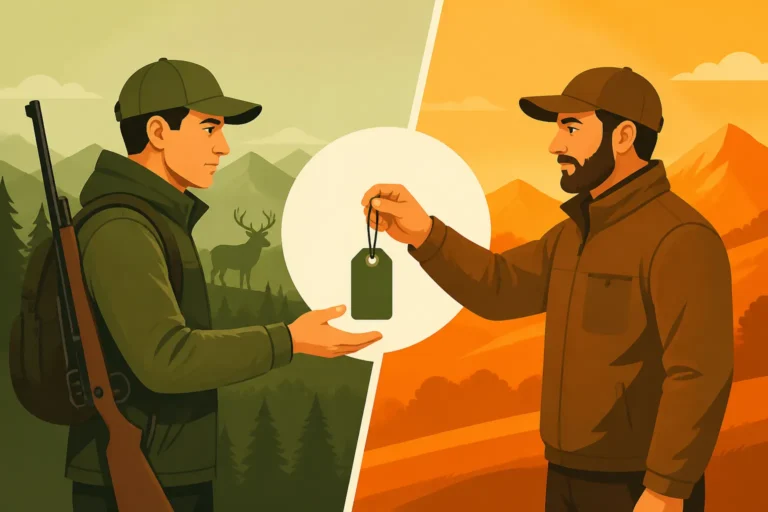
The most common and generally accepted time to present your tip is at the very end of your hunt, typically when you’re saying your goodbyes to your guide and the camp staff. This allows you to have experienced the entire trip and make a fully informed decision about the amount.
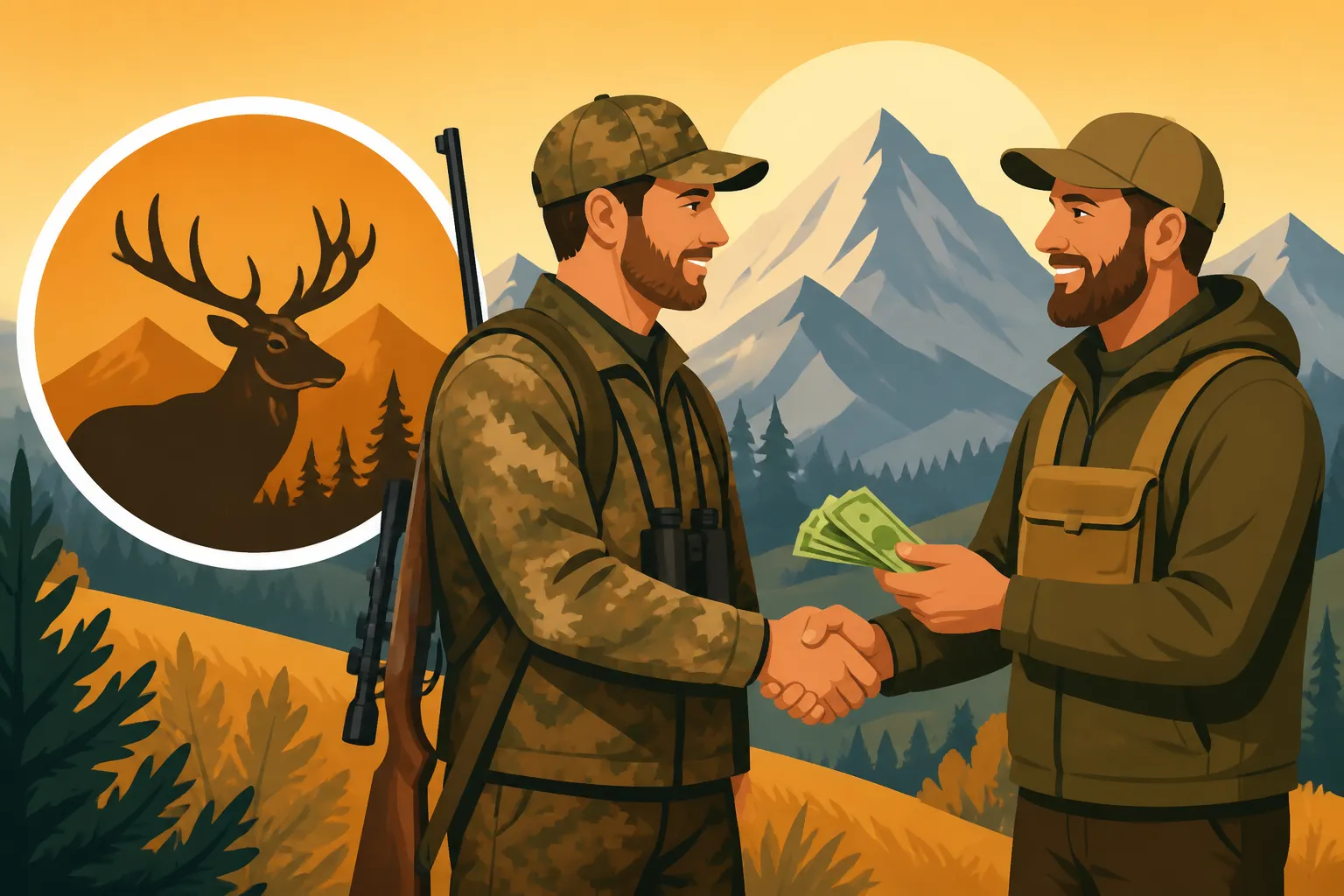
- End of the Hunt, Privately: If possible, try to give the tip to your main guide discreetly and personally. A handshake with an envelope is a classic and respectful approach. This allows for a brief, heartfelt thank you and avoids any awkwardness for the guide or other clients.
- Group Hunts: If you're on a group hunt, it's common for the group to pool their tips and present them together. Designate one person to collect the funds and present the total to the guide, perhaps with a short speech acknowledging their collective appreciation.
- Before Departure: Ensure you do it before you leave camp or the drop-off point. Once you're on your way home, it becomes much harder, and less personal, to make arrangements.
Cash or Other Forms of Tipping
Cash is king when it comes to tipping. It’s immediate, universally accepted, and gives the guide the most flexibility. It also bypasses any potential taxes or processing fees that might be associated with other forms of payment through the outfitter.
- Preferred Method: Cash: Always try to bring enough cash for your tip. Plan this well in advance of your trip. Having Canadian currency is ideal, but US dollars are often accepted by guides, though they might have to exchange it themselves.
- Cheque/Bank Transfer (Less Common): In some cases, if you didn't bring enough cash, an outfitter might facilitate a cheque or bank transfer directly to the guide. However, this is less common and should be discussed with the outfitter. It removes the immediacy and personal touch of a cash tip.
- Credit Card (Rare): Very few outfitters are set up to process tips on credit cards for individual guides, and even if they are, the guide might incur processing fees. This should be avoided if possible.
- Combined Approach: For a larger tip, some hunters might give a significant portion in cash and offer to send the remainder via e-transfer if the guide is set up for it. Again, communicate openly with the guide if you're considering this.
Communicating Your Gratitude (Beyond the Money)
The monetary tip is important, but a heartfelt verbal thank you and sincere feedback can be just as valuable. When you hand over the tip, take a moment to express what specifically you appreciated about their work. Was it their patience when Stalking Mule Deer in Badlands Breaks? Their endless optimism? Their knowledge of Where Alberta Moose Are Densest?
This specific feedback reinforces good guiding practices and lets the guide know their efforts were noticed and valued. It elevates the tip from a mere transaction to a genuine expression of gratitude. This positive interaction at the end of the hunt solidifies the experience and often leads to lasting connections.
Beyond the Cash: Other Ways to Show Appreciation
While a monetary tip is fundamental, there are other meaningful ways to express your appreciation that can leave a lasting positive impression and even help your guide and outfitter in the long run. These gestures demonstrate that your gratitude extends beyond just your wallet.
Thoughtful Gestures and Small Gifts
Sometimes, a small, personalized gift can complement a monetary tip, especially if it reflects an inside joke or a shared interest from the trip. This isn't about replacing the cash, but adding a personal touch.
- Gear for the Guide: A high-quality piece of hunting gear that you know your guide needs or uses often can be a fantastic gift. Think about an extra pair of quality gloves, a good headlamp, a reliable multi-tool, or even a nice thermos. This shows you were paying attention to their needs on the hunt.
- Local Delicacies from Home: If you're from out of province or another country, bringing a small gift of local food or drink from your home region can be a thoughtful gesture. It’s a taste of your world for them to enjoy.
- Shared Experiences: If you built a good rapport, perhaps offering to send them some photos from the hunt, or even a video clip you captured, is a small but valued gift. These memories are precious.
Remember, the emphasis is on thoughtful and small. You’re not trying to buy friendship, but rather to extend a token of personal appreciation.
Public Recognition and Referrals
One of the most powerful ways to show gratitude that benefits your guide and outfitter directly is by providing public recognition and referrals. This costs you nothing but your time and can significantly impact their business.
- Online Reviews: Take the time to write a detailed, positive review on platforms like BookYourHunt, GoHunt, or the outfitter's own website/social media pages. Mention your guide by name and highlight specific positive aspects of their service. These reviews are gold for outfitters looking to attract new clients. Be honest and specific, sharing what made your experience truly special, whether it was the successful Rattling and Calling Whitetails in Farm Country or their exceptional camp hospitality.
- Word-of-Mouth Referrals: Tell your hunting buddies, family, and colleagues about your amazing trip. A personal recommendation is incredibly valuable. If someone is looking for an Alberta Moose Licence Cost for Residents or considering a trip, point them directly to your outfitter and guide.
- Sharing Your Story: If you write for a hunting forum or have a social media presence, share your hunting story, giving credit where credit is due. A well-told story with great photos can generate immense interest in your outfitter’s services.
Building a Relationship for Future Hunts
Many hunters return to the same outfitter and even request the same guide year after year. This speaks volumes about the quality of the experience and the relationship built. Beyond a tip, staying in touch can foster these long-term connections.
- Stay in Contact: With the guide's permission, exchange contact information. A quick text or email wishing them well or asking how their season is going can strengthen the bond. This might even lead to discussions about Booking a Return Hunt With the Same Outfitter.
- Follow Up: Share photos of your processed game, or even your mounted trophy, once it’s back from the taxidermist. Guides take immense pride in their clients’ success, and seeing the final outcome of their efforts is rewarding.
- Future Bookings: The ultimate compliment is re-booking with the same outfitter and requesting the same guide for another adventure. This not only provides future income for them but also shows an unparalleled level of satisfaction. When considering future hunts, having a clear understanding of What an Alberta Guided Hunt Costs will make budgeting for a generous tip easier each time.
Ultimately, tipping an Alberta guide is about showing respect for their profession, their land, and their unwavering commitment to providing you with the hunt of a lifetime. By following these guidelines, you can ensure your appreciation is conveyed effectively, leaving both you and your guide with a positive and memorable experience.
Disclaimer
This article is for general informational purposes only and does not constitute professional advice. Laws, prices and regulations vary by location and change over time. Consult a qualified professional for guidance on your specific situation.