Where Alberta Moose Are Densest
Finding moose in Alberta can feel like searching for a needle in a vast, dense haystack. They're elusive, they inhabit some of the most challenging terrain, and knowing where to even begin your search can be incredibly frustrating for new and seasoned hunters alike. This comprehensive guide is designed to cut through the guesswork, pinpointing the specific regions and habitats where Alberta moose are densest, and offering practical insights to improve your chances of success.
Understanding Moose Habitat Preferences in Alberta
Moose aren't just large, shaggy deer; they are creatures of specific tastes when it comes to their environment. Understanding these preferences is the first step in unlocking their whereabouts in Alberta's diverse landscapes. Forget wide-open fields; moose thrive where water, dense cover, and abundant browse combine.
The Importance of Water and Wetland Areas
You'll often hear veteran hunters say, "Find the water, find the moose," and there's a lot of truth to that. Moose are semi-aquatic mammals, incredibly adapted to wetlands, bogs, and areas with abundant water sources. These wet environments provide essential food sources like aquatic vegetation, which is highly nutritious and a critical part of their diet, especially during warmer months. Beyond food, water offers a refuge from biting insects like mosquitoes and black flies, allowing them to submerge themselves to escape the relentless swarms. In the hotter parts of early season, these cool, damp areas also serve as crucial thermal regulators, helping them keep their massive bodies cool.
Hunting around Hunting Moose Around Alberta Beaver Ponds is a classic strategy because these areas naturally create the perfect mosaic of water, woody browse, and protective cover that moose crave. Look for deep tracks in the mud around the edges, broken branches from browsing, and fresh droppings to confirm recent activity. These aren't just spots for a drink; they're dining rooms and bedrooms for moose.
Dense Cover and Regenerating Forests
While they love water, moose also need substantial cover to feel secure. This isn't just about hiding from predators, though that's certainly a factor; it's also about thermal regulation and a reliable food supply. They prefer dense coniferous or mixedwood forests, especially those with thick understories of willow, aspen, and balsam poplar. These areas offer shelter from harsh winter winds, heavy snow, and the scorching summer sun. Think about those dark, tangled stands of spruce and fir – that’s prime moose bedding.
Regenerating forests, often areas that have been recently logged or impacted by wildfire, are absolute magnets for moose. While a fresh burn might look barren, within a few years, it explodes with new growth – the exact type of young, succulent browse that moose depend on. A great strategy is Hunting a Burned-Over Boreal Block a few years after the fire. The open canopy allows sunlight to reach the forest floor, promoting the growth of palatable shrubs and saplings, essentially creating a massive, nutritious buffet for these large ungulates. It’s a delicate balance; too open and they feel exposed, too dense and the browse isn't readily available.
Preferred Browse Species and Their Distribution
Moose are primarily browsers, not grazers, meaning they prefer to eat leaves, twigs, and bark from woody plants rather than grass. Their favourite foods in Alberta include willow, aspen, balsam poplar, birch, and various aquatic plants. The availability of these species directly influences where moose will establish their home ranges. You won't find significant moose populations in areas dominated by mature, dense timber with a sparse understory, no matter how much water is present.
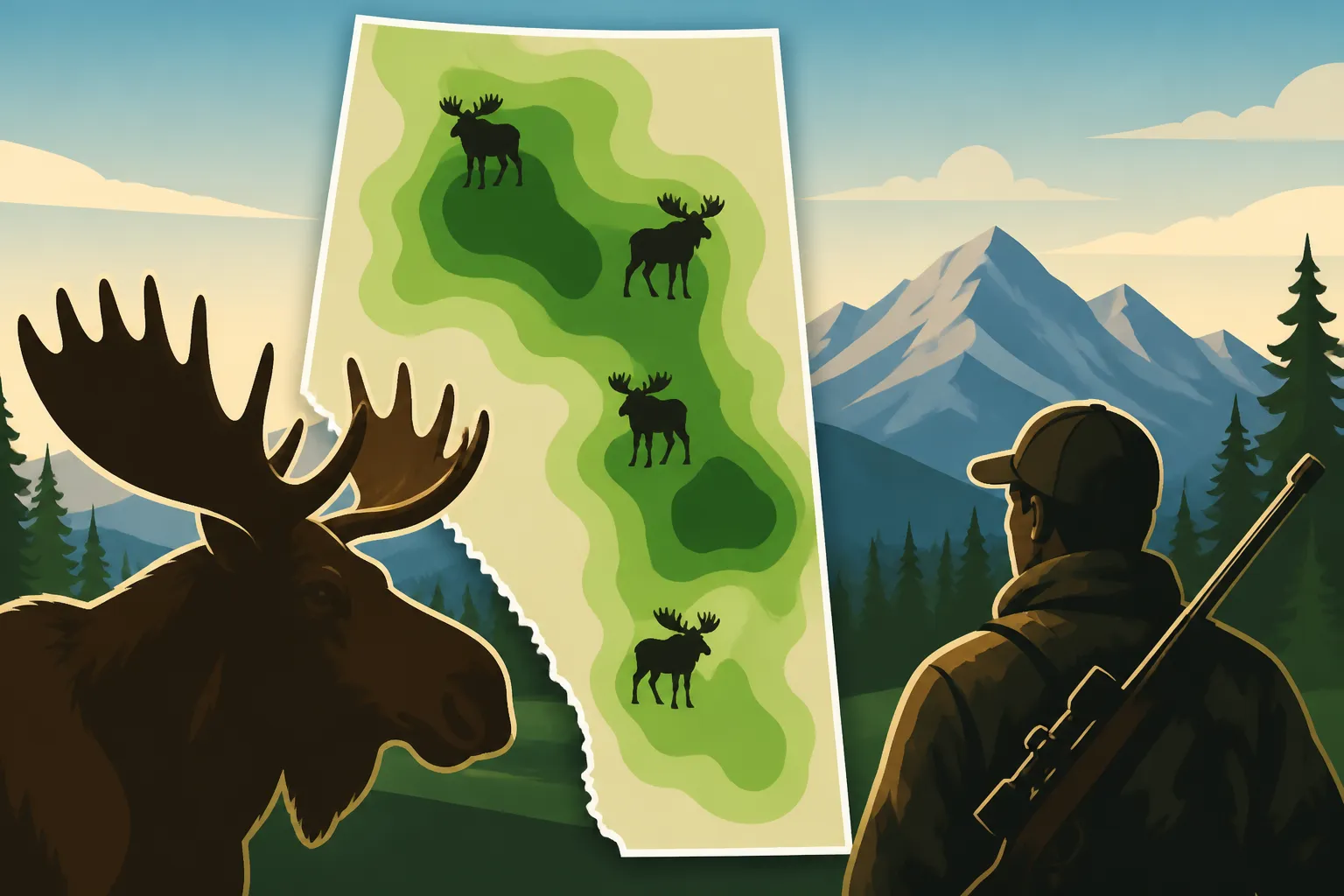
The highest densities of moose are found where these preferred browse species are abundant and easily accessible. This is why the boreal forest and certain parts of the foothills are so productive; they offer the perfect combination of these food sources. They need a lot of food – a single adult moose can consume 40-60 pounds of browse per day! So, when you're scouting, look for signs of heavy browsing, snapped twigs at head height, and debarked trees, which are clear indicators that moose are regularly feeding in the area. Tools like GoHunt can be invaluable here, helping you identify vegetation types and potential feeding areas on maps.
The Boreal Forest: Alberta's Moose Stronghold
When most people think of moose hunting in Alberta, their minds immediately drift to the vast, sprawling expanse of the boreal forest. And for good reason – this massive wilderness truly is the undisputed champion when it comes to moose density and opportunities. It’s a rugged, often unforgiving landscape, but it offers everything a moose needs to thrive.
Northern Alberta's Boreal Moose Concentrations
The northern reaches of Alberta are characterized by immense tracts of boreal forest, a mosaic of coniferous trees, mixedwood stands, countless lakes, rivers, and extensive muskeg. This ecosystem is tailor-made for moose. Wildlife Management Units (WMUs) in regions like the Peace River country, around Lesser Slave Lake, and further north towards Fort McMurray and Grande Prairie, consistently report high moose populations. Here, the landscape is less fragmented by agricultural land, meaning vast continuous blocks of prime habitat.
The sheer remoteness of much of this area also plays a role in sustaining high densities. Less human pressure, coupled with excellent habitat, allows moose populations to flourish. Hunters venturing into these regions often find themselves far from roads, navigating old logging trails, seismic lines, and cutlines. This is where Moose Hunting Alberta's Boreal Forest truly comes into its own, requiring a commitment to penetrate deep into their territory. These northern zones are where you'll encounter some of Alberta's densest moose populations, offering a truly wild hunting experience.
Wetlands, Bogs, and Rivers in Boreal Habitat
Within the boreal forest, specific microhabitats contribute significantly to the high moose densities. The network of wetlands, bogs, and slow-moving rivers is paramount. Moose spend considerable time in these wet areas, especially during summer and early fall. Think about the vast muskegs and peat bogs – these might seem impassable to us, but they offer sanctuary and an abundance of aquatic vegetation for moose. A well-placed stand or blind near a transition zone, perhaps a timber island within a muskeg, can be incredibly productive.
Rivers and creeks flowing through the boreal forest also act as natural corridors and feeding grounds. Moose will follow these waterways, using them for travel and to access diverse vegetation along their banks. Hunting a Boreal Muskeg Edge or along a river island can be highly effective. The dense willows and young deciduous growth along these features provide essential cover and browse, drawing moose in. You'll often find distinct moose trails paralleling these water sources, worn down by generations of travel.
Industrial Activity and Moose Movement Patterns
While human activity often has a negative connotation for wildlife, certain industrial developments in the boreal forest can, paradoxically, create temporary moose hotspots. Logging operations, oil and gas exploration, and seismic line cutting open up the canopy, stimulating new plant growth. These linear features, once grown over with browse, become natural travel corridors and feeding areas for moose.
Hunting along these features is a common and often successful tactic in the boreal. Hunting Moose Along Cutlines and Seismic Lines is particularly effective, especially during the rut when bulls are on the move. These clearings offer visibility and access into dense areas, allowing hunters to glass for animals or set up calling locations. However, these areas can also attract other hunters, so early morning or late evening hunts are often best to catch moose unawares as they move between bedding and feeding areas. Understanding the cycle of these developments – when a cutline is fresh versus when it's grown in – is key to predicting moose movement and density in specific boreal locations.
Foothills and Parkland: Unexpected Moose Hotspots
While the boreal forest might get all the glory, don't overlook Alberta's foothills and even some of the more transitional parkland zones. These areas, though perhaps less vast in continuous moose habitat, can hold surprisingly dense populations, offering unique hunting opportunities, often closer to more populated areas.
Foothills Regions and River Valleys
The Alberta foothills, stretching along the eastern edge of the Rocky Mountains, provide a different but equally rich environment for moose. Here, you'll find a mix of coniferous forests, aspen stands, and numerous river valleys and creek bottoms. These riverine systems are particularly important. Moose utilize the lush vegetation and reliable water sources found in the bottomlands of rivers like the Athabasca, Pembina, and North Saskatchewan as they flow out of the mountains and into the forested foothills.
These areas can offer more accessible hunting than the deep boreal, though the terrain is often steeper and more rugged. WMUs like those west of Rocky Mountain House or around Nordegg and the Forestry Trunk Road have healthy moose populations. The cooler temperatures at higher elevations and within the valley bottoms, combined with plenty of food and water, make these prime areas. In these regions, understanding Moose Numbers in the Boreal Versus Foothills is important, as the densities might be patchier, but localized hot spots can be incredibly productive. Hunters who put in the effort to access these valleys are often rewarded.
Aspen Parkland and Transitional Zones
The aspen parkland, a transitional zone between the prairies and the boreal forest, might not immediately scream "moose country," but it can be surprisingly good in certain pockets. This region is characterized by rolling hills, scattered aspen bluffs, and numerous small lakes and sloughs. While not as consistently dense as the boreal, areas with larger, more connected blocks of bush and significant wetland features can host healthy moose populations.
These parkland moose tend to be more elusive, adapting to live closer to human development and agricultural land. They utilize dense cover for bedding during the day and often move into fields or along field edges at night to browse on preferred vegetation. Finding Hunting an Aspen Bluff on Farm Ground can be a strategy, but requires careful scouting and often landowner permission. These areas prove that moose are incredibly adaptable, making the most of available resources even in less conventional habitats.
Localized Hotspots: Pockets of Ideal Habitat
Even in areas not typically known for high moose density, you can find localized hotspots. These are pockets of habitat where all the essential elements converge: water, dense cover, and abundant browse. This might be a remote section of a provincial park, a large block of Crown land surrounded by agriculture, or a particularly marshy riverbend that offers sanctuary. These spots often fly under the radar of general knowledge, known only to local hunters who have put in the time to scout thoroughly.
Using satellite imagery and topographic maps through platforms like GoHunt can help identify these potential hidden gems. Look for areas with a high density of beaver ponds, interconnected wetlands, and mature timber adjacent to younger regenerating stands. While they might require more legwork to locate and access, these localized hotspots can offer incredible, low-pressure hunting experiences for those willing to do their homework. Remember, moose are creatures of habit, and once you find a well-used area, they'll likely return year after year.
Seasonal Movements and Their Impact on Moose Density
Moose don't stay in one place year-round. Their movements are largely dictated by food availability, breeding cycles, and the pressures of weather and predation. Understanding these seasonal shifts is crucial for predicting where moose densities will be highest at different times of the hunting season.
Spring and Summer: Water and Lush Browse
In spring, as the ice recedes and green-up begins, moose start to disperse from their wintering grounds. They seek out fresh, succulent forage, often gravitating towards areas with new growth in regenerating clearcuts, burns, and especially aquatic vegetation in wetlands and lakes. During summer, water becomes even more critical, not just for food but also for cooling off and escaping insects. This means higher concentrations of moose in and around lakes, slow-moving rivers, and extensive bog systems.
As a hunter, this early season knowledge points you towards these wetter, lower-elevation areas where forage is rich. While few moose seasons are open in the peak of summer, understanding these patterns helps with pre-season scouting. You'll often find shed antlers around these spring feeding areas, offering clues for fall. Knowing What Moose Eat Through the Year helps you predict where they will be concentrating their efforts for feeding, making your scouting more efficient.
Fall Rut: Increased Movement and Visibility
The fall, particularly late September and October, marks the moose rut, a period of heightened activity and vulnerability for these animals. During this time, bulls become much more mobile, actively seeking out cows. This increased movement often leads them into areas they might avoid during other parts of the year, potentially pushing them into more open timber, along cutlines, or even across roads. Cow moose, too, become more vocal and less cautious as they respond to the calls of bulls.
This is a prime time for hunters to capitalize on increased moose density and visibility. Strategies like Calling a Bull Moose in the Rut become incredibly effective as both sexes are responsive. Bulls will often challenge perceived rivals, and raking brush can simulate this, drawing them into closer range. Areas around the transition zones of dense timber and more open feeding grounds are excellent choices during the rut. Hunters often find themselves in close encounters as moose become less concerned with stealth and more focused on breeding.
Winter: Survival in Deep Snow
As winter sets in and snow depths increase, moose alter their movements to conserve energy and find accessible food. They generally move into denser stands of coniferous timber, which offer protection from heavy winds and deep snow. These areas, known as wintering yards, provide thermal cover and often contain a higher concentration of browse species that remain palatable throughout the cold months. Moose will "yard up" in these locations, creating a network of trails to minimize energy expenditure while feeding.
Deep snow can significantly impact where moose are densest. They'll avoid areas with extremely deep, uncrusted snow and seek out regions where travel is easier or where they can utilize existing trails made by other animals. Hunting Where Alberta Whitetails Bed in Deep Snow is a similar concept, focusing on thick cover. This is also when conditions like How Winter Ticks Affect Alberta Moose become more pronounced, impacting herd health and potentially pushing them to seek different types of cover for relief. Understanding these winter patterns is crucial for late-season hunting, where finding their concentrated yards is key to success.
Leveraging Technology and Scouting for Moose Hunting
Finding moose, especially in their densest pockets, isn't just about knowing their general habitat preferences; it's about detailed, boots-on-the-ground (and eyes-on-the-screen) reconnaissance. Modern tools and diligent scouting can significantly increase your chances of finding these magnificent animals.
Digital Mapping and Satellite Imagery
Today's hunter has access to incredible digital mapping tools that were unimaginable a few decades ago. Platforms like GoHunt, Gaia GPS, and others allow you to pour over satellite imagery, topographical maps, and land ownership layers from the comfort of your home. This is your virtual scout before you ever set foot in the bush. Look for those tell-tale signs: dark timber blocks adjacent to wetlands, regenerating clearcuts, and linear features like old cutlines or pipeline corridors that might serve as travel routes.
By carefully analyzing these maps, you can identify potential bedding areas, feeding zones, and the corridors moose might use to move between them. You can also mark access points, potential camp spots, and identify areas of public access versus private land. This pre-scouting phase is critical for maximizing your time in the field. Identifying Hunting a Pipeline Right-of-Way or Hunting a Cutline That Ends in Timber can be done efficiently with these tools, highlighting features that might hold moose. The ability to overlay different map layers, such as forestry roads or recreational access zones, provides a holistic view of the landscape.
Ground Scouting and Sign Interpretation
No matter how good your digital maps are, there's no substitute for getting out into the woods and ground-scouting. This is where you confirm your hypotheses and discover the real-time activity of moose. Look for fresh tracks in the mud or snow, which can indicate size and direction of travel. Droppings (pellets) will tell you if moose are actively using an area. Freshly browsed vegetation – snapped twigs, stripped bark – is a clear sign of feeding.
Rub lines on trees, where bulls have rubbed their antlers, are excellent indicators of male presence, especially as the rut approaches. Wallows, muddy depressions where bulls roll to coat themselves in urine, are also strong signs. Don't just look for moose; look for moose sign. Pay attention to where these signs are most concentrated. Are they along a particular ridge, in a specific willow thicket, or around a certain beaver pond? This detailed observation helps you understand their daily routines and patterns, ultimately leading you to where Alberta moose are densest in your chosen WMU.
Trail Cameras and Their Strategic Placement
Trail cameras have revolutionized scouting, offering a glimpse into wildlife activity when you're not there. For moose hunting, they can be invaluable for confirming presence, identifying specific animals, and understanding their movement patterns. Place cameras strategically along game trails, near heavily browsed areas, or overlooking mineral licks. Focus on funnel points where moose are likely to travel, such as crossings between dense cover and open feeding zones, or along the edges of water bodies.
While trail cameras can be a significant investment, they pay dividends in intelligence gathering. They can tell you if a bull is using an area, what time of day he's moving, and even give you a rough idea of his size. Remember to check local regulations regarding trail camera use on public land. Combining the data from your cameras with your GoHunt satellite imagery analysis and ground scouting creates a powerful trifecta for locating and patterning moose, significantly increasing your efficiency and success rate.
Conservation and Management: Sustaining Alberta's Moose Populations
As hunters, we have a deep responsibility to be stewards of the land and its wildlife. Understanding the factors that influence Alberta's moose populations and the conservation efforts in place is not just ethical; it's crucial for ensuring healthy moose densities for future generations. Our actions today directly impact the opportunities of tomorrow.
Population Trends and Management Strategies
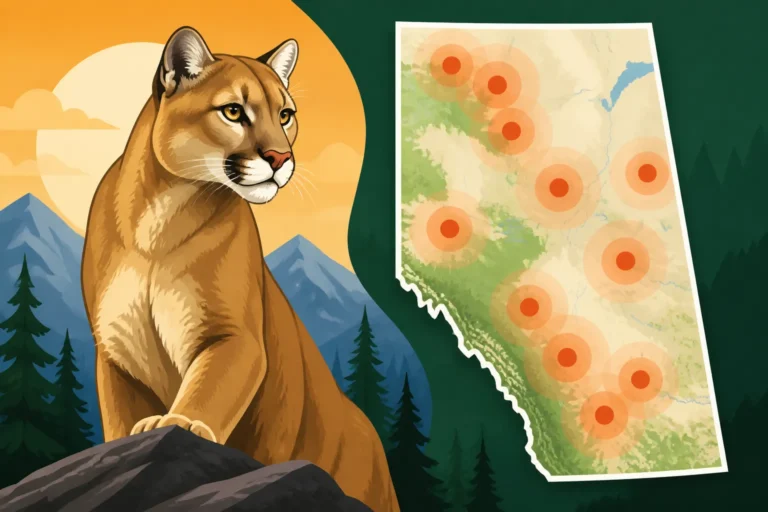
Alberta's moose populations fluctuate due to a variety of factors, including habitat availability, disease, predation, and hunting pressure. Wildlife managers in the province closely monitor these trends to set appropriate hunting quotas and season dates for different Wildlife Management Units (WMUs). In some areas, moose populations are stable or increasing, while in others, they may be facing challenges. For instance, Alberta's Moose Population by Region is a key metric that informs these decisions.
Management strategies often include specific draw allocations, antler restrictions, and even supplemental antlerless tags in areas where populations need to be managed for balance with habitat capacity or agricultural concerns. These regulations are designed to maintain healthy age and sex ratios within the herds and ensure sustainable hunting opportunities. Staying informed about these regulations and the rationale behind them is part of being a responsible hunter.
Impact of Disease and Predation
Moose in Alberta face natural challenges from disease and predation, which can influence their density in certain areas. Chronic Wasting Disease (CWD), while primarily affecting deer, is a concern for all cervids and its spread is closely monitored. More immediate impacts can come from parasites like winter ticks, which, in severe cases, can weaken moose, especially calves, leading to mortality. How Winter Ticks Affect Alberta Moose is a topic of ongoing research and concern for wildlife biologists.
Predation by wolves and bears also plays a significant role in moose population dynamics, particularly for calves. In areas with high predator densities, moose populations may be naturally lower, or they may adapt by seeking out different types of cover. Understanding these natural dynamics helps paint a realistic picture of moose densities and where you might encounter them. It's a complex ecosystem, and moose are just one piece of the puzzle.
Hunter's Role in Sustainable Moose Hunting
Every hunter plays a vital role in the sustainability of Alberta's moose populations. This goes beyond simply following the rules; it's about ethical hunting practices, respecting the animal, and contributing to conservation efforts. This includes accurate harvest reporting, which provides crucial data for wildlife managers. It also means taking the time to properly field dress and care for your animal, ensuring no meat is wasted – a practice highlighted in articles like Quartering a Moose Alone in the Bush.
Supporting organizations like the Alberta Conservation Association (ACA) or participating in initiatives like the province’s CWD surveillance program are also important. By being informed, responsible, and engaged, hunters help ensure that Alberta continues to be a destination where strong, healthy moose populations thrive, offering incredible experiences for generations to come.
Disclaimer
Please note that hunting regulations, seasons, and licensing requirements can change annually. It is the hunter's responsibility to consult the most current Alberta hunting regulations guide published by the provincial government before planning any hunt. This guide is for informational purposes only and does not supersede official regulations. Always prioritize safety and ethical hunting practices.