How Logging Cutblocks Affect Alberta Deer
For hunters in Alberta, looking at a freshly logged cutblock can be a head-scratcher. It often looks like a chaotic mess of downed timber and slash, leaving you wondering if a deer would ever step foot in it, let alone thrive there. But appearances can be deceiving, and understanding the evolving impact of logging on deer habitat is key to finding success. This guide will walk you through how these areas transform and how deer adapt, helping you read the landscape and plan your hunts more effectively.
Understanding the Life Cycle of an Alberta Cutblock
A logging cutblock isn't a static environment; it's a dynamic landscape that changes dramatically over the years following a harvest. For deer, especially both whitetails and mule deer that inhabit forested and transitional areas, these changes dictate whether a cutblock is a food source, a bedding area, or just a place to quickly pass through. Many hunters get frustrated because they see a new cutblock, full of promise, only to find it devoid of deer. The trick is understanding the timeline and what each stage offers.
The Initial Disturbance Phase
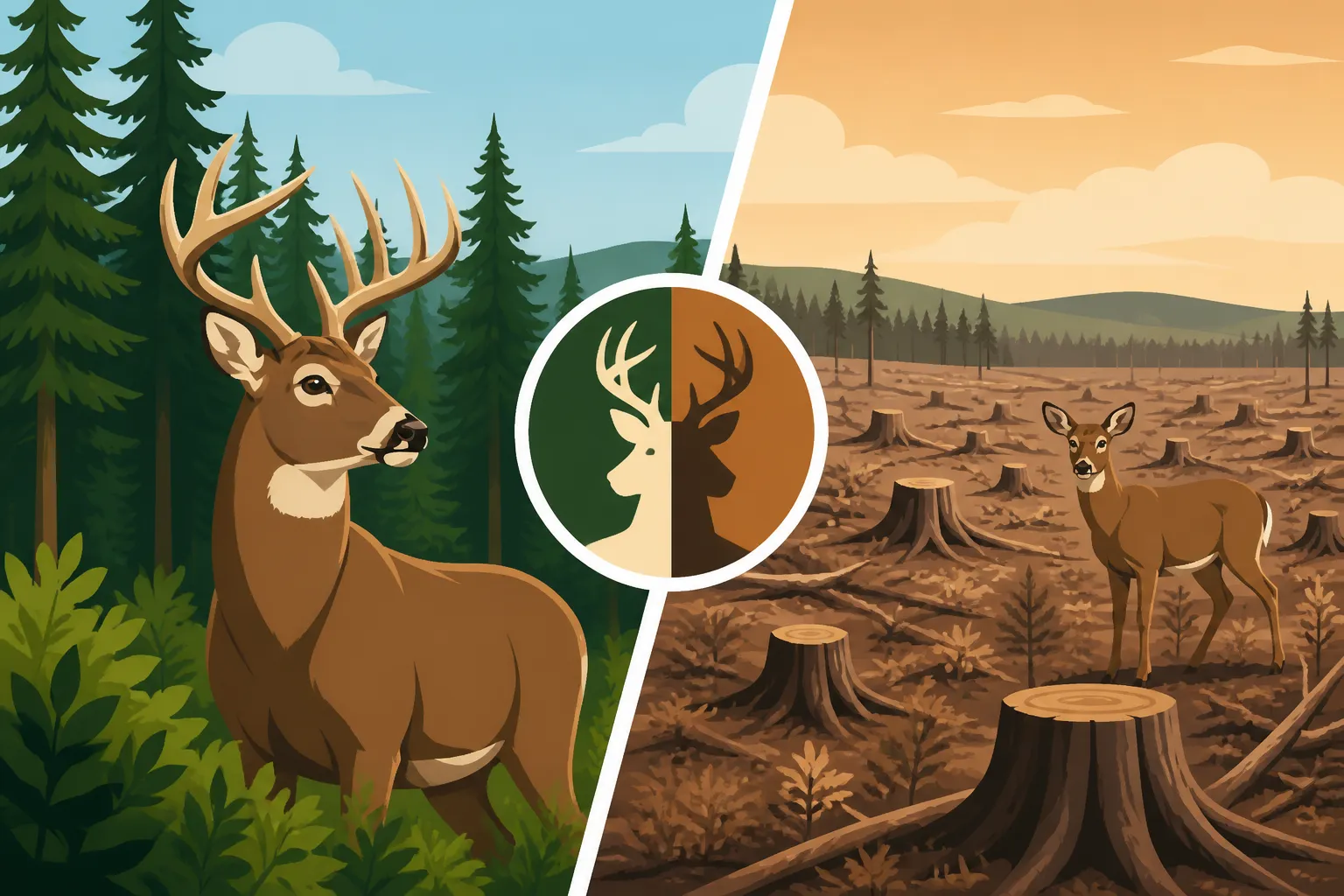
Immediately after logging, a cutblock is primarily a zone of disturbance. Heavy machinery has compacted soil, felled trees, and left behind a tangle of branches and stumps often referred to as "slash." For deer, this initial phase is generally unappealing. The noise, the smell of fresh cuts, the lack of immediate browse, and the sheer mess of the place usually mean deer will actively avoid it. Think of it like a construction site: nobody wants to hang out there right after the bulldozers have left.
There's very little in terms of new growth or cover that would attract deer in the first year or two. The ground might be exposed, making deer feel vulnerable, and the valuable understory plants that deer feed on would have been removed or buried. Hunters often scout these areas soon after logging, full of optimism, only to be met with disappointment. It's a common mistake, and it highlights why patience and understanding the ecological timeline are so important. Deer are creatures of habit and comfort, and a fresh scar on the landscape rarely provides either.
The Early Succession and Browse Heaven Stage
This is where things start to get interesting for deer. After the initial disturbance, nature begins its rapid reclamation process. Sunlight, now reaching the forest floor, fuels an explosion of new growth. Pioneer species like fireweed, willow, aspen suckers, and various shrubs begin to colonize the exposed ground. This typically starts around year two to five post-logging, depending on soil type, moisture, and specific plant communities.
For deer, this stage is a buffet. These young, tender shoots are incredibly palatable and nutritious, providing a critical food source. The sheer volume of new browse can make these cutblocks deer magnets. Furthermore, the regenerating growth, while not yet dense timber, starts to offer security cover. Deer can browse on the tender plants while still having enough visual obstruction to feel safe from predators. This period is prime for finding deer, as they will actively seek out these areas for feeding. It's a time when you might see multiple deer browsing together, especially in the early mornings and late evenings. A useful tool like GoHunt can help you identify these areas on satellite imagery, looking for the tell-tale lighter green patches of young growth within the darker forest.
The Developing Cover and Bedding Area Phase
As the cutblock matures, usually from about year five to fifteen, the regenerating vegetation grows taller and denser. Aspen suckers might be five to ten feet high, and shrubs form thickets. While some of the tender, easily accessible browse might become tougher or grow out of reach, the dense new growth creates fantastic bedding and security cover. Deer, particularly mature bucks, crave thick cover where they can lie undetected.
During this phase, deer might still feed within the cutblock, but it becomes even more crucial as a bedding sanctuary. They'll use these dense areas to hide during the day, especially if there are open feeding areas nearby like agricultural fields or older cutlines. The challenge for hunters here is that while deer are present, they are often incredibly difficult to spot and stalk. Still, understanding that a deer might be bedded down in a dense patch of young aspen within a mature cutblock can guide your still-hunting efforts or stand placement. You might also find deer using the edges of these maturing cutblocks, where dense cover meets more open feeding opportunities. Reading Whitetail Sign in Alberta Aspen Bluffs becomes critical here.
The Maturing Forest and Transitional Zone
Beyond 15-20 years, the cutblock begins to lose its distinct "cutblock" feel and transitions back towards a young forest. The trees grow larger, the canopy starts to close, and the understory might thin out due to reduced sunlight. At this point, the cutblock's attractiveness for deer shifts again. It might become less of a primary feeding ground as the browse matures and becomes less digestible, but it can still offer good travel corridors or pockets of residual cover.
Deer will still utilize these areas, but often as thoroughfares between older stands of timber and newer browse areas. Hunters might find well-worn trails leading through these older cutblocks, connecting different habitat types. The dense young trees can also provide excellent thermal cover in winter, shielding deer from harsh winds and heavy snow. Understanding this transition means you might not look for deer actively feeding in these older blocks, but rather moving through them, especially during the rut when bucks are on the move. Hunting a Burned-Over Boreal Block often sees a similar progression of habitat use.
Initial Impact on Deer Movement and Habitat Use
When logging operations commence, the immediate disruption has a profound effect on deer populations in the vicinity. It's not just the physical alteration of the landscape; it's also the noise, the human presence, and the sheer lack of suitable resources in the short term.
Displacement and Stress
One of the most immediate impacts is displacement. Deer that were previously living within or regularly using the logged area will typically move out. They seek refuge in adjacent unlogged stands of timber, sheltered valleys, or other nearby cover. This can put additional pressure on these untouched areas, potentially increasing competition for resources or making deer more wary due to higher densities.
The stress of displacement shouldn't be underestimated. Deer are highly adapted to their home ranges, and being forced to relocate can impact their energy levels, feeding patterns, and even reproductive success. Imagine having your home suddenly bulldozed; you wouldn't be thriving immediately in a new, unfamiliar place. For hunters, this means that while a clear-cut might look promising after a few years, it's virtually a deer desert for the first season or two after the operation. Don't expect to see much until nature starts to heal the scar.
Loss of Critical Resources
Beyond displacement, the initial logging removes several critical resources that deer rely on. Mature forests provide diverse food sources, from acorns and berries to various forbs and lichens, as well as crucial thermal and hiding cover. When these are clear-cut, deer lose:
- Food Sources: The immediate understory browse is gone.
- Thermal Cover: Mature trees provide shelter from extreme weather, both cold winds in winter and scorching sun in summer.
- Security Cover: Dense stands offer places to hide from predators.
- Travel Corridors: Established trails and paths that deer use to move between feeding and bedding areas are disrupted.
While some logging operations, like selective cutting, might maintain more of these resources, clear-cutting or aggressive logging practices leave little behind initially. This forces deer to adapt quickly or move elsewhere. It's important to remember that not all logging is the same, but the widespread use of clear-cuts in Alberta means understanding this initial resource loss is vital for hunters. Hunting a Pipeline Right-of-Way and Hunting a Cutline Intersection for Whitetails present similar, though smaller-scale, disruption and eventual habitat adaptation.
When Alberta Cutblocks Become Deer Magnets
The real magic for deer hunters happens in the "sweet spot" of cutblock regeneration. This phase is crucial to understand because it's when these areas transform from barren lands into thriving deer habitat, offering both food and cover.
The Abundance of New Browse
As we touched on earlier, the burst of new growth following logging is the primary draw. With sunlight now hitting the forest floor, a vast array of forbs, grasses, and shrubs spring up. Species like aspen and willow, which are prevalent in many of Alberta's forested regions, aggressively regenerate from root systems or seeds, creating dense patches of young, succulent shoots. These are like candy to deer, packed with nutrients essential for antler growth in bucks and fawn production in does.
This dense, regenerating browse often creates a higher carrying capacity for deer than the mature forest it replaced, at least for a period. Deer don't have to expend as much energy searching for food; it's practically everywhere. You'll find them actively feeding, leaving behind tell-tale signs like nipped branches and tracks. This period is often between year 3 and year 10 post-logging, but it can vary. Satellite imagery on apps like GoHunt can be invaluable here, helping you pinpoint those distinct lighter green areas of lush regrowth within the darker older timber.
Optimal Cover for Bedding and Security
Alongside the food, these regenerating cutblocks offer fantastic cover. As the young trees and shrubs grow, they create dense thickets that are perfect for deer to bed down in. This dense vegetation provides excellent visual obstruction, allowing deer to feel secure from predators. It also offers thermal cover, buffering them from wind and providing shade.
Mature bucks, in particular, will seek out these dense bedding areas, especially if they are close to preferred feeding spots. They can disappear into what looks like an impenetrable wall of brush, often lying with an escape route planned or watching their backtrail. During the rut, these areas can be incredible places to find bucks cruising the edges, scent-checking for does bedded within the thick stuff. The interplay of plentiful food and secure cover makes these mid-stage cutblocks invaluable habitat, especially in the transitional zones between forested areas and more open farmland. Where Alberta Whitetails Bed in Deep Snow often leads them to similar dense cover.
Hunting Strategies for Alberta Cutblocks
Hunting cutblocks effectively requires a nuanced approach. It’s not just about walking in; it's about understanding the deer's behavior within these unique environments at different stages of regeneration. Knowing what to look for and how to approach these areas can significantly increase your chances of success.
Scouting the Regeneration
Effective scouting is paramount. Before you ever set foot in a cutblock during hunting season, you need to understand its age and how the vegetation is growing. Use satellite imagery from services like GoHunt to identify cutblocks in your target WMU. Look for the lighter green hues that indicate young, regenerating growth. Once you've identified promising areas, visit them pre-season. Walk the edges, look for deer trails leading in and out, and check for browse sign.
Pay close attention to where the cutblock borders older timber, natural drainages, or agricultural fields. These edges are often high-traffic areas as deer transition between different habitat types. Look for rubs and scrapes, especially during late summer and early fall, as bucks begin to mark their territory. Don't be afraid to walk through the denser parts, but recognize that you might spook deer; the goal is to find their patterns, not necessarily to harvest them during scouting. Scouting With Satellite Imagery in Alberta will give you more tips on how to use these tools effectively.
Still-Hunting and Stand Placement
For cutblocks in the early to mid-regeneration phase (years 3-15), still-hunting can be incredibly effective, but it requires patience and stealth. Move slowly, taking a few steps then stopping to glass ahead. The dense cover makes long shots rare, so focus on identifying parts of deer through the brush – an ear, a patch of hide, a flicker of a tail. Use natural clearings, old skid trails, or variations in vegetation density to your advantage. Wind direction is critical; you want to be moving into the wind or with a crosswind to avoid spooking game.
Stand placement in these areas often works best on the edges, where deer transition between the cutblock and mature timber or fields. Look for pinch points or natural funnels where deer movement is concentrated. If you're bold enough to place a stand deeper within a cutblock, ensure it offers good visibility into a natural opening or a well-used trail, and be prepared for close-range opportunities. Remember that deer in these dense areas will often be jumpy, so quick, ethical shots are a must.
| Cutblock Stage | Typical Age (Years Post-Logging) | Primary Deer Attraction | Hunting Strategy Considerations |
|---|---|---|---|
| Initial Disturbance | 1-2 | Minimal / Avoidance | Generally avoid hunting, deer are displaced |
| Early Regeneration | 3-10 | Abundant new browse (food) | Still-hunt slowly, focus on edges, look for active feeding |
| Developing Cover | 5-15 | Dense cover (bedding, security) | Still-hunt thickets, stand hunt travel corridors, check bedding |
| Maturing Forest | 15+ | Travel corridors, residual cover | Hunt trails, pinch points, look for transition areas |
Patience and Understanding Deer Patterns
The biggest lesson in hunting cutblocks is patience. Deer often bed deeply within the thickest parts and only move during low-light hours. If you bump a deer, give the area time to cool down before trying again. Understand that deer use these areas dynamically: they might feed heavily in one part for a few days, then move to another. Factors like pressure, weather, and food availability will all influence their patterns.
Consider the time of year too. Early season might see deer more relaxed, feeding openly. During the rut, bucks will be actively cruising the edges and working through the thickets searching for does. Late season, with colder temperatures and deeper snow, might see deer seeking the thermal cover of thicker, older growth within the cutblock or along its sheltered edges. Understanding these seasonal nuances, paired with smart scouting, will make you a much more effective cutblock hunter in Alberta. Knowing When Alberta's Rifle Season Opens or Hunting the Rut in Early November helps frame your approach to these dynamic habitats.
Disclaimer
This article is for general informational purposes only and does not constitute professional advice. Laws, prices and regulations vary by location and change over time. Consult a qualified professional for guidance on your specific situation.