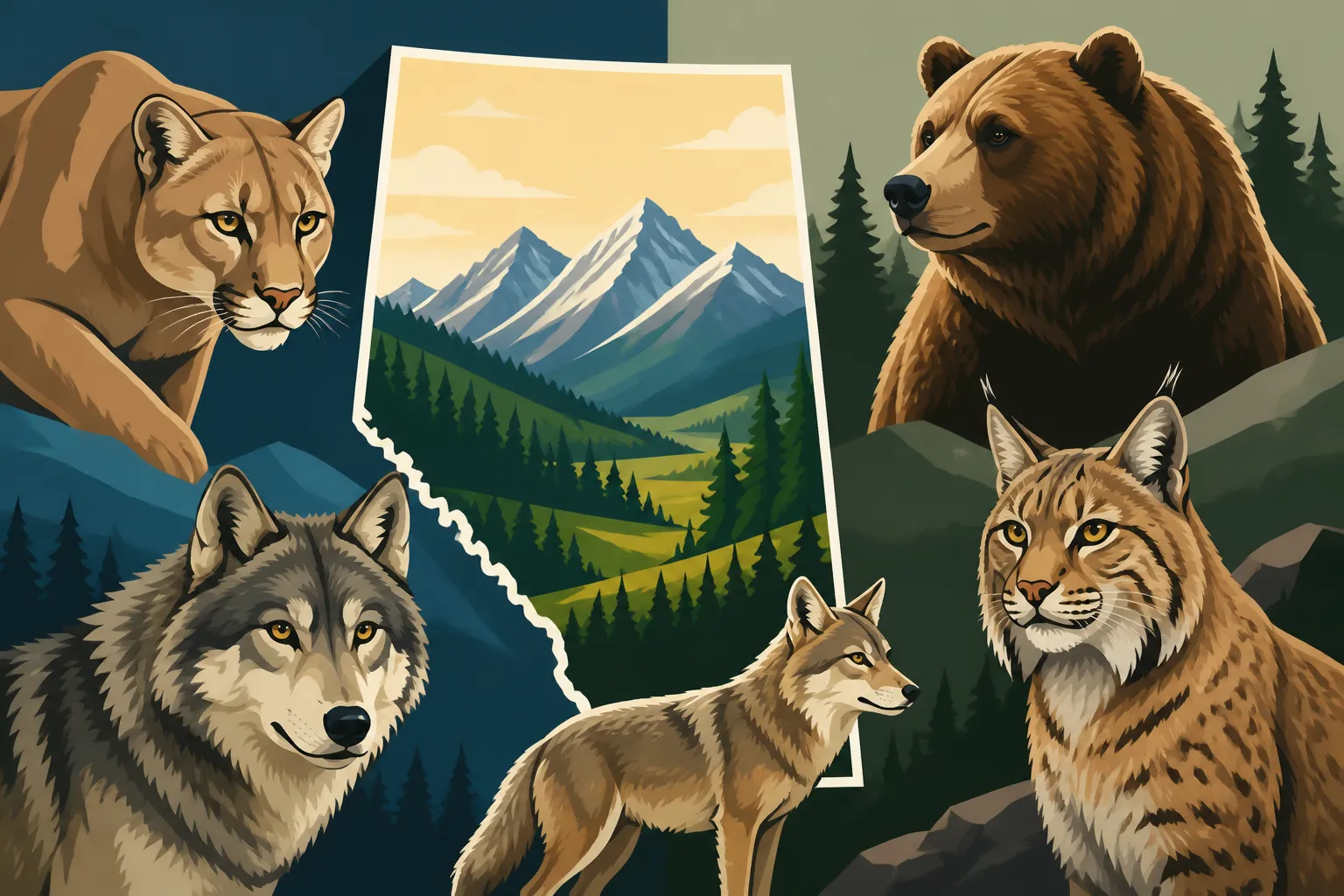
Alberta’s Predators and Where They Live
The wild expanses of Alberta are truly a hunter's paradise, but they also present unique challenges, especially when it comes to pursuing the province's intelligent and elusive predators. Many of us find ourselves scratching our heads, wondering where these cunning animals actually live, how to effectively locate them, and what it truly takes to succeed. This comprehensive guide will pull back the curtain on Alberta's diverse predator species, detailing their habitats, behaviors, and the best approaches to hunting them responsibly and effectively across this vast landscape.
The Apex Hunters of Alberta's Wilds: Understanding Predators
Alberta's ecosystems are incredibly complex and dynamic, and at the heart of their balance lie the predators. These animals aren't just fascinating creatures; they play an absolutely crucial role in maintaining healthy game populations and ensuring the vitality of the entire food web. Without them, prey species can overpopulate, leading to habitat degradation and the spread of disease, ultimately harming the very landscape we cherish. Understanding their place is the first step in appreciating the challenge and privilege of pursuing them.
Why Predators Matter in the Ecosystem
It's easy to see predators as merely "animals that eat other animals," but their ecological role is far more intricate and vital. They act as natural selection's agents, culling the weak, old, and diseased from prey herds. This keeps the gene pool strong and resilient. For instance, a healthy wolf pack often targets deer or elk that are already struggling, preventing the spread of illnesses like CWD or just general poor health. This natural culling ensures that resources like forage are not overconsumed, benefiting everything from the smallest shrub to the largest moose. They are the landscapers of the animal kingdom, shaping vegetation patterns through their influence on herbivore movements and numbers. It’s a delicate balance, and Alberta’s diverse predator base, from the massive grizzlies (which are not hunted, but are an undeniable presence) to the nimble coyotes, all contribute to this intricate dance of life and death.
Common Misconceptions About Alberta's Predators
There are a lot of myths swirling around about predators, and it’s important to clear them up. One common misconception is that predators indiscriminately kill, wiping out game populations. In reality, predators are incredibly efficient and intelligent hunters, but they are also part of a self-regulating system. They rarely "over-hunt" their food source to the point of extinction because their own survival depends on a sustainable prey base. If prey numbers decline too sharply, predator populations will naturally follow suit. Another myth is that all predators are a constant threat to humans or livestock. While caution is always necessary in predator country, especially with larger animals like cougars and wolves, the vast majority actively avoid human contact. Conflicts often arise from habituation to human food sources or protection of young, not inherent aggression. Understanding their natural behaviors and respecting their space is key to coexisting safely.
Alberta's Majestic Timber Wolves: Ghost of the Boreal
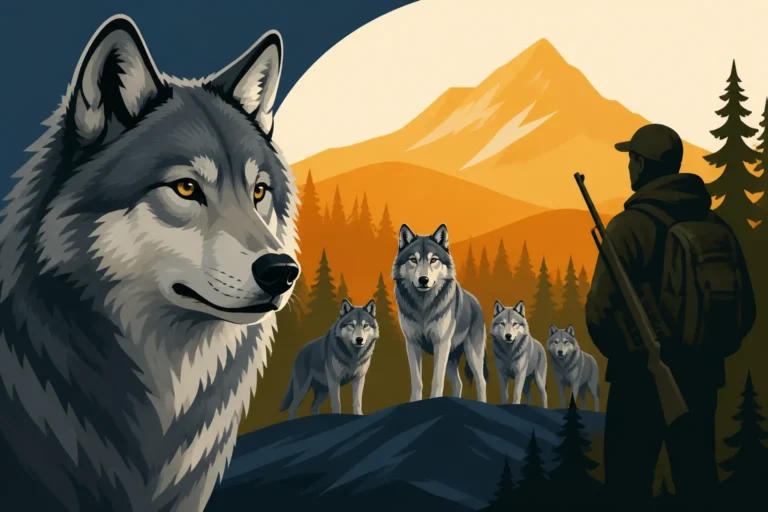
The timber wolf is perhaps the ultimate symbol of wild Alberta. These animals are incredibly intelligent, social, and challenging to hunt, making them a true trophy for any dedicated hunter. Their haunting calls echoing through the stillness of a winter night are a testament to their presence, even if you never see them. Successfully hunting wolves requires immense patience, extensive knowledge of their habits, and a willingness to brave some of Alberta's most remote and rugged terrain.
Where Wolves Roam: Prime Territories and Habitat
Alberta's wolves primarily thrive in the province's vast Green Area, particularly the expansive boreal forest that stretches across northern and central Alberta, as well as the rugged foothills and mountain regions. These areas provide the dense cover they need for denning and travel, along with a plentiful supply of big game like moose, elk, and deer. You'll find them along old seismic lines, pipeline corridors, and the edges of recent cutblocks, particularly where these features intersect with dense timber. The Athabasca River corridor and the Swan Hills timber are classic examples of prime wolf country. While they are most concentrated in the north, packs can and do range into agricultural areas adjacent to heavy bush, especially during periods of high deer density. Understanding "Wolf Pack Size in the Boreal" can give you a better idea of how many eyes and noses you're up against in these remote landscapes.
The Social Dynamics of a Wolf Pack
Wolf packs are highly structured and exhibit fascinating social behaviors. They are typically led by an alpha male and female, who are usually the only ones to breed within the pack. The pack consists of their offspring from previous years, creating a tight-knit family unit. This social structure is crucial for their hunting success, as they rely on coordinated efforts to bring down large prey. When you encounter wolf sign, you're not just dealing with one animal; you're often dealing with a cohesive unit whose members communicate through howling, scent marking, and body language. This complex social dynamic makes them incredibly aware of their surroundings and exceptionally difficult to surprise. Knowing how they operate is fundamental to even beginning to think about how to hunt them.
Hunting Strategies and Considerations for Wolves
Hunting wolves is a test of endurance and wit. Calling, particularly during the winter months, can be an effective strategy. Loud, drawn-out howls, especially distress calls, can sometimes bring them in, but it requires patience and often multiple setups over large areas. Many hunters have success by targeting areas where wolves cross or travel frequently, such as frozen cutlines or old logging roads. Setting up a stand or blind downwind of these travel corridors, especially during low light conditions, can offer an opportunity. Using bait is another common method in Alberta, particularly in remote areas, as it can draw them into a more predictable location. This is usually a winter pursuit when tracks are visible, helping you understand their patterns and movements. Remember to check regulations carefully, as specific rules for "Calling Wolves in Winter Bush" and baiting apply. The sheer size of the territory they cover means that being able to scout large areas, perhaps with the aid of tools like GoHunt, which can show you historical game movements and terrain features, is a huge advantage.
The Elusive Cougar: Stalkers of the Foothills
The cougar, or mountain lion, is arguably Alberta’s most elusive and formidable predator. These magnificent big cats are true masters of stealth, capable of moving through dense terrain almost silently. Hearing a cougar scream in the night is an unforgettable, primal sound, but seeing one in the wild is a rare privilege. Successfully hunting a cougar demands extreme dedication, physical fitness, and often, the aid of well-trained hounds.
Cougar Strongholds and Preferred Terrain
Alberta’s cougar population has seen a significant increase in recent decades, primarily in the rugged foothills and mountain regions of the province. Areas like the Livingstone-Porcupine Hills, the Crowsnest Pass, and the Bighorn Backcountry are prime cougar habitat. They thrive in broken terrain with dense cover – think steep, timbered slopes, deep river valleys, and rocky canyons. These environments provide excellent ambush points for their primary prey, deer and bighorn sheep. While most concentrated in these areas, as their population grows, cougars are increasingly sighted further east, occasionally venturing into the parkland fringes where ample whitetail deer exist. Understanding "Where Alberta Cougars Have Spread" can inform your scouting efforts.
Cougar Behavior and Hunting Challenges
Cougars are solitary, territorial animals, making them incredibly difficult to track and locate. They are primarily nocturnal and crepuscular hunters, meaning they are most active at dawn and dusk. Their stealth is legendary; they stalk their prey with incredible patience, often ambushing from above. The biggest challenge in hunting cougars is simply finding them. They leave subtle signs – scat, scrapes, and kill sites – but these can be difficult for the untrained eye to spot. Their range can be vast, and they move silently, rarely giving away their position. This is why "Hunting Cougar in Alberta's Foothills" often relies on snow tracking, where fresh tracks can lead you to their current whereabouts, or with the use of highly specialized tracking dogs.
Understanding Alberta's Cougar Quota System
Alberta manages its cougar population through a quota system, which is in place for specific Wildlife Management Units (WMUs). This means that once a certain number of cougars have been harvested in a particular WMU, the season for that area closes immediately. This system is crucial for ensuring sustainable cougar populations and proper management. It introduces a unique dynamic to cougar hunting: you must be constantly aware of the current quota status. Many hunters rely on checking "The Cougar Quota Phone Line Explained" or the provincial website daily during their hunt. It's a race against the clock and other hunters, adding another layer of challenge and excitement to an already demanding pursuit. Make sure you understand the rules for "Checking Alberta's Cougar Quota Line Daily" before you even consider heading out.
The Ubiquitous Coyote: Clever Scavengers of the Prairies and Parkland
Coyotes are perhaps Alberta's most adaptable and widespread predator. Found virtually everywhere from the open prairies to the deep bush and even the outskirts of major cities, these intelligent canids offer abundant hunting opportunities. While often seen as varmints, they are incredibly cunning and can provide some of the most exciting and challenging predator hunting experiences. Their presence is a constant, and understanding their habits is key to successful and frequent encounters.
Coyote Distribution Across Alberta
Coyotes are truly ubiquitous in Alberta. You’d be hard-pressed to find a corner of the province where they don’t roam. They thrive in open grasslands, cultivated fields, and the aspen parkland regions, where food sources like rodents, hares, and deer fawns are plentiful. They are also highly present in agricultural areas, often seen skirting field edges or darting across roads. While less common in dense boreal forests than wolves, they are certainly there, adapting to whatever food sources are available. Their adaptability is remarkable; they can survive in virtually any habitat, which is precisely "Why Alberta Has So Many Coyotes." This widespread distribution means that coyote hunting opportunities are accessible to almost every hunter in Alberta, regardless of their preferred hunting grounds.
Coyote Adaptability and Hunting Opportunities
Coyotes are masters of survival, capable of adapting their diet and behavior to whatever conditions they face. They are opportunistic feeders, consuming everything from berries and insects to deer and small livestock. This adaptability makes them a prime target for year-round predator hunting. Unlike wolves and cougars, which often require extensive travel into remote areas, coyotes can often be hunted effectively much closer to home, even on agricultural land with proper permission. The fact that their numbers are generally strong and their seasons are long means there's almost always an opportunity to pursue them, making them a great species for new predator hunters to gain experience. However, don't let their numbers fool you; they are notoriously wary, and successful hunting demands keen observation and precision.
Calling and Decoying Strategies for Coyotes
One of the most popular and effective ways to hunt coyotes is through calling. Mimicking the sounds of a distressed rabbit, a pup in distress, or even a challenge howl can draw them in. The key is to set up downwind, hide effectively, and be prepared for a quick shot. Using a decoy, such as a rabbit or bird, can add visual appeal to your call, often coaxing a wary coyote the last few yards. When "Coyote Hunting Alberta Farm Country," it’s crucial to understand the terrain – shelterbelts, coulees, and slough edges are all natural travel routes and ambush points for coyotes. Calling effectively means understanding the dynamics of the wind in open prairie country and how sound travels. Patience is also paramount; sometimes it takes several minutes for a coyote to commit to the call, circling downwind to get a whiff of the source before exposing itself. Modern electronic callers, like those reviewed on hunting sites, can simulate a wide range of prey and coyote vocalizations, giving hunters an edge.
Black Bears: The Omnivorous Forest Dwellers
While often considered big game, black bears are undeniably a significant predator in Alberta's ecosystems. They are omnivores, meaning their diet is incredibly varied, but they will certainly prey on fawns, elk calves, and even adult deer if the opportunity arises. Alberta boasts a healthy and robust black bear population, offering fantastic spring and fall hunting opportunities across much of the province. Understanding their seasonal movements and feeding habits is crucial for a successful hunt.
Black Bear Habitats and Seasonal Movements
Black bears in Alberta primarily inhabit the vast forested regions, stretching from the foothills and mountains in the west, across the central parkland fringes, and deep into the boreal forest of the north. You’ll find them in areas with a mix of dense timber for cover and open clearings, river valleys, and wet meadows for feeding. In the spring, after emerging from their dens, bears are often found foraging in south-facing slopes, greening cutblocks, and along power lines or seismic lines, where new growth provides tender shoots and grasses. Later in the summer and fall, their diet shifts to berries and other mast crops, moving them into areas rich in saskatoon, chokecherry, and other fruit-bearing shrubs. Understanding "Black Bear Hunting in Alberta" means knowing these seasonal patterns. For example, "Spring Bear Hunting Alberta's Cutblocks" is a classic strategy, as new growth attracts them.
Identifying Bear Sign and Behavior
Bears leave a lot of sign if you know what to look for. Tracks are obvious, but also look for overturned rocks, torn-up logs, and claw marks on trees, indicating they’ve been foraging or marking territory. Scat can tell you a lot about their diet and how recently they were in the area. In the spring, fresh green scat points to them feeding on grasses; later, it will be full of berry seeds. Bears are generally shy and avoid humans, but sows with cubs can be defensive, and a habituated bear can be dangerous. It's also vital to be aware of "Colour Phase Black Bears in Alberta," as many bears in the province are brown, cinnamon, or blonde, and can easily be mistaken for grizzlies if not identified carefully. Always carry bear spray when in bear country, and know how to use it, especially if you're pursuing other game during bear season.
Navigating Alberta's Bear Hunting Seasons
Alberta offers both a spring and a fall black bear season, providing ample opportunity for hunters. The spring season typically runs from April to June, coinciding with bears emerging from dens and actively seeking food. This is a popular time for baiting, where hunters establish a consistent food source to draw bears into a predictable location. The fall season, often from September to November, sees bears actively feeding to put on fat for winter hibernation, making them very active. Hunting during the fall often involves spot-and-stalk tactics in berry patches or along active feeding areas. Both seasons have specific WMU rules, and it’s important to familiarize yourself with these regulations, including those for "Baiting Black Bear in Alberta" and specific "Alberta Spring Bear Season Dates." Regardless of the season, ethical hunting practices and proper meat care are paramount, especially given Alberta's sometimes warm swings in temperature.
Other Fascinating Furbearers: Lynx, Fox, and Wolverine
While wolves, cougars, and bears often get the most attention, Alberta is also home to a fascinating array of smaller predators and furbearers. These animals, though sometimes overlooked, play equally important roles in their respective niches and offer unique insights into the province's wild ecology. Their elusive nature makes encounters with them special, and for some, trapping and hunting these species is a dedicated passion.
Lynx and Their Snowshoe Hare Connection
The Canada lynx is a stunning, specialized predator, most at home in Alberta’s deep boreal forests. What makes them so unique is their incredibly close relationship with snowshoe hares. The populations of lynx rise and fall in direct correlation with the cyclical abundance and scarcity of snowshoe hares. When hare numbers boom, lynx thrive; when hare numbers crash, so do lynx numbers. This tightly woven predator-prey relationship is a classic example of ecological interdependence. Lynx are adapted for deep snow, with huge, well-furred paws that act like snowshoes, allowing them to traverse their snowy domain with ease. While rarely hunted with firearms, they are a sought-after furbearer for trappers in northern Alberta. Understanding "Lynx and Snowshoe Hare Cycles" offers a deeper appreciation for the rhythms of the boreal forest.
Red Fox and Swift Fox: Prairie Dwellers
Alberta is home to two primary fox species: the ubiquitous red fox and the critically endangered swift fox. Red foxes are highly adaptable and found across nearly all habitats, from agricultural fields to the edges of urban centers, and even into the boreal forest. They are opportunistic hunters, preying on rodents, hares, and birds, and are often seen darting across fields or along treelines. Their cunning nature makes them a popular target for predator callers and small game hunters, especially when "Calling Coyotes in Alberta Stubble" as they often respond to the same calls.
The swift fox, on the other hand, is a true prairie specialist. Once extirpated from Canada, reintroduction efforts have slowly brought them back, primarily to the Milk River Ridge and the southeastern prairies of Alberta. These small, agile foxes are highly dependent on native grasslands and prey almost exclusively on small rodents and insects. They are a protected species and cannot be hunted, serving as a reminder of the delicate balance required for conservation efforts in the province.
The Resilient Wolverine: Backcountry Solitary
The wolverine is perhaps the most enigmatic and least understood of Alberta’s predators. These incredibly powerful and tenacious animals are built for harsh northern environments, embodying true wilderness resilience. They are solitary creatures, ranging across vast territories in the most remote areas of the mountains and boreal forest, making them incredibly difficult to spot. Wolverines are opportunistic scavengers and predators, capable of taking down animals much larger than themselves, especially in deep snow.
They have an almost mythical status among backcountry enthusiasts due to their sheer toughness and rarity of sightings. While they are a legal furbearer, hunting them is an incredibly specialized pursuit, typically done via trapping, given their vast range and elusive nature. Encounters with a wolverine are rare and memorable, a true sign you are deep in unspoiled wilderness. Their presence speaks volumes about the health of Alberta’s pristine backcountry.
Predator Management and Conservation in Alberta
Responsible predator management is a cornerstone of Alberta’s wildlife conservation efforts. The goal is to maintain healthy predator populations that fulfill their ecological roles while also managing potential conflicts with human interests, such as livestock protection or competition with big game species. This balancing act requires ongoing research, careful monitoring, and adaptive management strategies, where hunters play a critical role.
The Role of Hunting in Predator Management
Hunting is not just a recreational activity; it’s an essential tool in modern wildlife management, particularly for predators. In Alberta, regulated hunting seasons for wolves, coyotes, and black bears help manage their numbers, especially in areas where populations are thriving or where they may come into conflict with human activities or sensitive prey populations. For instance, selective harvest of wolves can help reduce predation pressure on struggling ungulate herds, allowing them to recover. Similarly, black bear hunting helps manage populations that might otherwise experience increased human-bear conflicts, particularly around agricultural areas or recreational sites. Ethical hunters are critical contributors to this system, often providing valuable data and funding for conservation through license fees. They are often the eyes and ears on the ground, reporting observations that contribute to a broader understanding of predator dynamics.
Ethical Considerations and Responsible Hunting Practices
Hunting predators comes with a heightened sense of ethical responsibility. Given their intelligence and often challenging nature, ensuring a quick, humane harvest is paramount. This means meticulous shot placement, using appropriate calibers, and diligent tracking. For species like wolves and cougars, which can be particularly wary, patience and careful planning are key to minimizing stress on the animal and ensuring a clean kill. Understanding the animal's behavior, respecting fair chase principles, and abiding by all regulations are non-negotiable. Furthermore, proper meat care, even for predators like bears (whose meat is excellent when handled correctly), reflects respect for the animal. Ethical hunters also understand the importance of reporting their harvests accurately to contribute to provincial data, which helps guide future management decisions.
Living Alongside Alberta's Predators
Beyond hunting, living responsibly alongside Alberta’s predators is an ongoing commitment for all residents and visitors. This means managing attractants around homes and campsites, being bear-aware in the backcountry, securing livestock, and understanding appropriate responses if you encounter a predator. Education plays a huge role in dispelling myths and fostering respect for these animals. Programs and initiatives help landowners protect livestock from predation, often using non-lethal deterrents. For hunters, it’s about appreciating the challenge these animals present and recognizing that a healthy predator population is an indicator of a thriving ecosystem. Whether you’re hunting them or simply sharing their landscape, predators are a vital part of what makes Alberta wild and unique. Always prioritize "Wildlife Safety in Alberta Bear Country" and general awareness.
Essential Gear and Preparedness for Predator Hunters
Successfully hunting Alberta's predators often means venturing into challenging terrain and weather conditions. Having the right gear isn't just about comfort; it's about safety, effectiveness, and ensuring you're prepared for whatever the wild throws at you. From the clothes on your back to the optics you peer through, every piece of equipment plays a role in maximizing your chances of success and ensuring a safe return.
Clothing, Optics, and Navigation Tools
When you're out chasing predators in Alberta, especially in the late fall and winter, suitable clothing is non-negotiable. Layers are key: a good base layer for moisture wicking, an insulating mid-layer (think fleece or down), and a waterproof, windproof outer shell. "Hunting Alberta Winter Weather Safely" demands quality gear. Footwear should be warm, waterproof, and provide excellent traction, especially when navigating snow, ice, or steep terrain. Optics are equally crucial. High-quality binoculars (10×42 or 10×50) are essential for spotting subtle movements and identifying animals at a distance, especially for species like coyotes in open country or wolves skirting a distant tree line. A spotting scope can be invaluable for identifying cougar tracks from a vantage point or assessing a distant wolf pack. For navigation, a reliable GPS unit or a mapping app like GoHunt on your phone is indispensable, allowing you to accurately mark tracks, kill sites, and your route in often featureless or densely forested terrain. Having a physical map and compass as a backup is always a smart move.
Firearms and Ammunition for Predator Hunting
Choosing the right firearm and ammunition is critical for humane and effective predator hunting. For coyotes, a flat-shooting rifle in calibers like .22-250, .204 Ruger, or .223 Remington is popular, offering precision at range. Many hunters also use shotguns for close-range calling setups. When it comes to wolves and cougars, a more powerful centerfire rifle is generally recommended. Calibers such as .270, .30-06, .308 Win, or even larger magnums are often preferred to ensure adequate knockdown power on these tough animals. For black bears, similar mid-to-large caliber rifles are suitable, and even a powerful handgun can be an option in specific close-quarters scenarios. Regardless of the caliber, using good quality, reliable ammunition that you’ve thoroughly patterned with your rifle is essential. Practice makes perfect, and knowing your rifle's capabilities at various ranges will greatly increase your chances of a clean shot. Always adhere to Alberta's regulations for "Legal Firearms and Bows for Big Game."
Safety First: Bear Spray and Emergency Kits
Safety should always be your number one priority, especially when hunting predators or in predator country. A well-stocked emergency kit is a must-have. This should include a first-aid kit, fire-starting materials, a headlamp, extra batteries, a knife, a multi-tool, high-energy snacks, and sufficient water. Communication devices, such as a satellite messenger or a fully charged cell phone (though service is often non-existent in remote areas), are crucial. Perhaps most importantly, particularly when hunting bears or in grizzly country (even if you're not targeting grizzlies, you might encounter them), carry bear spray and know how to use it. It’s a non-lethal deterrent that can save your life. Ensure it’s easily accessible on your hip or chest rig, not buried in your pack. Familiarize yourself with "Alberta Blaze Orange and Safety Rules" and always inform someone of your hunting plan, including your intended route and expected return time. Predator hunting often takes you into truly wild places, and being prepared is the best defense against unforeseen circumstances.
Disclaimer
The information provided in this guide is for general knowledge and informational purposes only, and does not constitute legal advice. Hunting regulations, seasons, and access rules in Alberta can change frequently. It is the sole responsibility of the individual hunter to consult and comply with all current Alberta Fish and Wildlife regulations, acts, and orders before engaging in any hunting activities. Always prioritize safety, ethical practices, and respect for wildlife and the land.