Sandhill Cranes Passing Through Alberta
For many hunters and birdwatchers in Alberta, the sight and sound of Sandhill Cranes passing through are nothing short of spectacular. Their distinct, rattling call echoes across the vast prairie skies, signaling the changing seasons. But understanding their migration patterns, identifying optimal staging areas, and knowing the specific regulations for hunting these magnificent birds can feel like a maze. This comprehensive guide aims to demystify the Sandhill Crane’s journey through Alberta, offering insights into their biology, migration habits, and the unique hunting opportunities they present.
Understanding Sandhill Cranes in Alberta
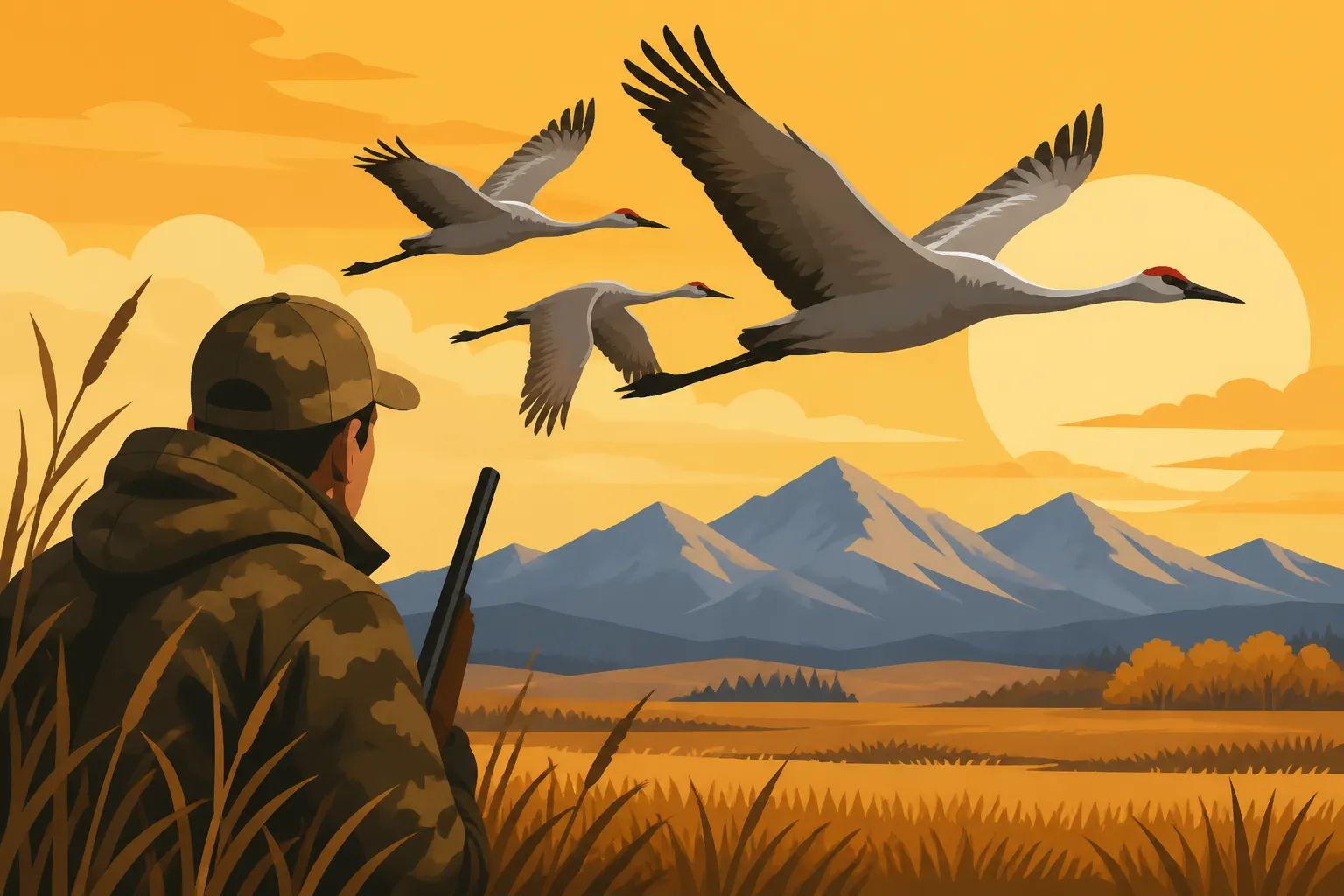
Sandhill Cranes are truly remarkable birds, known for their elegant stature, striking appearance, and distinctive calls. They represent a significant part of Alberta's avian landscape, particularly during their spring and fall migrations. For those who appreciate the wildness of our province, seeing a flock of cranes against a prairie sunset is an unforgettable experience.
The Greater Sandhill Crane Subspecies
While there are several subspecies of Sandhill Cranes across North America, the ones most commonly observed and hunted in Alberta are the Greater Sandhill Cranes. These are the largest of the Sandhill subspecies, standing tall with long legs and necks, and sporting a characteristic patch of red skin on their foreheads. Their plumage is predominantly grey, often appearing rusty brown due to iron-rich mud staining from their feeding grounds. They're quite social, often seen in large family groups or massive flocks during migration, creating an impressive spectacle that even non-hunters stop to admire. Their calls are a loud, rattling bugle, often described as a "ker-r-r-o-o" sound that carries for miles, a truly wild sound that signifies open spaces and endless skies.
Their Annual Migration Journey
The migration of Sandhill Cranes through Alberta is a grand event, driven by the changing seasons and their fundamental need for suitable breeding and wintering grounds. In spring, these cranes travel north from their wintering areas in the southern United States and Mexico, heading towards breeding grounds across the northern prairies, boreal forests, and even into the Arctic. Alberta sits right in the middle of a major migratory corridor, often seeing birds staging here before continuing their journey. Come fall, the reverse journey begins, with cranes gathering in immense numbers, staging in Alberta's agricultural fields to refuel before making the long trek south. This fall migration is typically when hunters in Alberta have the opportunity to pursue them, as the birds concentrate in predictable areas, offering a unique challenge.
Diet and Habitat Preferences in Alberta
When Sandhill Cranes arrive in Alberta, especially during the fall migration, their primary focus is on feeding and building up fat reserves for their long flight south. Their diet is incredibly varied, but they are opportunistic foragers. They'll readily consume grains like barley, wheat, and peas left over in swathed or harvested fields. This strong preference for agricultural waste grains is precisely why hunters often find them in stubble fields. Beyond grains, they also feed on insects, small vertebrates, roots, tubers, and seeds from various plants, showcasing their adaptability.
Their preferred habitats in Alberta generally include open agricultural lands, particularly those with standing crops, swaths, or stubble fields adjacent to wetlands or shallow bodies of water. These wetlands serve as crucial roosting sites, offering safety from predators overnight. They'll spend their days feeding in the fields and then fly to these secure water bodies to roost as dusk approaches. This daily pattern is key for anyone looking to observe or hunt them, as it dictates their movements and concentrations.
Key Migration Corridors and Staging Areas
Understanding where Sandhill Cranes prefer to travel and gather is paramount for anyone interested in these birds, whether for observation or hunting. Alberta plays a critical role in the Central and Pacific Flyways, making it a prime location for crane activity.
Major Flyways Across Alberta
Alberta is strategically located within the broader migratory pathways of North America. Specifically, the western edge of the Central Flyway and the eastern fringe of the Pacific Flyway funnel vast numbers of migratory birds, including Sandhill Cranes, through our province. These flyways aren't narrow, defined lines, but rather broad corridors where birds generally travel. For Sandhill Cranes, this means they can be found across much of central and southern Alberta, particularly in regions dominated by agricultural land and interspersed wetlands. The sheer volume of cranes moving through these areas can be breathtaking, with flocks numbering in the hundreds or even thousands on peak migration days. Paying attention to major weather systems and frontal passages can also give clues as to when the next big push of birds will be moving through, which is vital for planning any outing.
Identifying Prime Staging Grounds
"Staging grounds" are essentially pit stops where cranes gather in large numbers to rest and feed before continuing their migration. In Alberta, these are almost exclusively found in agricultural landscapes. Look for large, open fields—especially those with harvested barley, wheat, or pea crops. These fields offer a readily available food source and the expansive, unobstructed views that cranes prefer for security. Areas with a mix of croplands and shallow wetlands or large sloughs are particularly attractive. The wetlands provide safe overnight roosting, while the nearby fields offer daytime feeding.
I've spent countless hours scouting these areas, and it often involves driving grid roads, observing bird movements, and talking to local farmers. Sometimes, a field that was empty one day will be covered in cranes the next, making continuous scouting or using a reliable scouting app invaluable. You might even use a platform like GoHunt, if they have tools or community forums relevant to migratory bird activity, to get a sense of where concentrations are being reported. These large concentrations of birds are what hunters often key in on. Knowing Scouting Fields for Alberta Waterfowl can directly translate to finding cranes as well, given their shared preference for agricultural fields.
Impact of Agriculture on Staging
Agriculture is a double-edged sword for Sandhill Cranes. On one hand, modern farming practices leave behind abundant waste grain in fields after harvest, providing a crucial and easily accessible food source that helps cranes quickly refuel for their long journeys. This surplus of food allows them to build up fat reserves more efficiently than they might on natural forage alone, potentially supporting larger populations. On the other hand, agricultural expansion can lead to the drainage and destruction of natural wetland habitats, which are vital for crane roosting and loafing.
The relationship is complex, but for hunters, it means that finding cranes often means finding working farms. It's a key reason why securing Getting Permission for a Goose Field is so essential, as many of these prime crane staging grounds are on private land. Respecting landowners and their operations is paramount, not just for ethical hunting but also for maintaining future access. When you spot a flock of Sandhills, it's almost a given that a field of swathed barley or a recently combined pea field is nearby.
Identifying Sandhill Cranes and Their Behavior
Knowing what to look for and listen for can make all the difference in locating and understanding Sandhill Cranes. They are unique birds, but in the distance, their large size can sometimes lead to misidentification.
Distinguishing Cranes from Herons and Geese
From a distance, especially in flight, Sandhill Cranes can sometimes be confused with other large birds like Great Blue Herons or even Canada Geese. However, there are distinct differences:
- Flight Profile: Cranes fly with their long necks and long legs fully extended, appearing as a straight line in the sky. Herons, in contrast, fly with their necks tucked in a distinct S-shape, though their legs also trail behind. Geese fly with shorter, thicker necks extended and shorter legs, often in V-formations, but their overall profile is much more compact.
- Size and Color: Sandhill Cranes are notably larger than most geese, with a more slender build. Their grey-brown plumage (often rusty stained) is quite different from the darker bodies and white cheek patches of Canada Geese, or the bluish-grey and white of a Great Blue Heron.
- Vocalization: This is perhaps the most obvious differentiator. The Sandhill Crane's loud, rattling, bugling call is unmistakable. Herons are generally silent in flight or emit a harsh croak. Geese have their familiar honk. Learning the distinct calls of these birds is a critical skill for any avid outdoorsperson in Alberta.
| Feature | Sandhill Crane | Great Blue Heron | Canada Goose |
|---|---|---|---|
| Flight Neck | Fully Extended (straight) | Tucked (S-shape) | Fully Extended (straight, short) |
| Flight Legs | Fully Extended (trailing) | Fully Extended (trailing) | Shorter, slightly trailing |
| Primary Color | Grey-brown (often rusty) | Bluish-grey, white | Brownish-black, white chest |
| Head Features | Red patch on forehead | Long, pointed bill, crest | Black neck, white cheek patch |
| Vocalization | Loud, rattling bugle | Harsh croak, often silent | Familiar "Honk!" |
| Typical Habitat | Open fields, wetlands | Wetlands, shorelines | Fields, open water, urban |
Observing Flight Patterns and Vocalizations
Sandhill Cranes have a very distinctive flight pattern. When migrating, they often fly in large, undulating formations that can appear more chaotic than the orderly V-formations of geese, though they sometimes form V's too. They soar on thermals, circling high in the sky, before gliding for long distances. Their wingbeats are powerful and deliberate, with a slower cadence than ducks or geese.
As mentioned, their calls are a dominant feature of their presence. The loud, resonant bugle is created by their unusually long trachea, which coils into their sternum. This call is a primary communication tool, used to keep flocks together during migration, announce their presence, and communicate within their social groups. When a flock is feeding, you'll hear a constant chatter, but when they're taking off or circling high, that characteristic bugle becomes very pronounced. Learning to mimic this call, even crudely, can sometimes get a response from distant birds and is a key skill for Hunting Alberta's Sandhill Cranes Over Decoys.
Feeding and Roosting Habits
Sandhill Cranes exhibit predictable daily routines, especially during their staging periods in Alberta. Typically, they will leave their communal roosting sites in wetlands or shallow water bodies shortly after sunrise. They then fly to nearby agricultural fields, often in large groups, to feed throughout the morning and into the afternoon. This is where they forage for waste grains and other edibles, slowly moving across the field. During the warmest parts of the day, they might loaf around in the field or move to a nearby pasture or undisturbed area to digest and rest.
As evening approaches, usually an hour or two before sunset, they will begin to depart the feeding fields and return to their roosts. This evening flight can be just as spectacular as the morning exodus, with wave after wave of cranes flying back to the safety of the water for the night. Identifying these daily flight paths between feeding and roosting sites is critical for successful scouting and hunting. Finding those large, secure water bodies, often miles from any human disturbance, is as important as finding the fields they feed in.
Hunting Sandhill Cranes in Alberta
For those keen to pursue Sandhill Cranes, Alberta offers a fantastic opportunity. Their size, cautious nature, and specific habitat preferences make them a rewarding bird to hunt, but they also demand a thoughtful approach.
Alberta's Sandhill Crane Season Dates
It's crucial to always check the most current Alberta hunting regulations for precise dates, as they can vary slightly year to year and by Wildlife Management Unit (WMU). However, generally, Sandhill Crane seasons in Alberta typically run from September through to mid-December, overlapping significantly with other migratory bird seasons. This timing coincides perfectly with their major fall migration through the province. The daily bag and possession limits are also clearly outlined in the regulations. It's important to remember that these are migratory birds, so federal regulations, alongside provincial ones, apply. Knowing the specific Alberta Game Bird Seasons and Limits is your first step. Before you head out, make sure your WIN card and all necessary permits, including the federal migratory game bird permit, are in order.
Essential Gear and Decoy Spreads
Hunting Sandhill Cranes effectively requires specialized gear, similar in many ways to goose hunting, but with some key distinctions due to the cranes' size and wariness.
- Shotgun and Ammunition: A 12-gauge shotgun is the standard, capable of handling larger shot sizes. Because Sandhill Cranes are migratory birds, you must use non-toxic shot, as specified under Non-Toxic Shot Requirements for Migratory Birds. Steel shot in sizes BB, BBB, or T are common choices, as cranes are large, tough birds that require good penetration.
- Decoys: Cranes are very visual birds, and a realistic decoy spread is paramount. Full-body crane decoys are the most effective, though large silhouette decoys can also work, especially in a large spread. Spreads often consist of a dozen or more decoys, sometimes up to several dozen, to mimic a feeding flock. Unlike geese, crane decoys are often spaced a bit wider, reflecting their less dense feeding patterns.
- Blinds: Cranes are incredibly wary. A well-hidden layout blind or a natural blind concealed within the field is essential. Camouflage should blend perfectly with the stubble or cover available in the field. Concealment is key; if they see you, they will flare.
- Calling: A quality Sandhill Crane call is a must. Learning to replicate their distinctive "rattling bugle" and softer feeding calls can be highly effective in drawing birds closer. Practice is essential to produce realistic sounds.
- Scouting Tools: A good pair of binoculars or a spotting scope is invaluable for scouting fields from a distance. Tools like GoHunt might also offer mapping features or community reports that can aid in locating prime areas or recent bird movements, helping you narrow down your search for those elusive flocks.
Field Hunting Strategies
Field hunting is the primary method for Sandhill Cranes in Alberta. The strategy revolves around meticulous scouting, effective concealment, and realistic calling.
- Scouting: This cannot be overstressed. You must locate the fields where cranes are actively feeding. Spend time driving around in the afternoons, identifying flight paths and watching where birds land to feed. Note the exact field, the crop type, and any subtle terrain features that might aid concealment. Your goal is to intercept them on their way to or from their feeding area, or ideally, right where they want to be. Just like Hunting a Swathed Grain Field at Dusk for geese, knowing exactly where the birds want to be is paramount.
- Setting the Spread: Once you've secured permission from the landowner (critical!), set up your decoys before first light. Place your layout blinds within the spread, ensuring they are perfectly brushed in with local stubble and debris. Cranes are incredibly sharp-eyed; any unnatural lump will send them flaring. Position your spread according to the wind direction, as cranes, like most large birds, prefer to land into the wind. Leave a large, clear landing zone within your decoys.
- Calling: As cranes approach, begin calling. Use a mix of loud bugles to get their attention from a distance, then transition to softer feeding calls as they get closer. Don't overcall; let the decoys do their work. Watch the birds' reactions – if they shy away, ease off the call.
- Patience and Decisiveness: Cranes will often circle multiple times, inspecting the spread. Remain completely still until the birds commit and drop their feet into your landing zone. When they are close and low, that's your moment. Sandhill Cranes offer an exciting challenge for seasoned bird hunters, combining elements of calling, concealment, and reading bird behavior.
Conservation and Management Efforts
The health of Sandhill Crane populations is a testament to ongoing conservation and management efforts. These initiatives ensure that we can continue to enjoy these magnificent birds, both for their aesthetic value and for sustainable hunting opportunities.
Population Monitoring and Surveys
Monitoring Sandhill Crane populations is a collaborative effort involving federal and provincial agencies, as well as academic institutions. This typically involves aerial surveys of breeding grounds, counting nests and broods to estimate reproductive success. Wintering ground surveys provide population counts of cranes gathered in their southern homes. Migration counts, often conducted by volunteers or bird observatories, track the flow of birds through key staging areas like those found in Alberta. The data collected from these surveys is crucial for understanding population trends, identifying potential threats, and making informed management decisions regarding harvest limits and season lengths. These regular assessments are vital to ensuring the sustainability of crane populations for future generations.
Habitat Protection Initiatives
Habitat loss and degradation remain significant threats to many migratory bird species, including Sandhill Cranes. Conservation efforts in Alberta focus on protecting and restoring key habitats. This includes preserving wetlands, which are essential for crane roosting and breeding, and promoting sustainable agricultural practices that leave waste grain for feeding. Organizations like the Alberta Conservation Association (ACA) play a vital role in securing and managing habitat sites that benefit not only cranes but a wide array of wildlife. For hunters and conservationists, understanding these efforts is key to supporting the long-term health of our wildlife resources. You often find that areas identified for Hunting Alberta's Released Pheasants or other upland birds are also managed in ways that can benefit cranes, showcasing the interconnectedness of various conservation strategies.
The Role of Hunters in Conservation
Hunters are often among the most passionate conservationists, and their role in Sandhill Crane management is no exception. Through licence fees and excise taxes on hunting equipment, hunters provide significant funding for wildlife research, habitat acquisition, and enforcement. Furthermore, hunters are often the first to notice changes in bird populations or habitat conditions, acting as eyes and ears on the ground. Responsible hunting practices, adherence to regulations, and reporting harvest data contribute directly to effective management. When you apply for your Federal Migratory Game Bird Permit Cost or buy The Canadian Wildlife Habitat Conservation Stamp, you're directly contributing to the funds that support these vital programs. Ethical hunting ensures that this tradition can continue while simultaneously supporting robust wildlife populations.
Preparing for a Sandhill Crane Hunt
A successful Sandhill Crane hunt isn't just about showing up with a shotgun and decoys; it's about preparation, understanding the rules, and appreciating the full experience.
Scouting for Cranes Before the Season
Effective scouting is the bedrock of any successful crane hunt. It's not something you can do the morning of the hunt. Start a week or two before the season opens, or even earlier if possible. Drive the back roads, especially in prime agricultural areas, around dawn and dusk. Look for those characteristic V-formations or large, undulating flocks of cranes flying between feeding fields and roosting areas. Pay attention to specific fields where they are consistently landing to feed. Don't just look for cranes; look for crane sign – tracks in muddy areas, droppings, and disturbed ground in stubble fields. Binoculars are your best friend here. Consider using online mapping tools or even a hunting app that might allow you to mark potential roosting water bodies and feeding fields. This reconnaissance is vital and will significantly increase your odds. Remember, patterns can shift, so ongoing scouting, even leading up to your chosen hunt day, is important. You might find a significant shift in locations, much like how patterns change when Hunting the Rut in Early November for deer.
Legal Requirements and Permits
Before heading into the field, ensure all your legal ducks (or cranes!) are in a row. You will need:
- WIN Card: Your Wildlife Identification Number is fundamental for all hunting activities in Alberta.
- Wildlife Certificate: This is required for all hunters in Alberta.
- Alberta Game Bird Licence: This provincial licence covers game birds, including cranes.
- Federal Migratory Game Bird Hunting Permit: Because Sandhill Cranes are migratory, this federal permit is mandatory. It's usually purchased in conjunction with the Canadian Wildlife Habitat Conservation Stamp.
- Landowner Permission: Most prime crane hunting occurs on private land. You absolutely must obtain explicit permission from the landowner before stepping foot onto their property. This is not just a courtesy; it's the law, as highlighted by Alberta Landowner Permission Law. A simple knock on the door, a polite conversation, and a sincere thank you can go a long way.
- Non-Toxic Shot: As previously mentioned, federal regulations mandate the use of non-toxic shot for all migratory bird hunting.
It's your responsibility to review the current Alberta Hunting Regulations, specifically the section on migratory birds, as well as the federal migratory bird hunting regulations, to ensure you are fully compliant with all dates, bag limits, and other rules.
Meat Care and Culinary Considerations
Sandhill Cranes are often referred to as "ribeye in the sky" or "fillet mignon of the air" for good reason – their meat is delicious! Like any game bird, proper meat care in the field is essential to preserve its quality.
- Cooling Quickly: As soon as you retrieve a bird, dispatch it cleanly and begin cooling it down. If temperatures are warm, gutting the bird immediately can help. Get the birds out of direct sunlight and into a cooler with ice as quickly as possible.
- Plucking or Breast Filleting: Many hunters choose to breast out their cranes, taking only the succulent breast meat. Others prefer to pluck the entire bird, which yields legs, thighs, and other parts. The breast meat is particularly lean and red, resembling a small beef steak.
- Cooking: Crane breasts are fantastic pan-seared, grilled, or roasted. Because they are so lean, be careful not to overcook them; medium-rare to medium is usually preferred to maintain tenderness. Marinating them can also add moisture and flavour. If you're looking for more general guidance on meat care, consider reading Meat Care in Alberta's Cold and Warm Swings, which provides broader advice applicable to various game. Enjoying the harvest is a significant part of the hunting experience, and Sandhill Cranes certainly deliver on the culinary front.
Disclaimer
This article is for general informational purposes only and does not constitute professional advice. Laws, prices and regulations vary by location and change over time. Consult a qualified professional for guidance on your specific situation.