What Cougars Eat in the Foothills
It’s natural to wonder about the diet of the apex predators that share our beloved Alberta Foothills. When you're out there, whether you're chasing elk or just enjoying the backcountry, the thought of a cougar on the prowl can certainly cross your mind. Understanding what these elusive cats eat isn't just a matter of curiosity; it helps us grasp the intricate balance of the ecosystem and how cougar presence influences the populations of other game species we pursue. This guide aims to shed light on the primary food sources of cougars in this rugged landscape.
The Cornerstone of the Cougar Diet: Deer in the Foothills
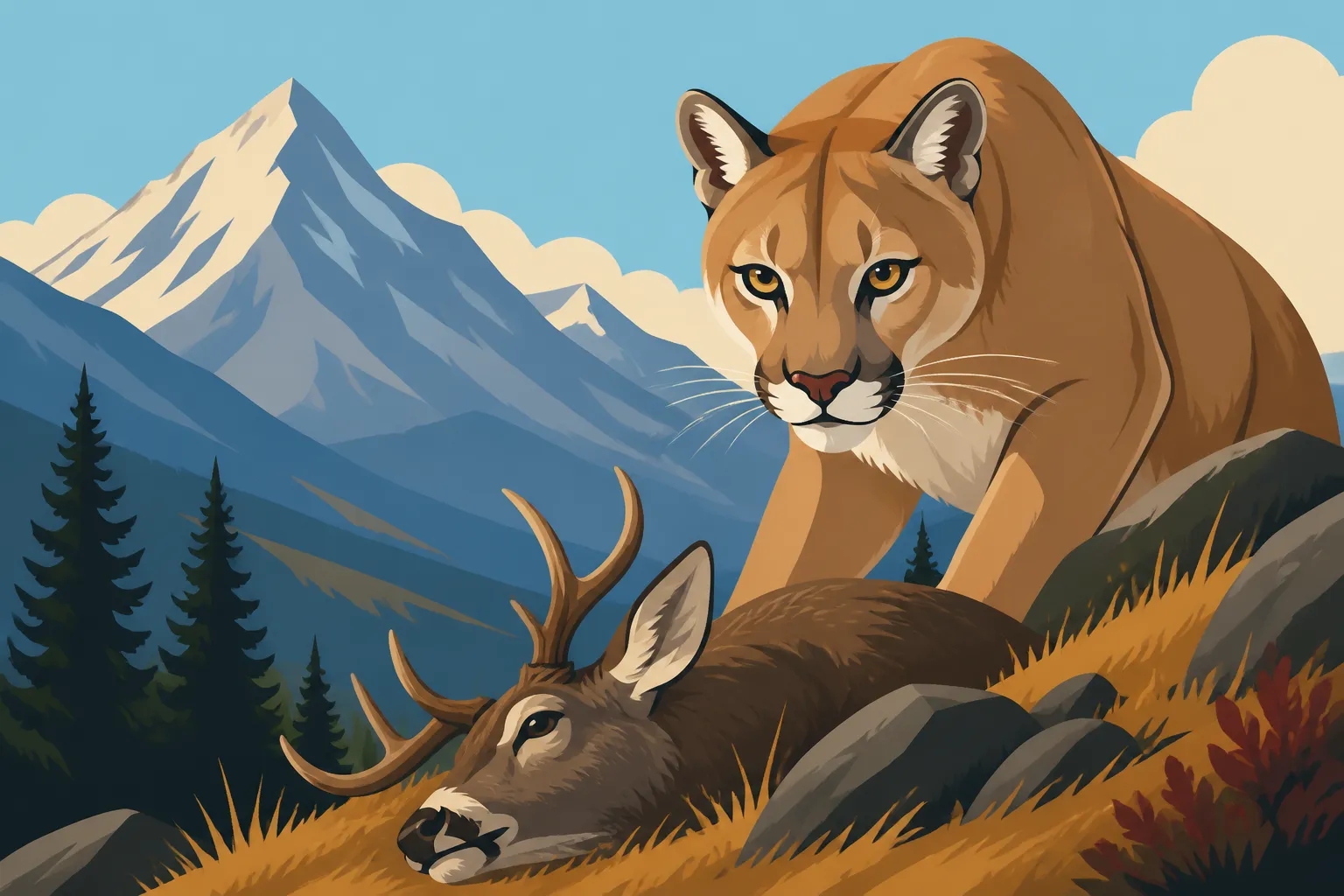
Let's be real, when most people think about what a cougar eats, deer are usually the first thing that springs to mind, and for good reason. In the Alberta Foothills, deer, both mule deer and whitetails, form the absolute bedrock of a cougar's diet. These agile predators are incredibly efficient at ambushing and taking down deer, making them a consistent and readily available food source across much of the cougar's range.
Mule Deer: A Foothills Favorite
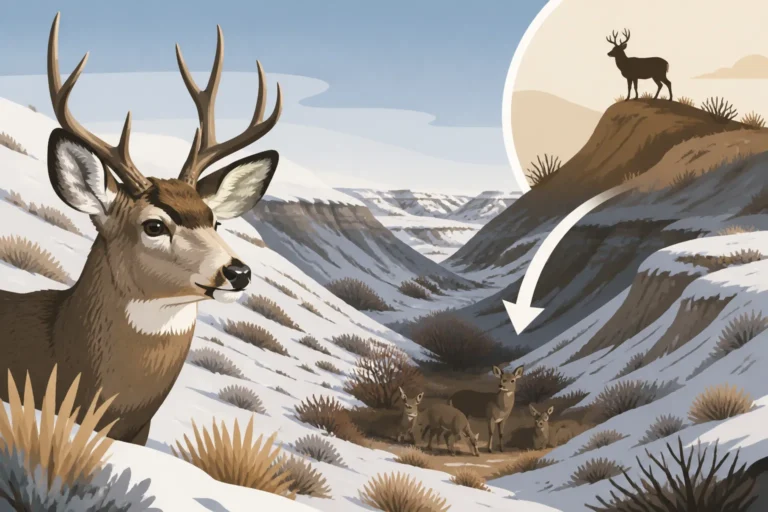
Mule deer are incredibly common throughout the broken, rugged terrain of the Foothills, making them a primary target for cougars. Their habit of "mule-kicking" or bounding when alarmed can sometimes make them vulnerable, especially in deep snow or dense timber where a cougar can close the distance quickly. A cougar will often stalk a herd, waiting for an opportunity to isolate a fawn, a yearling, or a weaker adult. The cat's incredible stealth and explosive burst of speed are perfectly suited for hunting these animals in the mixed forests, coulees, and river valleys that characterize the Foothills. When a cougar takes a mule deer, it's not unusual for them to cache the carcass, covering it with leaves, snow, or debris, and return to feed on it for several days, keeping other scavengers at bay. Knowing what cougars eat can help you understand game movement, a concept often explored on platforms like GoHunt.
Whitetail Deer: An Opportunistic Supplement
While mule deer might be a staple, whitetail deer are also a significant part of the cougar's diet in the Foothills, especially in areas where habitat overlaps or whitetail populations are particularly robust. Whitetails tend to prefer thicker cover and often move through aspen bluffs and willow runs, which provides excellent ambush opportunities for a patient cougar. The "flash" of a whitetail's tail as it bolts through the bush is often the last thing it sees before a cougar pounces. Cougars are opportunistic hunters, and if there's an abundance of whitetails, they'll certainly take advantage. Hunters using tools like GoHunt often pay attention to how deer populations are doing in specific WMUs, which directly impacts cougar prey availability. Understanding the nuances of White-Tailed Deer, Alberta's Most Hunted Big Game and Mule Deer in Alberta's Open Country helps paint a fuller picture of the cougar's dinner plate.
Beyond Deer: The Varied Menu of a Foothills Cougar
While deer are undoubtedly critical, cougars are not exclusively deer eaters. Their diet can be surprisingly diverse, reflecting their adaptability and the sheer array of wildlife that calls the Alberta Foothills home. They are true generalist predators, ready to capitalize on whatever prey is most available or easiest to catch. This flexibility is a hallmark of successful predators and allows them to thrive even when primary prey numbers fluctuate.
Smaller Prey: Snowshoe Hares and Beavers
Don't let their size fool you; cougars will absolutely go after smaller prey when the opportunity arises, or when deer are harder to come by. Snowshoe hares, with their cyclical population booms, can become a significant food source in certain years. Imagine a cougar patiently waiting along a snowshoe hare run, pouncing with lightning speed as one scurries past. Beavers, too, despite their aquatic nature and tough hides, are fair game. A cougar might stalk a beaver on land, near its lodge or a feeding area. These smaller meals might not last as long as a deer, but they provide essential calories and keep a cougar fed between larger kills. Understanding these smaller prey species can give insight into the overall health of the ecosystem, which is something many conservation-minded hunters, often found on forums like GoHunt, appreciate. This often ties into the broader patterns discussed in articles like Snowshoe Hare and Small Game.
Elk and Moose Calves: When Opportunity Knocks
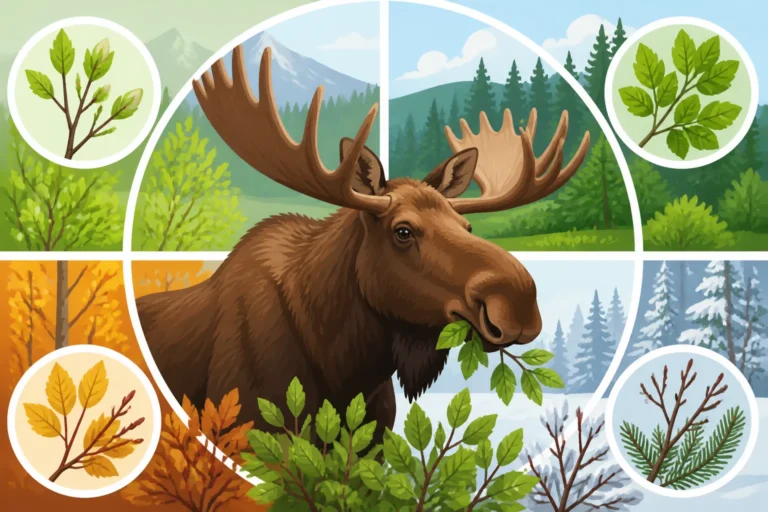
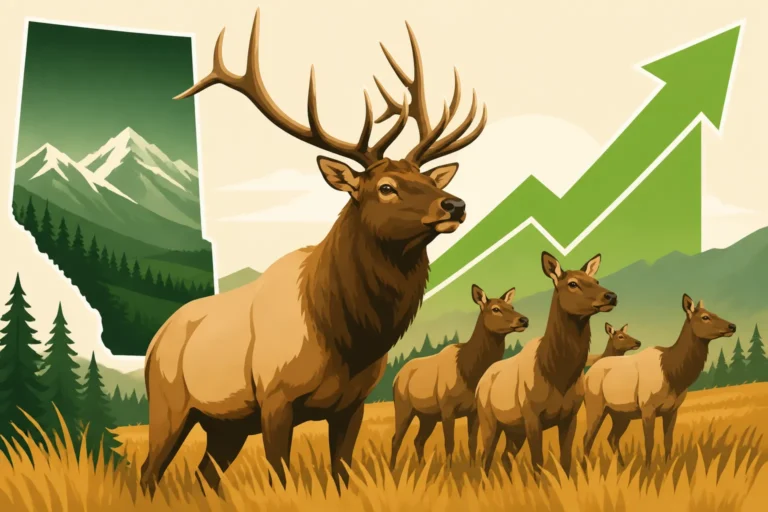
While full-grown elk and moose are formidable adversaries, their calves are a different story. Cougars are known to prey on the young of these larger ungulates. During the spring calving season, a newborn elk or moose calf is incredibly vulnerable. A cougar patrolling a clearcut or a brushy river bottom might find an easy meal in an unsuspecting calf. These seasonal opportunities are a crucial part of a cougar's diet, providing a rich source of nutrients during a time when the demands of raising their own young (if it's a female) are high. The sheer size and strength of an adult cow elk or moose often deter a cougar from engaging, but the vulnerability of a calf is a chance too good to pass up. Looking into Elk in Alberta's Mountains and Farmland or Moose Across Alberta's Boreal and Foothills can give you a better idea of these animals' presence.
Porcupines, Coyotes, and Even Birds
It might sound odd, but cougars have been known to eat a variety of other creatures. Porcupines, with their prickly defense, aren't exactly an easy meal, but a hungry or inexperienced cougar might attempt it. The trick is to flip them over, attacking the unprotected belly. It's a risky proposition, and many cougars learn to leave them alone after a painful encounter, but it does happen. Coyotes are also occasionally taken, whether through direct predation or as a result of a territorial dispute over a kill. Even smaller animals like various game birds might end up on the menu if a cougar stumbles upon them and can snatch them quickly. This broad diet means a cougar is constantly adapting, a survival strategy that hunters can learn from when scouting, perhaps even cross-referencing observations with community data on platforms like GoHunt. The competition and interactions between cougars and other predators like those explored in Coyotes in Alberta Farm Country are complex and fascinating.
Seasonal Shifts and Environmental Influences on Cougar Diet
A cougar's diet isn't a static thing; it's a dynamic tapestry woven by the seasons, the availability of prey, and the unique challenges and opportunities presented by the Alberta Foothills environment. What they eat in the depth of winter can be quite different from their summer fare, and these shifts are critical to their survival.
Winter's Hardships and Scavenging
Winter in the Foothills can be brutally tough, not just for ungulates but for predators too. Deep snow can hinder a cougar's ability to hunt effectively, making prey more difficult to catch. During these lean times, cougars become even more opportunistic. They might target weaker or injured deer and elk, which are more vulnerable in harsh conditions. Scavenging also plays a more significant role. Finding a carcass left by wolves or an animal that succumbed to the cold or disease can be a lifesaver. This is a time when the strongest survive, and cougars, like all predators, are finely tuned to exploit any advantage. Understanding Hunting Alberta Winter Weather Safely emphasizes the challenges faced by both predator and prey.
Summer Abundance and Opportunistic Hunting
As spring gives way to summer, the Foothills burst with life, and food generally becomes more abundant. This is the season for fawns and calves, which, as mentioned, are prime targets. The dense foliage provides excellent cover for cougars to stalk their prey. With warmer weather and more daylight, cougars can hunt more actively. Their energy expenditure might decrease slightly as they don't have to battle extreme cold, allowing them to focus on raising their young if they have them. The increased activity of all wildlife means more opportunities, from a foraging snowshoe hare to a deer grazing lazily in a meadow.
Impact of Prey Availability and Habitat
Ultimately, a cougar's diet is largely dictated by what's available in their specific home range. If a particular area has a healthy population of Mule Deer Hunting Alberta's Prairie and Badlands, those will be the primary food source. If Elk Hunting Alberta's Foothills is thriving, cougars will take advantage of the younger animals. Habitat also plays a huge role; dense timber and rugged terrain provide the cover and ambush points that cougars need to hunt effectively. Conservation efforts that maintain healthy prey populations and intact habitats directly support a thriving cougar population. When planning your hunt, especially in areas known for healthy cougar populations, consulting resources such as GoHunt for herd health reports or prey density maps can be really beneficial.
Here's a quick look at common cougar prey in the Alberta Foothills:
| Prey Type | Primary Season | Vulnerability Factors | Cougar Hunting Strategy |
|---|---|---|---|
| Mule Deer | Year-round | Fawn/yearling, deep snow, less dense cover | Stealthy stalk, explosive ambush |
| Whitetail Deer | Year-round | Fawn/yearling, dense bush, thick cover | Ambush from heavy cover, close-quarters charge |
| Elk Calves | Spring/Summer | Newborn vulnerability, isolated from herd | Opportunistic targeting of young, patient waiting |
| Moose Calves | Spring/Summer | Newborn vulnerability, slower than adults | Similar to elk, focus on vulnerable young |
| Snowshoe Hares | Year-round | Cyclical population booms, predictable travel routes | Ambushes along trails, quick pounce |
| Beavers | Year-round | Vulnerable on land, near lodges or feeding sites | Stalking on land, surprise attack |
| Porcupines | Occasional | Slow movement, quill defense (can be overcome) | Attack from below, flip onto back |
| Coyotes | Occasional | Territorial disputes, opportunistic during conflicts | Direct confrontation, ambush during other hunts |
| Various Birds | Rare/Occasional | Ground-nesting, roosting, slow to react | Surprise attack, highly opportunistic |
This table illustrates the varied diet of a cougar, emphasizing their role as adaptable generalist predators within the Foothills ecosystem. Knowing what is on a cougar’s menu gives us a deeper appreciation for the complex interactions in Alberta’s wild places.
Disclaimer
This article is for general informational purposes only and does not constitute professional advice. Laws, prices and regulations vary by location and change over time. Consult a qualified professional for guidance on your specific situation.