Moose Across Alberta’s Boreal and Foothills
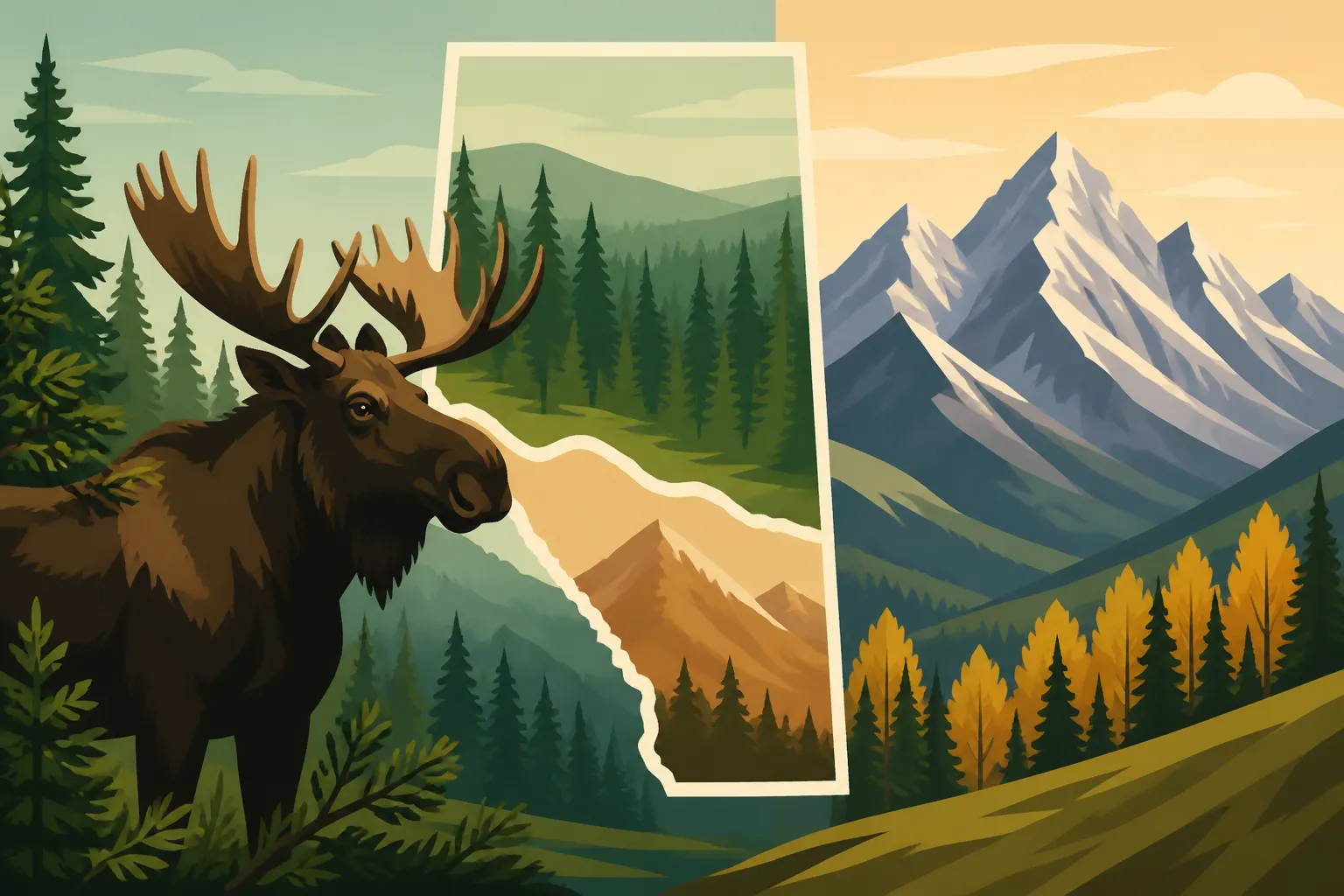
Moose hunting in Alberta can feel like a daunting challenge, especially when you consider the sheer scale and diversity of the landscape these magnificent animals call home. Understanding where moose live, what drives their movements, and how they adapt to vastly different environments – from the dense, wet boreal forests of the north to the rugged foothills of the Rockies – is key to appreciating these incredible creatures. This guide will delve deep into the world of moose in Alberta, exploring their distribution, behavior, habitat preferences in both the Boreal and Foothills regions, and offering insights to help you understand these incredible creatures better, whether you’re a seasoned hunter or simply an admirer of wildlife.
Understanding Alberta's Moose Populations
Alberta is truly a land of opportunity for moose enthusiasts, boasting healthy populations spread across vast swaths of its diverse ecosystems. These majestic animals are uniquely adapted to thrive in cold climates and dense cover, making them iconic residents of the province's wild spaces. However, their distribution isn't uniform, and understanding where they concentrate and why is crucial for anyone interested in their biology or their pursuit.
Where Moose Thrive: Boreal Forest Strongholds
The Boreal Forest, often referred to as Canada's "Moose Factory," is undeniably the heartland of Alberta's moose population. This sprawling northern wilderness, characterized by its mix of spruce, pine, and aspen, interspersed with countless lakes, rivers, and muskegs, provides an ideal mosaic of food and cover. Moose here benefit from abundant willow and aspen browse, particularly in areas regenerating after fires or logging, which offer an explosion of new growth.
These areas, stretching from the northern reaches near Fort McMurray down into the Peace River country and east towards Saskatchewan, hold the densest concentrations of moose. The sheer inaccessibility of much of this terrain also plays a role, providing vast sanctuaries where moose can live largely undisturbed. When you look at "Alberta's Moose Population by Region", you'll see a clear emphasis on these northern forested WMUs as prime moose country. This is where they find the shelter needed from predators and the deep snow, alongside the nutrient-rich browse that fuels their massive bodies.
Moose in the Foothills and Mountain Fringe
While the Boreal Forest is prime moose habitat, don't underestimate the rugged beauty of Alberta's Foothills and the fringes of the Rocky Mountains. Here, moose have adapted to a different, yet equally rich, environment. These areas, particularly west of major population centres like Calgary and Edmonton, offer a mix of coniferous forests, aspen bluffs, and open meadows, often crisscrossed by numerous rivers and creeks. The terrain is more varied, with significant elevation changes, but the habitat still provides crucial elements for moose survival.
Moose in the Foothills often utilize the lower-elevation valleys and riparian zones, where water and lush browse are consistently available. They are masters of navigating these challenging landscapes, often sticking to the dense timber on north-facing slopes for thermal cover and moving down to creek bottoms to feed. While numbers might not be as high as in the densest Boreal regions, the Foothills still support robust populations, offering a unique hunting experience for those willing to tackle the more broken country. Understanding their preference for these transitional zones is key when "Hunting a Foothills Bench Above a Creek" or other similar terrain.
Population Trends and Management
Like any wildlife species, Alberta's moose populations aren't static; they ebb and flow due to a complex interplay of environmental factors, predation, disease, and human management. Generally, moose numbers in Alberta have been quite healthy over the past few decades, though localized declines can occur due to severe winters, increased predation, or habitat changes. The provincial government, through Alberta Environment and Protected Areas (AEPA), continuously monitors these trends to set appropriate hunting quotas and management strategies.
Conservation efforts are ongoing, focusing on habitat preservation, sustainable harvest limits, and understanding challenges like Chronic Wasting Disease (CWD) and winter ticks, which can impact herd health. For hunters, this translates into a system of general and special draw licenses, designed to manage pressure and ensure healthy populations for future generations. For example, some WMUs might be designated for general antlered moose tags, while others with lower densities might only be accessible through a draw system, making it essential to check regulations carefully. The ability to track animal movements using tools like GoHunt can also aid in understanding population distribution and density across different WMUs.
Key Moose Habitats: Boreal Forest Specifics
The Boreal Forest offers a classic moose environment, a vast and often unforgiving landscape that has shaped these animals' evolutionary path. To truly understand moose in Alberta, one must understand the specific features of this immense biome that cater to their every need. It's a land of water, new growth, and endless cover, perfect for a creature as large and specialized as the moose.
Muskegs, Wetlands, and Willow Swamps
If there's one defining feature of Boreal moose habitat, it's the prevalence of water and its associated vegetation. Muskegs, expansive wetlands, and dense willow swamps are absolute magnets for moose. These areas provide an abundance of their favorite aquatic vegetation in summer, such as water lilies and horsetail, which are packed with essential minerals like sodium. In these boggy retreats, moose can also escape the relentless summer heat and the torment of biting insects.
During the cooler months, these same wetlands, often freezing solid, become crucial travel corridors. The dense willow and dogwood growth along their edges offer critical browse, particularly important during the harsh Alberta winters. "Hunting Moose Around Alberta Beaver Ponds" is a perfect example of targeting these wetland areas, as beaver activity often creates ideal habitat by flooding lowlands and promoting the growth of palatable woody vegetation. The combination of water, food, and cover makes these wet areas indispensable to moose throughout the year.
Post-Fire Regeneration and Cutblocks
The Boreal Forest is a dynamic ecosystem, constantly being shaped by natural disturbances like wildfires and human activities such as logging. For moose, these events are not destructive but rather transformative, creating some of the most productive feeding grounds. When a forest burns or is logged, the canopy opens up, allowing sunlight to reach the forest floor, triggering a burst of new growth. Aspen, willow, and various shrubs, all favored moose browse, quickly colonize these disturbed areas.
These "cutblocks" or "burns" become food factories for moose. They will frequent these regenerating areas, often for many years, as the browse plants mature. A few years after a fire or logging, when the growth is at an ideal height, these areas can support very high densities of moose. They offer not only abundant food but also the intermingling of residual mature timber nearby for cover. This makes "Hunting a Burned-Over Boreal Block" or an old cutline a highly effective strategy for finding feeding moose, especially in the early morning or late evening.
River Systems and Lake Edges
Beyond the stagnant waters of muskegs, the flowing arteries of rivers and the expansive surfaces of lakes also play a vital role in Boreal moose habitat. These larger water bodies provide a different set of advantages. In summer, they offer yet another escape from heat and insects, with moose often standing submerged for hours. The aquatic vegetation found along their margins and in quieter bays is a rich source of nutrients.
In winter, the edges of rivers and lakes, particularly where current prevents thick ice formation, can expose critical browse that might be otherwise buried under deep snow. The dense cover of conifers and deciduous trees that typically lines these waterways also offers thermal protection and security. Moose will often use these corridors for travel, especially along frozen shorelines. They provide natural navigation routes through vast tracts of forest and are often prime areas to find fresh sign.
Key Moose Habitats: Foothills Country Adaptations
Moving west, the landscape transitions from the relatively flat Boreal plains to the rolling hills and rising elevations of Alberta's Foothills. Here, moose exhibit remarkable adaptability, utilizing the varied terrain in ways that differ from their Boreal cousins but are no less effective for survival. The Foothills present a mosaic of habitats, each offering unique resources and challenges for these large ungulates.
Aspen Parkland and Mixedwood Transition Zones
The eastern fringe of the Foothills often blends into what is known as the Aspen Parkland or Mixedwood Boreal transition zone. This ecotone, characterized by trembling aspen groves interspersed with open grasslands and coniferous stands, offers an exceptionally rich environment for moose. The aspen itself is a preferred browse species, particularly during the winter months when its bark and buds provide crucial sustenance.
These areas, with their mix of timbered cover and sun-drenched clearings, offer moose a perfect balance of security and food availability. The thick aspen bluffs provide excellent bedding cover, while the edges and clearings offer ample foraging opportunities. Moose will often be seen browsing the edges of these aspen stands, especially in the early morning or late evening. The transitional nature of these zones means they benefit from the diversity of both forest and open country resources.
Creek Bottoms and Riparian Areas
Just like in the Boreal, water is a magnet for moose in the Foothills, but here it often comes in the form of numerous creeks and small rivers carving their way through the rolling landscape. The riparian zones along these waterways—the lush vegetation bordering the water—are critical habitats. Willows, alders, and various shrubs thrive in these moist environments, providing a continuous supply of palatable browse throughout the year.
These creek bottoms and river valleys also serve as vital travel corridors, especially when deep snow covers higher elevations. Moose will often follow these natural depressions, using the dense cover along the banks for concealment and the relatively easier travel conditions. During the heat of summer, they will seek refuge in the cool, shaded microclimates created by the tall trees and flowing water. Any hunter glassing a Foothills area with the GoHunt app would do well to zoom in on these drainage features.
High Country Plateaus and Old Burns
While moose typically prefer lower elevations and riparian areas, they are certainly not strangers to the higher country within the Foothills. Elevated plateaus, particularly those with good access to water and pockets of timber, can be crucial summering grounds. Here, cooler temperatures provide relief from insects, and diverse vegetation, including various forbs and shrubs, offers a varied diet.
Furthermore, old burns in the Foothills, similar to the Boreal, are incredibly productive. A wildfire can sweep through a conifer-dominated ridge or plateau, and within a few years, it becomes a haven for moose as aspen and willow regenerate vigorously. These high-elevation burns can be overlooked by hunters focusing on lower country, making them potential hotspots for undisturbed moose. The challenge here is often access, as these areas can be quite remote and rugged, demanding significant effort to reach.
The Life Cycle and Behavior of Alberta Moose
Moose are creatures of habit and seasonality, with their entire year revolving around finding food, seeking mates, and surviving the elements. Understanding these annual rhythms is key to appreciating their remarkable resilience and adapting any observation or hunting strategy to their natural cadence. From their solitary existence for much of the year to the vocal drama of the rut, moose behavior is fascinating and complex.
Seasonal Movements and Feeding Habits
Moose are not typically migratory over vast distances, but they do engage in localized seasonal movements driven primarily by food availability and protection from the elements. In spring and summer, after the harsh winter, moose focus heavily on regaining condition. They will frequent wetlands, lakeshores, and regenerating clearings, gorging on lush forbs, aquatic plants rich in minerals, and the tender new shoots of willow and aspen. This is when they pack on the pounds, essential for the challenges ahead.
As autumn approaches, their focus shifts to preparing for winter. They'll continue to browse on woody vegetation, building up fat reserves. Once winter sets in, their diet becomes almost exclusively woody browse, primarily willow, aspen, balsam poplar, and sometimes even pine. Deep snow can force them to restrict their movements to specific areas, often using trails they've broken or following game trails, where they can conserve energy. This is a crucial time, and knowing "What Moose Eat Through the Year" is vital for understanding their presence in an area.
The Rut: Calling and Breeding Behavior
The moose rut is one of nature's most spectacular displays and occurs typically from late September through October in Alberta. This is the period when bulls, having spent the summer growing magnificent antlers, become highly active and vocal in their search for cows. Cows, in turn, signal their receptivity with unique calls. The Boreal Forest and Foothills echo with the deep grunts of bulls and the mournful calls of cows during this time.
Bulls will rake saplings and rub trees, leaving visual and scent markers. They will also engage in sparring matches to establish dominance, though serious fights leading to injury are less common than with some other cervids. For hunters, this is a prime time to utilize calling techniques. "Calling a Bull Moose in the Rut" involves mimicking cow calls and bull grunts, often combined with raking brush to simulate a bull's presence. Understanding the timing and intensity of the rut can make all the difference in locating and interacting with these animals.
Winter Survival Strategies
Alberta winters are legendary for their severity, and moose have evolved a suite of strategies to survive the deep snow and frigid temperatures. Their thick, hollow hair provides exceptional insulation, and their long legs allow them to navigate deep snow better than most other ungulates. However, deep snow still exacts a toll, increasing energy expenditure for movement and limiting access to browse.
To conserve energy, moose will often "yard up" in areas with dense cover, such as mature conifer stands, which offer thermal protection from wind and cold. They will create extensive trail systems within these yards, minimizing the effort needed to move between feeding and bedding areas. They also adjust their metabolic rate and become less active. Unfortunately, severe winters can sometimes lead to winter kill, particularly among the young, old, or sick animals, highlighting the delicate balance of their survival in this northern environment.
Factors Influencing Moose Health and Distribution
Moose, despite their imposing size, are not immune to the pressures of their environment. A myriad of factors can influence their health, population density, and distribution across Alberta's vast landscapes. Understanding these challenges provides a more complete picture of moose ecology and highlights the ongoing efforts required for their conservation.
Predation: Wolves and Bears
Predation is a natural and essential part of the ecosystem, and moose are a primary food source for large carnivores like wolves and bears in Alberta. Wolf packs, particularly in the Boreal Forest, are highly effective moose hunters. They often target calves, older animals, or those weakened by disease or injury. The constant presence of wolves shapes moose behavior, driving them towards areas with denser cover or away from frequently used wolf travel corridors.
Black bears and grizzly bears also prey on moose, with bears primarily targeting newborn calves in the spring. While a healthy adult moose can often defend itself against a single bear, a young calf is highly vulnerable. The interplay between predator and prey is a delicate balance, and fluctuations in wolf or bear populations can have ripple effects on moose numbers. Areas with high predator densities might see lower moose densities, or moose might exhibit more secretive behavior.
Disease and Parasites: Winter Ticks and CWD Concerns
Disease and parasites pose a significant threat to moose populations, and in recent years, two issues have garnered particular attention: winter ticks and Chronic Wasting Disease (CWD). Winter ticks are a persistent problem in some areas, particularly after mild winters. A heavy infestation of these ticks can cause a moose to scratch excessively, leading to hair loss, blood loss, and ultimately, severe stress, emaciation, and even death, especially in calves. The characteristic "ghost moose" appearance (patches of missing hair) is a visible sign of heavy tick burden.
CWD, while primarily affecting deer and elk in Alberta, is a serious concern for all cervids, including moose. While cases in moose are less common, the potential for this invariably fatal neurological disease to spread within moose populations is a watchpoint for wildlife managers. Alberta has a comprehensive CWD surveillance program, and hunters are often encouraged or required to submit samples for testing, especially in certain regions. The long-term impacts of CWD on moose populations are still being studied, but it represents a significant management challenge.
Human Impact: Habitat Loss and Access
Human activities invariably impact wildlife. Habitat loss and fragmentation due to industrial development (forestry, oil and gas, agriculture) can reduce the amount of suitable moose habitat. While some industrial activities, like logging, can create temporary benefits through regenerating cutblocks, extensive development can lead to permanent habitat alteration or increased human disturbance.
Access is another critical factor. The proliferation of roads, seismic lines, and cutlines, while sometimes providing access for hunters, can also increase hunter pressure in previously remote areas. It also creates corridors that predators like wolves can use more efficiently, potentially increasing predation rates. Striking a balance between resource development, recreational access, and wildlife conservation is a constant challenge for Alberta's wildlife managers. Organizations like GoHunt provide mapping tools that can help users identify potential impacts of human development on habitat, aiding in responsible hunting and land use.
Recognizing Moose Sign and Tracking
For anyone spending time in moose country, whether for hunting, photography, or just observation, learning to read the subtle signs these animals leave behind is an invaluable skill. Moose are masters of camouflage and quiet movement despite their size, making direct sightings sometimes rare. Their tracks, droppings, and feeding evidence, however, tell a detailed story of their presence and activities.
Tracks, Droppings, and Rubs
Moose tracks are distinct: large, cloven hooves, often pointed at the front, and typically leaving a print around 5-7 inches long. In soft ground, you might also see the dew claws, which are small, accessory hooves higher up the leg. Fresh tracks, especially those with sharp edges and no debris, indicate recent activity. The length of the stride and the depth of the print can give clues about the animal's speed and weight.
Droppings (scat) are another clear indicator. Moose pellets are typically oblong or kidney-bean shaped, often clumped together in a pile, especially when fresh or from a well-fed animal. Their size, larger than deer or elk pellets, is usually a dead giveaway. In summer, when moose consume more succulent vegetation, their droppings can be softer and more amorphous. During the rut, bulls will also create "rubs" on small trees, where they scrape their antlers, stripping bark and leaving strong scent. These are clear indicators of a bull's presence and activity.
Browsing Habits and Feeding Areas
Moose are browsers, meaning they primarily eat the leaves, twigs, and bark of woody plants, rather than grazing on grass. This feeding habit leaves very specific evidence. Look for broken twigs and branches, often with frayed ends where the moose has pulled off leaves or stripped bark. They typically browse higher up than deer, leaving a distinct browse line on shrubs and young trees, often 6 to 8 feet off the ground, or even higher if they've stood on their hind legs.
Preferred browse species in Alberta include willow, aspen, balsam poplar, birch, and various shrubs. Finding areas with heavy browsing, especially on fresh growth in cutblocks, along creek bottoms, or in willow swamps, indicates an active feeding area. During the deep winter, they might even strip bark from larger trees. Observing these feeding patterns can help you narrow down where moose are spending their time, particularly when considering "Hunting a Pipeline Right-of-Way" or other linear clearings with regenerating growth.
Bedding Areas and Travel Corridors
Moose, like all big game, require secure places to rest and digest their food. Bedding areas are typically found in dense cover that offers both concealment and protection from the elements. This could be a thick stand of conifers on a north-facing slope during winter, or a dense willow thicket near water in summer. Look for depressions in the snow or ground, often with fresh droppings nearby. These areas might also have rubs or browsed vegetation nearby, indicating they've fed before or after bedding.
Moose also use distinct travel corridors. These can be well-worn game trails through the bush, often connecting feeding areas to bedding sites, or following natural features like ridgelines, creek beds, or the edges of clearings. In the Boreal, "Hunting Moose Along Cutlines and Seismic Lines" is a common strategy because these linear features often serve as both travel routes and access to browse. Identifying these corridors can provide insights into their daily movements and help you intercept them.
Hunting Considerations and Ethics
Hunting moose in Alberta is a cherished tradition, offering a profound connection to the wilderness and a sustainable source of wild game meat. However, it's a privilege that comes with significant responsibilities, demanding a thorough understanding of regulations, ethical conduct, and respect for the animals and their habitat.
Understanding WMUs and Moose Allocations
Alberta is divided into numerous Wildlife Management Units (WMUs), each with specific regulations regarding hunting seasons, species, and limits. For moose, some WMUs offer general resident seasons for antlered animals, while others are managed through a special draw system for antlered or antlerless tags. The availability of tags often depends on local moose populations and management objectives. It's crucial to consult the annual Alberta Hunting Regulations every year, as rules can change.
Non-residents of Alberta, particularly non-resident aliens, typically have more stringent requirements, often needing to hunt with a licensed guide or be hosted by an eligible Alberta resident. This is designed to manage harvest pressure and ensure a high level of accountability. Understanding the specific WMU you plan to hunt, its boundaries, and its moose allocations is the absolute first step in planning a moose hunt. Ignoring these details can lead to severe penalties.
Respecting Private Land and Indigenous Rights
A significant portion of Alberta's landscape is private land, and hunting on it requires explicit permission from the landowner. It is not only legal requirement but an ethical imperative to seek permission before entering any private property. Many landowners are open to granting access, especially if approached respectfully and well in advance of the season. Always leave gates as you found them, avoid disturbing livestock, and clean up after yourself. Tools like the GoHunt app can assist in identifying land ownership boundaries, which is invaluable for respecting private property.
Furthermore, it's important to acknowledge and respect the hunting rights of Indigenous peoples in Alberta, which are protected by law and treaty. These rights allow Indigenous hunters to harvest game for sustenance and traditional purposes, often irrespective of provincial regulations on bag limits or seasons. Non-Indigenous hunters must be aware of and respect these distinct rights and practices when sharing the land.
Ethical Harvest and Meat Care
A cornerstone of ethical hunting is the commitment to a clean, humane harvest and the respectful utilization of the animal. This means ensuring your firearm or bow is sighted in, practicing shot placement, and only taking shots that offer a high probability of a quick, ethical kill. Following up on every shot is paramount, even if you believe you missed.
Once a moose is down, the work truly begins. The sheer size of a moose means proper and timely field dressing is critical, especially in warmer temperatures, to prevent spoilage. Learning how to "Quartering a Moose Alone in the Bush" or having a plan for "Getting a Moose Out With a Quad" is essential for meat care. Rapid cooling of the meat is vital, and a detailed plan for packing out the meat, protecting it from dirt and insects, and transporting it to a processing facility is a non-negotiable part of a successful and ethical moose hunt. Wasting game meat is illegal and goes against every principle of ethical hunting.
Comparison: Boreal vs. Foothills Moose Habitat
To further illustrate the unique characteristics of moose habitat across Alberta, here’s a comparison focusing on key environmental factors:
| Feature | Boreal Forest Habitat | Foothills Habitat |
|---|---|---|
| Dominant Vegetation | Spruce, pine, tamarack, aspen, willow, birch, extensive muskegs | Conifers (spruce, fir, pine), aspen, willow, open grasslands, alders |
| Terrain | Generally flat to gently rolling, extensive wetlands, numerous lakes/rivers | Rolling hills, steep valleys, mountains fringe, numerous creeks, varied elevation |
| Water Features | Large lakes, slow-moving rivers, extensive muskegs, beaver ponds | Fast-flowing creeks, smaller rivers, high-country ponds, riparian zones |
| Predator Pressure | High wolf density, black bear, some grizzly | Moderate wolf density, black bear, higher grizzly presence (western fringe) |
| Human Access | Often limited by terrain and wetlands, extensive logging roads/seismic lines | Varied, network of forestry roads, ATV trails, some remote areas |
| Primary Browse | Willow, aspen, balsam poplar, aquatic vegetation | Willow, aspen, birch, various shrubs, some conifers |
| Wintering Strategy | Yard up in thick conifers, deep snow navigation, browse on woody plants | Utilize creek bottoms, sheltered valleys, south-facing slopes, conifer stands |
Final Thoughts on Alberta Moose
From the vast, watery expanses of the Boreal Forest to the undulating, timbered ridges of the Foothills, Alberta offers a truly unique and enriching experience for those drawn to the mighty moose. These animals are powerful symbols of the wild, perfectly adapted to their challenging environments, and their presence enriches Alberta's natural heritage. Understanding their habitat preferences, their seasonal behaviors, and the ecological forces that shape their lives is not just about hunting; it's about connecting with the raw, untamed beauty of the province. Whether you're tracking a bull through fresh snow or simply marveling at their imposing presence from afar, the moose of Alberta are a testament to the enduring wild spirit of this incredible land.
Disclaimer
Always consult the most current Alberta Hunting Regulations before planning any hunting activity. Regulations are subject to change and it is the hunter's responsibility to be aware of all applicable laws and rules.