Alberta’s Moose Population by Region
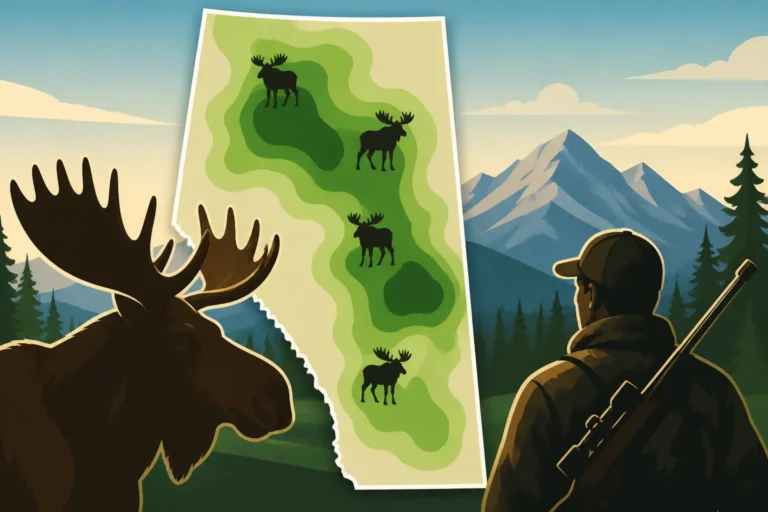
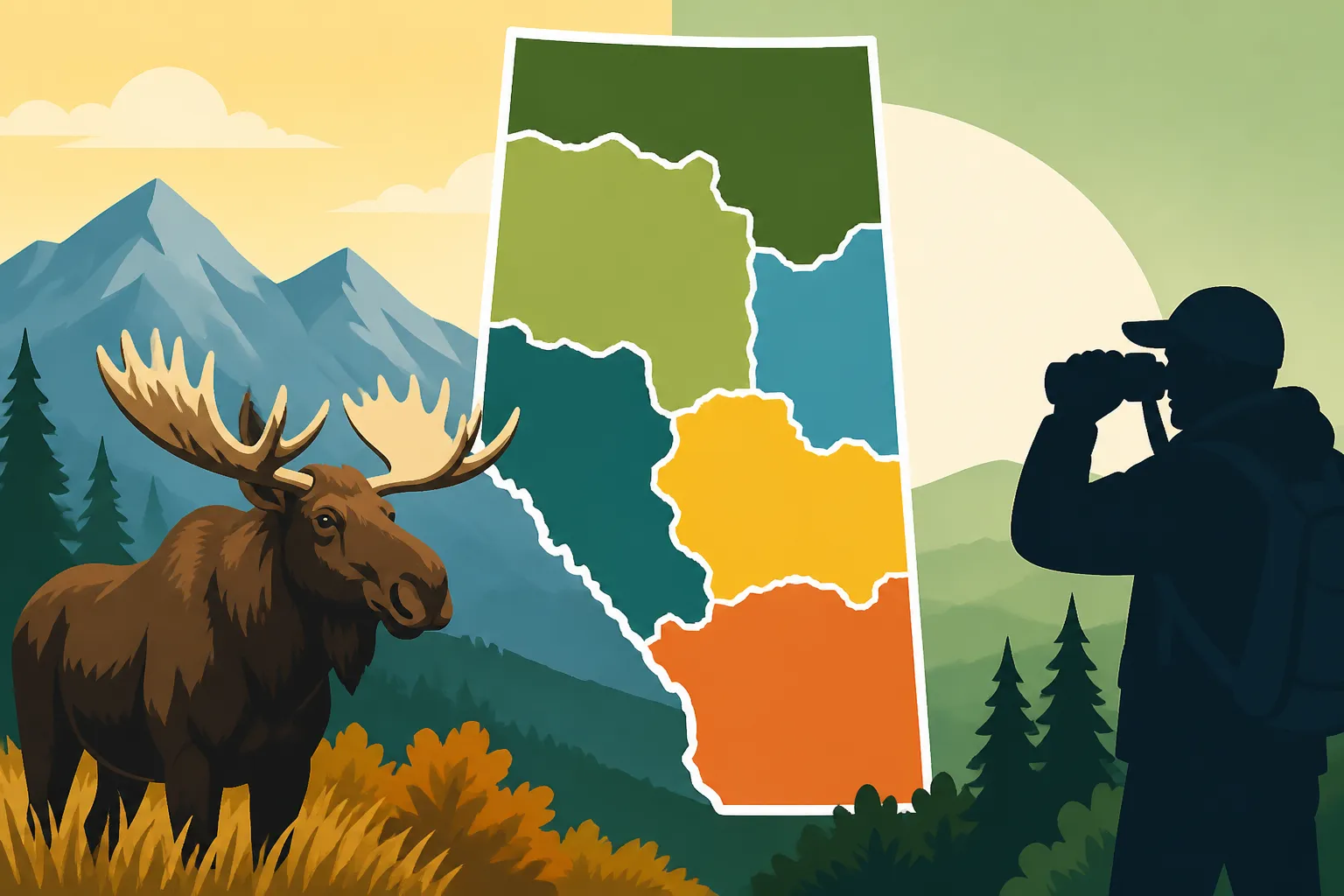
Figuring out where Alberta's moose populations are thriving, struggling, or just plain existing can feel like trying to solve a cryptic puzzle, especially when you're dreaming of that deep woods bull. Many hunters get frustrated with generalized information, wondering if the moose they're after are even in their chosen zone, or if they're just chasing ghosts. This guide is going to break down Alberta's moose populations by region, giving you a realistic, boots-on-the-ground understanding of where these majestic animals call home and what influences their numbers.
Understanding Alberta's Diverse Moose Habitats
Alberta is a vast province, a true mosaic of landscapes from southern prairies to rugged mountains and dense boreal forests. This incredible diversity means that moose, while often associated with northern wilderness, actually occupy a range of habitats, each with its own characteristics that impact their survival and abundance. Understanding these fundamental habitat differences is the first step to truly grasping where the moose are and why.
The Ecological Niche of Moose in Alberta
Moose, Alces alces, are perfectly adapted to northern environments. They're built for cold, with long legs that help them navigate deep snow and boggy terrain, and a thick coat that offers insulation. Their diet is primarily made up of browse – the twigs, leaves, and bark of trees and shrubs, especially willow, aspen, balsam poplar, and various conifers. You'll rarely find a moose far from water sources, whether it's a slow-moving stream, a beaver pond, or a marshy lake edge, as these provide crucial forage, refuge from insects, and a place to cool down in warmer months. The thick cover offered by dense stands of spruce or pine is equally important, providing thermal cover in winter and escape cover from predators year-round. They need a mix of old growth for security and younger successional forests for forage.
How Habitat Quality Dictates Distribution
The quality and availability of these specific habitat components are the primary drivers of moose distribution across Alberta. A region might have dense forest, but if it lacks the proper browse or water sources, it won't support a robust moose population. Conversely, an area with abundant young growth after a fire or logging operation, combined with easy access to water, can become a moose hotspot. Think about it: a hunter might scout a beautiful, vast timber block, but if it's all mature, dense conifer with a closed canopy, the sunlight isn't reaching the forest floor to grow the nutrient-rich browse that moose depend on. Conversely, a mosaic of timber, small swamps, and recent cutblocks or burns provides the ideal smorgasbord and cover. This is why you see shifting populations; as forests mature, moose move to where the buffet is better.
Key Forage and Shelter Needs
Moose are ruminants, meaning they have a multi-chambered stomach designed to digest tough plant material. In winter, their diet shifts heavily to woody browse, and they can consume an astonishing amount daily – sometimes up to 50-60 pounds! This is why clearcuts and recent burns, with their explosion of regenerating saplings like willow and aspen, become critical winter feeding grounds. In spring and summer, they diversify, feasting on aquatic vegetation from ponds and marshes, which are rich in minerals, as well as forbs and leaves from deciduous trees. For shelter, mature coniferous forests offer excellent thermal cover, buffering them from harsh winds and extreme cold. Areas like muskeg islands or dense stands of black spruce provide a safe haven. When you're out Scouting an Alberta WMU Before Season, paying close attention to these elements – fresh browse, water, and dense cover – will give you a significant edge in finding where the moose are concentrating.
Moose Population Dynamics Across the Boreal Forest
When most people think of moose hunting in Alberta, their minds immediately drift to the vast, sprawling boreal forest of the northern and central parts of the province. This immense ecosystem truly is the historical and current stronghold for Alberta's moose, but even within this massive area, there's a lot of regional variation to understand. It's not just one big, uniform moose paradise; specific factors influence where numbers are higher or lower.
The Northern Strongholds: Peace River and Athabasca Regions
Historically, and to a large extent still today, the Peace River and Athabasca regions are considered the heartland of Alberta's moose population. Areas around Grande Prairie, High Level, and Fort McMurray often boast some of the highest moose densities in the province. This is largely due to the sheer size of the intact boreal forest, characterized by extensive wetlands, a complex network of rivers and streams, and a healthy mix of deciduous and coniferous growth. These northern reaches offer vast expanses of relatively undisturbed habitat, providing everything a moose needs: abundant willow, aspen, and aquatic vegetation, along with dense cover for protection. Hunters often find excellent opportunities here, though access can be a challenge. When considering a hunt in these regions, you'll want to carefully examine the Alberta Moose Draw Odds by WMU for specific zones, as some are more productive than others.
Logging, Burns, and Their Impact on Boreal Moose
The boreal forest is a dynamic landscape, constantly shaped by natural disturbances like wildfires and, increasingly, by human activity such as logging. Paradoxically, while these events can initially displace animals, they often create ideal conditions for moose in the long run. A recent wildfire, for instance, devastates mature timber but then sparks an explosion of new growth – those delicious young willows and aspens that moose thrive on. Similarly, modern forestry practices often create clearcuts that regenerate into prime moose habitat within a few years.
This means that moose populations in the boreal aren't static; they shift. An area that was phenomenal ten years ago might be less productive now as the forest matures, while a recently logged or burned block becomes the new hotspot. Many experienced hunters will focus on Hunting Moose Along Cutlines and Seismic Lines or Glassing a Burn for Alberta Moose as these areas often have an abundance of prime forage. However, it’s a delicate balance; too much disturbance or fragmentation can be detrimental, but a mosaic of regenerating habitat is generally very good for moose.
Hunting Pressure and Access in the Deep Bush
Despite the vastness of the boreal forest, hunting pressure can still be concentrated in easily accessible areas. Logging roads, seismic lines, and cutlines provide routes into otherwise impenetrable country, and many hunters will use them. However, if you're willing to go a little deeper, to areas that require a quad, Argo, or even just some good old-fashioned legwork, you'll often find less pressured moose. Access in these regions isn't always straightforward; a sunny day can turn a firm trail into a muddy bog in an instant. This is where understanding Quad and Side-by-Side Rules on Crown Land becomes critical, as responsible access is key. The deeper you go, the more the chance of finding that undisturbed bull, often in areas like a Hunting a Cutline for Moose at First Light where they feel secure.
Moose in the Foothills and Mountain Regions
While the boreal forest might be the undisputed heavyweight for moose numbers, don't overlook the beauty and challenge of finding moose in Alberta's foothills and even the fringes of its mountain ranges. These areas offer a different kind of moose hunting experience, often characterized by more broken terrain, distinct vegetation patterns, and a unique set of challenges and rewards.
Foothills Moose: Creek Bottoms and Clearcuts
The foothills of Alberta, stretching along the eastern slopes of the Rockies, are a transition zone where the dense boreal forest gives way to more mixedwood and montane ecosystems. Here, moose often follow riparian corridors – the lush, willowy bottoms of creeks and rivers that wind through the hills. These areas provide both abundant water and preferred browse. Additionally, logging has been a significant activity in the foothills for decades, creating a patchwork of clearcuts at various stages of regeneration. Like in the boreal, these clearcuts can be prime feeding grounds.
You might find moose browsing the edges of these clearcuts in the early morning or late evening, or tucked away in dense stands of timber during the day. The rolling hills and valleys provide excellent cover and can make for challenging yet rewarding hunting. Areas around Hinton, Grande Cache, and Rocky Mountain House are well-known for their foothills moose populations. The animals here are often accustomed to more human activity than their deep boreal cousins, but they remain incredibly elusive.
The Mountain Moose: Scarce but Present
Venture higher into the true mountain WMUs, and moose become a much rarer sight. They're not true alpine animals like bighorn sheep or mountain goats, but they will utilize the lower mountain slopes, especially where creek valleys or burns create suitable habitat. These moose are often referred to as "shiras moose" or "mountain moose" and tend to be slightly smaller than their boreal counterparts, though this isn't a hard-and-fast rule. Finding a moose in the rugged mountain terrain is a true testament to a hunter's skill and perseverance.
They often stick to the transition zones between timbered valleys and the subalpine meadows, finding pockets of willow and water. Hunting these areas demands exceptional physical fitness and a willingness to cover vast amounts of tough country. It’s definitely not a hunt for the faint of heart, but the reward of a mountain moose in such a breathtaking setting is unparalleled. While numbers are low, consistent scouting can reveal localized hot spots, especially where a Hunting a Foothills Bench Above a Creek provides a perfect intersection of food, water, and cover.
Challenges of Hunting Moose in Rugged Terrain
Hunting moose in the foothills and mountains presents distinct challenges compared to the flatter, though often boggy, boreal. The terrain itself is a major factor – steep slopes, rocky outcrops, and dense brush can make travel slow and arduous. Packing out a moose in this country is an epic undertaking, often requiring multiple trips or a carefully planned retrieval strategy. Hunters must be prepared for rapidly changing weather conditions, from warm sunny days to sudden snow squalls.
Furthermore, these areas often have a mix of land tenures, including public land use zones (PLUZs), grazing leases, and private land. Understanding access rules, such as those found in Alberta's Public Land Use Zones, is crucial. You might encounter other users like hikers, horseback riders, and off-road enthusiasts, so awareness and respectful coexistence are paramount. Despite these difficulties, the scenic beauty and the unique challenge of hunting in these areas draw many dedicated hunters year after year. For those planning a hunt, it's worth reviewing how to effectively carry out Getting a Moose Out With a Quad in steep country.
The Parkland and Agricultural Moose Encroachment
When we talk about moose, most people envision vast forests, but a surprising and increasingly significant portion of Alberta's moose population is found in the "White Area" – the more settled, agricultural regions of the province. This phenomenon presents a unique set of challenges for both moose management and landowners, and it offers distinct hunting opportunities that differ significantly from those in the wilderness zones.
The "White Area" Moose: A Growing Challenge
Over the past few decades, moose have been steadily expanding their range into Alberta's parkland and agricultural areas. These regions, often characterized by a patchwork of cultivated fields, aspen bluffs, wetlands, and shelterbelts, provide surprisingly good habitat for moose. The "edge effect" – where two distinct habitats meet – creates an abundance of the browse they love. Aspen stands provide cover, and sloughs and wetlands offer water and aquatic vegetation.
This expansion isn't without its issues. Moose in agricultural areas frequently come into conflict with human activities, from crop damage to vehicle collisions. However, for hunters, these areas can offer excellent opportunities, sometimes closer to home, though they require a completely different approach to hunting. You'll often find these moose utilizing areas like a Hunting a Shelterbelt Between Two Fields or a Hunting an Aspen Bluff on Farm Ground, where they can move between cover and food sources with relative ease.
Crop Damage, Human-Wildlife Conflict, and Special Tags
The presence of moose in agricultural regions leads directly to significant crop damage, especially to canola, barley, and alfalfa fields. This isn't just a nuisance; it can represent a substantial financial loss for farmers. Consequently, wildlife managers often issue special antlerless moose licenses or "supplemental tags" in these WMUs to help mitigate the problem. These tags are often easier to draw than traditional antlered tags in the deep bush, reflecting a management strategy aimed at reducing localized populations.
Hunters pursuing these tags must be highly respectful of landowners and their property. This often means Knocking on Doors in Alberta Farm Country to secure permission to hunt, and always following specific rules set by the landowner. The hunting experience itself is different; instead of tracking through endless timber, you might be glassing field edges, slough bottoms, or shelterbelts. This is where tools like GoHunt can become invaluable for identifying private vs. public land boundaries and contacting landowners where possible.
Hunting Moose on Private Land
Hunting moose in the agricultural zone is almost exclusively a private land affair. Gaining access is paramount, and it hinges on building good relationships with landowners. This means being polite, respecting their wishes, and leaving gates as you found them. Some farmers might be eager for hunters to help reduce moose numbers on their property due to damage, while others may be more hesitant.
Once you have permission, the hunting tactics change. Spot-and-stalk can be effective along field edges or within bluffs. Patience is key, as moose often move at dawn and dusk. Understanding their travel corridors between cover and food sources is crucial. These hunts can be incredibly rewarding and offer a distinct challenge compared to wilderness hunts, often requiring a more subtle, less intrusive approach to avoid disturbing livestock or other activities on the farm. Knowing the Alberta Landowner Permission Law is fundamental for any hunter venturing into these mixed-use areas.
Factors Influencing Moose Health and Numbers
Moose populations are complex and fluctuate naturally due to a variety of interconnected factors. It's not just about how many tags are issued; everything from disease to weather patterns and predator numbers plays a significant role in the overall health and abundance of moose across Alberta's diverse landscapes. Understanding these influences helps us appreciate the challenges wildlife managers face and gives hunters a more realistic perspective on population trends.
Disease, Predators, and Environmental Stressors
Moose are susceptible to various diseases and parasites that can impact their numbers. Chronic Wasting Disease (CWD), while primarily affecting deer, is a growing concern for all cervids in Alberta, including moose. Brainworm (Parelaphostrongylus tenuis), a parasite carried by white-tailed deer, can be fatal to moose, especially as deer populations expand into traditional moose range. Winter ticks are another major threat, particularly in warmer winters, leading to severe hair loss, anemia, and even death, especially for calves.
Predators, primarily wolves and bears, also play a natural and essential role in regulating moose populations. In areas with high predator densities, calf survival can be significantly impacted. Environmental stressors, such as habitat fragmentation from industrial development or loss of specific forage due to invasive species, also contribute to the overall health and resilience of moose. GoHunt resources can help track localized population trends and disease prevalence if available within their data sets for specific WMUs.
The Impact of Severe Winters and Drought
Alberta is known for its extreme weather, and both severe winters and extended droughts have profound impacts on moose. A harsh winter with deep, persistent snow makes it difficult for moose to move and access forage, leading to increased energy expenditure and potential starvation, especially for calves and older animals. This can result in significant winter kill, which can suppress populations for several years. Conversely, mild winters can sometimes lead to an increase in winter tick populations, causing other issues.
Drought conditions, especially in the parkland and southern boreal regions, reduce the availability of critical aquatic vegetation and green forage. This can stress moose, making them more susceptible to disease and less able to recover from the rigors of winter. These climatic events often act as natural "culling" mechanisms, influencing How a Hard Alberta Winter Culls Game and ensuring only the fittest survive, but they can also cause dramatic short-term dips in population.
Management Strategies and Conservation Efforts
Alberta's wildlife managers employ a suite of strategies to maintain healthy moose populations. This includes setting harvest quotas through general seasons and special draws, which are adjusted annually based on population surveys, winter severity, and reported harvest data. Habitat enhancement projects, such as prescribed burns or specific logging practices designed to promote moose browse, are also undertaken.
Furthermore, ongoing research into moose health, disease prevalence, and population dynamics informs these management decisions. Education campaigns for hunters and landowners also play a crucial role in responsible hunting practices, carcass disposal (to mitigate CWD spread), and human-wildlife coexistence. It's a continuous, data-driven effort to ensure that Alberta's moose populations remain robust for future generations, taking into account the complex interplay of natural and human-induced factors.
Navigating Regional Moose Hunting Opportunities
So, you've got your sights set on an Alberta moose. That's fantastic! But with such diverse regional populations and hunting rules, it can feel a bit overwhelming to figure out where to start. Success often hinges on understanding the nuances of how Alberta allocates its hunting opportunities and how to maximize your chances in your chosen region.
Deciphering Draw Odds and General Seasons
Alberta employs a combination of general recreational licenses and special draw licenses for moose. General licenses are typically available in certain WMUs for antlered moose, particularly in less accessible boreal areas or during specific archery seasons. However, the majority of prime moose hunting opportunities, especially for specific types of animals (like antlered or antlerless in certain zones), are allocated through the provincial draw system.
This is where understanding Alberta's Special Licence Draws and the Alberta's Draw Priority Point System becomes absolutely critical. WMUs with higher moose populations and better success rates often require many priority points to draw a tag. Conversely, some less popular or more challenging WMUs might be easier to draw, but success rates could be lower. Hunters need to do their homework, examine the draw odds for specific WMUs, and decide whether to play the long game for a high-demand zone or target an easier-to-draw, potentially more challenging area. Platforms like GoHunt offer excellent tools for analyzing draw odds and historical data, which can be a game-changer when planning your applications.
Scouting and Accessing Prime Moose Country
Regardless of whether you're hunting in the deep boreal, the rugged foothills, or the agricultural parkland, thorough scouting is non-negotiable for moose. Moose are large animals, but they can be incredibly elusive in their preferred dense cover. For boreal and foothills hunts, this means getting out well before the season, using satellite imagery to identify potential cutlines, burns, or Hunting Moose Around Alberta Beaver Ponds, and then putting boots or tires on the ground. Look for fresh tracks, browse, and rub signs. Pay close attention to water sources and thick cover.
In agricultural areas, scouting shifts to identifying key transition zones between fields and cover, observing patterns of movement, and most importantly, securing private land access. This often requires multiple trips, building trust with landowners, and understanding their specific property boundaries and rules. Remember, finding that ideal spot, whether it's a Hunting a Frozen Slough Crossing in the parkland or a fresh burn in the north, dramatically increases your chances.
Gear and Tactics for Regional Moose Hunts
The gear and tactics you employ for a moose hunt will vary significantly by region. In the boreal and foothills, expect to do a lot of walking, potentially through wet, uneven terrain. Reliable waterproof boots, durable clothing, and a good navigation system are essential. Calling, especially during When Alberta's Moose Rut Peaks, can be incredibly effective in these areas. Learning how to successfully carry out Calling Moose in Alberta's Boreal Forest can be the difference between success and failure. You'll need to be prepared for all weather conditions and consider how you'll handle Quartering a Moose Alone in the Bush if you're successful deep in the wilderness.
In the parkland, your focus might shift to optics – good binoculars and a spotting scope for glassing large areas. Camouflage for blending into field edges or shelterbelts will be important, and you'll likely rely more on patience and quiet observation. Regardless of the region, understanding shot placement, having a firearm or bow capable of ethically harvesting a large animal like a moose, and knowing the legal requirements for Alberta Tag Attachment and Cancellation Rules are fundamental to a responsible hunt.
| Region Type | Primary Habitat Features | Typical Population Density | Key Hunting Opportunities | Access Challenges | General Draw Odds (Relative) |
|---|---|---|---|---|---|
| Boreal Forest | Extensive wetlands, mixedwood, recent burns/clearcuts | High | Antlered draws, some general licenses, remote wilderness hunts | Limited road access, wet/boggy terrain, long distances | Moderate to Difficult |
| Foothills | Riparian corridors, clearcuts, rolling hills, mixedwood | Moderate | Antlered draws, some general seasons, challenging terrain | Steep slopes, mixed land use, other recreational users | Moderate to Difficult |
| Parkland/Ag | Aspen bluffs, shelterbelts, sloughs, crop fields | Moderate to High | Antlerless special licenses, private land hunts, damage tags | Primarily private land, requires landowner permission | Easier (especially for antlerless) |
| Mountains | Lower slopes, subalpine, limited valleys | Low | Very challenging antlered draws, highly specialized hunts | Extreme ruggedness, limited trails, high fitness required | Very Difficult |
Disclaimer
Please note that hunting regulations, seasons, and population dynamics are subject to change. Always consult the most current Alberta Hunting Regulations Guide and specific WMU regulations before planning any hunt. This article is for informational purposes only and does not supersede official government documentation. Responsible hunting practices and adherence to all laws are paramount.