When the Elk Rut Peaks
If you've ever spent countless hours in the Alberta backcountry, binoculars glued to your eyes, hoping to hear that electrifying challenge of a bull elk, you know the frustration of trying to pinpoint the "peak" of the rut. It's not a single day on a calendar, and it certainly feels like the elk have their own secret schedule. This guide is here to demystify the elk rut in Alberta, helping you understand its progression and time your hunt for the best bugling action.
Understanding the Elk Rut Cycle in Alberta
The elk rut is one of nature's most spectacular dramas, a period when the usually shy and elusive bull elk transform into vocal, aggressive, and highly visible animals. For hunters, it’s a golden window of opportunity, but understanding the intricate dance of this annual cycle is key to success. It's not just about one peak; it's a dynamic period with distinct phases.
The Pre-Rut Build-Up
Before the full-blown chaos of the rut begins, there's a crucial build-up phase, typically starting in late August and into early September. During this time, bulls, which have spent the summer in bachelor groups, begin to separate. Their velvet is shed, antlers harden, and they start to test each other, establishing a pecking order. You might hear some tentative bugles – often solitary, inquisitive calls – as they begin to vocalize and gauge the presence of other bulls. Cows and calves are still in larger, more segregated groups, but a restlessness starts to settle over the herd as the days shorten.
This pre-rut phase is essential because it sets the stage. Bulls are fueling up, building energy reserves for the intense physical demands ahead. They're also starting to cover more ground, moving towards traditional rutting areas or searching for cow groups. This is a great time for scouting, especially if you're using tools like GoHunt to mark potential travel corridors or benches where bulls might stage before moving into more open areas. Getting an early read on where the elk are starting to congregate can give you a significant advantage once the action really kicks off.
Peak Bugling and Active Herding
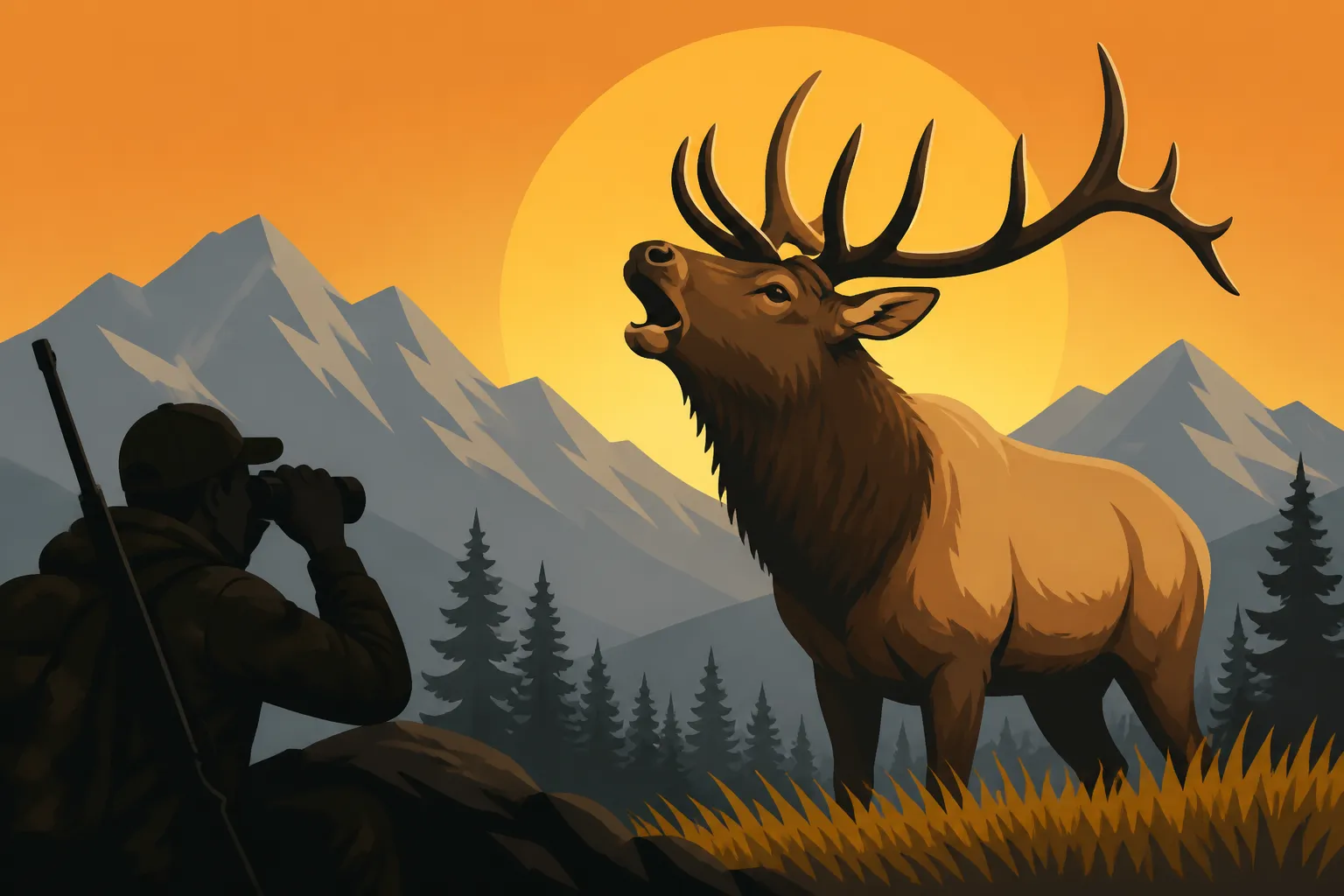
For most hunters, the "peak rut" is synonymous with peak bugling, and this generally occurs from mid-September through the first week or two of October in many parts of Alberta. This is when bulls are most vocal, challenging rivals with guttural grunts, shrill whistles, and aggressive chuckles. They're actively gathering cows, trying to maintain a harem, and constantly defending their breeding rights. The woods come alive with sound, making it a thrilling time to be in the field.
During this period, bulls are highly focused on their cows and on fending off other bulls. Their guard is often down, making them more vulnerable to calling and aggressive tactics like rattling. You’ll see more movement, more sparring, and certainly hear more bugles. This is also the time when multiple bulls might be vying for the same group of cows, leading to intense stand-offs and sometimes full-blown fights. The sheer energy and drama of this phase are what draws so many hunters to the fall elk woods.
The Post-Rut Decline and Second Wind
As October progresses, the primary breeding window begins to wane. Many cows have been bred, and the most dominant bulls are exhausted, having depleted significant energy reserves. Bugling typically tapers off, and the intense herding behavior lessens. However, this isn't necessarily the end of the action. Some cows may not have conceived during the initial peak and will come into estrus again, often two to three weeks later.
This "second wind" can offer another opportunity, especially for younger or satellite bulls who may not have had a chance during the initial peak. While not as intense as the mid-September frenzy, you might still hear sporadic bugling, particularly in areas with a high concentration of elk. The weather often plays a role here too; a sudden cold snap can sometimes spark a bit more activity as bulls try to make the most of the remaining breeding opportunities before winter truly sets in.
Regional Variations in the Alberta Elk Rut
Alberta is a vast province, and elk habitat varies significantly from the mountainous western fringes to the open prairie and mixed forest of the central and northern regions. It stands to reason that the elk rut won't be a monolithic event across all of these diverse landscapes. Understanding these regional differences is crucial for any hunter hoping to capitalize on the peak.
Foothills and Mountain Ranges
In Alberta's western foothills and true mountain ranges, where you might be Elk Hunting Alberta's Foothills, the rut tends to be fairly consistent year after year, typically peaking in the latter half of September. The dense timber, open parkland, and scattered meadows provide ideal conditions for elk to gather. Here, bugling is often a reliable indicator, and bulls can be incredibly responsive to calls. The rugged terrain also means less human pressure in some remote areas, allowing the elk to follow their natural rhythms more closely.
Hunters in these areas often find that early mornings and late evenings are prime times for hearing the woods erupt. The echoing bugles through the valleys and timber are unforgettable. Knowing the traditional elk range, how to navigate the mountains, and where the herds often move between feed and bedding areas becomes even more critical in this country. Many outfitters specialize in this terrain, offering guided trips into the heart of elk country.
Parkland and Boreal Forest
Moving into the parkland country and the southern edges of the boreal forest, the rut can sometimes start a little earlier or carry on later due to various environmental factors and herd dynamics. These areas often feature a mosaic of aspen bluffs, agricultural fields, and smaller patches of timber. Elk here might be found on private land, sometimes moving onto grain fields for feeding, which can influence their behavior. Understanding Hunting Elk on Alberta Grain Land often means a different approach than in the mountains.
In these mixed habitats, elk often become more nocturnal, especially if there's significant hunting pressure. While you'll still hear bugling, it might be more concentrated at dawn and dusk, or even through the night. The timing can also be influenced by agricultural cycles; if fields are being harvested, it can push elk into thicker cover or force them to shift their patterns. This means scouting and adapting to current conditions is incredibly important.
Prairie and Badlands Fringe
While not typically thought of as primary elk country, some prairie WMUs along river breaks and badlands fringes do hold elk populations. Here, the rut can be a bit more spread out or less vocally intense than in the timbered regions. The vast, open landscape means elk often have different strategies for herding and breeding, relying more on sight and scent than purely on sound. They might travel greater distances, and finding them can require extensive glassing.
In these open environments, the window for peak rut activity might align closely with the traditional mid-to-late September timeframe, but the "action" might manifest differently. You might observe more visual rutting behavior – bulls sparring or chasing cows – rather than constant, roaring bugle fests. Hunting here often involves spotting and stalking tactics, making the use of high-quality optics and patient observation key. For a comprehensive overview of where to find these elusive animals, checking out Alberta Elk Herds and Their Range can be a valuable starting point.
| Region Type | Typical Rut Timing | Bugling Intensity | Primary Challenge | Key Hunting Strategy |
|---|---|---|---|---|
| Foothills & Mountains | Mid-Sept to Early Oct | High | Rugged Terrain | Locating herds, calling, glassing basins, active pursuit |
| Parkland & Boreal Fringe | Early Sept to Mid-Oct (variable) | Moderate to High | Private Land Access | Scouting, pattern observation, calling, blind setup |
| Prairie & Badlands Fringe | Mid-Sept to Early Oct (often subtle) | Moderate | Wide-Open Spaces | Extensive glassing, spot-and-stalk, long-range calls |
Factors Influencing the Peak of the Rut
While we can talk about general timelines, the elk rut isn't a hard-and-fast biological clock. Several environmental and physiological factors can subtly shift when the rut truly hits its stride, making it a moving target that seasoned hunters learn to adapt to.
Weather Conditions and Temperature
One of the most significant influences on elk rut activity is the weather. A common refrain among elk hunters is that a cold snap "turns on" the rut. While it's not quite that simple, cooler temperatures generally lead to more active elk. Bulls don't overheat as easily when chasing cows and fighting rivals, meaning they'll move more during daylight hours. Conversely, unusually hot weather can suppress daytime activity, pushing the peak bugling into the cooler hours of darkness, or even delaying the full intensity of the rut.
Rain, snow, or clear skies also play a role. A good soaking rain can make the ground quieter for stalking, but it might also reduce visibility or suppress bugling slightly. Early season snow can sometimes kickstart activity, making elk feel the urgency of the coming winter. Being aware of the long-range forecast and adjusting your hunting schedule or tactics accordingly is vital. A sudden drop in temperature combined with a bit of precipitation can create magical conditions in the elk woods, spurring on the vocalizations and movement that hunters crave.
Moon Phase and Light Cycles
The moon phase is another factor often debated among hunters. While not as definitively impactful as temperature, many believe that a full moon can lead to more nocturnal rut activity. With more moonlight, elk might feel comfortable moving, feeding, and bugling throughout the night, leading to quieter daytime hours. Conversely, a new moon phase, with darker nights, might push more of the activity into the early morning and late evening, making them more visible during shooting light.
Beyond the moon, the decreasing daylight hours of fall are a primary biological trigger for the elk's hormonal changes that initiate the rut. It's a fundamental part of their breeding cycle, ensuring calves are born at an optimal time in the spring. While you can't control the moon or daylight, understanding how they might influence elk behavior helps you anticipate when and where the animals might be most active. Many hunters use a combination of factors, including moon phase, to predict the best hunting days, often using hunting apps that track this data.
Herd Dynamics and Pressure
The specific dynamics of an elk herd in a given area can also influence when the rut peaks and how intensely it unfolds. Areas with a healthy bull-to-cow ratio and a good number of mature bulls tend to have a more vigorous and concentrated rut. These larger, more experienced bulls are better at herding and defending cows, which can lead to more intense competition and vocalization. If you're wondering How Heavy a Mature Bull Elk Gets, a strong rutting season with good genetics helps.
Conversely, in areas with lower bull numbers or high hunting pressure, the rut might feel less intense or more scattered. Bulls might be more wary, less vocal, and less likely to engage in overt rutting behavior during daylight hours. High pressure can cause elk to go nocturnal or retreat to thicker cover. This makes scouting and understanding local herd behavior essential. Using tools to help Scouting With Satellite Imagery in Alberta can reveal hidden pockets of cover where pressured elk might retreat. For hunters trying to gauge the best areas, reading a Reading an Alberta WMU Map Before You Go can give insights into potential elk strongholds and public land access.
Timing Your Hunt for Elk Rut Action
So, with all these variables, how do you actually time your hunt to be in the field when the magic happens? It’s less about picking one perfect day and more about understanding the windows of opportunity and being adaptable.
General Season Dates and Archery Advantage
In Alberta, elk seasons typically open in late August or early September for archery hunters, well before rifle seasons for general tags. This often puts archery hunters right in the sweet spot of the pre-rut build-up and the early stages of peak bugling. For those willing to put in the effort, Bugling Elk in Alberta's Foothills can be incredible during the archery-only dates. Rifle seasons usually open later in September or early October, aligning with the peak or slightly past it, depending on the WMU.
It's crucial to consult the official Alberta Big Game Season Dates, as these can vary by WMU and species. Some WMUs have very early archery openings that coincide with bulls still in velvet, while others might push rifle seasons well into October, catching the tail end of the rut or the post-rut "second wind." Always double-check the specific regulations for your chosen hunting area, as these dates are non-negotiable.
The Sweet Spot for Vocal Bulls
If your primary goal is to experience and capitalize on the intense bugling action, the traditional wisdom points to the last two weeks of September and the first week of October. This three-week window is often considered the "sweet spot" across much of Alberta's prime elk country. During this time, the majority of cows are in estrus, and bulls are at their most competitive and vocal. This is when you're most likely to hear multiple bulls interacting, making for an unforgettable hunting experience.
However, remember that "peak" can also mean peak pressure from other hunters. Popular areas can get crowded, and pressured elk can become quieter. If you're using a tool like GoHunt to look at public land access, you might try to identify overlooked areas or those requiring more effort to access, potentially finding less pressured elk that are more willing to vocalize. Planning to hunt a Hunting a Foothills Bench Above a Creek that's off the beaten path could pay dividends.
Adapting to the Conditions in the Field
No matter how much you plan, the elk rut ultimately dictates its own terms. Being adaptable is perhaps the most important skill for a rut hunter. If you arrive and the weather is unseasonably warm, expect less daytime bugling and adjust your approach to focus on water sources or shaded bedding areas. If a cold front rolls in, be ready for increased activity. If the bugling is sparse, focus on fresh sign, tracks, and rubs, and consider moving to new areas where the activity might be higher.
Sometimes, the peak of the rut simply doesn't manifest as a cacophony of bugles. It could be that the primary breeding has already occurred, or the elk are simply more wary. In these situations, shifting from aggressive calling to more subtle cow calls or silent still-hunting can be effective. The key is to read the elk and the environment, rather than blindly sticking to a predetermined strategy. The "peak" of the rut is when the elk are most vulnerable, and sometimes that vulnerability is subtle rather than loud.
Disclaimer
This article is for general informational purposes only and does not constitute professional advice. Laws, prices and regulations vary by location and change over time. Consult a qualified professional for guidance on your specific situation.