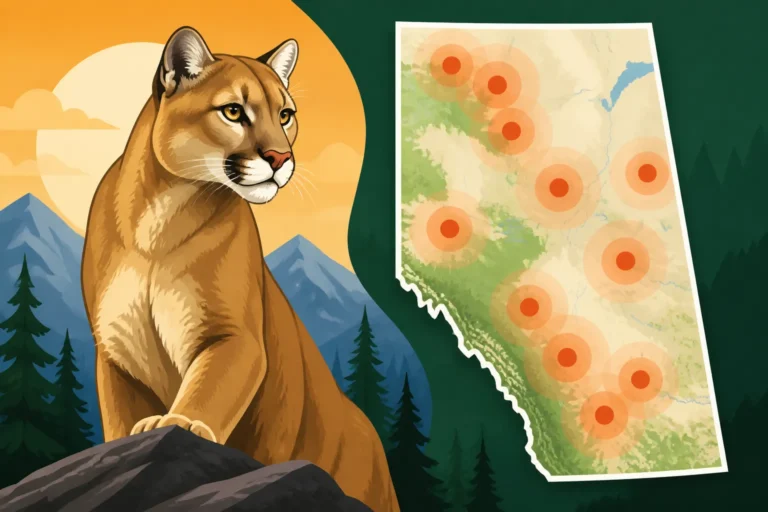
Alberta’s Record Bighorn Ram and Its Score
For many of us who dream of chasing majestic mountain game, the idea of a record-book bighorn ram holds a special kind of allure. It's not just about the size, but the story, the wilderness, and the animal itself. This guide will take you through what makes a bighorn truly exceptional, explain the famous scoring system, and shed light on Alberta's own legendary record bighorn ram and why our province consistently produces such incredible trophies.
What Makes a Bighorn Ram a True Trophy Beyond the Tape
When you lay eyes on a truly magnificent bighorn ram, there's an undeniable feeling that goes beyond any tape measure. It's the sheer presence of the animal, the way its massive horns curl in perfect arcs, and the wisdom etched into its eyes from years of surviving in some of the most unforgiving landscapes. A "trophy" ram isn't just about inches; it's about age, genetics, and the incredible journey it undertook to reach that magnificent maturity.
The Significance of Age and Maturity
The most critical factor in a bighorn ram's trophy status is its age. These animals grow a new segment of horn each year, and it takes many seasons for those curls to develop into the thick, heavy, full-curl horns that hunters dream of. A ram in its prime, typically 8 to 12 years old, will have horns that are not only long but also incredibly massive at the base, carrying that bulk throughout their length. This age also signifies a ram that has overcome countless challenges – harsh winters, elusive predators, and the rigours of the rut – a true testament to its resilience and survival instincts. Spotting these older, wiser rams often means long hours glassing distant slopes, studying their movements, and truly understanding their behaviour.
Genetics, Nutrition, and Habitat
While age is paramount, genetics and nutrition play a massive role in a ram's potential. Some rams are simply predisposed to growing larger, heavier horns due to their genetic makeup. Couple this with access to nutrient-rich forage in prime bighorn habitat – the rugged, often inaccessible mountain ranges of Alberta – and you have the recipe for a true giant. Areas with a consistent supply of high-quality grasses and minerals allow rams to allocate more energy towards horn growth, especially during their younger, formative years. Hunters who spend time in the field understand that certain ranges, often characterized by specific rock formations and unique plant life, consistently produce larger-horned animals. Understanding these subtle environmental cues can be crucial when scouting for that once-in-a-lifetime ram, and tools like GoHunt can help hunters analyze habitat features.
The Hunter's Journey and the Wild Experience
Ultimately, what makes a bighorn ram a trophy extends far beyond its physical attributes to the hunter's experience. Chasing bighorns in Alberta's mountains demands a profound commitment of time, physical endurance, and mental fortitude. It involves backpacking into remote areas, enduring unpredictable weather, and often a level of personal challenge that few other hunts can match. The trophy isn't just the animal; it's the vistas, the solitude, the camaraderie, and the deep respect earned for an animal that lives in such an unforgiving world. The memory of the stalk, the long hike out, and the stunning backdrop of the Canadian Rockies contribute immeasurably to the ram's status as a lifetime trophy. Finding these rams often requires backpacking into Alberta's Bighorn Country for days at a time.
Understanding the Boone and Crockett Scoring System for Bighorns
The Boone and Crockett Club's scoring system is the recognized standard for measuring North American big game trophies, and it provides an objective way to compare the horns of bighorn sheep. While it might seem complex at first glance, it's designed to reward length, mass, and symmetry, all hallmarks of an exceptional animal.
Key Measurements and Their Role
When an official Boone and Crockett scorer evaluates a bighorn ram, they take several precise measurements. The main components are:
- Length of Horn: This is measured along the outer curve of each horn from the base to the tip. This measurement accounts for a significant portion of the total score, reflecting the ram's overall growth.
- Circumference at Base: The circumference is taken at the widest part of the horn where it meets the skull. This is crucial for "mass" and is a strong indicator of the ram's health and genetics. A ram that carries heavy mass out from its head is a truly impressive sight.
- Quarter Circumferences: Beyond the base, three additional circumference measurements are taken at specific intervals along the length of each horn. These are measured at the quarter points of the horn's length. This ensures that the ram's horns don't just start big but maintain that impressive mass throughout their entire length, rather than tapering off too quickly.
- Spread: While not a primary scoring component with a direct value in the same way as length and circumference, the greatest spread (the widest distance between the horns) is recorded for informational purposes and contributes to the visual impressiveness of the animal.
The beauty of the system for bighorns is its emphasis on mass and length, truly celebrating the natural growth and proportions of these magnificent animals.
The Impact of Deductions on the Final Score
The Boone and Crockett system aims to measure the net score, which accounts for any imperfections or asymmetries. Deductions primarily come from two areas:
- Asymmetry: The score is built on matching measurements between the left and right horns. Any differences in length or circumference between the two horns result in deductions. For example, if the right horn is an inch longer than the left, that inch is deducted from the total. This encourages hunters to seek rams with perfectly matched, symmetrical horn growth.
- Abnormal Points or Breaks: Bighorn sheep typically have smooth, curling horns. Any abnormal points (such as "cheaters" or non-typical growth) or significant breaks in the horn structure are also subject to deduction. While some hunters find unique horn growth fascinating, it typically reduces a B&C score. Broken tips, which are common in older rams from fighting or accidents, will also reduce the measured length.
Understanding these deductions helps appreciate why perfectly symmetrical, intact horns on an old ram are so highly prized by score-focused hunters. When you're Judging a Full-Curl Bighorn Ram, these details are exactly what you're looking for.
Typical vs. Nontypical Classifications
For bighorn sheep, the vast majority of entries are considered "typical" because their horn growth follows a natural, symmetrical spiral. There isn't a separate "nontypical" category with a distinct scoring method in the same way there is for deer species. However, any abnormal points or asymmetry will be deducted from the gross score to arrive at a net typical score. The ideal bighorn for a high B&C score is one with immense length and mass, and perfectly matched, unbroken curls.
Here's a simplified look at the scoring components:
| Scoring Component | Description | Impact on Score | Key Consideration |
|---|---|---|---|
| Length of Horn | Measured along the outer curve from base to tip of each horn. | High: Primary driver of score. | Age of ram is key; unbroken tips are vital. |
| Circumferences | Four measurements taken per horn (base, and three quarter points). | High: Crucial for mass, which adds significant points. | Genetics and nutrition heavily influence horn mass. |
| Total Gross Score | Sum of all length and circumference measurements for both horns. | The initial raw score before deductions. | Represents the total horn growth. |
| Deductions | Differences in symmetry between horns, abnormal points, broken tips. | Lowers the final "net" score. | Rewards perfectly symmetrical and intact horns. |
| Net Score | Gross score minus deductions. | The final, official Boone and Crockett score. | The standard for ranking trophy rams. |
The Story of Alberta's Record Bighorn Ram
Alberta is renowned for its incredible bighorn sheep hunting, and over the years, many magnificent rams have been taken from our rugged mountain landscapes. While specific details of every hunter and every record are often held privately, the legend of Alberta's record bighorn ram speaks to the potential of our wilderness and the sheer size these animals can attain.
The ram that stands as Alberta's highest-scoring bighorn sheep is a testament to perfect genetics, incredible age, and optimal habitat conditions. Imagine a ram that has not only survived countless harsh winters and evaded predators but has also had consistent access to the best forage, allowing its horns to grow to truly unbelievable dimensions. This animal embodies the pinnacle of bighorn development, showcasing what the species is capable of when all factors align.
The Unforgettable Hunt and Discovery
The story surrounding a record-book bighorn is almost always one of perseverance and respect for the animal and its environment. These aren't easy hunts. They typically involve days, if not weeks, of relentless hiking, climbing, and glassing remote mountain slopes. Hunters often spend years applying for special WMU draws or investing in guided hunts that specialize in finding these elusive giants. For the hunter who eventually connected with Alberta's record ram, it was undoubtedly the culmination of immense effort, careful scouting—perhaps utilizing tools like GoHunt to pinpoint prime habitat—and a deep understanding of sheep behaviour.
Connecting with a ram of this caliber often happens after spotting it from miles away, followed by an epic stalk across treacherous terrain. The moment of truth, when the hunter finally gets within range of such an animal, is often described as surreal, a mix of adrenaline, awe, and profound gratitude. Whether taken by rifle or bow, the pursuit of a record bighorn is an immersive experience in the wild.
The Official Score and What It Means
When Alberta's record bighorn ram was officially scored, the numbers undoubtedly reflected exceptional length and immense mass throughout the horns, with minimal deductions for asymmetry or imperfections. A score of this magnitude places the animal in a rare class, not just within Alberta, but across North America. It signifies a ram that likely sported horns of remarkable length – pushing into the high 40-inch range or even touching 50 inches on the curl – with incredibly heavy bases, maintaining that mass for nearly the entire circumference of the horn.
For context, a typical "full-curl" ram might score in the 160-170 B&C range, which is still an incredible trophy. A truly exceptional ram might break 180 or even 190. Alberta's record ram, with its towering score, would be far beyond these numbers, sitting in the upper echelons of bighorn sheep taken anywhere. This score not only memorializes an incredible animal but also highlights Alberta as a premier destination for world-class bighorn hunting, a fact that draws hunters globally who meticulously plan their hunts, often consulting resources like GoHunt to understand unit potential.
Why Alberta Continues to Produce Giant Rams
Alberta has a well-deserved reputation for producing some of the largest bighorn rams on the continent. This isn't just luck; it's a combination of unique geographical features, robust wildlife management strategies, and the wild nature of our mountain ecosystems.
Ideal Habitat and Rich Forage
Our province is blessed with extensive stretches of prime bighorn sheep habitat, particularly in the Rocky Mountains and their associated foothills. Areas like the Livingstone Range, the Bighorn Backcountry, and other remote mountain WMUs provide the perfect combination of steep, rugged terrain for safety from predators, and accessible alpine basins and lower slopes rich in the specific types of grasses and forbs that bighorns thrive on. The high-quality forage translates directly into better nutrition for the sheep, which in turn fuels exceptional horn growth. Healthy ewes produce healthy lambs, and rams with good genetics growing up in this nutrient-rich environment have the best chance of reaching their full trophy potential. This is why when you're Glassing Alpine Basins for Bighorn Sheep, you're often looking at some of the best habitat available.
Conservative Management and Limited Tags
Alberta's wildlife management philosophy for bighorn sheep is built on sustainability and maintaining healthy, mature ram populations. The province limits bighorn sheep licences through a mix of purchased class 1 licences and special draws, meaning that tags are very limited and highly sought after. This conservative approach ensures that hunting pressure is carefully controlled, allowing a significant number of rams to reach full maturity and express their genetic potential. When tags are few, only a small percentage of mature rams are harvested each year, leaving plenty of older, heavy-horned animals in the population. Hunters understand the challenge of gaining a Bighorn Sheep Draw Rules and Limits tag and, for the special WMU draws, often build How Priority Points Build and Reset to improve their odds. This careful stewardship is a cornerstone of Alberta's success in producing trophy-class animals.
Accessibility vs. Challenge: Where the Biggest Rams Hide
While Alberta offers incredible opportunities, the biggest rams often reside in the most challenging and least accessible areas. These are typically places that require multi-day backpack hunts, often on horseback, deep into the backcountry, far from roads or easy trails. The effort required to reach these areas naturally limits hunter pressure, creating pockets where older, larger rams can thrive undisturbed. Hunters willing to put in the physical exertion, packing in for days and navigating extreme terrain, are often rewarded with encounters with truly world-class animals. This pursuit is not for the faint of heart, demanding significant Fitness for an Alberta Sheep Hunt and a willingness to embrace the rigors of the wilderness. It’s in these remote, untouched corners of Alberta’s mountains that the legends are born, and where the next record-book bighorn ram is likely waiting to be discovered.
Disclaimer
This article is for general informational purposes only and does not constitute professional advice. Laws, prices and regulations vary by location and change over time. Consult a qualified professional for guidance on your specific situation.