Grizzly Bears in Alberta Today
The thought of encountering a grizzly bear in Alberta's wild spaces is something that can send a shiver down the spine of even the most seasoned outdoors enthusiast. While these majestic animals are an incredible part of our ecosystem, the reality of sharing their territory means being prepared, knowledgeable, and respectful. This guide is here to cut through the noise, offering clear, actionable insights into understanding Alberta's grizzly population, staying safe, and navigating their world responsibly.
The Current State of Grizzly Bears in Alberta
Alberta's grizzly bear population has seen a fascinating and at times, tumultuous journey. Understanding their current status isn't just about numbers; it's about appreciating the complex conservation efforts and habitat challenges these iconic creatures face.
Population Trends and Recovery Efforts
Historically, grizzly bears roamed much of western North America, including vast stretches of Alberta. However, human settlement, habitat loss, and hunting pressure led to significant declines by the mid-20th century. For years, grizzlies in Alberta were listed as a "threatened" species, a designation that spurred concentrated recovery efforts. These efforts have involved everything from habitat protection and reducing human-bear conflicts to extensive research and monitoring programs.
Recent population estimates, based on DNA analysis and other advanced tracking methods, suggest a cautious optimism. While exact figures fluctuate and are always a subject of ongoing study, the general consensus is that the grizzly population has stabilized and, in some areas, shown signs of slow recovery since the early 2000s. The province even delisted the grizzly from "threatened" in 2010, though it remains a species of special concern, with strict protection and no hunting allowed. This isn't to say all challenges are gone; habitat fragmentation, increased human recreational use of backcountry areas, and the ongoing threat of human-caused mortality (accidental or illegal) continue to be significant hurdles that conservationists and wildlife managers grapple with daily. It's a testament to sustained efforts, but also a reminder that vigilance is paramount.
Where Alberta's Grizzlies Live Today
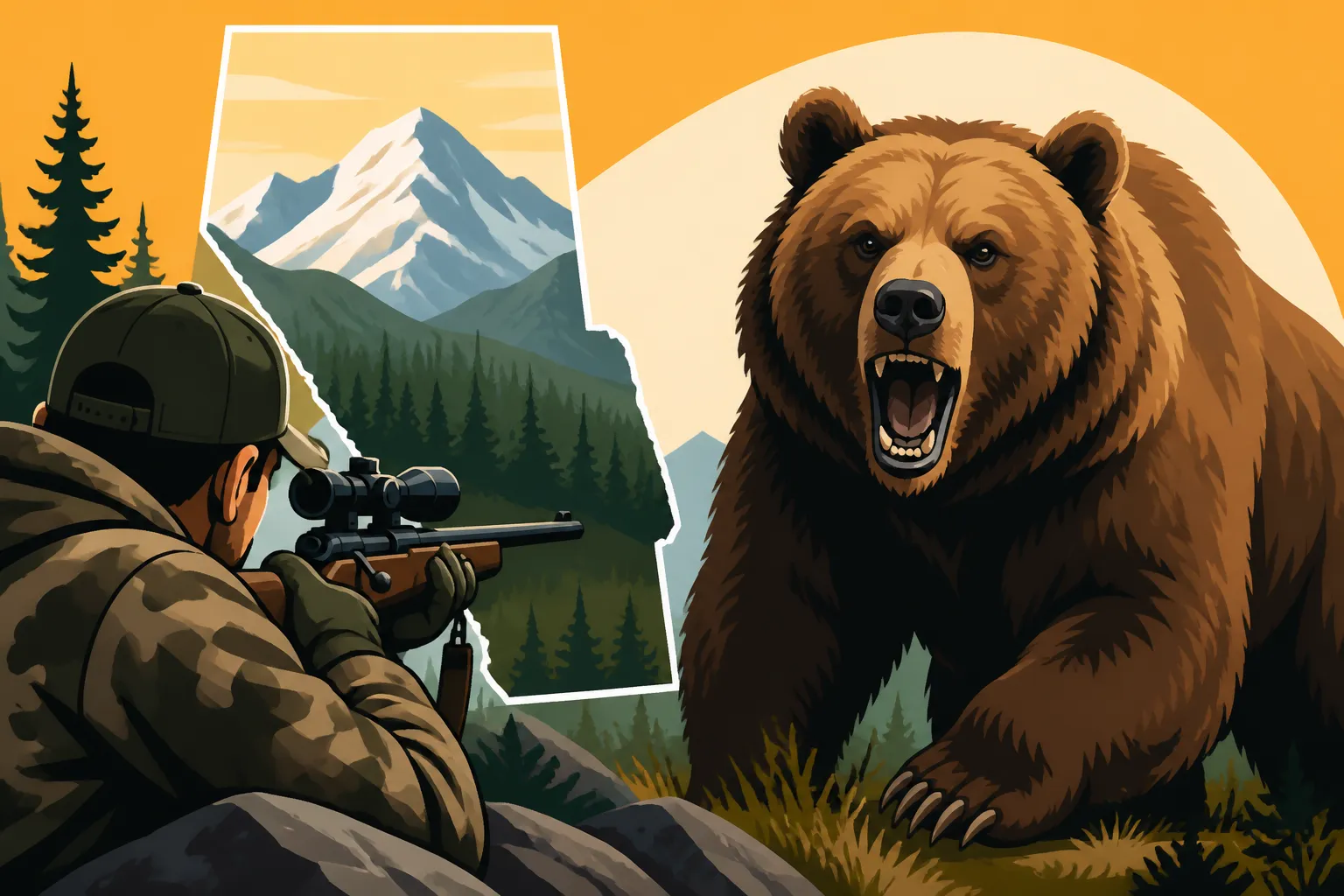
Grizzly bears aren't found just anywhere in Alberta. Their distribution is closely tied to specific ecosystems that offer the solitude, varied diet, and extensive range they require. Their primary stronghold is the Rocky Mountains and the vast stretches of foothills directly adjacent to them. This includes iconic areas like Kananaskis Country, Banff National Park (though hunting is not permitted within national parks), and Jasper National Park. For hunters, this means regions west of Calgary, west of Rocky Mountain House, and stretching north into the Grande Cache and Hinton areas, where the mountains meet the sprawling boreal forest, are prime grizzly habitat.
Beyond the immediate mountains and foothills, grizzlies also venture into parts of the "Green Area" of Alberta – the provincially managed forest lands that extend into the central and northern parts of the province. These areas offer dense cover, abundant food sources, and less human density compared to agricultural zones. Specifically, hunters might encounter grizzlies in the Willmore Wilderness Park or the vast tracts of Crown land further north. Understanding Alberta's Green Area and White Area is crucial for any hunter, as it defines where these wild animals are most likely to roam. They are not typically found in the heavily agricultural "White Area" or the truly open prairie, though transient individuals can occasionally surprise residents in unexpected locations, especially young males dispersing in search of new territory.
Understanding Grizzly Behavior and Ecology
Knowing where grizzlies live is only half the battle; understanding how they live is equally important for coexisting safely in their domain. Their life history traits and daily habits are key to anticipating their presence and minimizing conflict.
Diet and Foraging Habits
Grizzly bears are true omnivores, meaning their diet is incredibly varied and changes significantly with the seasons. This adaptability is what allows them to thrive in diverse environments. In spring, as they emerge from their dens, their diet often consists of new green shoots, roots, and any available carrion from winter kills. As summer progresses, they shift to a protein-rich diet, seeking out ground squirrels, marmots, and occasionally deer or elk calves. Berries, such as saskatoons, buffalo berries, and huckleberries, become a critical food source in late summer and fall, as bears pack on the necessary fat reserves for winter hibernation.
This seasonal shift means that where bears are found can change dramatically throughout the year. For instance, a particular valley might be rich in berries in August, drawing grizzlies to its slopes, whereas in May, they might be focused on lower elevation river bottoms where early vegetation is emerging. They are incredibly efficient foragers, using their powerful claws to dig for roots and ground squirrels, and their keen sense of smell to locate food sources miles away. The sheer volume of food a grizzly needs to consume, especially in the fall, means they require vast, undisturbed areas to forage, making their presence an indicator of healthy, intact ecosystems.
Reproductive Cycles and Survival Challenges
One of the reasons grizzly bear populations recover slowly is their unique reproductive biology. Unlike many other large mammals, grizzlies have a very low reproductive rate. Females typically don't breed until they are 5 to 8 years old, and once they do, they usually only produce one to three cubs every three to five years. The cubs stay with their mother for 2 to 3 years, learning crucial survival skills before they disperse. This extended maternal care period is vital for the cubs' survival but means a female grizzly contributes very few offspring to the population over her lifetime.
Cubs face numerous challenges, including predation by wolves and other male grizzlies (infanticide is a real, albeit natural, threat). However, the biggest long-term survival challenge for grizzly bears remains human-related. Habitat loss, vehicle collisions, and direct human-bear conflicts, often stemming from attractants like improperly stored food or garbage, are significant factors in grizzly mortality. Poaching, though rare, also poses a threat. The slow reproductive cycle means that every adult female grizzly is incredibly valuable to the overall health and recovery of the population. Therefore, understanding and mitigating human impacts is central to ensuring their long-term survival in Alberta.
Minimizing Human-Grizzly Encounters in the Backcountry
Heading into Alberta's backcountry is an incredible experience, but it comes with the responsibility of sharing the landscape with apex predators. Minimizing the chance of an unexpected grizzly encounter is paramount for both human and bear safety.
Essential Bear Safety Practices
The golden rule in grizzly country is "be aware and be prepared." This isn't just a catchy phrase; it's a lifestyle when you're in their domain. First and foremost, always carry bear spray. Make sure it's accessible (not buried in your pack) and that you know how to use it effectively. Practice deploying it in a safe, open area so you're not fumbling when it counts. Traveling in groups is another excellent deterrent, as larger groups are perceived as more threatening by bears, and the noise generated by multiple people is more likely to alert a bear to your presence.
Making noise, especially in dense bush, along creek bottoms, or when rounding blind corners, is crucial. Shouting "Hey bear!" or talking loudly can prevent a surprise encounter. When setting up camp, choose a site away from bear trails, berry patches, or obvious food sources. All food, garbage, and scented items (like toiletries) must be stored in bear-proof containers, hung from a tree, or kept in your vehicle/trailer. Never cook or eat where you sleep. Being proactive about managing attractants is probably the single most important thing you can do to avoid conflicts. Hunters often carry the extra challenge of meat, which is a powerful attractant. Having a clear plan for Meat Care in Alberta's Cold and Warm Swings and processing game quickly is not just about preserving your harvest; it's a critical bear safety measure.
What to Do If You Encounter a Grizzly
Even with the best precautions, encounters can happen. How you react is crucial and depends heavily on the bear's behavior. The key is to distinguish between a defensive encounter and a predatory one.
Most grizzly encounters are defensive. A bear might be protecting cubs, a kill, or feel surprised and threatened. In these situations, the bear might bluff charge, jaw pop, or make huffing sounds. It's trying to get you to leave. In such cases, remain calm, speak in a low, firm voice, and slowly back away, never running. Keep your bear spray ready. If the bear continues to advance and makes contact, play dead. Lie on your stomach, clasp your hands behind your neck, and cover your head with your arms. Spread your legs to make it harder for the bear to roll you over. The goal is to appear non-threatening. This strategy is for defensive attacks; once the bear realizes you're not a threat, it usually leaves.
A predatory attack is rare but extremely dangerous. This is when a bear approaches silently, stalks you, or shows unusual persistence without defensive signals. In these instances, playing dead is absolutely the wrong choice. You must fight back with everything you have, aiming for the bear's face and eyes. Use your bear spray if possible, and any weapon or tool at your disposal. This is why understanding What Happens If You See a Grizzly and knowing these distinctions can be life-saving. Recognizing bear body language, such as laid-back ears, a lowered head, or intense staring, can give you precious seconds to react appropriately.
The Impact of Grizzlies on Hunting in Alberta
For those who love to pursue game in Alberta, the presence of grizzlies adds a significant layer of consideration and, for some, apprehension. It certainly changes the dynamic of a hunt.
Managing Expectations in Grizzly Country
Hunting in prime grizzly habitat, such as parts of Elk Hunting Alberta's Foothills or Moose Hunting Alberta's Boreal Forest, means you're not just scouting for your target species; you're constantly aware of potential bear activity. This heightened vigilance can certainly impact the mental aspect of a hunt. You might find yourself moving more cautiously, scanning your surroundings more frequently, and even selecting stand locations with better visibility or escape routes. The focus isn't solely on the whitetail deer or the elk; it's on the entire ecosystem you're immersed in.
It's important to accept that encountering a grizzly is a possibility, not just a remote chance. This acceptance allows you to hunt smarter, not harder. You might choose to hunt with a partner, especially during periods when bears are most active, like early morning or late evening. Grizzlies can also influence game movement. For example, deer and elk may become more nocturnal or move to areas with thicker cover when grizzlies are regularly using a particular area. Recognizing this can help you adjust your hunting strategy. Tools like GoHunt can be invaluable here, allowing you to mark any bear sign you observe on your map, helping you and your partners identify areas of high activity and plan accordingly.
Field Dressing and Meat Care in Bear Territory
This is perhaps the most critical aspect for hunters operating in grizzly country. A fresh kill is an irresistible attractant, and without proper protocols, it can quickly lead to dangerous encounters. The moment an animal is down, the clock starts ticking. The first priority is to get the animal field dressed as quickly and efficiently as possible. Minimize the amount of blood and guts left at the kill site; if feasible, spread them out widely or even move them a short distance away from the carcass if safe to do so.
Quartering the animal and getting the meat elevated off the ground, ideally in game bags, is the next step. Hanging meat from a sturdy tree branch, at least 10-12 feet off the ground and 4-5 feet away from the tree trunk, is essential. If you're alone, this can be incredibly challenging, reinforcing the benefit of hunting with a partner. Plan your extraction route and process well in advance. Consider making multiple trips if necessary, ensuring one person is always on bear watch while the other handles meat. When using a resource like GoHunt, you can map out potential extraction routes and even identify suitable "hang trees" during your scouting phases, helping you quickly get your meat out of a potentially dangerous situation. The faster you can get your meat cooled and removed from the kill site, the lower the risk of attracting a grizzly.
Grizzly Bear Conservation and Management
Alberta has made significant strides in grizzly bear conservation, but it's an ongoing process that requires continuous effort from wildlife managers, researchers, and the public, including hunters.
Alberta's Grizzly Bear Recovery Plan
Alberta's approach to grizzly bear management is rooted in a comprehensive recovery plan that focuses on key pillars: habitat security, reducing human-caused mortality, research and monitoring, and public education. The province actively works to identify and protect critical grizzly habitat, ensuring that areas vital for their survival remain intact and connected. This often involves managing human access in certain zones, promoting responsible land use practices, and working with industries to minimize their footprint in bear country.
Reducing human-caused mortality is another cornerstone. This includes strict regulations against hunting grizzlies, enforcing penalties for illegal kills, and actively managing human-bear conflicts, often through rapid response teams that attempt to haze problem bears or, in extreme cases, relocate them. Research and monitoring are crucial for understanding population dynamics, habitat use, and the effectiveness of management strategies. Teams regularly conduct DNA sampling, track bears with GPS collars, and analyze data to inform decision-making. Public education campaigns, often in partnership with organizations like the Alberta Conservation Association, aim to raise awareness about bear safety and the importance of conservation, helping to foster a culture of coexistence.
The Role of Hunters in Conservation
Hunters, often spending significant time in remote areas, play an indirect but vital role in grizzly bear conservation. Through the purchase of hunting licenses and tags, they contribute directly to the funding of wildlife management and conservation programs across the province, including those that benefit grizzlies. Furthermore, ethical hunters adhere to all regulations, including the strict protection of grizzly bears, ensuring no illegal takes occur.
Beyond financial contributions and adherence to regulations, hunters are often the eyes and ears of the backcountry. They are frequently the first to observe bear sign, report unusual activity, or encounter a bear in an area. Reporting these sightings to Fish and Wildlife can provide valuable data for monitoring population distribution and movement. By practicing responsible bear-aware habits—such as proper food storage, carrying bear spray, and promptly managing game harvests—hunters actively contribute to minimizing human-bear conflicts. Platforms like GoHunt not only help hunters with their scouting but also serve as a useful tool for tracking and sharing observations, indirectly supporting wildlife management efforts by helping users understand the distribution of various species, including where extra caution for grizzlies might be necessary. It's a testament to the fact that responsible hunting aligns perfectly with broader conservation goals.
Common Misconceptions and Facts About Alberta Grizzlies
Grizzly bears often invoke strong emotions, and with those emotions can come misunderstandings. Separating fact from fiction is essential for fostering respectful coexistence.
Dispelling Myths
One common myth is that grizzlies are inherently aggressive and will always attack humans on sight. This is simply not true. Most grizzlies are shy and prefer to avoid humans. Attacks are rare and almost always a result of a surprise encounter, a bear feeling threatened, or protecting cubs or a food source. Predatory attacks are exceedingly rare. Another misconception is that bear spray is ineffective against grizzlies; studies have shown bear spray to be highly effective when deployed correctly. It’s a vital tool, not a placebo.
Some also believe grizzlies are only found deep in the untouched mountains. While that's their primary habitat, young dispersing bears or those seeking new foraging grounds can and do show up in unexpected places, sometimes closer to human development than one might imagine. This is why a general sense of bear awareness, particularly in areas near the foothills or dense forest, is always a good idea. For instance, knowing how to distinguish a grizzly from a black bear is crucial. While both live in Alberta, grizzlies typically have a distinctive shoulder hump, a dish-shaped face, and smaller, rounder ears compared to the straighter profile and larger, more pointed ears of a black bear. Understanding Black Bears in Alberta's Forests and Foothills can help you properly identify which species you're encountering.
Signs of Grizzly Presence
Being able to read the landscape for signs of grizzly presence can give you an early warning and help you adjust your plans. Tracks are a clear indicator: grizzly tracks are generally larger than black bear tracks, with the front paw often showing five claw marks that are longer and straighter than the pad, unlike black bear claws which are shorter and more curved. The heel pad on a grizzly front paw is also typically wider and less curved than a black bear’s.
Scat (droppings) can also tell a story. Grizzly scat often contains undigested plant matter like berries, roots, or hair and bone fragments if they've eaten meat. Its size and location can indicate recent activity. Look for diggings – overturned rocks, torn-up turf, or excavated holes where they've been searching for roots, bulbs, or ground squirrels. Rub trees, where bears scratch and rub their backs, can also indicate their presence, often marked by hair caught in the bark. These signs, especially when observed along game trails or near water sources, suggest that you are truly in grizzly country and should heighten your awareness. When using a digital mapping tool, you can mark these observations down, creating a personal "grizzly activity" layer that helps you interpret patterns over time, much like you would if you were Reading Whitetail Sign in Alberta Aspen Bluffs.
| Sign of Grizzly Presence | Description | What to Look For |
|---|---|---|
| Tracks | Large paw prints in mud, dust, or snow. | Front track often >6 inches long, distinct long, straight claw marks (further from pad than a black bear), wide, less curved heel pad. |
| Scat (Droppings) | Size and contents vary based on diet and season. | Large diameter (often >1.5 inches), can contain berries, nuts, hair, bone fragments, or fibrous plant material. |
| Diggings | Areas where the bear has dug for food. | Overturned rocks, excavated holes (for roots, bulbs, ground squirrels), torn-up turf. |
| Rub Trees | Trees used by bears to scratch and scent-mark. | Hair (often coarse brown/blonde) caught in bark, scratch marks, sometimes bite marks, often on prominent trees along trails. |
| Day Beds | Shallow depressions in thick cover where a bear has rested. | Often in dense vegetation, tall grass, or under thick spruce boughs, body-sized depression. |
| Carcasses | Animal remains, especially if partially buried or guarded. | Fresh or partially consumed carcasses, sometimes covered with dirt, sticks, or leaves (a "cache"). |
Disclaimer
The information provided in this guide is for general informational purposes only and does not constitute professional advice. Hunting regulations, wildlife behavior, and environmental conditions can change. Always consult the most current Alberta hunting regulations and provincial wildlife advisories before heading into the field. Safety in the backcountry is your responsibility; ensure you are adequately prepared and informed.