Why Some Black Bears Are Brown or Blonde
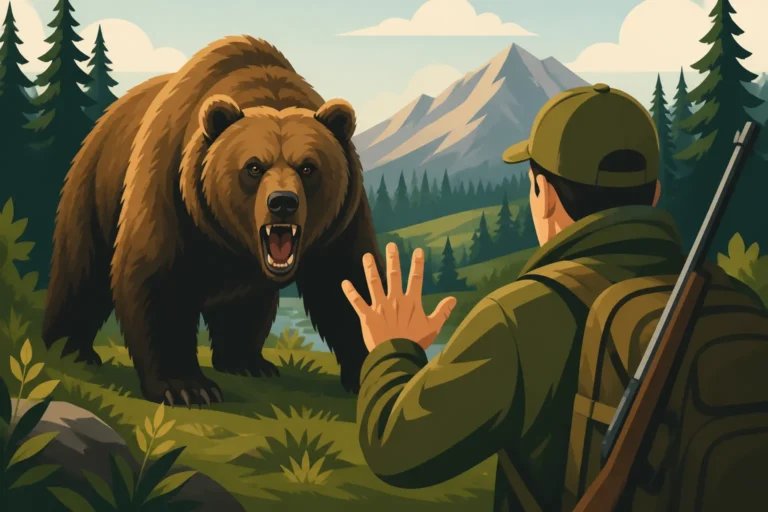
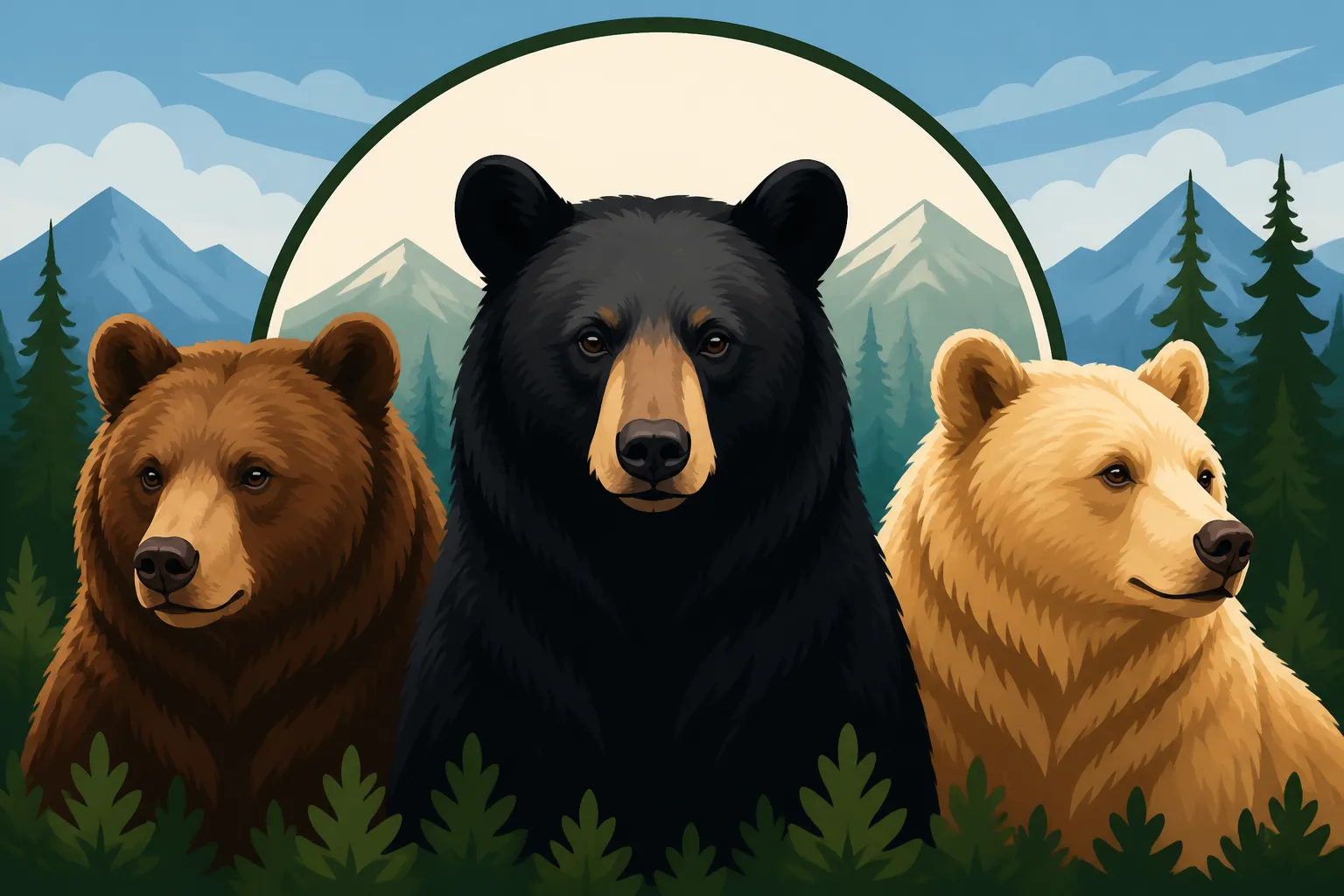
It’s a common scenario for hunters across Alberta: you’re out in the bush, patiently watching a cutline or a berry patch, and a bear emerges. But instead of the deep, coal-black coat you might expect from a "black bear," this one is a striking cinnamon, a rich chocolate, or even a beautiful blonde. This unexpected color variation often leaves hunters wondering if they're seeing something else entirely, perhaps even a grizzly, creating a moment of confusion and a legitimate concern about misidentification. This comprehensive guide will explore the fascinating reasons behind these diverse color phases in Alberta’s black bears, helping you understand their genetics, regional prevalence, and crucial identification tips to ensure a safe and successful hunt.
The Many Shades of Alberta's Black Bears
When we talk about "black bears," the name itself can be a bit misleading, conjuring images of only dark-furred animals. But the reality in Alberta's wild landscapes is far more vibrant and diverse. Understanding this spectrum of colors is the first step in appreciating these magnificent creatures and hunting them responsibly.
Dispelling the "Black Only" Myth
The term "black bear" (scientific name: Ursus americanus) refers to a specific species of bear, not exclusively to its fur color. This is a common point of confusion, especially for those new to hunting in areas like Alberta, where color variations are quite prevalent. Many assume that any bear that isn't black must be a grizzly, leading to unnecessary alarm or, worse, potentially illegal harvest of a protected species.
This misconception is deeply ingrained, often stemming from general wildlife documentaries or simplified identification guides. However, Alberta's black bear population provides a living testament to the fact that species names don't always dictate appearance. Seeing a blonde bear saunter out of the bush can be a truly breathtaking experience, but it’s vital to recognize it for what it is: a black bear in a different coat.
The Spectrum of Color Phases
Alberta's black bears exhibit an incredible range of fur colors, often referred to as "color phases." While solid black is indeed the most common, hunters regularly encounter bears with coats that are light brown, dark brown, reddish-brown (often called cinnamon), and even shades of golden blonde. These variations are not rare anomalies but are natural expressions within the species.
Cinnamon bears, with their rich reddish-brown fur, are particularly striking and frequently observed in certain regions of the province. Chocolate-colored bears are also relatively common, appearing a deeper, darker brown. Blondes, while less frequent than cinnamons or chocolates, are perhaps the most surprising and often lead to the most confusion with grizzlies due to their lighter appearance. Occasionally, you might even see a bear with a white chest patch or other unique markings. All these bears, regardless of their captivating fur color, are genetically Ursus americanus and fall under the same hunting regulations as their black-coated relatives.
Genetics: The Root of Color Variation
The stunning diversity in black bear fur color isn't some random trick of light or diet; it's deeply rooted in their genetic makeup. Just like human hair and eye color, bear fur color is determined by specific genes inherited from their parents. Understanding this genetic basis helps demystify why a black sow might have a blonde cub, or why certain regions have more diverse color phases.
The MC1R Gene and Its Role
At the heart of fur color variation in many mammals, including black bears, is a gene called Melanocortin 1 Receptor, or MC1R. This gene plays a crucial role in regulating the type and amount of melanin produced in hair follicles. Melanin is the pigment responsible for color, and there are two main types: eumelanin, which produces black and brown pigments, and phaeomelanin, which produces red and yellow pigments.
Different variations, or alleles, of the MC1R gene can lead to a shift in the balance or production of these pigments. For instance, a common genetic mutation can reduce the production of eumelanin, allowing the phaeomelanin to be more dominant, resulting in lighter, reddish, or yellowish fur. Researchers have pinpointed specific mutations in the MC1R gene in North American black bears that correspond directly to the brown, cinnamon, and blonde colorations. It’s a fascinating insight into how complex biological systems lead to such observable differences in the wild.
Dominant and Recessive Traits
The inheritance of fur color in black bears often follows principles of dominant and recessive genetics. Generally, the allele for black fur is considered dominant. This means that if a bear inherits at least one copy of the "black" allele, it will likely have black fur. However, lighter color phases, like brown, cinnamon, or blonde, are typically associated with recessive alleles.
For a bear to express a recessive lighter color, it usually needs to inherit two copies of the recessive allele—one from each parent. This explains why a black-furred mother and father, if both carry the recessive gene for a lighter color, can produce a cub with a brown or blonde coat. Conversely, two blonde bears would almost certainly produce blonde cubs, as they only have recessive alleles to pass on. This genetic mechanism ensures that while black remains common, the potential for these stunning variations persists across generations, especially in areas where certain recessive genes are more prevalent due to specific population dynamics.
Geographic Distribution and Environmental Factors
While genetics lay the groundwork for color variation, the prevalence of different color phases can often be linked to specific geographic regions and, indirectly, to environmental influences. In Alberta, hunters have noticed that certain areas seem to produce more blonde or cinnamon bears than others, leading to questions about why this might be the case.
Regional Prevalence of Color Phases
Across Alberta, you'll find that the distribution of black bear color phases isn't uniform. For example, while black bears are common throughout Black Bear Hunting in Alberta's forested regions, particularly the boreal forest, the Foothills and certain parts of the Parkland often exhibit a higher proportion of brown, cinnamon, and blonde bears. This regional prevalence isn't fully understood, but several theories exist.
One theory suggests that smaller, more isolated black bear populations, particularly in certain mountain or Foothills valleys, might experience genetic drift. In these smaller gene pools, specific recessive alleles (like those for lighter fur) can become more common simply by chance or through repeated breeding within a limited group of bears. This concentration of certain genes over generations could lead to a higher percentage of lighter-colored bears in those particular areas. Hunters using advanced mapping tools, such as those offered by GoHunt, can often observe patterns in bear sightings that align with these regional distinctions, helping them understand what to expect in different Wildlife Management Units (WMUs).
Camouflage and Survival Advantages
While it's difficult to prove a direct environmental selection for specific fur colors in black bears, it's a fascinating area of speculation. Could lighter fur offer a camouflage advantage in certain environments? For instance, a blonde or cinnamon bear might blend in more effectively with lighter-colored grasses, sun-baked soil, or dry timber snags in more open or arid regions. Conversely, a black bear would naturally be better camouflaged in dense, dark timber or at night.
However, black bears are incredibly adaptable predators, and their hunting success isn't typically tied directly to minute color variations. Their diet is incredibly varied, ranging from berries and nuts to small mammals and carrion, and they often hunt at dawn or dusk when light conditions neutralize many color differences. Therefore, while genetic variation is clear, the direct survival advantage of a specific fur color remains largely theoretical. What's undeniable is that this diversity adds to the richness of Alberta's wildlife, making every bear encounter unique and requiring keen observation from hunters, often aided by scouting techniques found in resources like Scouting With Satellite Imagery in Alberta.
The Hunter's Dilemma: Black Bear vs. Grizzly
This is perhaps the most critical section for any hunter in Alberta. The color variations in black bears can—and often do—cause confusion with grizzly bears (Ursus arctos), which are a protected species and cannot be hunted in Alberta. Mistaking one for the other carries severe legal penalties and, more importantly, poses a serious ethical concern. Proper identification goes beyond color and relies on a keen understanding of physical characteristics.
Key Distinguishing Features Beyond Color
When you see a bear that isn't solid black, the very first thing you need to do is completely disregard its color as an identification factor. Instead, focus on a combination of reliable physical characteristics. This knowledge is paramount for anyone venturing into Black Bears in Alberta's Forests and Foothills or any bear habitat.
A grizzly bear will almost always have a prominent shoulder hump, a distinctive muscular mass between its shoulders that black bears lack. The grizzly also has a more dished-in facial profile, meaning the bridge of its nose dips slightly, whereas a black bear's profile from the forehead to the nose tends to be much straighter. Look at the ears: grizzlies typically have shorter, more rounded ears, while black bears have larger, more pointed ears relative to the size of their head. Finally, their claws are a tell-tale sign; grizzlies have very long, relatively straight claws adapted for digging, while black bears have shorter, more curved claws better suited for climbing trees. For a detailed comparison, always refer to guides like Telling a Black Bear From a Grizzly.
| Feature | Black Bear (Ursus americanus) | Grizzly Bear (Ursus arctos) |
|---|---|---|
| Color | Varies widely: black, cinnamon, chocolate, blonde, even silver. | Varies widely: dark brown, blonde, grizzled (light-tipped fur). |
| Shoulder | No prominent shoulder hump; back appears relatively flat. | Distinctive, prominent shoulder hump. |
| Face Profile | Straight facial profile from forehead to nose tip. | Dished-in facial profile; dip between eyes and nose. |
| Ears | Relatively larger, more pointed ears. | Smaller, more rounded ears. |
| Claws | Shorter, more curved claws, better for climbing. | Longer, straighter claws, ideal for digging. |
| Size | Generally smaller, but size can overlap. | Generally larger and heavier-boned. |
Legal and Ethical Hunting Considerations
The regulations surrounding bear hunting in Alberta are strict, and for good reason. Grizzlies are protected, and any hunter found to have harvested one, even accidentally, faces severe legal consequences, including substantial fines, seizure of equipment, and potential hunting bans. This makes absolute positive identification not just good practice, but a legal imperative.
Before taking any shot, hunters must be 100% certain of their target. Use binoculars to carefully examine all the distinguishing features, not just color. If there's any doubt, whatsoever, do not shoot. It’s far better to let a legal black bear walk than to risk harvesting a grizzly. Ethical hunting demands patience, knowledge, and respect for wildlife. The Alberta Hunter Education and Conservation Course teaches these critical identification skills. Many resources, including specialized identification apps and guides often featured on platforms like GoHunt, can help you practice and reinforce your knowledge, making sure you are always prepared to make the right call in the field.
Understanding Population Dynamics and Management
The presence of diverse color phases within Alberta's black bear population provides valuable, albeit indirect, insights into the health and dynamics of the species. Wildlife managers and researchers, while primarily focusing on overall population numbers and health, acknowledge how these variations can sometimes play a small part in broader conservation efforts.
How Color Phases Affect Population Studies
While black bear color phases are not typically a primary metric for large-scale population estimates, their presence can offer localized insights. In areas where certain color phases are more prevalent, researchers might occasionally use unique-looking individuals for informal identification or tracking within a specific territory, helping them monitor movement patterns or denning sites. However, since colors can be similar between individuals and cubs can be born with different colors than their parents, this isn't a reliable method for precise population enumeration.
Ultimately, Alberta's wildlife management for black bears treats all color phases as the same species. Population studies primarily focus on harvest data, cub production rates, habitat quality, and overall health indicators rather than the frequency of specific fur colors. However, hunters often report seeing different color phase bears when providing harvest information, which adds to the general understanding of regional distribution for these animals throughout the province, from Alberta's Parkland Country and Its WMUs to the deeper boreal forest.
The Role of Hunters in Conservation
Hunters play a crucial role in wildlife conservation and management in Alberta. The data collected from hunter harvests, which includes details like location, sex, and often observations about the bear's color phase, contributes directly to the provincial government's understanding of black bear populations. This information helps wildlife biologists assess population trends, adjust hunting seasons, and ensure sustainable management practices.
By accurately reporting harvest data and taking the time to observe and appreciate the diversity of the bears they encounter, hunters become vital partners in conservation. Whether you're setting up a Setting a Bear Bait Site in Alberta or stalking through the bush during Spring Bear Hunting Alberta's Cutblocks, paying attention to details like a bear's color and physical characteristics not only enhances your hunting experience but also contributes to the collective knowledge base. Resources like those on GoHunt's forums or community pages often show hunters sharing their sightings of unique color phases, further illustrating the widespread appreciation for these animals and the collective effort to understand them better.
Disclaimer
The information provided in this guide is for general knowledge and informational purposes only, and does not constitute legal advice. Hunting regulations in Alberta are subject to change. Always consult the most current Alberta Hunting Regulations, available from Alberta Fish and Wildlife, and relevant federal regulations before engaging in any hunting activities. It is the hunter's responsibility to know and understand all applicable laws and regulations.