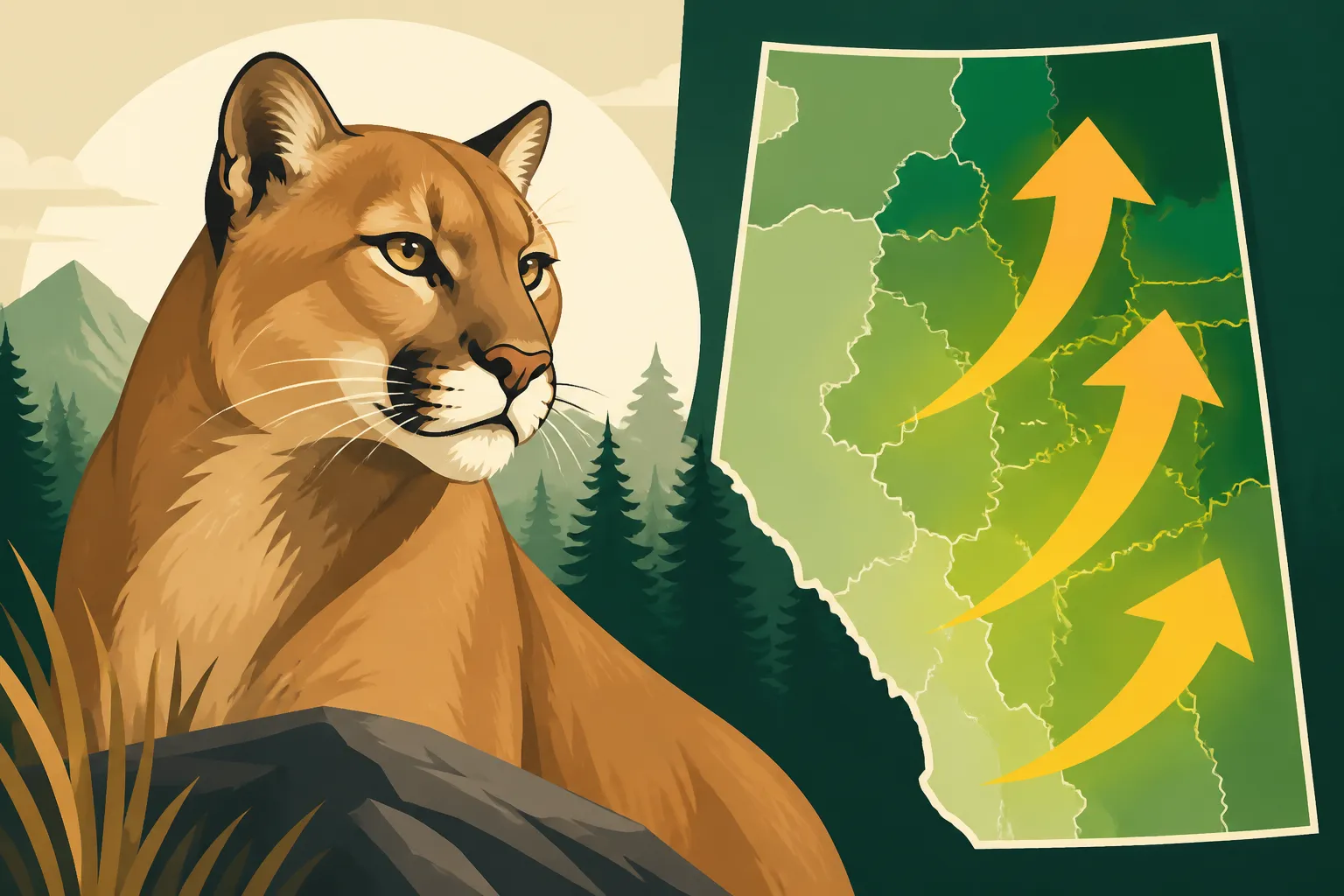
Alberta’s Cougar Population and Where It Grew
It wasn't that long ago that a cougar sighting in Alberta felt like winning the lottery – a rare, almost mythical encounter. But lately, many of us are hearing more stories, seeing more tracks, and maybe even catching a glimpse of these elusive big cats closer to home than ever before. If you've wondered what's going on with Alberta's cougar population, you're not alone. This guide will dive deep into why these incredible predators are thriving, where they've expanded their territories, and what it means for hunters and outdoor enthusiasts across the province.
Understanding Alberta's Cougar Comeback
For generations, the idea of consistently encountering a cougar in Alberta was almost unheard of for most folks. They were the ghosts of the mountains, rarely seen, and often only confirmed by a faint track in the fresh snow or a fleeting glimpse on a remote trail camera. Yet, in recent years, there's been an undeniable shift. Our cougar population isn't just surviving; it's thriving and expanding, leading to more encounters and a growing fascination with these powerful predators.
Historical Context: From Rarity to Resurgence
To truly appreciate the current state of cougars in Alberta, it helps to look back a bit. Historically, cougars, or mountain lions as they're also known, faced immense pressure. For much of the early to mid-20th century, they were viewed as pests, a threat to livestock, and even a danger to humans, leading to widespread persecution and bounties. This intensive culling pushed cougar numbers to very low levels, effectively confining them to the most remote and rugged parts of the Rocky Mountains and foothills. Many people born in the mid-20th century probably never expected to see one, let alone consider hunting them in Alberta.
However, as ecological understanding advanced and attitudes shifted, predator management strategies began to change. Bounties were eventually phased out, and conservation efforts gained traction. This change in approach, coupled with the inherent resilience and adaptability of cougars, allowed them to slowly begin recolonizing their historic ranges. It wasn't an overnight explosion, but a gradual, quiet resurgence from the brink, largely unnoticed by the general public until their numbers reached a significant threshold.
Factors Fueling the Population Boom
The most significant factor driving Alberta's cougar population boom is arguably the remarkable increase in their primary prey base. Both White-Tailed Deer, Alberta's Most Hunted Big Game and mule deer populations have expanded dramatically across the province over the last few decades. These deer have moved into new habitats, including the fertile parkland regions and even the fringes of agricultural areas, offering an abundant and accessible food source for cougars. Where there's food, predators will invariably follow, and cougars are exceptional opportunists.
Beyond the plentiful prey, reduced human-caused mortality has played a critical role. With the cessation of widespread bounty hunting and a more regulated approach to predator management, cougars have had a chance to reproduce and establish themselves. Their secretive nature, combined with the vast, often impenetrable wilderness of Alberta's Green Area, provides ample cover and sanctuary for them to thrive without constant human interference. This combination of less pressure and more food has created ideal conditions for a population rebound.
Furthermore, subtle environmental factors might contribute. Some researchers suggest that milder winters in certain regions, potentially linked to climate change, could lead to higher survival rates for deer, which in turn benefits cougar populations. Changes in forestry practices, resulting in more diverse, regenerating forests with thick undergrowth, also create excellent bedding and feeding areas for deer, further bolstering the prey base and indirectly supporting cougar expansion. It's a complex ecological web, but all threads seem to be favouring the cougar right now.
Where Cougars Roam in Alberta
While cougars are inherently elusive, their expanding population means their range now covers a much broader swathe of Alberta than it did a generation ago. Understanding where these powerful cats live is crucial for hunters, outdoor enthusiasts, and anyone living or working in rural areas. Their distribution isn't uniform, with distinct strongholds and areas of recent expansion.
Foothills and Mountain Strongholds
The rugged, often unforgiving terrain of Alberta's Rocky Mountain Foothills and the towering mountains themselves remain the undisputed heartland of our cougar population. These areas offer everything a cougar needs: dense, contiguous cover, steep and rocky escape routes, and an incredibly rich and diverse prey base, including healthy populations of deer, elk, and bighorn sheep. If you're spending time hunting in iconic areas like the Ghost Public Land Use Zone, the Kananaskis, or the Livingstone Range, encountering cougar sign is not just possible, but highly probable. This complex environment, with its abundant resources, serves as their prime domain, offering the perfect blend of cover, water, and prey animals.
The intricate topography of the foothills, characterized by its labyrinthine network of ridges, deep valleys, and winding river breaks, allows cougars to move largely undetected. They masterfully utilize these natural corridors – following game trails, dry washes, and creek bottoms – to traverse vast distances across their territories. Hunters venturing into Alberta's Foothills Country must maintain a keen awareness of cougar activity, not only for personal safety but also to gain a deeper understanding of how these apex predators influence the movement, behaviour, and overall health of their prey species. The significant populations of Elk in Alberta's Mountains and Farmland also provide a substantial, calorie-rich food source, particularly for the larger, more dominant cougars in these regions.
Expanding into Parkland and Boreal Areas
What's truly astonishing in recent decades is the undeniable expansion of cougars into regions where they were once considered rare or entirely absent. The Aspen Parkland, that beautiful transitional zone between the open prairie and the dense boreal forest, now experiences regular cougar activity. This mosaic habitat, composed of trembling aspen bluffs, interspersed agricultural fields, and brushy ravines, provides both excellent cover for ambush predators and a flourishing prey base, primarily white-tailed deer. This expansion brings them into increasingly closer proximity with human settlements, hobby farms, and commercial livestock operations, leading to a new set of considerations for residents and wildlife managers alike.
Furthermore, cougar sightings and track evidence are becoming more commonplace in the southern fringes of the Boreal Forest. While these areas may not boast the same density of cougars as the foothills, they nonetheless provide substantial deer populations and vast tracts of remote, unfragmented forest. This clear northward movement highlights the incredible adaptability of cougars and their ability to capitalize on available resources in diverse environments. Hunters exploring new areas for deer or moose in central and even northern Alberta should no longer be surprised to find cougar sign in places where it would have been unimaginable just a generation ago. Tools like GoHunt can be invaluable for scouting these expanded territories and identifying potential cougar hotspots.
Hunting Cougars in Alberta: Regulations and Opportunities
Hunting cougars in Alberta is an experience unlike any other, demanding immense skill, patience, and a deep understanding of the animal and its habitat. However, it's also highly regulated to ensure the long-term sustainability of this growing population. It's not a general licence pursuit; instead, it falls under specific rules designed to manage their numbers responsibly.
Season Dates and Quotas
Hunting cougars in Alberta is managed very carefully, primarily through a quota system to ensure sustainable populations. It's not a free-for-all, and understanding the nuances of the regulations is crucial for any hunter interested in pursuing these formidable animals. The seasons are typically open in various WMUs (Wildlife Management Units) from December through February or sometimes into March. These dates align with optimal snow conditions, which are critical for tracking success. However, always consult the current Alberta hunting regulations for precise dates and specific WMU information.
Unlike general deer or elk tags, cougar licences often operate on a special quota. Once the allocated number of cougars for a specific WMU or region has been harvested, the season for that area is immediately closed. This means hunters must check The Cougar Quota Phone Line Explained daily, or utilize advanced digital tools from reputable platforms like GoHunt to stay informed. A successful hunt can quickly turn into a violation if you're not up-to-date on closures, making constant vigilance paramount. Understanding these dynamic rules is absolutely critical for a legal and ethical hunt. You can find detailed information on Cougar Season Dates and Quota in the official regulations, which also outlines the broader Alberta Big Game Season Dates.
Methods: Tracking and Calling
Cougar hunting is often considered one of the most physically demanding and specialized forms of hunting in Alberta. The most traditional and often effective method, particularly in areas with consistent snow cover, is tracking. This involves finding fresh cougar tracks, ideally from the night before, and then meticulously following them, often for many miles over challenging and rugged terrain, until the cat is treed or cornered. This method requires specialized knowledge of cougar behaviour, keen observational skills to interpret tracks and sign, and exceptional physical stamina. Many hunters opt for experienced guides who often employ trained hounds for this purpose, as this significantly increases the odds of success and is a deeply traditional method. You can learn more about the intricacies of Tracking a Cougar in Fresh Snow.
While less common than tracking with hounds, calling can also be an effective tactic for cougars, particularly in areas without reliable snow cover or where dense vegetation makes ground tracking difficult. Predator calls mimicking distressed prey, such as a rabbit in distress, a fawn bleat, or even a bird in trouble, can sometimes draw in a curious or hungry cougar. This method requires extreme patience, careful attention to wind direction, and choosing ambush locations with excellent cover, as cougars are incredibly stealthy and will often circle downwind to investigate. Some outfitters specialize in Hunting Cougar in Alberta's Foothills using a combination of these techniques, often employing highly trained hounds, which is both a legal and efficient way to pursue these big cats under Rules for Hunting With Dogs. Regardless of the method chosen, success in cougar hunting hinges on deep knowledge of their behaviour, their preferred habitats, and relentless effort. It's a true test of a hunter's skill, perseverance, and respect for the animal.
The Role of Prey and Habitat
At the heart of every thriving predator population lies a healthy and accessible prey base. For Alberta's cougars, this ecological principle is profoundly evident, as their resurgence is inextricably linked to the abundant populations of ungulates across the province. Their success is a clear indicator of the overall health of the ecosystems they inhabit.
Deer and Elk as Primary Food Sources
Cougars are obligate carnivores, meaning their diet consists almost exclusively of meat, and their very existence revolves around the availability of prey. In Alberta, the backbone of their diet consists primarily of deer, encompassing both the agile white-tailed deer and the robust mule deer. These apex predators are incredibly efficient at ambushing and taking down animals significantly larger than themselves, relying on stealth, explosive speed, and immense power. Consequently, a healthy and expanding deer population directly correlates with a thriving cougar population. As deer have expanded their range and increased in numbers, particularly into the transitional parkland and agricultural fringe areas, cougars have followed suit, effectively expanding their own ecological niche. Hunters who understand What Cougars Eat in the Foothills gain valuable insight into the predator-prey dynamics of their hunting grounds.
While deer serve as their staple, cougars are opportunistic and adaptable hunters. They will also readily prey on elk, especially calves and sub-adults, which provide a substantial food source in the foothills and mountain regions where elk herds are abundant. Beyond these primary large ungulates, cougars will also opportunistically take bighorn sheep, moose calves, and even smaller mammals like coyotes or snowshoe hares when primary prey is scarce or during particularly harsh winters. This broad yet adaptable diet, combined with the current abundance of primary food sources, allows them to sustain themselves even through the challenging Alberta winters, ensuring the continuation of their population growth.
Impact of Habitat Changes and Human Activity
The landscape of Alberta is a dynamic canvas, constantly shaped by natural processes and human endeavors. These changes inevitably ripple through ecosystems, affecting all wildlife, including cougars. Forestry operations, for example, can create early successional habitats (regenerating clearcuts) that provide new browse and dense cover for deer, initially enhancing prey habitat and, by extension, benefiting cougars. Similarly, seismic lines and other linear disturbances in forested areas can sometimes serve as convenient travel corridors for both predators and prey.
However, the impacts are not always positive. Increased human presence associated with industrial development or recreational use, along with a growing network of roads, can fragment cougar territories and disrupt their movement patterns. This fragmentation can also lead to an increased risk of human-cougar conflicts or cougars being hit by vehicles. The ongoing challenge for wildlife managers is to strike a balance between necessary human development and maintaining sufficient, contiguous wildlife corridors essential for large carnivores like cougars. Areas with strong conservation frameworks, such as certain Alberta's Public Land Use Zones, aim to provide extensive habitat and minimal disruption for these animals. Understanding these dynamic relationships between habitat, prey, and human activity is absolutely key to effective wildlife management and ensuring these magnificent creatures continue to thrive. Hunters planning trips can utilize resources like GoHunt for advanced satellite imagery and mapping, which helps in scouting potential cougar country and understanding the specific habitat features that attract both prey animals and the predators that pursue them.
Living with and Managing Cougars
As Alberta's cougar population continues to expand and re-establish itself in areas it once occupied, the likelihood of human encounters increases. This presents both exciting opportunities for wildlife enthusiasts and hunters, and challenges for those living and working in rural areas. Effective management requires a blend of public education, proactive conflict mitigation, and science-based conservation strategies.
Minimizing Conflicts and Ensuring Safety
As cougar populations grow and expand their territories, so does the potential for human-cougar encounters, especially for those of us who spend a lot of time outdoors. While attacks are incredibly rare – far less common than wildlife-vehicle collisions or even bear encounters – it's always wise to be informed and prepared. When hiking, camping, or hunting in known cougar country, always travel in groups, make noise to announce your presence, and keep children and pets close and under control. Avoid walking alone at dawn or dusk, when cougars are most active.
Should you be fortunate (or unfortunate, depending on your perspective) enough to encounter a cougar, the advice is clear: make yourself look as large as possible, make loud noises, and maintain direct eye contact. Never turn your back or run, as this can trigger a chase response from the predator. Back away slowly, giving the animal space. For landowners, particularly those with livestock near cougar habitat, proactive measures can significantly help minimize depredation. This includes proper animal husbandry, installing secure fencing, and even employing guard animals. Reporting all cougar sightings, and especially any conflicts or livestock losses, to Alberta Fish and Wildlife is crucial, as this data informs their management efforts and helps them identify problem areas. This proactive approach ensures safety for both humans and wildlife, fostering a healthy coexistence.
Conservation and Future Management Strategies
The successful recovery and expansion of Alberta's cougar population is, in many ways, a testament to effective conservation and adaptable wildlife management. It's a true success story. However, ongoing, diligent management is absolutely essential to maintain this balance. Alberta's Fish and Wildlife Division continuously monitors cougar numbers through various research methods, assesses prey availability, and carefully tracks human-wildlife conflicts. This data-driven approach allows them to adapt management strategies, including adjusting hunting quotas, implementing targeted public education initiatives, and funding further research into cougar ecology and behaviour. It's a dynamic process that demands constant vigilance and a willingness to make science-backed decisions.
Future management strategies will likely focus on several key areas. Firstly, maintaining healthy cougar populations within sustainable limits will remain a priority, often achieved through regulated hunting seasons. Secondly, mitigating conflicts, particularly as cougar ranges continue to overlap with human activities and expand into new territories, will be crucial. This might involve innovative solutions for livestock protection and public safety awareness campaigns. Thirdly, protecting and restoring key habitat, ensuring connectivity between different cougar populations, will be vital for long-term genetic health. Public support and understanding are paramount to these efforts. Organizations like the Alberta Conservation Association also play a significant role, contributing to habitat enhancement and research projects that directly benefit these magnificent animals. For hunters, being responsible and strictly adhering to all regulations, including understanding the implications of The Cougar Quota Phone Line Explained, plays a direct and tangible role in the sustainable future of cougar hunting in Alberta. Platforms like GoHunt also provide invaluable resources that help hunters stay compliant and informed about regulation changes, ensuring ethical and legal participation in these specialized hunts.
| Region | Population Trend (Past 20 Years) | Primary Prey | Notable Habitat Features | WMU Examples |
|---|---|---|---|---|
| Foothills/Mountains | Stable to Growing | Whitetail, Mule Deer, Elk | Dense forest, steep terrain, river valleys | 400s (e.g., 404, 406) |
| Aspen Parkland | Significant Growth | Whitetail Deer | Aspen bluffs, agricultural fringe, brushy ravines | 200s (e.g., 208, 210) |
| Southern Boreal | Moderate Growth | Whitetail, Moose (calves) | Mixed forest, swamps, clearcuts | 300s, 500s (e.g., 346, 508) |
| Cypress Hills | Small, Isolated Population | Mule Deer | Island of timber, coulees, unique microclimate | 116 |
Disclaimer
Remember, hunting regulations can change frequently and without extensive prior notice. Always consult the most current Alberta Hunting Regulations for up-to-date and complete information before planning any hunt, applying for licences, or heading into the field. This guide is for informational purposes only and should not be considered a substitute for official government regulations.